Restorative Calming Yoga Poses FAQ: Your Questions Answered


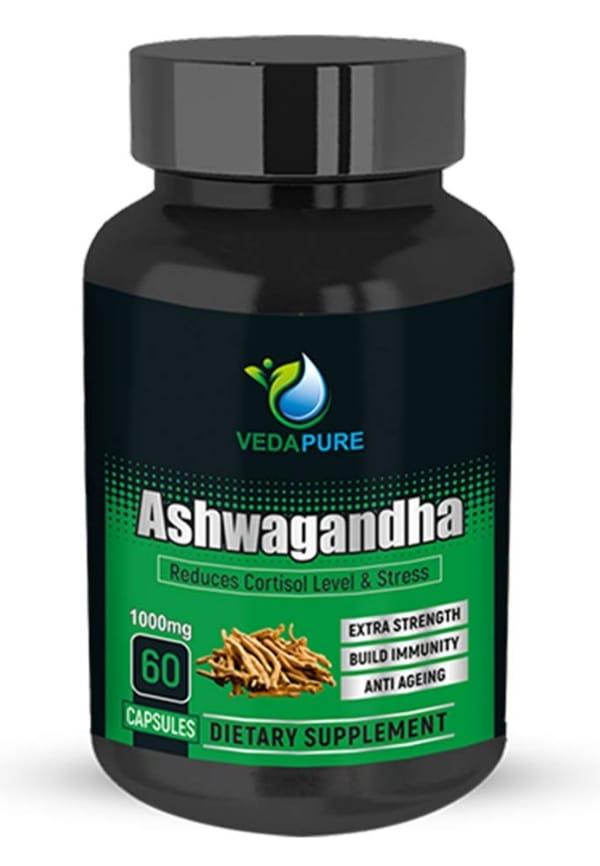
Ashwagandha Tablets,Reduce Stress & Support Sleep Cycle
Ever felt like your mind's running a marathon while your body's begging for a break? You're not alone. In our always-on world, finding moments of genuine calm can feel impossible. That's where restorative calming yoga poses come in—think of them as your personal reset button. Unlike those intense vinyasa flows that leave you sweating, these gentle poses are all about slowing down, breathing deep, and giving your nervous system the TLC it deserves. Whether you're dealing with work stress, sleep troubles, or just need to hit pause on life's chaos, these therapeutic yoga poses might just become your new best friend. And the best part? You don't need to be a yoga pro to start—just a willingness to try something that could transform how you handle stress. At Smytten, we believe in trying new approaches to wellness, and restorative yoga is definitely worth exploring.
Restorative calming yoga poses use props and longer holds to activate your body's relaxation response
These gentle poses help regulate your nervous system, reduce stress hormones, and improve sleep quality
Essential poses include Child's Pose, Legs Up the Wall, and Supported Bound Angle—all beginner-friendly
You can practice with simple props like pillows and blankets, making it accessible at home
Regular practice offers science-backed benefits for anxiety, chronic pain, and overall mental wellbeing
Let's get real about what restorative yoga actually is. Unlike the dynamic flows you see on Instagram, restorative calming yoga poses are all about doing less to feel more. These poses use props like bolsters, blankets, and blocks to support your body in comfortable positions that you hold for 5-20 minutes. The magic happens when you're completely supported—your muscles can finally let go, and your nervous system gets the memo that it's safe to relax.
The core principle behind gentle yoga for relaxation is simple: when your body feels secure and comfortable, your mind follows suit. These poses work by activating your parasympathetic nervous system—basically your body's built-in chill mode. Instead of forcing your way into poses, you're allowing gravity and props to do the work while you focus on breathing and being present.
Here's where the science gets interesting. When you practice yoga for stress relief poses, you're literally rewiring your nervous system. These mindful movement for anxiety techniques work by shifting your body from fight-or-flight mode into rest-and-digest mode. It's like switching from a racing car engine to a gentle purr.
Research shows that deep relaxation yoga practices can significantly reduce cortisol levels—that's your main stress hormone. When you hold restorative poses, your heart rate slows, blood pressure drops, and your breathing naturally deepens. This isn't just feel-good fluff; it's measurable physiological change that helps with everything from anxiety to chronic pain.
Your nervous system has two main modes: sympathetic (stress response) and parasympathetic (relaxation response). Modern life keeps most of us stuck in sympathetic overdrive. Yoga for nervous system regulation helps tip the balance back towards calm by stimulating the vagus nerve—your body's relaxation superhighway.
When your nervous system calms down, your mind follows. Regular practice of soothing yoga postures can improve focus, reduce racing thoughts, and help you respond to stress rather than react to it. It's like giving your brain a much-needed software update.
Ready to try some therapeutic yoga poses? These beginner-friendly options are perfect for starting your restorative journey. Remember, the goal isn't to achieve perfect alignment—it's to find comfort and ease in each position.
Ashwagandha Anxiety & Stress Relief
This grounding pose is like a warm hug for your nervous system. Kneel on your mat, bring your big toes together, and widen your knees. Place a bolster or pillow between your thighs and fold forward, resting your torso and head on the prop. Your arms can drape alongside the bolster or wrap around it. Hold for 5-10 minutes, focusing on deep belly breathing.
Perfect for tired legs and anxious minds, this pose improves circulation whilst calming your nervous system. Lie on your back near a wall, scoot your sitting bones close to the wall, and extend your legs up. Place a bolster or folded blanket under your lower back for extra support. Close your eyes and breathe naturally for 10-15 minutes.
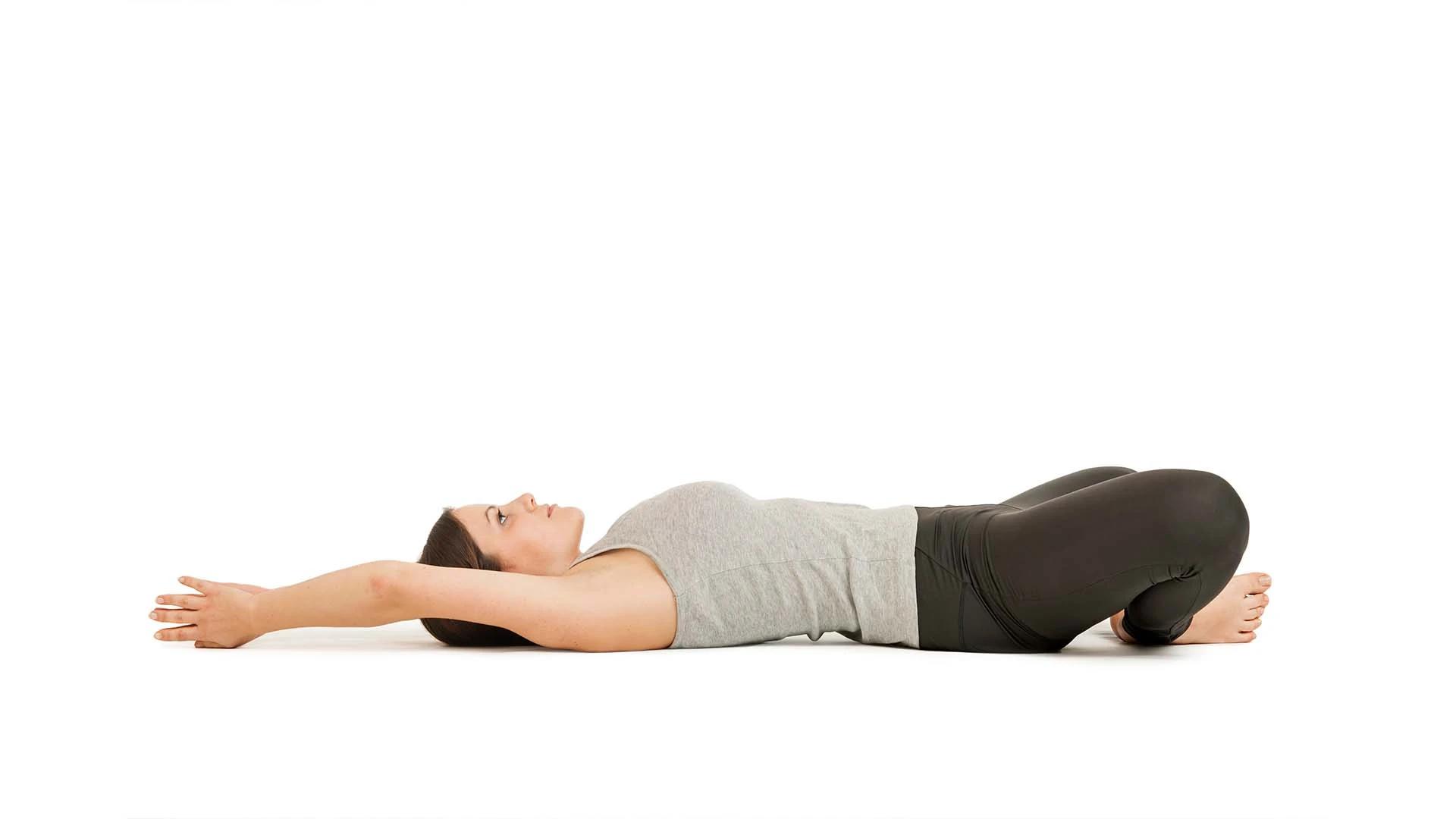
This heart-opening pose is brilliant for emotional release and deep relaxation. Lie on your back with a bolster supporting your spine. Bring the soles of your feet together and let your knees fall open, supporting them with blocks or pillows. Place one hand on your heart and one on your belly, and breathe into this gentle opening for 10-20 minutes.
Twists are fantastic for digestion and releasing tension in your spine. Lie on your side with a bolster between your legs and another supporting your top arm. Your bottom leg stays straight whilst your top leg bends over the bolster. This gentle twist massages your internal organs whilst calming your mind. Hold for 5-8 minutes on each side.
Don't worry—you don't need to invest in expensive yoga gear to start practising. Whilst traditional props like bolsters and blocks are lovely, you can create a supportive practice with items you probably already have at home.
Essential props include something for support (bolsters, firm pillows, or rolled blankets), something for warmth (blankets or throws), and something for elevation (yoga blocks, books, or cushions). The key is creating a setup where you feel completely supported and can stay comfortable for several minutes without fidgeting.
Get creative with household items. Firm sofa cushions work brilliantly as bolsters, whilst books wrapped in towels make decent blocks. Heavy blankets provide the grounding weight that many people find soothing, and eye pillows can be replaced with a folded scarf or small towel.
Your practice space doesn't need to be Instagram-perfect, but it should feel safe and calm. Dim the lights, maybe light a candle or diffuse some essential oils, and ensure you won't be interrupted. Even a corner of your bedroom can become a sanctuary with the right setup.
One of the beautiful things about restorative practice is how adaptable it is. You can create sequences tailored to exactly what you need—whether that's better sleep, anxiety relief, or deep stress release.
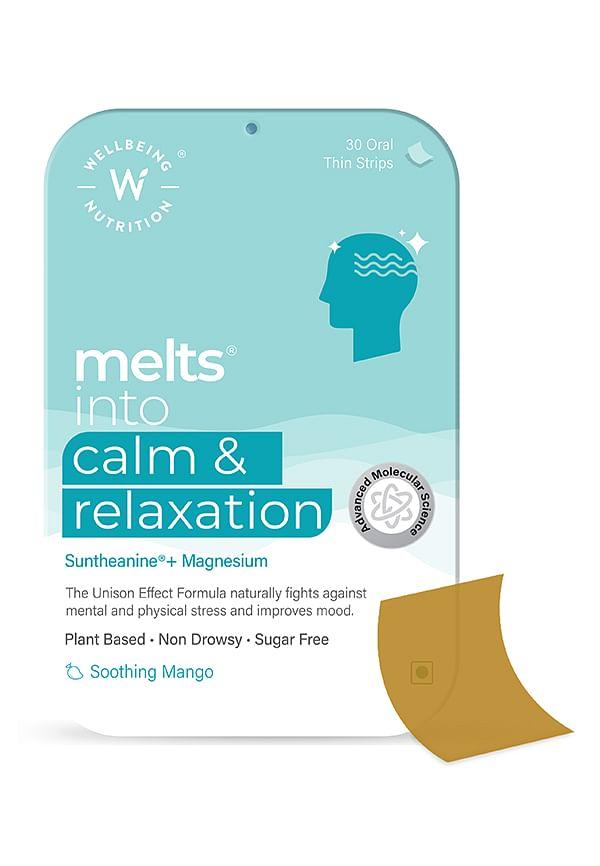
Melts Calm & Relaxation Plant Based Stress & Anxiety Reliever
Evening sequences should focus on poses that calm your nervous system and prepare your body for rest. Start with gentle seated breathing, move into supported forward folds, then legs up the wall, and finish with a supported savasana. Keep the lighting low and avoid any stimulating poses or music.
When anxiety hits, you need poses that ground you quickly. Child's pose with props is brilliant for this, as is supported bound angle pose. Focus on longer exhales than inhales—this activates your relaxation response faster. Even 10 minutes can make a significant difference to your mental state.
When you've got time for a longer practice, create a sequence that takes you through different types of release. Start with gentle movement to release physical tension, move into heart-opening poses for emotional release, include some twists for detoxification, and end with deep relaxation poses that allow complete surrender.
The research on restorative yoga benefits is pretty compelling. Studies have shown that regular practice can improve sleep quality, reduce symptoms of anxiety and depression, lower blood pressure, and even boost immune function. It's not just about feeling relaxed in the moment—these practices create lasting changes in how your body responds to stress.
One particularly interesting study found that people who practised restorative yoga for eight weeks showed significant improvements in their stress resilience. Their cortisol levels became more balanced, and they reported feeling more capable of handling daily challenges. Another study with cancer patients found that restorative yoga improved both sleep quality and overall quality of life.
Therapeutic yoga poses have shown promise for various chronic conditions. People with fibromyalgia often find relief from the gentle, supported movements. Those dealing with PTSD benefit from the nervous system regulation aspects. Even conditions like chronic fatigue syndrome and autoimmune disorders can improve with regular restorative practice.
Whilst meditation and progressive muscle relaxation are valuable, restorative yoga offers something unique—the combination of gentle physical movement, breath awareness, and supported positioning. This multi-layered approach often works better for people who struggle to sit still for traditional meditation.
Most restorative poses are held for 5-20 minutes, depending on the pose and your comfort level. Start with shorter holds (5-8 minutes) and gradually increase as your body adapts. The key is finding that sweet spot where you feel supported but not restless. If you're fidgeting constantly, try adjusting your props or shortening the hold time.
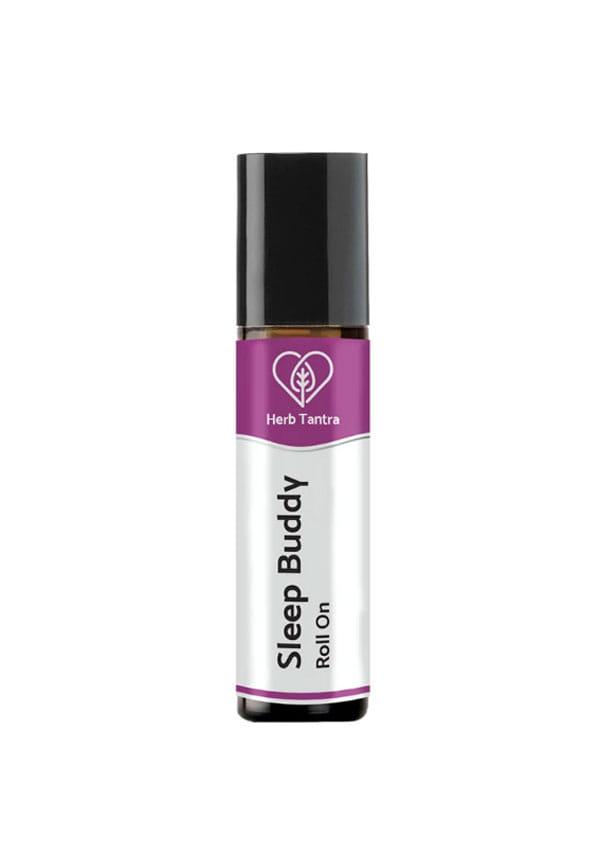
Sleep Buddy Insomnia Relief Roll-On
Absolutely! Restorative yoga is one of the safest forms of yoga because you're fully supported in each pose. However, if you have any injuries, chronic conditions, or are pregnant, it's worth checking with a healthcare provider first. Listen to your body—if something doesn't feel right, adjust or come out of the pose.
Even 10-15 minutes a few times a week can make a difference, but daily practice offers the most benefits. You might do a longer session (45-60 minutes) once or twice a week and shorter practices on other days. The beauty of restorative yoga is that you can't really overdo it—your body will tell you what it needs.
Both styles involve longer holds, but yin yoga targets deep connective tissues with more intense stretches, whilst restorative yoga focuses purely on relaxation and nervous system regulation. Yin can sometimes be uncomfortable as you work into deeper ranges of motion, whereas restorative should always feel comfortable and supported.
You can modify most poses to work without traditional props, but having some support makes the practice much more effective. Even using a wall, pillows from your bed, or rolled towels can provide the support you need. The goal is to feel completely held so your muscles can truly relax.
In restorative yoga, if you're comfortable and can breathe easily, you're probably doing it right. You should feel supported, not strained. There might be some gentle sensation as your body releases tension, but you shouldn't feel pain or significant discomfort. Trust your body's wisdom—it knows what feels good.
Many people find that regular restorative practice significantly improves their sleep quality. The deep relaxation response triggered by these poses helps regulate your circadian rhythms and reduces the mental chatter that often keeps us awake. An evening practice can be particularly effective for preparing your body and mind for rest. You can even find sleep-focused wellness products to complement your practice, available on Smytten, to enhance your bedtime routine.
Completely normal! When we slow down and create space for stillness, emotions that we've been pushing down often surface. This is actually a sign that the practice is working—you're creating space for processing and release. If emotions come up, try to breathe through them without judgment. It's all part of the healing process.
Restorative calming yoga poses offer a powerful antidote to our fast-paced, stress-filled lives. These gentle practices work by activating your body's natural relaxation response, helping to regulate your nervous system and reduce stress hormones. The beauty lies in their accessibility—you don't need to be flexible or experienced to benefit from these therapeutic poses.
Whether you're dealing with anxiety, sleep issues, chronic stress, or simply want to cultivate more inner peace, restorative yoga provides a science-backed approach to wellness. Start with just 10-15 minutes a few times a week, using whatever props you have available. Remember, the goal isn't perfection—it's about creating space for your body and mind to rest, restore, and reset.
Just as Smytten believes you shouldn't settle for 'maybe' when discovering new products, you shouldn't settle for constant stress and overwhelm in your daily life. Restorative yoga offers a gentle yet powerful way to prioritise your wellbeing, much like how Smytten's trial packs let you explore wellness products before committing to full sizes. With over 25 million users discovering their perfect matches through authentic brand-verified minis, Smytten understands the importance of trying before you buy—whether that's a new skincare routine or a new approach to stress management. Available on Smytten, you'll find various wellness and self-care products that can complement your restorative yoga practice, from aromatherapy essentials to relaxation aids. After all, why settle for stress when you can #TryItAll and find what truly works for your unique needs?
