Red Light Therapy: Expert Insights on Wellness


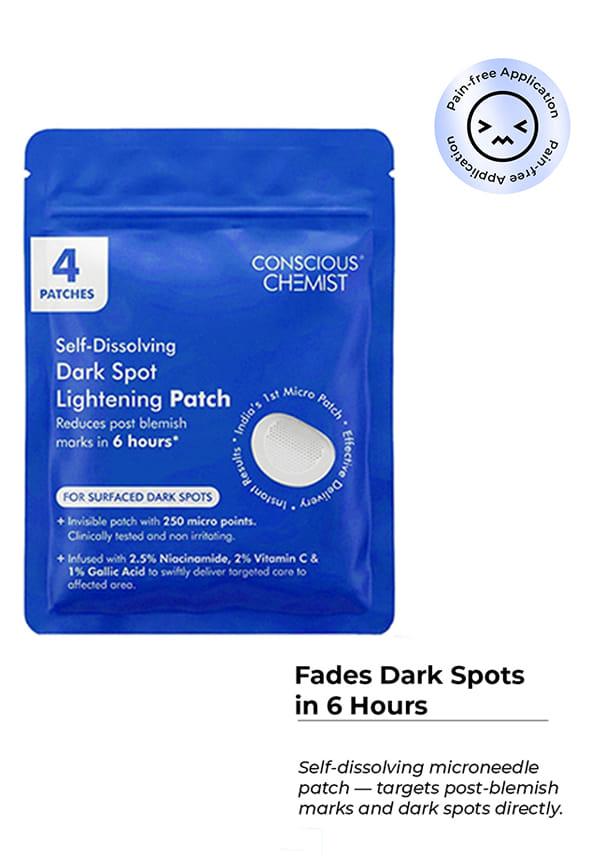
Self-Dissolving dark Spot Lightening Patch
Red light therapy has gone from being a niche wellness trend to something your mate's probably posting about on their Instagram stories. And honestly? There's good reason for the buzz. This isn't just another wellness fad that'll disappear next month—red light therapy is backed by actual science and real results that people are talking about. Whether you're dealing with stubborn skin issues, chronic pain that just won't quit, or you're simply curious about what all the fuss is about, understanding how this technology works can help you make smarter choices. Let's dive into what makes red light therapy devices worth considering, how they actually work, and what you need to know before jumping on this wellness bandwagon.
Real talk—red light therapy might sound like something out of a sci-fi movie, but it's actually pretty straightforward once you get the basics. At its core, this treatment uses specific wavelengths of light to trigger natural healing processes in your cells. Think of it as giving your body's repair system a gentle nudge to work more efficiently. The magic happens through something called photobiomodulation—basically, your cells absorb light energy and convert it into cellular fuel. It's like plugging your phone into a charger, except you're charging your mitochondria (the powerhouses of your cells). When these tiny cellular engines get more energy, they can repair damage, reduce inflammation, and boost overall function more effectively.
Here's where it gets interesting. Red light therapy typically uses wavelengths between 660-850 nanometres—that's the sweet spot where your skin can actually absorb the light effectively. When these specific wavelengths hit your cells, they stimulate mitochondria to produce more ATP (adenosine triphosphate), which is basically cellular energy currency. The difference between red light and infrared light therapy comes down to penetration depth. Red light (around 660nm) works brilliantly for surface-level skin concerns, while near-infrared light (810-850nm) can reach deeper tissues like muscles and joints.
LED light therapy devices dominate the consumer market, and for good reason—they're safer, more affordable, and easier to use than laser alternatives. You'll find everything from massive panels that could light up your entire torso to handheld devices perfect for targeting specific spots. Panel devices offer comprehensive coverage and are brilliant for full-body treatments, while handheld units give you precision for problem areas. The key difference between medical-grade and consumer devices usually comes down to power output and treatment protocols.
Let's be honest—the internet is full of wild claims about red light therapy benefits, but what does the actual research say? The good news is that there's solid evidence supporting several key applications, though it's worth noting that results can vary from person to person. The most compelling research focuses on skin health, pain management, and wound healing. While some studies are still ongoing and sample sizes aren't always huge, the consistent patterns emerging from research are pretty encouraging.
Light therapy for skin is where red light really shines (pun intended). Studies show that regular treatments can boost collagen production, which means firmer, more youthful-looking skin over time. The 660nm wavelength is particularly effective for surface-level skin concerns. For acne-prone skin, red light can help reduce inflammation and kill acne-causing bacteria without the harsh side effects of some topical treatments. Many users report clearer skin within 4-6 weeks of consistent use. Wound healing is another area where the research is solid. Red light therapy can accelerate the healing process by increasing blood flow and cellular repair mechanisms.
This is where red light for pain relief really proves its worth. The deeper-penetrating wavelengths can reach muscles and joints, potentially reducing inflammation and promoting healing. Athletes particularly love this for post-workout recovery. Chronic pain sufferers often report improvements in conditions like arthritis, fibromyalgia, and general muscle soreness. While it's not a miracle cure, many find it a valuable addition to their pain management toolkit. The anti-inflammatory effects seem to be key here—by reducing inflammation at the cellular level, red light therapy can provide relief without the side effects of long-term medication use.
Some emerging research suggests wellness therapy benefits beyond skin and pain relief. Sleep quality improvements are commonly reported, possibly due to red light's minimal impact on circadian rhythms compared to blue light. Mood enhancement is another interesting area, though the research is still developing. Some studies suggest that light therapy might influence neurotransmitter production, potentially supporting mental wellness. Hair growth stimulation is gaining attention too, with some evidence suggesting that red light can improve hair density and thickness in certain types of hair loss.
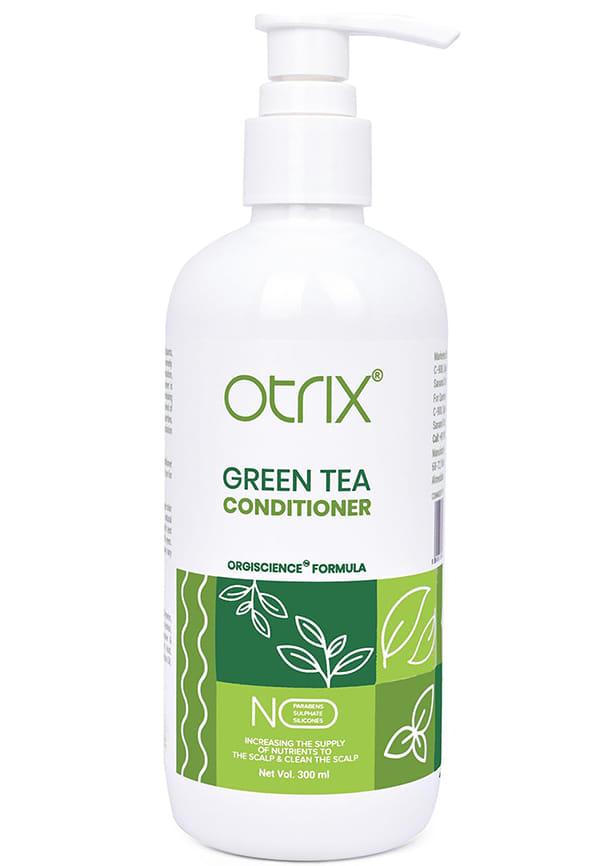
Green Tea Conditioner
Here's the million-rupee question—should you invest in a red light therapy device for home use or book sessions at a clinic? Both have their merits, and the right choice depends on your goals, budget, and commitment level. Professional treatments typically use more powerful devices that can deliver results faster, but they come with ongoing costs and scheduling constraints. Home devices offer convenience and long-term value, but require consistency and patience.
The biggest advantage of home light therapy devices is convenience. You can fit treatments into your routine without travelling to a clinic or booking appointments. Over time, this often works out more cost-effective too. However, consumer devices typically have lower power output than professional equipment, which means longer treatment times and potentially slower results. You'll need to be more disciplined about consistency since there's no therapist keeping you accountable. Most home devices require 10-20 minute sessions, 3-5 times per week for optimal results. It's not demanding, but it does require building a habit.
Clinical red light therapy sessions use higher-powered equipment that can deliver more intense treatments in shorter timeframes. You'll also get expert guidance on positioning, duration, and treatment protocols tailored to your specific needs. Professional settings offer safety monitoring and the ability to combine red light with other treatments for enhanced results. If you have specific medical concerns, professional supervision can be invaluable.
In India, professional red light therapy sessions typically range from ₹1,500-₹3,000 per session, depending on the clinic and treatment area. A full course might require 10-20 sessions, putting total costs between ₹15,000-₹60,000. Quality home devices range from ₹8,000-₹50,000, depending on size and features. When you factor in unlimited use over several years, home devices often provide better value for regular users.
Navigating the world of red light therapy devices can feel overwhelming with so many options available. The key is understanding what features actually matter and which ones are just marketing fluff. Power density, wavelength accuracy, and build quality should be your top priorities. Everything else is secondary to these fundamental factors that determine whether a device will actually deliver results.
Wavelength specifications are crucial—look for devices offering 660nm for skin benefits and 810-850nm for deeper tissue penetration. Many quality devices combine multiple wavelengths for comprehensive treatment. Power density (measured in mW/cm²) determines treatment effectiveness. Higher power density means shorter treatment times, but also higher costs. Look for devices offering at least 20-40 mW/cm² for effective results. Timer functions and safety features like automatic shut-off are essential for consistent, safe treatments. Eye protection should always be included or recommended by the manufacturer.
Full-body panels are brilliant for comprehensive wellness therapy but require significant space and investment. They're perfect if you want to treat multiple areas simultaneously. Targeted devices work well for specific concerns like facial skin care or localised pain relief. They're more affordable and easier to store, making them ideal for beginners. Portable options offer flexibility for travel or treating different areas, though they typically have lower power output and smaller treatment areas.
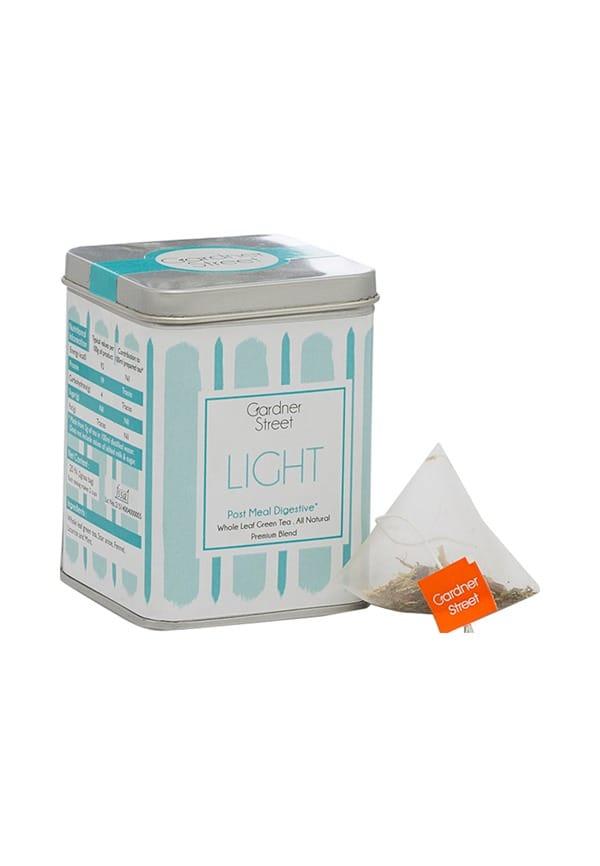
Light - Green Tea
Look for third-party testing certificates and clear irradiance measurements. Reputable manufacturers provide detailed specifications and wavelength accuracy data. Avoid devices with unrealistic claims or prices that seem too good to be true. Quality LED light therapy devices require proper LEDs and power supplies, which have inherent costs. Warranty coverage and responsive customer support indicate a manufacturer's confidence in their product quality.
While red light therapy is generally considered safe, proper usage is essential to avoid potential issues and maximise benefits. Understanding the guidelines helps you use these devices confidently and effectively. The most important safety consideration is eye protection. Even though red light is less harmful than UV light, direct exposure to powerful LEDs can cause eye strain or damage.
Start with shorter sessions (5-10 minutes) and gradually increase duration as your skin adapts. Most devices recommend 10-20 minute sessions, 3-5 times per week for optimal results. Maintain proper distance from the device—typically 6-12 inches depending on power output. Closer isn't always better and can sometimes cause skin irritation. Consistency matters more than intensity. Regular, moderate sessions typically produce better results than occasional long treatments.
Pregnant women should consult healthcare providers before starting red light therapy, as research on pregnancy safety is limited. Certain medications can increase light sensitivity, making consultation with a doctor important if you're taking photosensitising drugs. Active skin infections, open wounds, or suspicious moles should be evaluated by a healthcare professional before treatment.
Red light therapy doesn't emit UV radiation, so there's no sunburn risk. However, overuse can still cause skin irritation or headaches in sensitive individuals. Quality devices include safety features like automatic timers and thermal protection. Cheap knockoffs may lack these protections, making device selection crucial for safety. If you experience persistent redness, irritation, or discomfort, reduce treatment frequency or consult a healthcare provider.
Getting the most from your red light therapy device isn't just about turning it on and hoping for the best. Strategic approach and consistency are what separate those who see real results from those who give up after a few weeks. Think of red light therapy as part of your overall wellness therapy routine rather than a standalone solution. When combined with proper skincare, nutrition, and other healthy habits, the results tend to be more impressive.
Timing can influence results—many users prefer morning sessions for energy benefits or evening treatments for relaxation and recovery. Combining red light therapy with gentle skincare routines can enhance absorption and results. Clean skin allows better light penetration. Track your progress with photos or symptom journals. Changes often happen gradually, making documentation helpful for motivation and protocol adjustments.
Regular cleaning with gentle, non-abrasive cloths keeps LEDs functioning optimally. Avoid harsh chemicals that might damage the device surface. Proper storage protects your investment—keep devices in cool, dry places away from direct sunlight when not in use. Most quality light therapy devices last 3-5 years with proper care. Dimming LEDs or reduced effectiveness usually indicate replacement time.
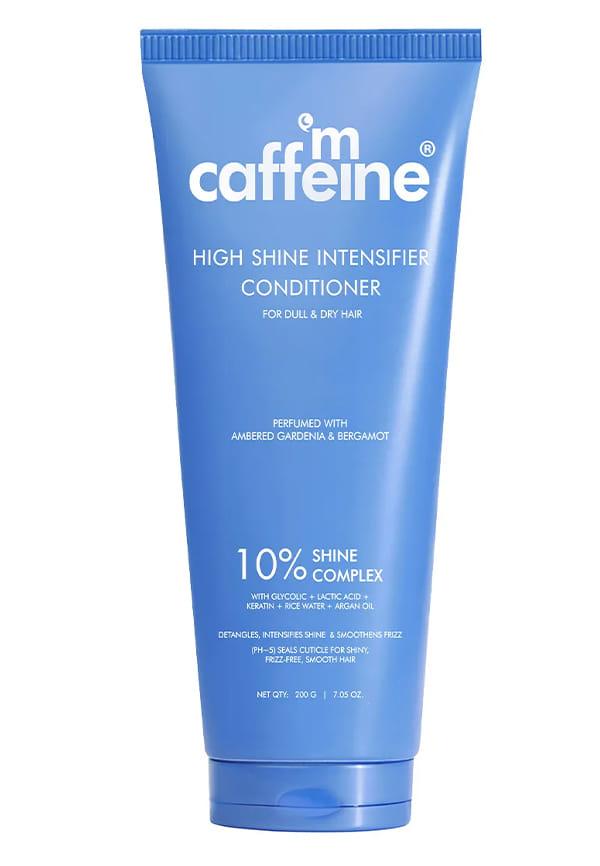
High Shine Intensifier Conditioner
Excellent Conditioner for Soft, Shiny Hair
 5
5“I’ve been using the mCaffeine Conditioner for a while now, and it has made my hair feel incredibly soft, smooth, and manageable. The coffee fragrance is refreshing and long-lasting. It controls frizz well without making hair greasy and gives a healthy shine after every wash. Definitely a great addition to my hair care routine!”
Love the Product
5“love the product i will definitely order it again”
Yes, but results vary based on device quality, consistency of use, and individual factors. Research supports benefits for skin health, pain relief, and wound healing, though effects typically develop over weeks rather than days.
Absolutely, provided you choose a quality device and follow safety guidelines. Eye protection, proper timing, and gradual introduction are key safety measures for home use.
Professional sessions range from ₹1,500-₹3,000 each, while home devices cost ₹8,000-₹50,000. For regular users, home devices often provide better long-term value.
Research shows promising results for acne, wrinkles, and wound healing. However, severe skin conditions should be evaluated by dermatologists before starting treatment.
Most users notice initial improvements within 2-4 weeks of consistent use. Significant changes typically develop over 8-12 weeks, though individual timelines vary.
Red light (660nm) primarily targets surface skin concerns, while infrared light (810-850nm) penetrates deeper for muscle and joint benefits. Many devices combine both wavelengths.
Red light therapy represents a fascinating intersection of technology and wellness that's worth exploring if you're curious about natural approaches to health and beauty. While it's not a magic solution for every concern, the growing body of research and user experiences suggests real potential for those willing to commit to consistent use. The key to success lies in realistic expectations, quality device selection, and patience with the process. Whether you're dealing with skin concerns, chronic pain, or simply want to explore cutting-edge wellness therapy options, red light therapy offers a relatively low-risk way to potentially enhance your health routine. For those interested in exploring wellness innovations, platforms like Smytten make it easier to discover and try new products before committing to full-size purchases. With over 25 million users and access to 1,500+ trusted brands, Smytten helps you make smarter choices about wellness investments. After all, why settle for 'maybe' when you can try it all and find what actually works for your unique needs?
