Practice Mindful Living FAQ: Your Questions Answered

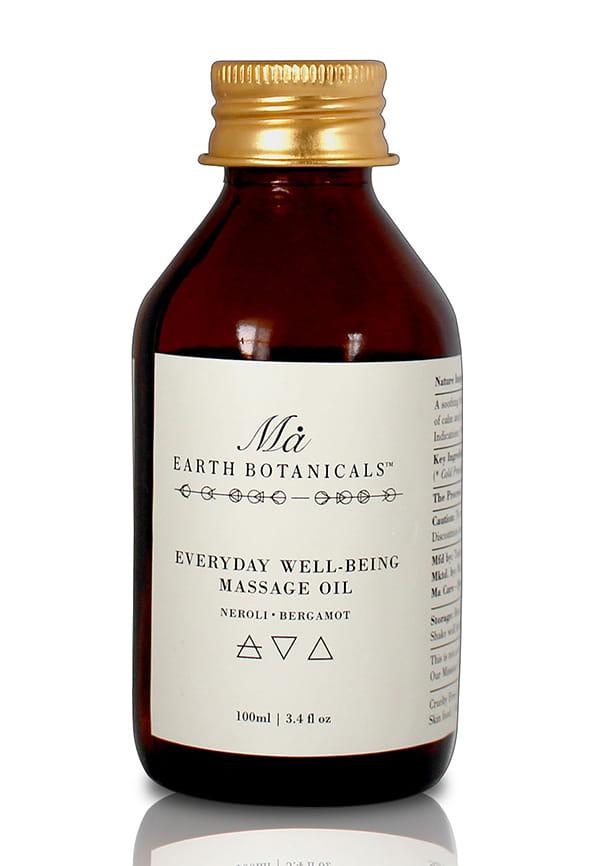
Everyday Well-Being Massage Oil
Ever wondered if you're actually living or just going through the motions? Real talk—most of us are stuck on autopilot, scrolling through life without really experiencing it. That's where mindful living comes in. It's not about sitting cross-legged for hours or chanting mantras (though no judgment if that's your thing). It's about bringing awareness to your everyday moments, from your morning cuppa to those late-night Netflix binges. Think of it as pressing pause on the chaos and actually tuning into what's happening right now. Whether you're dealing with work stress, relationship drama, or just feeling a bit lost, learning to practice mindful living might just be the reset button you've been looking for. And here's the thing—you don't need fancy equipment or a meditation retreat to get started. Just you, your breath, and a willingness to try something new. Let's dive into the questions everyone's asking about making mindfulness a real part of daily life, because honestly, we could all use a bit more peace in this mad world. Plus, platforms like Smytten are making it easier than ever to discover wellness products that support your mindful living journey.
Mindful living is about bringing awareness to everyday moments, not just formal meditation sessions
Simple techniques like the 3-3-3 rule and mindful breathing can reduce stress and improve emotional regulation
You can integrate mindfulness into daily activities like eating, working, and communicating without major lifestyle changes
Common challenges include time constraints and racing thoughts, but there are practical solutions for each
Consistent practice leads to better mental well-being, inner peace, and emotional resilience over time
Let's clear something up straight away—mindful living isn't the same as those meditation apps you downloaded and forgot about. Whilst traditional mindfulness meditation involves sitting quietly and focusing on your breath, mindful living is about weaving that same awareness into everything you do. It's conscious living in action, where you're fully present whether you're brushing your teeth, having a conversation, or even dealing with that annoying colleague.
The whole concept comes from Buddhist traditions, but don't worry—you don't need to become a monk to get the benefits. Modern psychology has basically taken the best bits and made them accessible for anyone wanting to live more intentionally. The core principles are dead simple: awareness (noticing what's happening), presence (being here instead of somewhere else in your head), and non-judgment (not labelling everything as good or bad).
When you start living in the present moment consistently, your brain literally changes. Studies show that regular mindfulness practice can reduce anxiety, improve focus, and help with emotional regulation skills. It's like giving your mind a proper workout, but instead of building muscle, you're building resilience.
The difference between occasional mindfulness and mindful living is like the difference between going to the gym once a month versus making movement part of your daily routine. One might make you feel good temporarily, but the other actually transforms how you experience life.
Right, let's get practical. If you're new to this whole mindfulness thing, start with techniques that don't require you to completely overhaul your life. The beauty of mindful living is that it fits around what you're already doing, not the other way around.
The 3-3-3 rule is your new best friend when stress hits. Notice 3 things you can see, 3 sounds you can hear, and move 3 parts of your body. It's a quick grounding technique that pulls you back to the present moment without anyone even knowing you're doing it.
Mindful breathing exercises don't have to be complicated. Try the 4-7-8 technique: breathe in for 4 counts, hold for 7, exhale for 8. Perfect for those moments when your mind's racing faster than a Formula 1 car.
Body awareness practices involve checking in with how you're feeling physically. Are your shoulders tense? Is your jaw clenched? Just noticing without trying to fix anything is surprisingly powerful.
Mindful eating techniques transform your relationship with food. Put your phone down, actually taste what you're eating, and notice the textures and flavours. Your digestive system will thank you.
Present-moment observation is about becoming curious about your surroundings. What's the weather like? How does the air feel on your skin? It's like becoming a detective of your own experience.
Cultivating gratitude doesn't mean forcing positivity. It's about genuinely noticing what's working in your life, even if it's just that your coffee tastes decent this morning.
Start ridiculously small. We're talking 2-3 minutes, not 30. Pick one activity you already do daily—like brushing your teeth or making tea—and commit to doing it mindfully. Once that feels natural, add another.
When stress hits, your body goes into fight-or-flight mode faster than you can say "deadline." That's where stress reduction techniques come in handy. These aren't just feel-good practices—they're practical tools for managing your nervous system.
Box breathing is brilliant for immediate stress relief. Breathe in for 4, hold for 4, out for 4, hold for 4. Repeat until you feel your heart rate slow down. It's like a reset button for your entire system.
This technique involves tensing and then releasing different muscle groups. Start with your toes, work your way up to your head. It sounds weird, but it's incredibly effective for releasing physical tension you didn't even know you were carrying.
Here's where emotional regulation skills really shine. Instead of immediately reacting when someone winds you up, try the STOP technique: Stop what you're doing, Take a breath, Observe what's happening, Proceed with intention. It's the difference between responding and just reacting.
The 5-4-3-2-1 grounding technique works wonders when you're overwhelmed. Notice 5 things you can see, 4 you can touch, 3 you can hear, 2 you can smell, and 1 you can taste. It's like an emergency brake for anxiety.
The magic happens when mindfulness stops being something you do and becomes how you live. This isn't about adding more to your to-do list—it's about bringing awareness to what you're already doing.
Your morning routine is the perfect place to start. Instead of checking your phone the second you wake up, try spending the first few minutes just noticing how you feel. Are you tired? Excited? Anxious about the day ahead? No need to change anything, just notice.
Staying present during work tasks might sound impossible when you've got seventeen tabs open and three meetings back-to-back. But even taking three conscious breaths before opening your laptop can shift your entire day. Try the "mindful minute" between tasks—just one minute of awareness before moving to the next thing.
Active listening is a game-changer for relationships. Instead of planning what you're going to say next, actually listen to what the other person is saying. Notice their tone, their body language, the words they're choosing. It's like upgrading your social software.
Creating a mindful transition to rest helps signal to your body that it's time to slow down. This could be as simple as putting your devices away an hour before bed and doing some gentle stretching, or writing down three things that went well during the day.
Finding inner peace isn't about achieving some zen-like state where nothing bothers you. It's about developing the mental well-being tips and skills to navigate life's ups and downs with more grace and less drama.
Building emotional resilience through consistent practice is like strengthening a muscle. Each time you choose awareness over autopilot, you're building your capacity to handle whatever life throws at you. It's not about being perfect—it's about being present.
Cultivating gratitude doesn't mean pretending everything's brilliant when it's not. It's about training your brain to notice what's working alongside what isn't. Try the "good, bad, grateful" practice: each evening, note one thing that went well, one that didn't, and one thing you're grateful for.
That mental chatter is completely normal—your brain's just doing its job. Instead of fighting it, try the "noting" technique. When you notice your mind wandering, simply think "thinking" and gently bring your attention back to the present. No judgment, no frustration, just gentle redirection.
Your physical space affects your mental space more than you might realise. This doesn't mean you need to redecorate—sometimes it's as simple as clearing your desk, opening a window, or adding something that makes you smile. Small changes, big impact.
Let's be honest—everyone struggles with consistency when starting a daily mindfulness practice. The good news is that every challenge has a practical solution, and you're definitely not the first person to face these obstacles.
The "I don't have time" challenge is probably the most common one. But here's the thing—mindfulness doesn't require extra time, it just requires attention. You can practice conscious living whilst doing things you already do: walking to the bus stop, waiting for your coffee to brew, or even during those few minutes before you fall asleep.
If your mind won't stop racing, you're not broken—you're human. The goal isn't to stop thinking; it's to change your relationship with your thoughts. Try the "clouds in the sky" approach: imagine your thoughts as clouds passing through the sky of your mind. You notice them, but you don't need to grab onto them.
Ironically, when you need mindfulness most is often when you're least likely to practice it. During tough times, lower your expectations. If your usual 10-minute practice feels impossible, try 30 seconds. Something is always better than nothing.
Mindfulness actually makes you more productive, not less. When you're fully present with one task instead of multitasking badly, you get better results in less time. It's about working smarter, not harder.
Start with one mindful activity per day—something you already do like drinking your morning tea or walking to work. Focus on that one thing for a week before adding anything else. The key is consistency over intensity.
Mindfulness meditation is formal practice—sitting quietly and focusing on your breath or body. Mindful living is bringing that same awareness to everyday activities like eating, walking, or having conversations. Both are valuable, but mindful living is more accessible for busy lifestyles.
Some benefits, like feeling calmer after breathing exercises, happen immediately. Longer-term changes in stress levels and emotional regulation typically show up after 2-4 weeks of consistent practice. Remember, it's a practice, not a quick fix.
Research shows that mindfulness-based practices can be helpful for managing anxiety and depression symptoms. However, they're not a replacement for professional mental health support when needed. Think of mindfulness as a valuable tool in your wellness toolkit.
Start with simple apps like Headspace or Calm for guided practices. Books like "The Power of Now" by Eckhart Tolle offer deeper insights. You can also explore wellness products available on Smytten that support relaxation and self-care practices, helping create the right environment for mindful living.
Integrate micro-moments of mindfulness into existing activities. Take three conscious breaths before checking emails, eat lunch without scrolling your phone, or practice gratitude whilst brushing your teeth. Busy doesn't mean you can't be mindful.
Absolutely. Mindfulness is about awareness and presence, which are universal human capacities. Many religious traditions have their own contemplative practices that align beautifully with mindful living principles.
Extensive research shows that mindfulness practices can reduce cortisol levels, improve immune function, and increase grey matter in areas of the brain associated with learning and memory. Studies also demonstrate benefits for anxiety, depression, and chronic pain management.
Mindful living isn't about perfection—it's about presence. The most important thing to remember is that every moment offers a fresh opportunity to tune in and pay attention. Whether you're dealing with stress, looking to improve your relationships, or simply wanting to feel more connected to your own life, the practices we've covered can make a real difference.
Start small, be patient with yourself, and remember that consistency beats intensity every time. Your future self will thank you for taking these first steps towards a more conscious, intentional way of living. The journey of a thousand miles really does begin with a single step—or in this case, a single breath.
Discovering the right tools and products to support your mindful living journey can make all the difference in maintaining consistent practice. Smytten is India's largest product discovery and trial platform, connecting consumers with top lifestyle, beauty, wellness, and grooming brands. At its core, Smytten offers curated trial packs—mini-sized products from over 1,500 trusted brands such as Cetaphil, Dot & Key, True Elements, Renee, Love, Beauty & Planet, and Bella Vita. This lets users explore and experience wellness products before committing to full-size purchases. Whether you're looking for aromatherapy oils, calming teas, or skincare products that support your self-care routine, you can trial on Smytten first. Each mini is linked with Trial Points, and users can get up to 8 minis for just ₹249. Plus, Smytten offers 100% cashback on trials, redeemable in the shop section for future orders, making product discovery both affordable and rewarding. With PAN-India delivery and 100% authentic products directly sourced from brands, finding your perfect wellness companions has never been easier. After all, why settle for 'maybe' when you can #TryItAll!
