Potassium for Muscle Cramps FAQ: Your Questions Answered

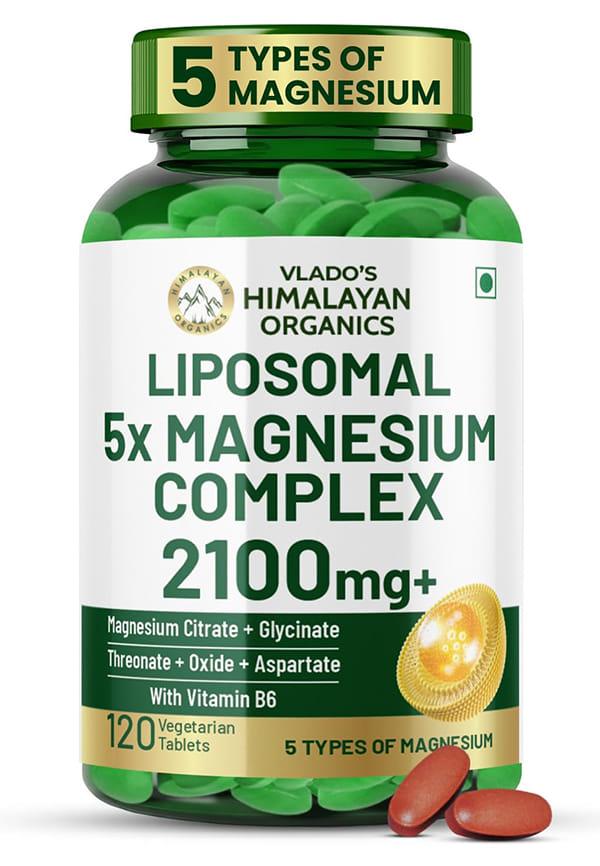
Magnesium Citrate (Chelated) 1000mg | Support Heart And Bone Health | Good For Muscle Relaxation
Ever been jolted awake by a sudden leg cramp that feels like your muscle's having a proper meltdown? You're definitely not alone. Muscle cramps can strike anyone, anywhere, anytime—whether you're mid-workout, sleeping peacefully, or just going about your day. While there are loads of reasons why muscles decide to go rogue, one of the most common culprits is actually something you can fix: potassium levels. This complete guide to potassium for muscle cramps breaks down everything you need to know about this essential mineral, from understanding why your muscles are cramping in the first place to finding the right solutions that actually work. Whether you're dealing with occasional night-time leg cramps or exercise-related muscle spasms, getting your potassium game sorted might just be the game-changer you've been looking for. Plus, with platforms like Smytten making it easier to trial wellness products before committing to full sizes, you can explore different approaches to muscle health without the guesswork.
Potassium plays a crucial role in muscle contraction and nerve function—low levels often trigger painful cramps
Most adults need 2,600-3,400mg of potassium daily, but many only get half that amount from their diet
Potassium-rich foods like avocados, sweet potatoes, and spinach are more effective than bananas for cramp prevention
Different types of potassium supplements work better for different people—potassium citrate is often the most gentle option
Combining potassium with proper hydration and other electrolytes like magnesium creates the most effective cramp prevention strategy
Let's get real about what's actually happening when your muscle decides to seize up like a stubborn jar lid. At the cellular level, muscle cramps occur when your muscle fibres contract involuntarily and refuse to relax. Think of it as your muscle getting stuck in "on" mode when it should be chilling out.
Potassium is basically the traffic controller for your muscles and nerves. It works alongside sodium to create electrical signals that tell your muscles when to contract and when to release. When potassium levels drop, this communication system gets wonky, leading to those painful spasms that can leave you hobbling around. The connection between electrolyte imbalance and cramping is so strong that even a slight dip in potassium can trigger muscle weakness and those dreaded charley horses that seem to come out of nowhere.
Muscle cramps might be the most obvious sign that your potassium levels are running low, but they're definitely not the only red flag. Your body has quite a few ways of telling you it needs more of this essential mineral.
Early warning signs include fatigue that doesn't seem to shift no matter how much you rest, weakness that makes everyday tasks feel harder than usual, and irregular heartbeat patterns. You might also notice increased thirst, frequent urination, or that general feeling of being "off" that's hard to pinpoint. Risk factors that bump up your potassium needs include regular intense exercise, certain medications like diuretics, excessive sweating, and digestive issues that affect nutrient absorption. When muscle cramps become frequent or severe, especially if they're paired with other symptoms like persistent weakness or heart palpitations, it's definitely time to chat with a healthcare professional about serious deficiency.
Here's where things get interesting—most people think they're getting enough potassium, but the numbers tell a different story. According to NHS guidelines, adults need between 2,600-3,400mg of potassium daily, with men typically needing the higher end of that range.
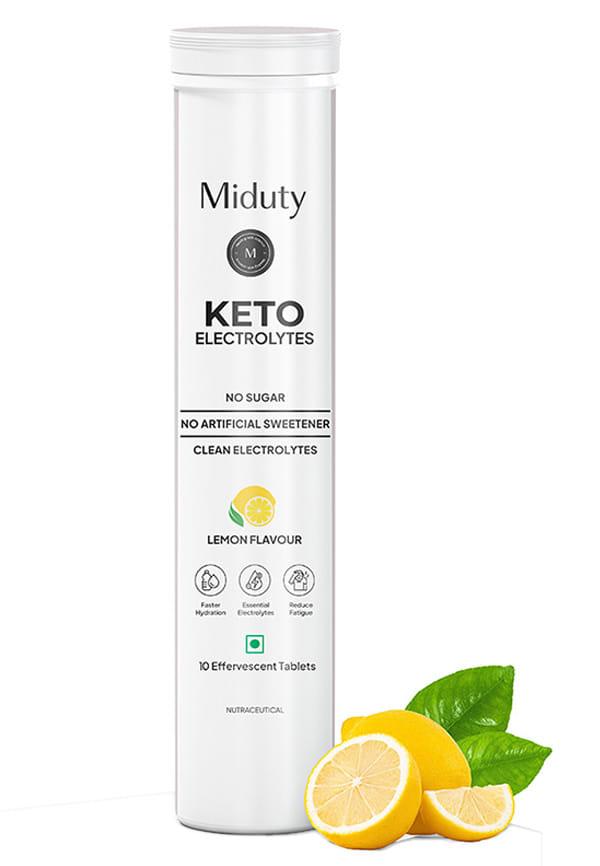
Keto Electrolytes-Hydration-Mineral Balance-Keto Diet-Sugar free-Effervescent
For cramp prevention, you're looking at hitting that daily target consistently rather than loading up when cramps strike. However, if you're dealing with active cramping, some people find that temporarily increasing intake to around 4,000mg daily (under medical supervision) can help reset things. The reality check? Most Brits only get about 1,500-2,000mg daily from their diet, which explains why muscle cramps are so bloomin' common. Factors that increase your potassium needs include regular exercise (especially in hot weather), high sodium intake, stress, and certain health conditions like diabetes or kidney issues.
Not all potassium supplements are created equal, and choosing the right type can make a massive difference in how well it works for your muscle cramps. The three main players in the potassium supplement game are potassium chloride, potassium citrate, and potassium gluconate.
Potassium citrate tends to be the gentlest on your stomach and is often the go-to choice for people dealing with muscle cramps. It's well-absorbed and less likely to cause digestive upset compared to other forms.
Potassium chloride is the most concentrated form and what you'll typically find in prescription supplements. It's highly effective but can be harsh on the digestive system if not taken properly.
Potassium gluconate is milder and easier to tolerate, though you might need to take more to get the same amount of actual potassium. When choosing between prescription and over-the-counter options, remember that OTC supplements are limited to 99mg per tablet due to safety regulations, whilst prescription versions can contain much higher doses.
Forget everything you think you know about bananas being the ultimate potassium food—they're actually pretty average in the potassium stakes. If you want to seriously boost your levels through diet, you need to think bigger and better.
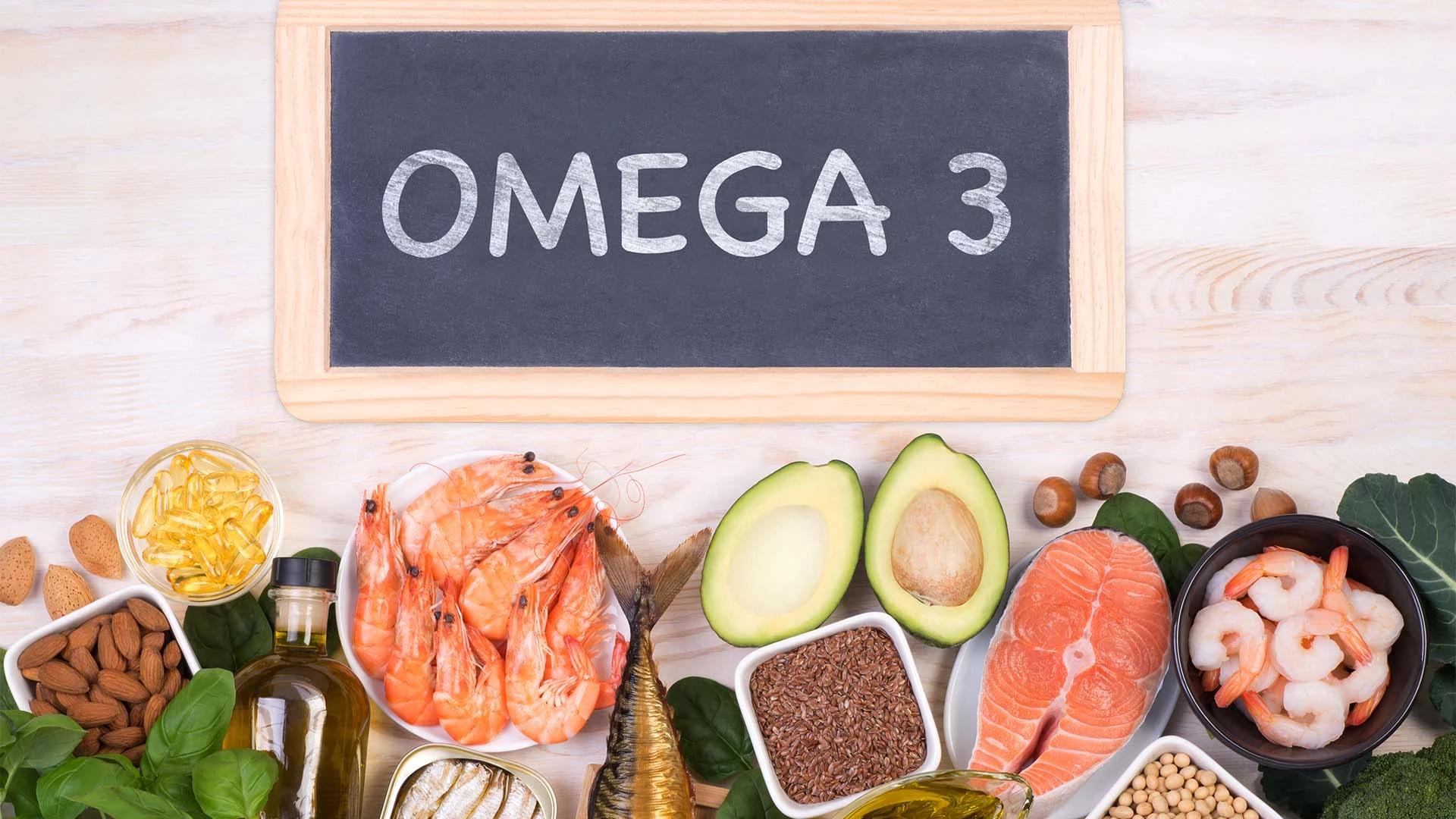
Avocados pack about 975mg per fruit, making them absolute potassium powerhouses. Sweet potatoes deliver around 900mg per medium potato, plus they're loaded with other muscle-supporting nutrients. Spinach gives you about 840mg per cooked cup, and it's incredibly versatile for meal planning.
Other brilliant sources include white beans (1,000mg per cup), acorn squash (900mg per cup), and salmon (500mg per serving). For optimal absorption, pair these foods with a bit of healthy fat and avoid consuming them with high-calcium foods at the same time, as calcium can interfere with potassium uptake. A proper diet for muscle cramps should include at least 2-3 high-potassium foods at each meal, plus staying consistently hydrated throughout the day.
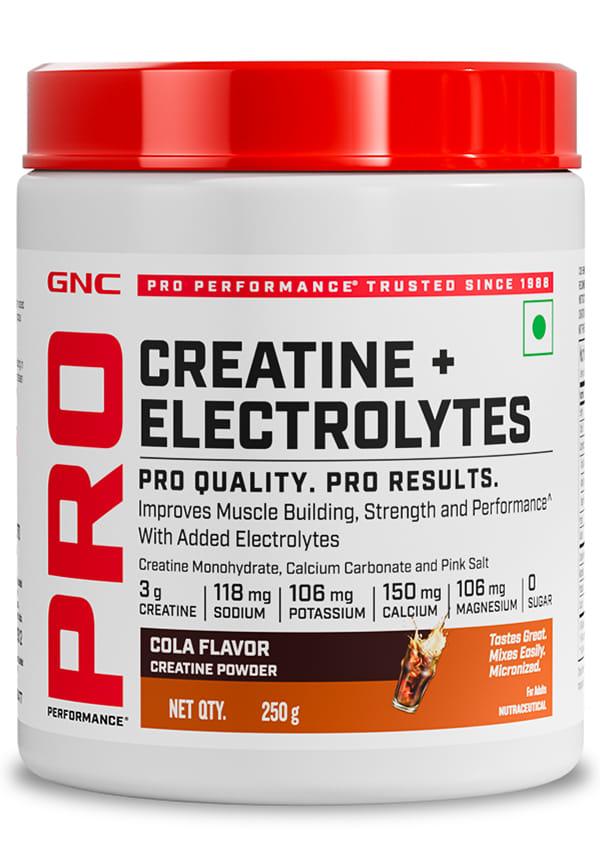
Pro Performance Creatine+ Electrolytes, Cola
The truth is, muscle cramps aren't usually a one-mineral problem, and trying to fix them with just potassium might leave you frustrated. Different electrolytes tackle different types of cramps, and understanding this can save you loads of trial and error.
Potassium is brilliant for general muscle cramps and those related to dehydration or dietary deficiency. Magnesium tends to be more effective for night-time leg cramps and muscle tension, whilst calcium plays a supporting role in muscle contraction but rarely works alone for cramp relief.
The best electrolytes for muscle cramps during exercise are typically a combination approach—potassium for nerve function, magnesium for muscle relaxation, and sodium for hydration balance. Many people find that taking a balanced electrolyte supplement works better than mega-dosing on just one mineral. Hydration affects how well all these electrolytes work, so proper fluid intake is absolutely crucial for any anti-cramp strategy to be effective.
When a cramp strikes, you want relief now, not in a few hours. The good news is there are several natural approaches that can help both in the moment and for long-term prevention.
For immediate relief, try eating a small handful of dried apricots or dates—they're packed with quickly absorbable potassium. Coconut water is another rapid-fire option that delivers potassium plus natural hydration. Gentle stretching of the affected muscle, combined with massage, can help break the cramp cycle whilst the potassium gets to work.
Your hydration protocol should include sipping water consistently throughout the day rather than chugging large amounts at once. Adding a pinch of sea salt to your water can help with electrolyte balance, especially if you're active or live in a hot climate. Natural remedies for leg cramps also include warm baths with Epsom salts (for the magnesium), light yoga or stretching before bed, and keeping a consistent sleep schedule to prevent night-time cramping.
For muscle cramp prevention, aim for the daily recommended intake of 2,600-3,400mg through food and supplements combined. If you're dealing with active cramping, some people benefit from temporarily increasing to 4,000mg daily, but this should be done under medical supervision. Start with 200-400mg of supplemental potassium daily and adjust based on your response and dietary intake.
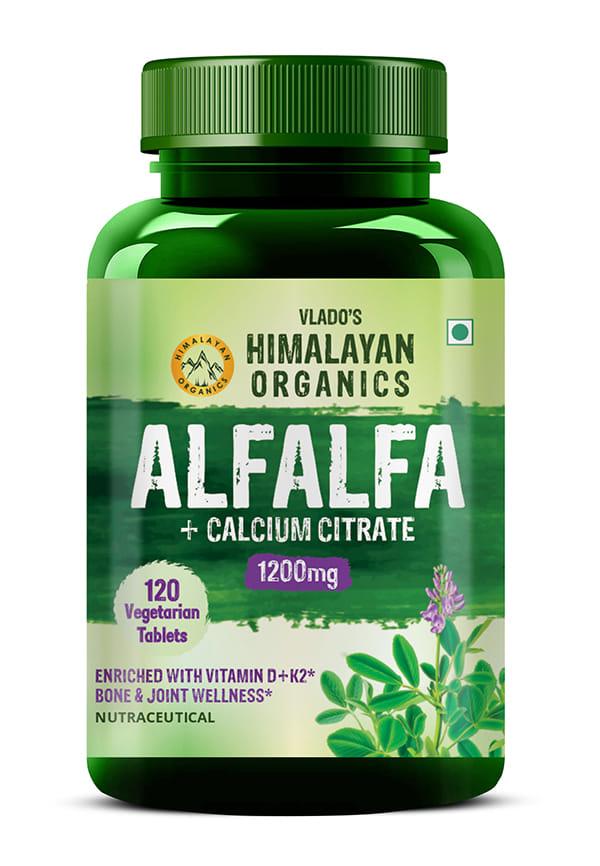
Vlado's Himalayan Organics Alfalfa, Calcium Citrate Malate 1200mg with Vitamin D, K2 (MK7), B12, Zinc & Magnesium - 120 Veg Tablets
Potassium citrate is often the best choice for leg cramps because it's gentle on the stomach and well-absorbed. If you have persistent cramping, potassium chloride might be more effective but should be taken with food to avoid digestive upset. Avoid potassium gluconate if you need higher doses, as you'd have to take loads of tablets to get therapeutic amounts.
Absolutely not for most adults. The NHS recommends 2,600-3,400mg daily, so 1000mg would leave you with a significant gap that could contribute to muscle cramps. Most people need at least 2,000mg daily just to prevent deficiency symptoms, with active individuals or those in hot climates needing even more.
It depends on the type and timing of your cramps. Potassium tends to work better for exercise-related cramps and general muscle spasms, whilst magnesium is often more effective for night-time leg cramps and muscle tension. Many people find the best results come from using both minerals together rather than choosing just one.
Smytten offers trial packs of various wellness products, including electrolyte supplements and muscle recovery items, so you can test what works for your body before committing to full-size purchases. This is particularly helpful when trying different magnesium or potassium formulations to see which ones your system tolerates best.
For immediate relief, gently stretch the cramped muscle and massage the area whilst breathing deeply. Eat something high in potassium like a few dates or drink coconut water for quick mineral replenishment. Apply heat to tight muscles or cold to inflamed areas, depending on what feels better. If cramps are severe or frequent, seek medical attention as they could indicate an underlying condition.
Getting your potassium levels sorted can be a total game-changer for muscle cramps, but it's not just about popping a supplement and hoping for the best. The most effective approach combines adequate potassium intake (aim for 2,600-3,400mg daily) with proper hydration and other supportive electrolytes like magnesium. Focus on potassium-rich foods like avocados, sweet potatoes, and spinach rather than relying solely on supplements, and choose potassium citrate if you do need to supplement.
Remember that muscle cramps can have multiple causes, so if increasing your potassium doesn't help within a few weeks, it's worth exploring other factors like hydration status, exercise habits, or underlying health conditions. The combination of consistent electrolyte intake, proper hydration, and gentle stretching creates the strongest foundation for cramp-free muscles.
Finding the right approach to muscle cramp prevention often involves some trial and error, which is where Smytten's trial-before-you-buy approach becomes incredibly valuable. As India's largest product discovery platform, Smytten connects you with over 1,500 trusted wellness brands, allowing you to explore different electrolyte supplements, recovery products, and muscle health solutions through curated trial packs. You can get up to 8 minis for just ₹249, with 100% cashback on trials that's redeemable for future purchases. This means you can test various potassium supplements, magnesium formulations, or combination electrolyte products to find what works best for your body without the financial risk of buying full-size products that might not suit you. With authentic, brand-verified minis available across 27,000+ pincodes and PAN-India delivery, discovering your perfect muscle health routine has never been more accessible or affordable.
