Plant Protein Revolution: India's Nutritional Frontier

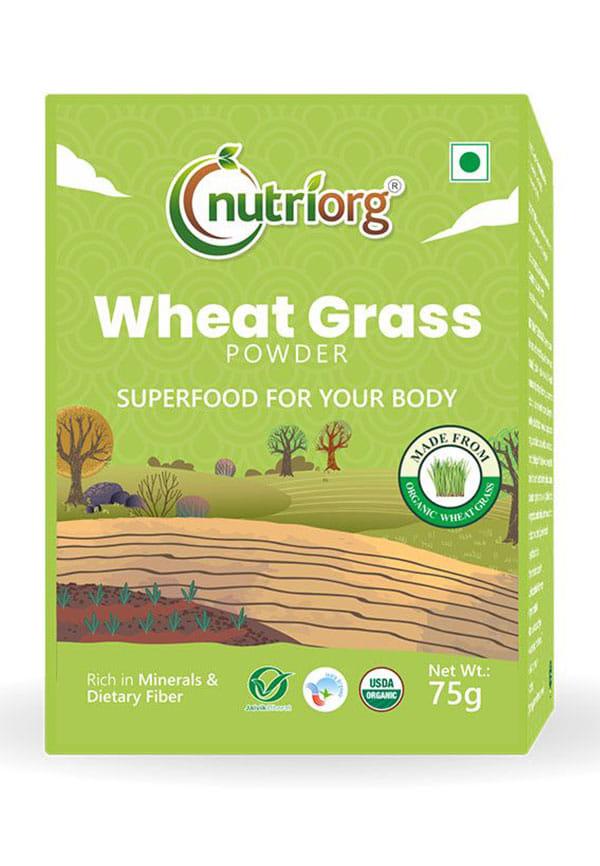
Organic Wheatgrass powder
India's relationship with plant-based nutrition isn't new—it's ancient wisdom meeting modern science. With over 40% of Indians following vegetarian diets, we've always been ahead of the curve when it comes to plant-based protein sources India has to offer. But here's the thing: despite this head start, protein deficiency affects nearly 70% of our population. Real talk, it's time we rediscovered the incredible plant protein India has been cultivating for centuries and learn how to make the most of it.
Let's be real—India isn't just jumping on the plant protein bandwagon; we've been driving it for millennia. Our traditional diet, rich in vegetarian protein foods, has sustained generations. But what makes this moment different is how we're combining age-old wisdom with cutting-edge nutrition science. The numbers tell quite a story. While the global plant protein market is booming, India's domestic production of pulses and legumes makes us uniquely positioned to lead this revolution. We produce over 25 million tonnes of pulses annually, making affordable plant protein accessible to households across economic segments. Environmentally, plant proteins win hands down. They require 75% less water and produce 80% fewer greenhouse gases compared to animal proteins. For a country grappling with water scarcity and climate change, this isn't just smart nutrition—it's sustainable living. Cost-wise, Indian protein rich foods like dal, rajma, and chana offer incredible value. A 100g serving of masoor dal costs roughly ₹8-12 and delivers 7-9g of protein, while the same protein from chicken would cost 3-4 times more.
Navigating the world of plant proteins might seem overwhelming, but India's diverse food landscape offers incredible options. From humble dal to trendy quinoa, there's something for every taste and budget.
Soya chunks top the charts with an impressive 52g protein per 100g—that's more than most meats! They're also incredibly versatile, absorbing flavours beautifully in curries and biryanis. Our beloved dals aren't just comfort food; they're nutritional goldmines. Moong dal offers 7g protein per 100g cooked, while masoor and urad dal provide 8-9g. The beauty of pulses for protein lies in their digestibility and how well they pair with rice for complete amino acid profiles. Chickpeas deserve special mention—whether as chana masala, hummus, or roasted snacks, they deliver 8-10g protein per 100g. Rajma brings 8.5g protein plus that satisfying, hearty texture we all crave.
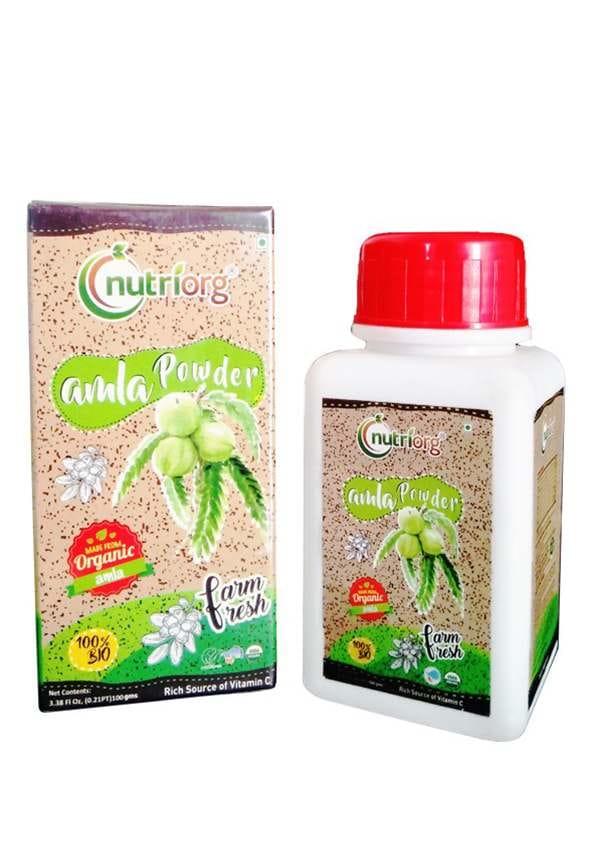
Organic Amla Powder
Paneer remains a vegetarian favourite, packing 18-20g protein per 100g. For those exploring vegan protein sources, tofu offers similar versatility with 8-10g protein per 100g. Greek yoghurt or hung curd provides 10g protein per 100g, plus probiotics for gut health. Soy milk, with 7g protein per cup, makes an excellent base for smoothies or chai.
Peanuts are the unsung heroes of affordable plant protein—26g per 100g at pocket-friendly prices. Almonds offer 21g protein per 100g, though they're pricier. Chia seeds and pumpkin seeds might be trendy, but they're worth the hype for their protein density and omega-3 content. Quinoa and amaranth (rajgira) provide complete proteins, making them excellent for high protein Indian meals.
Meeting your daily protein needs through vegetarian protein foods is absolutely doable with smart planning. The key lies in understanding protein combining and spreading intake throughout the day. A typical day might start with a protein-rich breakfast: 2 slices of multigrain bread with 2 tbsp peanut butter (15g protein) plus a glass of soy milk (7g protein). That's 22g before 9 AM! Lunch could feature rajma chawal—1 cup rajma with rice provides about 18g protein when combined. The magic happens because rice and beans together form a complete protein profile, giving you all essential amino acids. For a protein rich vegetarian diet, sprouting is your secret weapon. Sprouted moong or chana increases protein bioavailability by 20-30%. A cup of sprouted chana salad with vegetables delivers 12-15g protein plus vitamins and minerals. Evening snacks matter too. A handful of roasted peanuts (10g protein) or a glass of lassi made with hung curd (8g protein) keeps you on track. Dinner might include dal tadka with roti—2 rotis with 1 cup dal provides roughly 15g protein. Add some paneer bhurji (10g protein per 50g paneer), and you've easily crossed 70g for the day.
Budget shouldn't be a barrier to good nutrition. India's agricultural diversity means affordable plant protein options are available year-round, though prices fluctuate seasonally. Moong dal, often the most budget-friendly option, costs ₹80-120 per kg and provides excellent protein value. Buying in bulk during harvest season (October-December) can save 20-30% on annual pulse purchases. Local markets often offer better deals than supermarkets. Regional varieties like horse gram (kulthi) in Maharashtra or black gram (urad) in Punjab provide excellent protein at lower costs than imported alternatives. Seasonal eating makes financial sense too. Chickpeas are cheapest during winter months, while summer brings affordable peanuts. Planning meals around seasonal availability keeps costs down while maximising nutrition. Storage matters for bulk buying. Proper storage in airtight containers with neem leaves or bay leaves prevents pest damage, protecting your investment in Indian protein rich foods.
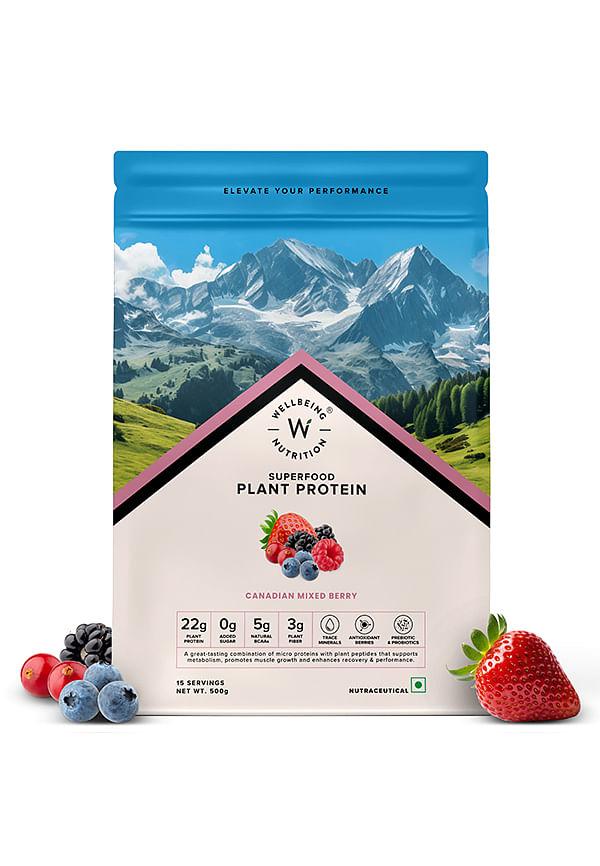
Organic Vegan Plant Protein Isolate Powder
The complete protein debate often confuses people exploring vegan protein sources. While most plant proteins are incomplete individually, combining them strategically creates complete amino acid profiles. Quinoa and amaranth stand out as naturally complete proteins, containing all nine essential amino acids. Though pricier than traditional grains, their nutritional density justifies the cost for many health-conscious consumers. Soy products—tofu, tempeh, and soy chunks—provide complete proteins too. They're particularly valuable for vegans seeking best plant based protein options that don't require combining. The classic rice-and-dal combination works because rice provides methionine while dal offers lysine—together, they create a complete protein. This principle applies to other combinations: rajma with rice, chana with wheat, or peanuts with rice. Timing matters less than total daily intake. Your body pools amino acids throughout the day, so you don't need complete proteins at every meal—just ensure variety across the day.
Plant proteins offer unique advantages for weight management that animal proteins can't match. They're typically lower in calories and higher in fibre, promoting satiety while supporting healthy digestion. High protein Indian meals built around plant sources naturally include complex carbohydrates and fibre, stabilising blood sugar and reducing cravings. A bowl of dal with vegetables provides sustained energy without the blood sugar spikes of processed foods. Legumes deserve special mention for weight management. Their high fibre content slows digestion, keeping you full longer. Studies show people eating legume-rich diets tend to have lower BMIs and better weight maintenance. For active individuals, plant proteins support recovery just as effectively as animal proteins when total intake is adequate. The anti-inflammatory compounds in plants may even enhance recovery compared to animal sources. Meal timing with plant proteins works differently than with animal proteins. Since plant proteins digest more slowly, eating them earlier in the day provides sustained energy, while lighter plant proteins like sprouted salads work well for dinner. Smytten's wellness category includes various protein-rich snacks and supplements that complement a plant-based approach. With over 1,500 trusted brands available for trial, you can explore different protein products before committing to full-size purchases. The platform's Trial Points system makes discovering your ideal protein supplements both affordable and risk-free.
Soya chunks lead with 52g protein per 100g, followed by peanuts at 26g per 100g. Among traditional foods, black gram (urad dal) and horse gram (kulthi) offer the highest protein density at 9-10g per 100g cooked.
Plant proteins are slightly less bioavailable than animal proteins, but combining different plant sources throughout the day easily compensates. Plant proteins come with added benefits like fibre, antioxidants, and lower environmental impact.
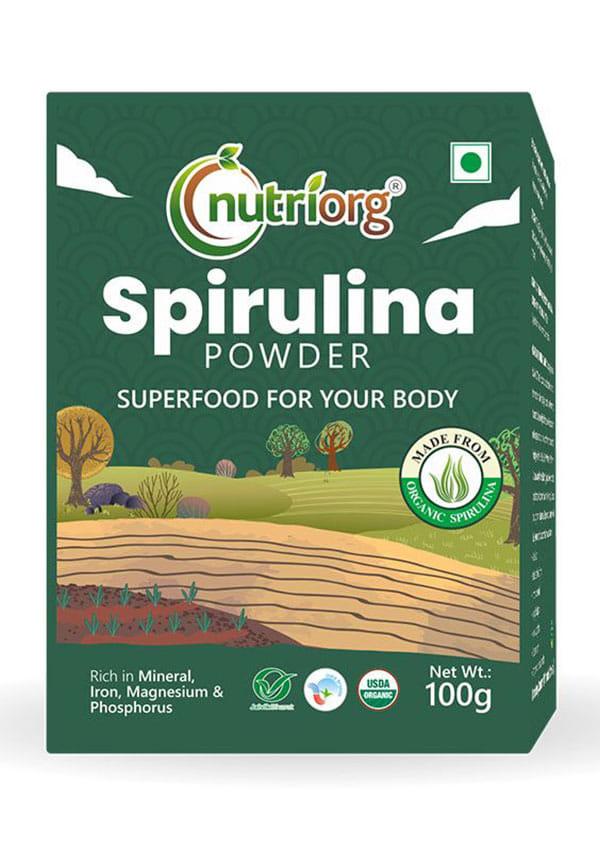
Organic Spirulina Powder
Absolutely. Children need 1-1.2g protein per kg body weight, easily achievable through varied plant sources. Focus on calorie-dense options like nut butters, dal, and paneer to meet both protein and energy needs.
For most people, whole food sources provide adequate protein. Supplements might help athletes or those with very high protein needs, but traditional Indian foods typically meet requirements when planned properly.
Moong dal, peanuts, and seasonal legumes offer the best protein-per-rupee value. Sprouting increases protein bioavailability without additional cost, making it an excellent budget strategy.
India's plant protein revolution isn't about abandoning tradition—it's about rediscovering the nutritional wisdom embedded in our food culture. From humble dal to trendy quinoa, plant-based protein sources India offers are diverse, affordable, and environmentally sustainable. The key to success lies in variety and smart combining. Whether you're exploring vegan protein sources or simply wanting to optimise your protein rich vegetarian diet, India's agricultural bounty provides endless options. Remember, good nutrition is about consistency, not perfection. Start with familiar foods like dal and rajma, then gradually explore new options. With platforms like Smytten making it easier to discover and trial new wellness products, you can experiment with protein supplements and health foods without the commitment of full-size purchases. After all, why settle for 'maybe' when you can #TryItAll and find what truly works for your body and lifestyle?
