Plant Protein Revolution: Expert Insights Revealed

Plant Protein Revolution: Expert Insights Revealed
Published Date - 6 August 2025
Sweet Dreams Chamomile Tea, Calming Tea, Relieves Soothing Sleep Tea for Stress and Anxiety16 Tea Bag

TGL Co.

Sweet Dreams Chamomile Tea, Calming Tea, Relieves Soothing Sleep Tea for Stress and Anxiety

399
Right, let's have a proper chat about plant protein. It's not just another wellness trend that'll vanish next season—this is a proper game-changer in how we think about nutrition. Whether you're already team plant-based or just curious about what all the fuss is about, understanding plant protein sources can completely transform your approach to eating well. From legumes and beans that pack a serious protein punch to innovative pea protein powder options, the world of plant-based nutrition has so much more to offer than you might think.

The Rise of Plant Protein: A Paradigm Shift in Nutrition

Real talk—plant protein isn't just having a moment; it's reshaping how we approach our entire relationship with food. What started as a niche movement has exploded into a mainstream revolution that's caught the attention of nutritionists, chefs, and everyday people looking for better ways to fuel their bodies. This shift isn't happening in a vacuum either—it's driven by some pretty compelling reasons that make perfect sense when you dig into them.

Health Benefits Driving the Trend

The health perks of incorporating more vegetarian protein options into your diet are honestly impressive. Studies consistently show that plant-based diets can help reduce inflammation, support heart health, and even contribute to better digestive wellness. Plus, many plant proteins come bundled with fibre, antioxidants, and essential vitamins that animal proteins simply can't match.

Environmental Sustainability: A Key Factor

Here's where things get really interesting—choosing plant proteins over animal-based options can significantly reduce your carbon footprint. The environmental impact of producing plant-based nutrition sources is generally much lower, requiring less water, land, and energy. It's your kind of win-win situation where being good to your body also means being good to the planet.

Ethical Considerations in Protein Choices

For many people, the ethical aspect of food choices plays a huge role in their shift towards plant protein sources. It's about aligning your values with your plate, creating a sense of harmony between what you believe and how you nourish yourself.

Comprehensive Guide to Plant Protein Sources

Let's get into the good stuff—the actual foods that'll become your new protein heroes. The variety available might surprise you, and honestly, once you start exploring these options, you'll wonder why it took you so long to discover them. Each source brings something unique to the table, both nutritionally and flavour-wise.

Legumes and Beans: The Protein Powerhouses

Lentils, chickpeas, black beans, kidney beans—these little powerhouses are absolute legends in the plant protein world. A single cup of cooked lentils delivers around 18 grams of protein, plus they're incredibly versatile. You can throw them into curries, salads, soups, or even blend them into burger patties.

Soy Products: Versatile and Nutrient-Dense Options
Sleep Buddy Insomnia Relief Roll-On9 ml

Herb Tantra

Sleep Buddy Insomnia Relief Roll-On

390
Tofu, tempeh, and edamame represent some of the most complete plant proteins available. They contain all nine essential amino acids your body needs, making them particularly valuable for anyone following a plant-based diet. The beauty of soy products lies in their adaptability—they take on whatever flavours you pair them with.

Quinoa: The Complete Protein Grain

The quinoa benefits go way beyond just protein content. This ancient grain provides all essential amino acids whilst also delivering complex carbohydrates and important minerals. It's fluffy, nutty, and works brilliantly in both sweet and savoury dishes.

Nuts and Seeds: Protein-Packed Snacks and Ingredients

Almonds, walnuts, chia seeds, hemp hearts—these tiny nutritional bombs are perfect for adding protein to smoothies, yogurts, or just munching on their own. They're portable, satisfying, and offer healthy fats alongside their protein content.

Whole Grains: Unexpected Protein Sources

Whole grain protein sources like brown rice, oats, and barley might not be the first things that come to mind when you think protein, but they contribute meaningful amounts to your daily intake. When combined with other plant proteins, they help create complete amino acid profiles.

The Science Behind Plant Protein: Debunking Myths

Time to tackle some misconceptions that have been floating around for ages. The science on plant proteins has come a long way, and frankly, some of the old beliefs about plant-based nutrition just don't hold water anymore. Let's look at what the research actually tells us.

Amino Acid Profiles: Complete vs. Incomplete Proteins

The whole "incomplete protein" narrative around plant foods is a bit outdated. While it's true that most individual plant foods don't contain all nine essential amino acids in optimal ratios, your body is pretty clever at combining amino acids from different meals throughout the day.

Digestibility and Bioavailability of Plant Proteins

Modern processing techniques have significantly improved how well our bodies can use plant proteins. Many plant protein powders now have digestibility scores comparable to animal proteins, especially when properly processed and combined.

Plant Protein and Muscle Building: What Research Says

Zznooze Roll On For Better Sleep quality9 ml

Herb Tantra

Zznooze Roll On For Better Sleep quality

390
Studies comparing plant versus animal proteins for muscle building show surprisingly similar results when total protein intake is adequate. The key is consuming enough variety and quantity—something that's totally achievable with a well-planned plant-based approach.

Innovative Plant Protein Products Shaping the Market

The innovation happening in the plant protein space right now is honestly mind-blowing. Food scientists and entrepreneurs are creating products that would have seemed impossible just a few years ago. These developments are making it easier than ever to incorporate plant proteins into your routine.

Pea Protein Powder: The Rising Star

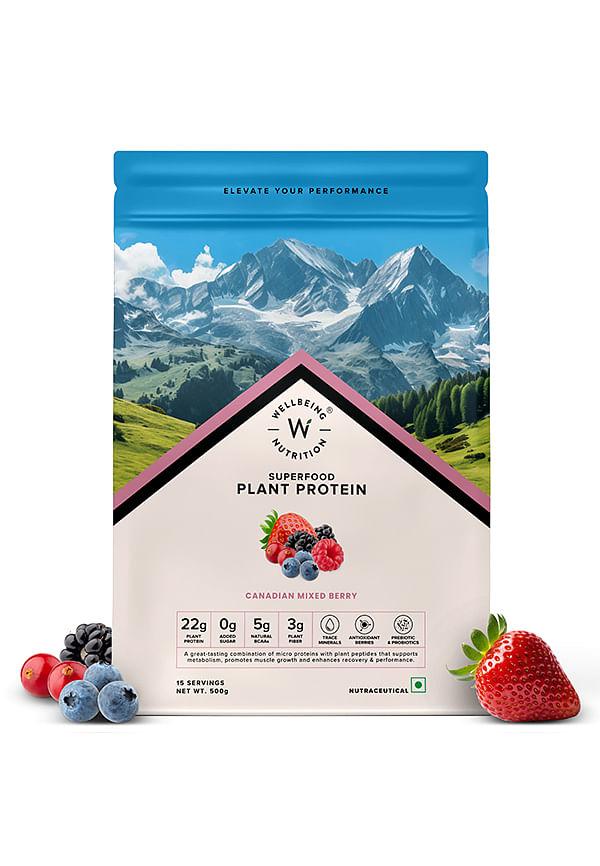
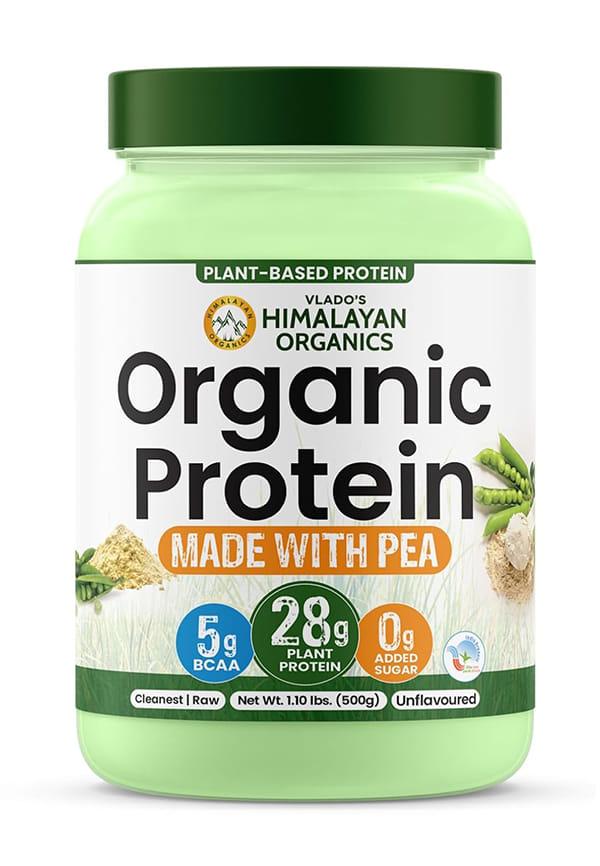
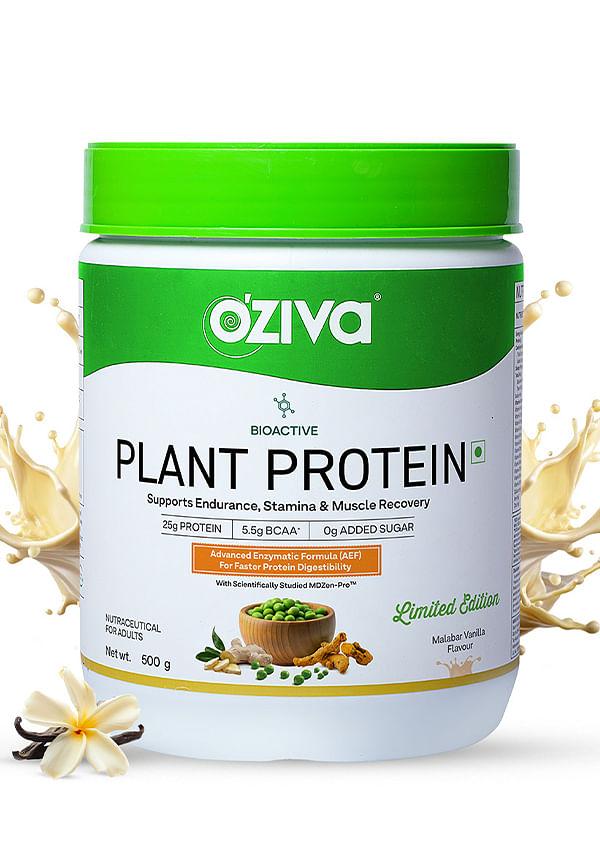
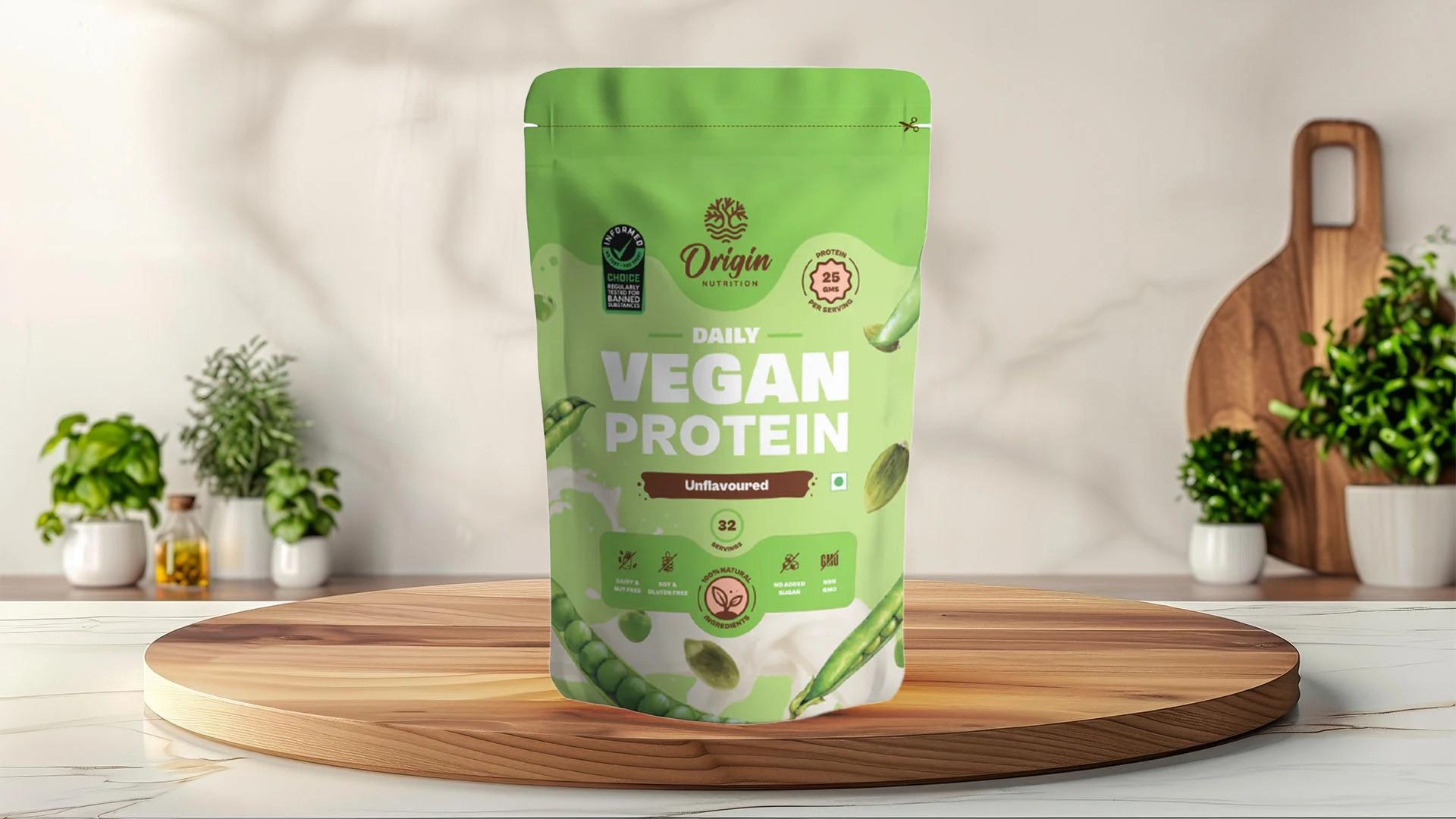
Pea protein powder has emerged as a serious contender in the supplement world. It's easily digestible, allergen-friendly, and mixes well into smoothies and baked goods. Many people find it gentler on their stomachs compared to other protein powders.

Plant-Based Meat Alternatives: Beyond the Burger

The texture and flavour improvements in plant-based meat alternatives have been remarkable. These products make transitioning to more plant proteins feel less like a sacrifice and more like an exciting culinary adventure.

Dairy-Free Protein Options: From Milk to Yogurt

Plant-based milks and yogurts fortified with protein are creating new ways to incorporate vegan protein sources into everyday meals. Options made from pea, oat, and almond bases offer different flavours and nutritional profiles to suit various preferences.

The Future of Plant Protein: Trends and Predictions

Looking ahead, the plant protein landscape is set for even more exciting developments. Industry experts are buzzing about innovations that could completely transform how we think about protein production and consumption. These aren't just pipe dreams—many are already in development stages.

Emerging Plant Protein Sources to Watch

Researchers are exploring proteins from algae, insects, and lesser-known plants that could offer even better nutritional profiles. These emerging sources might become mainstream options in the coming years.

Technological Advancements in Plant Protein Production

Chamomile Herbal Infusion, Herbal Tea for Excellent Sleep50 gm

Chai Craft

Chamomile Herbal Infusion, Herbal Tea for Excellent Sleep

5495 % OFF
522
Fermentation technologies and cellular agriculture are opening up possibilities for creating plant proteins with improved taste, texture, and nutritional completeness. These advances could make plant proteins even more appealing to mainstream consumers.

Frequently Asked Questions

Is plant protein as effective as animal protein for muscle building?

When consumed in adequate amounts with proper variety, plant proteins can be just as effective for muscle building. The key is ensuring you get enough total protein and all essential amino acids throughout the day.

Can I get all essential amino acids from plant-based sources?

Absolutely. By eating a variety of plant proteins throughout the day—think legumes, grains, nuts, and seeds—your body can easily get all nine essential amino acids it needs.

Are there any potential side effects of consuming plant protein powders?

Most people tolerate plant protein powders well, though some might experience mild digestive changes when first introducing them. Starting with smaller amounts and gradually increasing can help your system adjust.

How does plant protein compare to whey protein in terms of nutritional value?

While whey protein has a complete amino acid profile, many plant proteins can match or exceed its nutritional value when properly combined. Plus, plant proteins often come with additional benefits like fibre and antioxidants.

What are the best plant protein options for athletes and fitness enthusiasts?

Pea protein powder, hemp seeds, quinoa, and legumes are excellent choices for active individuals. These provide high-quality protein along with other nutrients that support recovery and performance.

Key Takeaways

The plant protein revolution isn't just changing what's on our plates—it's reshaping our entire approach to nutrition and sustainability. From traditional legumes and beans to innovative pea protein powders, the options for incorporating high-quality plant proteins into your diet have never been more varied or accessible. Whether you're looking to reduce your environmental impact, explore new flavours, or simply diversify your protein sources, plant-based options offer a world of possibilities worth exploring. The science backs up what many have discovered through experience: plant proteins can absolutely meet your nutritional needs whilst contributing to a more sustainable food system.
Sangria Experience Logo
Document