Period Hygiene Tips India: Your FAQ Guide
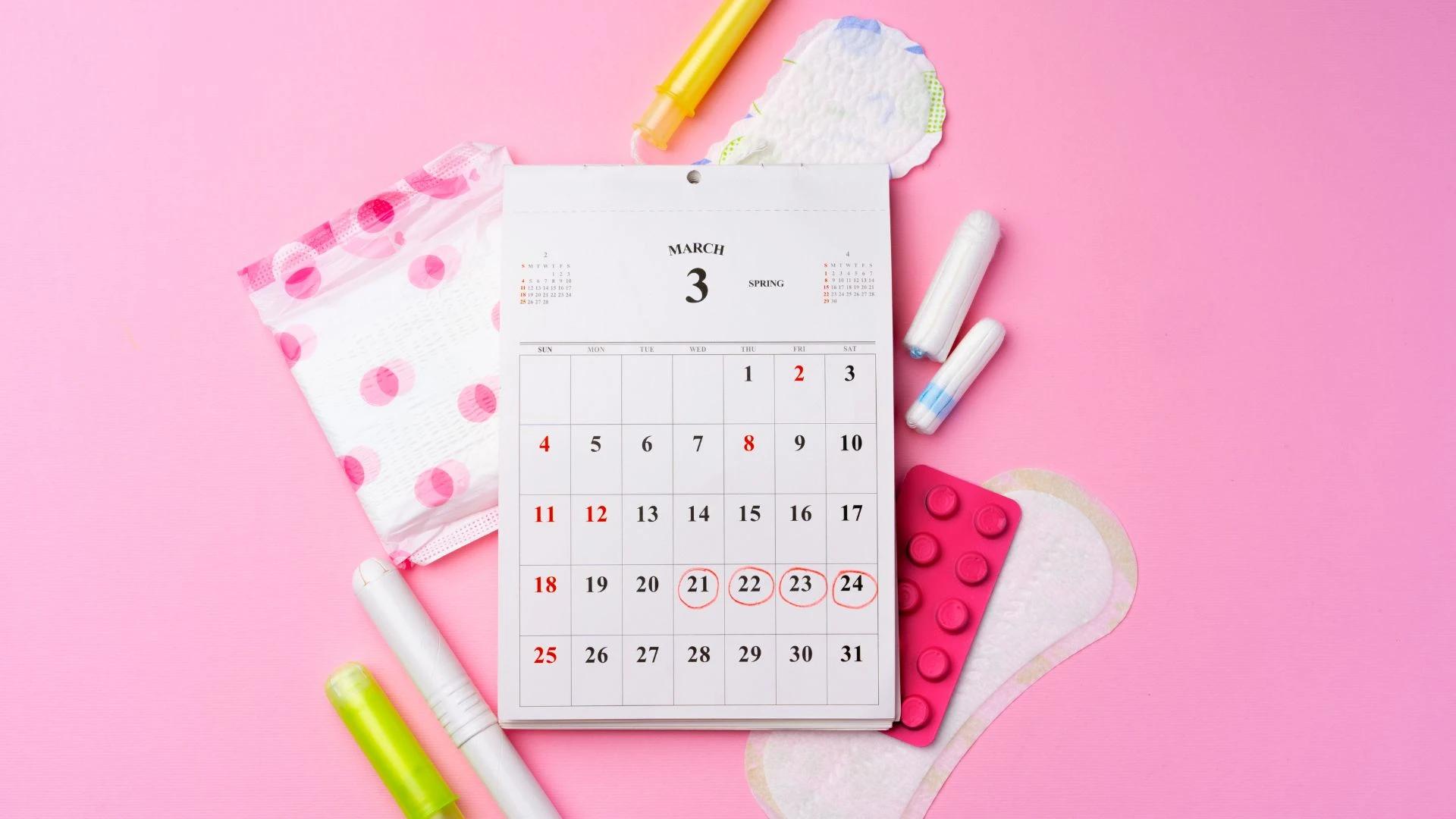

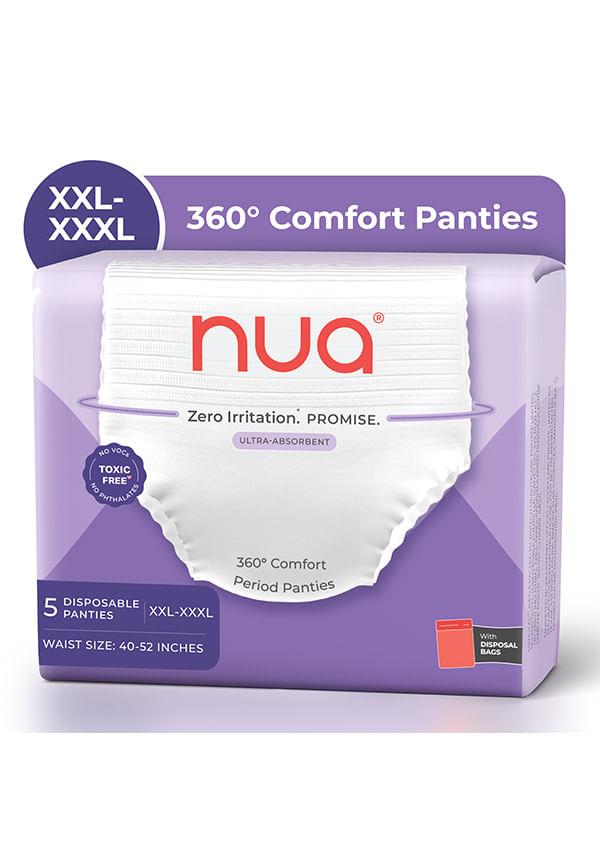
Nua 360° Comfort Period Panties (XXL-XXXL) | Pack of 5
Let's be real—periods are a natural part of life, but navigating menstrual hygiene in India comes with its own set of challenges. From choosing the right products to maintaining proper hygiene in our diverse climate, there's a lot to consider. Whether you're a student dealing with your first period or someone looking to upgrade your menstrual care routine, this guide covers everything you need to know about staying healthy and comfortable during that time of the month. We've gathered the most practical period hygiene tips India specifically, addressing common concerns and cultural considerations that matter to Indian women.
Maintaining proper menstrual hygiene in India requires understanding both universal best practices and region-specific considerations. Our climate, water quality, and lifestyle factors all play a role in how we approach period care.
The humid climate in many parts of India makes it crucial to change your menstrual products more frequently than you might in cooler, drier regions. Aim to change pads every 3-4 hours, even if they don't seem completely soaked. This prevents bacterial growth that thrives in warm, moist conditions.
Your regular routine needs a few tweaks during periods. Shower daily with lukewarm water, focusing on gentle cleansing of the external genital area. Avoid using harsh soaps or scented products that can disrupt your natural pH balance.
Always wash your hands thoroughly before and after changing menstrual products. This simple step prevents the transfer of bacteria and reduces infection risk. Keep hand sanitiser handy when clean water isn't available, especially in public spaces.
With so many period hygiene products available in India today, making the right choice can feel overwhelming. Understanding your options helps you make informed decisions based on your lifestyle, budget, and comfort level.
Sanitary pads remain the most popular choice in India due to cultural comfort and ease of use. Look for pads with good absorption and breathable top sheets. Tampons offer more freedom for activities like swimming but require proper insertion technique. Menstrual cups are eco-friendly and cost-effective long-term, though they need a learning curve.
Always choose products that meet Indian safety standards. Check for proper packaging, expiry dates, and certifications. Avoid products with strong fragrances or chemicals that might cause irritation, especially if you have sensitive skin.
Quality period care doesn't have to break the bank. Many Indian brands offer reliable, affordable options. Consider cloth pads as a reusable alternative, or look for bulk purchase deals on your preferred products to save money.
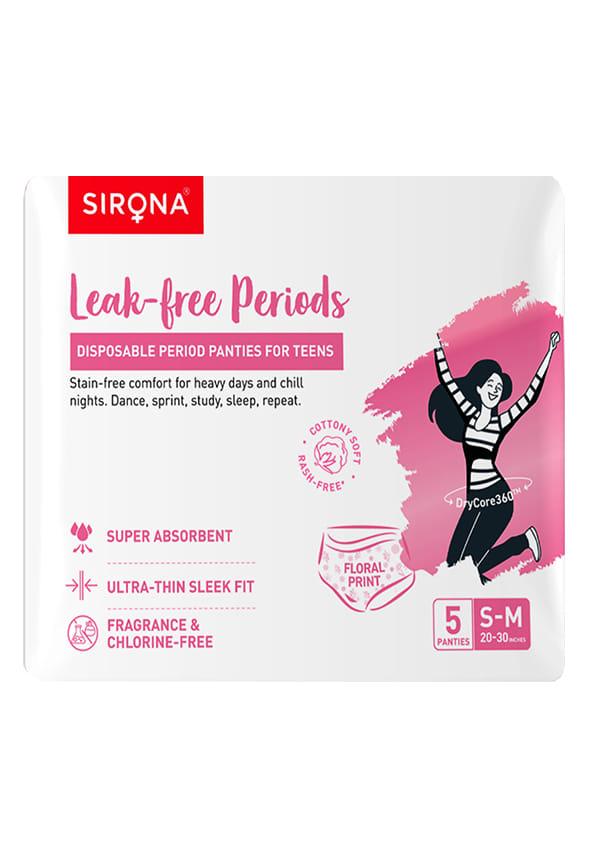
Disposable Teens Period Pants | Period Panty for Teens | Leak-proof Protection | Super Absorbent & Comfortable | Available in Cute Floral Design
Proper intimate hygiene during menstruation goes beyond just changing products regularly. It's about maintaining the delicate balance of your intimate area while dealing with the additional challenges periods bring.
Wash your intimate area from front to back using plain water or a mild, pH-balanced cleanser. Avoid douching or using strong soaps inside the vagina, as this can disrupt natural bacteria and lead to infections.
Your vaginal pH naturally becomes more alkaline during periods. Support your body's natural balance by avoiding harsh chemicals and choosing cotton underwear that allows proper air circulation.
India's varied climate zones require different approaches. In humid coastal areas, change products more frequently and ensure thorough drying after washing. In drier regions, focus on maintaining moisture balance without over-washing.
Understanding when to change menstrual products and recognising warning signs helps you maintain optimal hygiene throughout your cycle. The 7-2-1 rule provides a helpful framework for heavy flow days.
The 7-2-1 rule suggests that if you're soaking through a pad or tampon every hour for 7 consecutive hours, or passing clots larger than 2 cm, or bleeding for more than 1 week, you should consult a healthcare provider. This rule helps identify when heavy bleeding might need medical attention.
Change pads every 3-4 hours during regular flow and every 2-3 hours during heavy flow. Tampons should be changed every 4-6 hours maximum to prevent toxic shock syndrome. Never leave any menstrual product in place for more than 8 hours.
Watch for signs like unusual odour, severe cramping, fever, or bleeding between periods. These could indicate infections or other health issues that need professional attention.
Every woman faces period-related challenges at some point. Knowing how to address common issues can make your menstrual experience more comfortable and manageable.
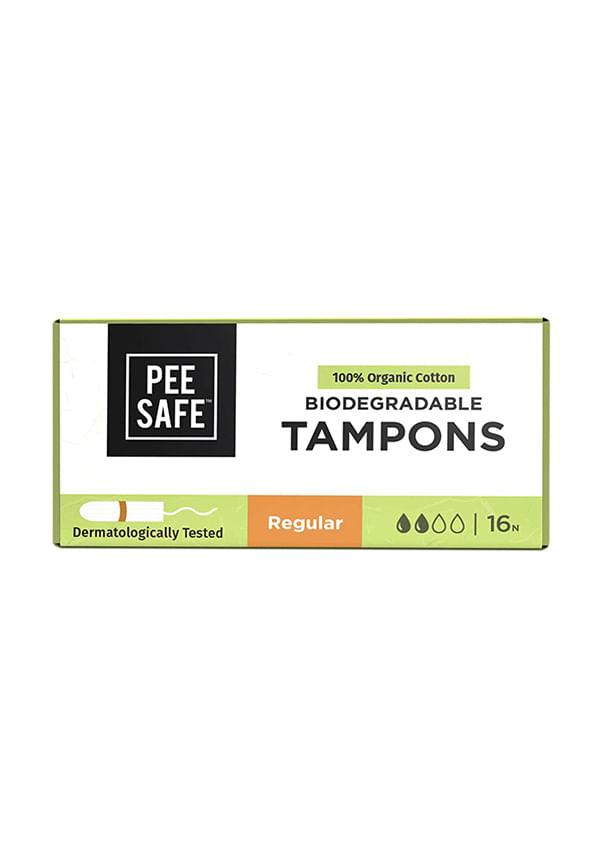
Pee Safe Cotton Tampons (Regular) For Light to Medium - Comfortable & Rash Free Period Protection (16Pcs)
Heavy periods are common but manageable. Use overnight pads during the day if needed, consider double protection with a tampon and pad, and track your flow patterns to better prepare for heavy days.
Heat therapy works wonders for cramps—try a hot water bottle or heating pad. Gentle exercise like walking or yoga can also help. Over-the-counter pain relievers can provide relief when natural methods aren't enough.
Change products regularly, keep the area clean and dry, and choose breathable materials. If you're prone to rashes, consider switching to organic cotton products or trying different brands to find what works best for your skin.
Traditional remedies like ginger tea for nausea, turmeric milk for inflammation, and fenugreek seeds for cramp relief have been used for generations. While these can be helpful, always consult a healthcare provider for persistent issues.
Your overall wellness during periods extends far beyond hygiene practices. What you eat, how you move, and how you rest all impact your menstrual experience and general health.
Include iron-rich foods like spinach, lentils, and jaggery to combat fatigue. Calcium from dairy products or sesame seeds helps with cramps. Avoid excessive caffeine and processed foods that can worsen bloating and mood swings.
Drink plenty of water to help reduce bloating and support your body's natural detox processes. Herbal teas like chamomile or peppermint can provide additional comfort and hydration.
Gentle movement helps with cramps and mood. Try yoga poses like child's pose or cat-cow stretches. Light walking or swimming can also provide relief without overexerting yourself.
Prioritise 7-8 hours of quality sleep during your period. Use comfortable sleepwear and consider sleeping on your side with a pillow between your knees to reduce back pain.
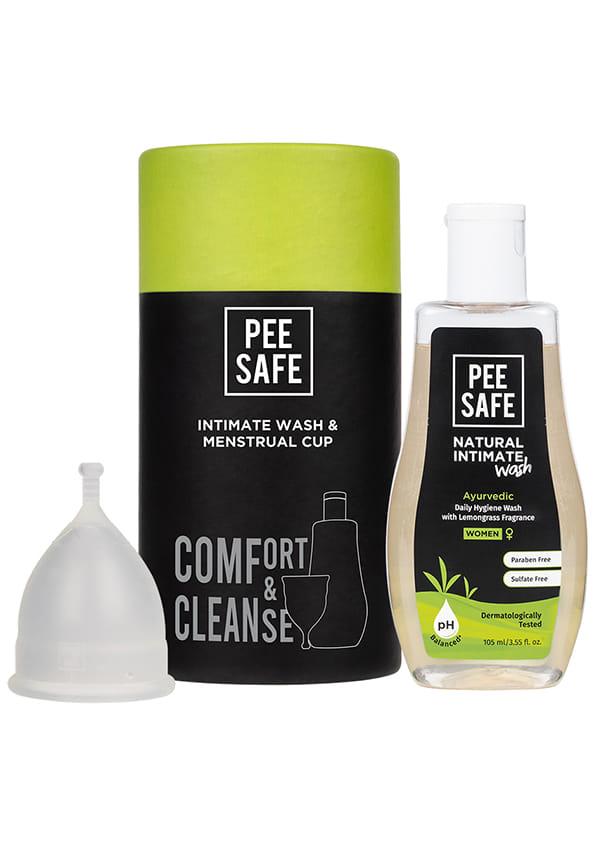
Pee Safe Period Care Combo- Menstrual Cup (Large) & Intimate Wash Women 105 ml
Change your pad every 3-4 hours during normal flow and every 2-3 hours during heavy flow. Never wear the same pad for more than 6 hours, regardless of flow, to prevent bacterial growth and odour.
Yes, tampons are safe when used correctly. Change them every 4-6 hours maximum, choose the right absorbency for your flow, and always wash your hands before insertion. The humid climate doesn't affect tampon safety if you follow proper hygiene.
Absolutely! This is a common myth with no scientific basis. Maintain your regular hygiene routine, including hair washing, during your period. Clean hair actually contributes to overall hygiene and comfort.
Keep emergency supplies in your bag—a pad, extra underwear, and wet wipes. If caught without supplies, fold toilet paper as a temporary solution and ask other women for help. Most are happy to share period products in emergencies.
Menstrual cups are very hygienic when used properly. Sterilise before first use and between cycles, wash with clean water when emptying, and ensure your hands are clean during handling. They're actually more eco-friendly and cost-effective than disposable products.
Pack extra supplies, carry wet wipes for cleaning when water isn't available, and research restroom facilities along your route. Consider using tampons or cups for longer journeys where changing facilities might be limited.
Limit excessive salt, caffeine, and processed foods that can worsen bloating and cramps. Avoid very spicy foods if you're prone to digestive issues during periods. Focus on balanced, nutritious meals instead.
Consult a healthcare provider if you experience severe pain that interferes with daily activities, bleeding that soaks through a pad every hour for several hours, periods lasting longer than 7 days, or any unusual symptoms like fever or foul odour.
Maintaining proper period hygiene in India doesn't have to be complicated. Focus on regular product changes, gentle cleansing, and listening to your body's needs. Remember that every woman's experience is different, so find what works best for you through trial and gentle experimentation.
When it comes to trying new period care products, platforms like Smytten make it easier to discover what works for your body without committing to full-size purchases. With trial packs from trusted wellness brands, you can explore different options for period comfort and hygiene. Whether you're looking for organic pads, pH-balanced intimate washes, or natural pain relief products, having the option to try before you buy takes the guesswork out of period care. After all, your comfort during periods is too important to settle for products that don't quite fit your needs.
