PCOS Management Supplements FAQ: Your Questions Answered


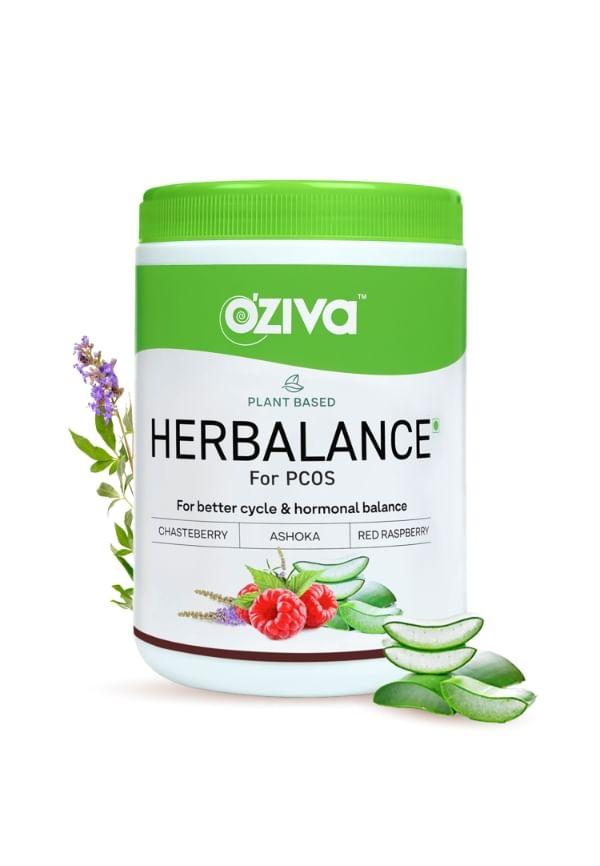
Plant based HerBalance for PCOS for Better Menstrual Cycle and Hormonal Balance
Living with PCOS can feel like navigating a maze without a map, especially when it comes to understanding PCOS management supplements for wellness. You've probably scrolled through countless forums, read conflicting advice, and wondered which supplements actually work for hormonal balance. The truth is, PCOS affects every woman differently, and what works for your friend might not be your perfect match. That's where smart supplementation comes in—not as a magic fix, but as part of a thoughtful approach to managing symptoms naturally. Whether you're dealing with irregular periods, stubborn weight gain, or fertility concerns, the right combination of vitamins, minerals, and herbal remedies can make a real difference. But here's the thing: with so many options available on platforms like Smytten, knowing where to start can feel overwhelming. Let's break down the most common questions about PCOS supplements and give you the clarity you need to make informed choices for your wellness journey.
Inositol, vitamin D, and omega-3s are the most research-backed PCOS supplements for hormonal balance
Natural PCOS management strategies work best when supplements are combined with anti-inflammatory diet and lifestyle changes
Different vitamins target specific PCOS symptoms—from irregular periods to insulin resistance
Herbal remedies like spearmint and cinnamon can complement traditional supplements safely
Always consult healthcare providers before starting any supplement protocol for PCOS management
When it comes to PCOS supplements for hormonal balance, research consistently points to a few standout options that can genuinely make a difference. Think of these as your core team—each one tackles different aspects of PCOS to help restore balance naturally.
Inositol, particularly myo-inositol, is often called the gold standard for PCOS management. This vitamin-like substance helps improve insulin sensitivity, which is crucial since up to 70% of women with PCOS have insulin resistance. Studies show that taking 2-4 grams daily can help regulate menstrual cycles and improve ovulation rates.
Most women with PCOS are deficient in vitamin D, and this deficiency can worsen insulin resistance and hormone imbalances. Research suggests that maintaining optimal vitamin D levels (around 30-50 ng/mL) can improve menstrual regularity and support fertility. The typical dose ranges from 1000-4000 IU daily, but testing your levels first is essential.
Chronic inflammation is a hallmark of PCOS, and omega-3s from fish oil or algae sources can help reduce this inflammation whilst supporting healthy hormone production. Look for supplements providing 1-2 grams of combined EPA and DHA daily. These essential fats also support heart health, which is particularly important for women with PCOS who have increased cardiovascular risk.
Magnesium plays a crucial role in insulin metabolism and stress management—two key areas of concern for PCOS. This mineral can help improve sleep quality, reduce anxiety, and support healthy blood sugar levels. Magnesium glycinate is often the best-tolerated form, with doses ranging from 200-400mg daily.
Managing PCOS naturally isn't just about popping pills—it's about creating a holistic approach where supplements work alongside lifestyle changes to maximise your results. Think of supplements as the supporting cast in your PCOS management story, not the lead actor.
Your diet forms the foundation of natural PCOS management strategies. Focus on whole foods rich in antioxidants, healthy fats, and fibre whilst limiting processed foods and added sugars. This approach naturally reduces inflammation, making your supplements more effective. Foods like leafy greens, berries, fatty fish, and nuts create the perfect environment for supplements to work their magic.
Poor sleep and chronic stress can sabotage even the best supplement routine. Aim for 7-9 hours of quality sleep and incorporate stress-reduction techniques like meditation or yoga. When your cortisol levels are balanced, supplements like inositol and magnesium can work more effectively to regulate your hormones.
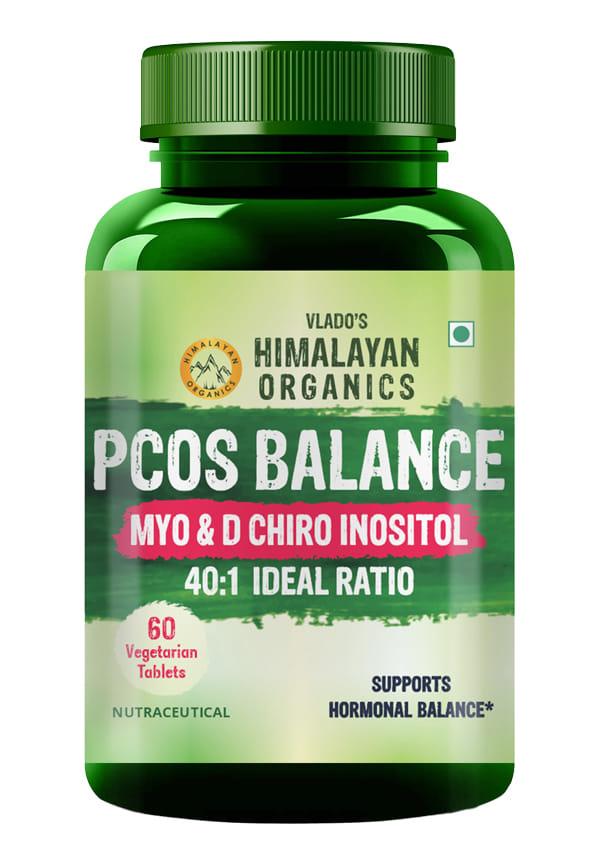
Vlado's Himalayan Organics PCOS Multivitamin Supplement 2000mg Myo-Inositol
Exercise doesn't have to be intense to be effective for PCOS. Regular moderate activity like walking, swimming, or strength training helps improve insulin sensitivity and supports the benefits of your supplements. The key is consistency rather than intensity—your body responds better to gentle, regular movement than sporadic intense workouts.
Different PCOS symptoms respond to different vitamins for PCOS, so targeting your supplement routine to your specific concerns can help you see better results. Let's break down which supplements work best for common PCOS challenges.
If your periods are playing hide and seek, a combination of inositol, folate, and vitamin D can help restore regularity. Inositol helps improve ovulation, whilst folate supports healthy cell division and hormone production. Many women see improvements in cycle length and regularity within 3-6 months of consistent use.
Elevated testosterone levels can cause unwanted hair growth and acne. Spearmint tea (2 cups daily) has been shown to reduce testosterone levels naturally. Zinc supplementation (15-30mg daily) can also help by supporting healthy hormone metabolism and reducing inflammation.
Berberine, often called "nature's metformin," can be incredibly effective for improving insulin sensitivity. Studies show it can be as effective as prescription medications for managing blood sugar. Alpha-lipoic acid and chromium are also valuable additions for supporting healthy glucose metabolism.
L-carnitine can help your body burn fat more efficiently, whilst green tea extract provides gentle metabolic support. These work best when combined with a balanced diet and regular movement—they're not magic weight loss pills, but they can give your efforts a helpful boost.
Your diet and PCOS wellness routine can make or break your supplement success. It's not just about what you take—it's about when you take it, what you eat with it, and how you support your body's ability to absorb and use these nutrients effectively.
Fat-soluble vitamins like vitamin D work best when taken with meals containing healthy fats. Magnesium is often better absorbed in the evening and can support better sleep. Iron supplements should be taken away from calcium and coffee to maximise absorption. These small timing tweaks can significantly impact how well your supplements work.
Certain foods can boost the effectiveness of your PCOS supplements. Turmeric enhances the absorption of fat-soluble vitamins, whilst vitamin C-rich foods help with iron absorption. Probiotic-rich foods like yoghurt and kefir support gut health, which is crucial for nutrient absorption and hormone balance.
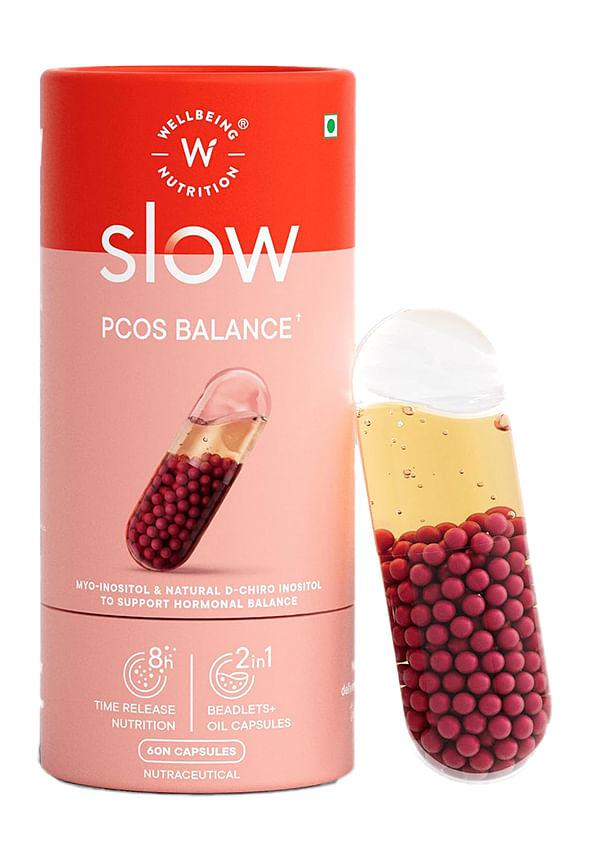
Slow PCOS Supplement for Women | Caronositol, Myo-inositol, Vitamins
Your overall PCOS nutrition and lifestyle approach should complement your supplements, not compete with them. This means focusing on balanced meals that stabilise blood sugar, staying hydrated to support kidney function and nutrient transport, and avoiding excessive alcohol which can interfere with vitamin absorption and hormone metabolism.
Herbal remedies for PCOS have been used for centuries, and modern research is catching up to validate many traditional uses. However, "natural" doesn't automatically mean safe, so understanding both the benefits and potential risks is crucial for making informed decisions.
Adaptogens like ashwagandha and rhodiola can help your body manage stress more effectively, which is particularly important for PCOS since chronic stress can worsen insulin resistance and hormone imbalances. These herbs work gradually, often taking 4-8 weeks to show full effects.
Vitex (chasteberry) has a long history of use for menstrual irregularities. It works by supporting healthy prolactin levels and may help regulate cycles naturally. However, it can take 3-6 months to see results, and it may interact with hormonal medications.
Ceylon cinnamon extract can help improve insulin sensitivity and glucose metabolism. Unlike cassia cinnamon, Ceylon cinnamon is lower in coumarin, making it safer for long-term use. Studies suggest 1-3 grams daily can provide metabolic benefits.
Always choose standardised herbal extracts from reputable manufacturers. Look for third-party testing and avoid products with unnecessary fillers or additives. Some herbs can interact with medications or may not be suitable during pregnancy, so professional guidance is essential.
Creating an effective supplement routine for PCOS isn't about taking everything at once—it's about choosing the right combination for your specific needs and symptoms. A strategic approach will save you money and give you better results than a scattered shotgun method.
Start with the basics: a good quality multivitamin, vitamin D (if deficient), and omega-3s. Then add targeted supplements based on your primary concerns. If irregular periods are your main issue, prioritise inositol and folate. If insulin resistance is the problem, consider berberine or alpha-lipoic acid.
Some supplements can interact with each other or with medications. Iron can interfere with zinc absorption, whilst high doses of vitamin E can affect blood clotting. Keep a supplement diary and share it with your healthcare provider to identify potential issues before they become problems.
Third-party testing, proper dosing, and minimal fillers are non-negotiable quality markers. Look for supplements that list the specific form of nutrients (like "magnesium glycinate" rather than just "magnesium") and avoid products with artificial colours, unnecessary preservatives, or proprietary blends that hide actual doses.
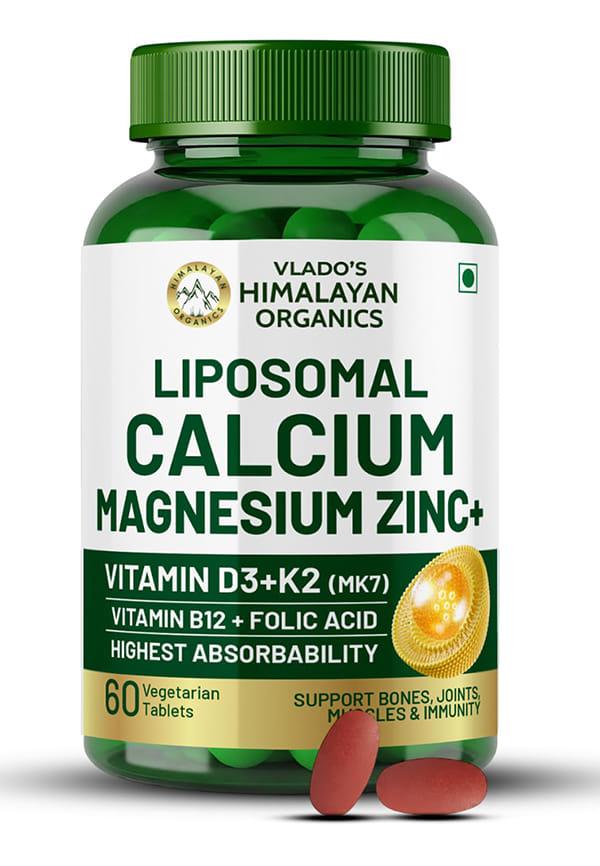
Vlado's Himalayan Organics Plant Based Calcium Magnesium + Zinc | Vitamin D3+k2 Supplement For Stronger Bones | Boost Immunity | Healthy Heart | Musc
You don't need to break the bank for effective PCOS supplements. Focus your budget on the most important ones—inositol, vitamin D, and omega-3s—and choose quality over quantity. Generic versions of well-researched supplements can be just as effective as expensive branded versions.
For irregular periods, the most effective combination includes inositol (2-4g daily), vitamin D (1000-4000 IU based on blood levels), and folate (400-800mcg daily). This trio works together to improve ovulation and cycle regularity. Many women see improvements within 3-6 months of consistent use.
Timeline varies by supplement and symptom. Inositol may improve insulin sensitivity within 4-6 weeks, but cycle regulation can take 3-6 months. Vitamin D levels typically improve within 6-8 weeks, whilst omega-3s may take 2-3 months to show anti-inflammatory benefits. Patience and consistency are key.
Supplements should complement, not replace, prescribed medications without medical supervision. They work best as part of a comprehensive approach that may include medication, lifestyle changes, and professional monitoring. Always discuss supplement use with your healthcare provider, especially if you're taking metformin or hormonal treatments.
L-carnitine (1-3g daily), berberine (500mg twice daily), and omega-3s (1-2g daily) can support healthy metabolism and weight management. However, these work best alongside a balanced diet and regular exercise. They're tools to support your efforts, not magic solutions.
Avoid high-dose vitamin A (over 10,000 IU daily), excessive iron unless deficient, and unregulated herbal blends with undisclosed ingredients. Be cautious with supplements claiming to "cure" PCOS or promising unrealistic results. When exploring options available on Smytten, always check ingredient lists and dosages carefully.
Track key markers like menstrual cycle regularity, energy levels, mood stability, and any changes in hirsutism or acne. Blood tests can monitor vitamin D levels, inflammatory markers, and hormone levels. Keep a symptom diary to identify patterns and improvements over time.
Understanding PCOS management supplements for wellness requires a balanced approach that combines evidence-based supplementation with lifestyle modifications. The most effective supplements—inositol, vitamin D, omega-3s, and magnesium—work best when part of a comprehensive strategy that includes anti-inflammatory nutrition, stress management, and regular movement. Remember that PCOS affects every woman differently, so what works for others might need adjustment for your unique situation. Quality matters more than quantity when choosing supplements, and patience is essential as most benefits develop over 3-6 months of consistent use. Always work with healthcare providers to monitor your progress and ensure supplements complement rather than interfere with any prescribed treatments.
Managing PCOS naturally through supplements and lifestyle changes is a journey that requires patience, consistency, and the right resources. Smytten is India's largest product discovery and trial platform, connecting consumers with top lifestyle, beauty, wellness, and grooming brands that can support your PCOS management journey. With curated trial packs from over 1,500 trusted wellness brands, you can explore different supplement options before committing to full-size purchases. Each mini is linked with Trial Points, and users can get up to 8 minis for just ₹249, plus Smytten offers 100% cashback on the purchase of these minis, making it affordable to try various wellness products. Whether you're looking for quality omega-3 supplements, vitamin D, or herbal remedies, you can trial on Smytten to find what works best for your body. With over 25 million users and authentic brand-verified minis delivered across 27,000+ pincodes, Smytten helps you make smarter, more confident choices for your wellness journey. After all, why settle for 'maybe' when you can #TryItAll!
