Omega 3 Good for Skin FAQ: Your Questions Answered


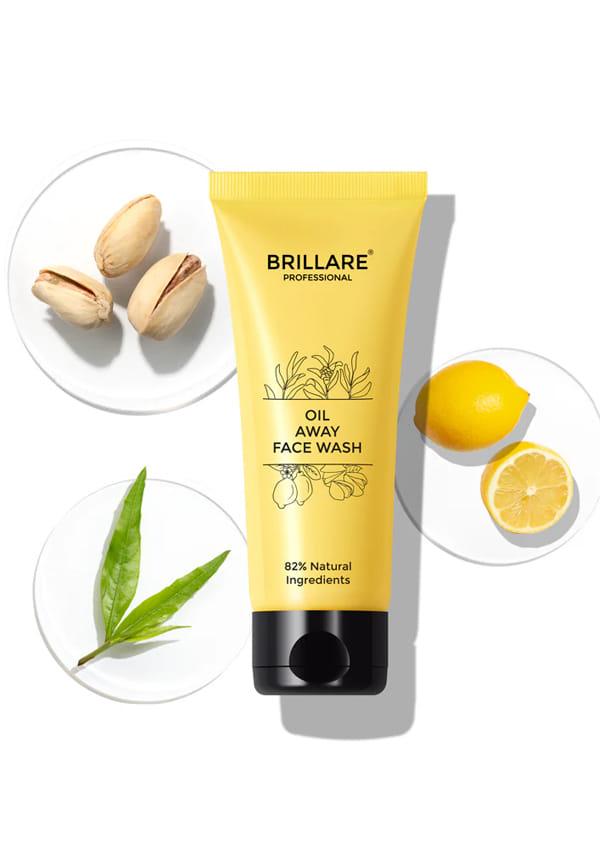
Facewash For Oily, Acne Prone Skin
Ever wondered why your skin feels like it's constantly fighting an uphill battle? Here's something that might surprise you: the answer could be swimming in the ocean or sitting in your supplement cabinet. Omega 3 fatty acids have become the wellness world's favourite topic, and for good reason. These powerful nutrients aren't just brilliant for your heart and brain—they're absolute game-changers for your skin too. From tackling stubborn acne to giving dry skin the hydration boost it desperately needs, omega 3 benefits for skin are backed by solid science. Whether you're dealing with inflammation, premature ageing, or just want that natural glow everyone's after, understanding how omega 3 fatty acids work for your skin could be the missing piece in your skincare puzzle. Ready to discover why dermatologists and nutritionists can't stop talking about these essential fats? Let's dive into everything you need to know about omega 3 and skin health, including what Smytten users are discovering about wellness products that support healthy skin from within.
TL;DR
Omega 3 fatty acids significantly improve skin hydration, reduce inflammation, and support the skin's natural barrier function
EPA and DHA (found in fish oil) are particularly effective for acne, eczema, and dry skin conditions
Results typically appear within 6-12 weeks of consistent supplementation, with optimal benefits seen after 3-6 months
Both internal supplements and topical applications offer benefits, with internal consumption showing more comprehensive results
Omega 3 helps with anti-ageing by supporting collagen production and protecting against UV damage
Let's get into the science bit—but don't worry, we'll keep it simple. Your skin is basically a complex ecosystem, and omega 3 fatty acids are like the perfect nutrients that help everything function smoothly. When you consume omega 3s, they integrate into your cell membranes, making them more flexible and better at retaining moisture.
EPA (eicosapentaenoic acid) and DHA (docosahexaenoic acid) are the superstars here. They work by reducing the production of inflammatory compounds called leukotrienes and prostaglandins. Think of inflammation as your skin's alarm system—sometimes it goes off when it shouldn't, causing redness, irritation, and breakouts. Omega 3s help calm this overactive response.
These fatty acids also strengthen your skin's lipid barrier—that's the protective layer that keeps moisture in and irritants out. A stronger barrier means healthier, more resilient skin that can better defend itself against environmental stressors.
Not all omega 3s are created equal when it comes to skin health. Fish oil for skin benefits comes from EPA and DHA, which your body can use immediately. Plant-based options like algal oil for skin provide similar benefits and are perfect if you're vegetarian or vegan.
The bioavailability varies between sources—fish oil typically offers better absorption, but high-quality algal supplements can be just as effective. For skin benefits, look for supplements with a higher EPA content, as this particular fatty acid has the strongest anti-inflammatory properties.
Real talk—omega 3 isn't a magic bullet, but the research backing its skin benefits is pretty impressive. Let's break down how it tackles specific concerns you might be dealing with.
If your skin feels like sandpaper no matter how much moisturiser you slather on, omega 3 might be your answer. These fatty acids work from the inside out to improve skin hydration omega 3 levels by strengthening the moisture barrier.
Clinical studies show that people taking omega 3 supplements for 12 weeks experienced significant improvements in skin hydration and reduced water loss. Your skin literally becomes better at holding onto moisture, which means less flakiness and that uncomfortable tight feeling.
Here's where things get interesting for anyone battling breakouts. Omega 3 for acne works by reducing sebum production and calming the inflammatory response that makes spots angry and red. It's not about drying out your skin—it's about balancing oil production naturally.
Studies comparing omega 3 supplementation to traditional acne treatments found similar improvements in inflammatory acne lesions. The bonus? No harsh side effects like dryness or irritation that often come with topical treatments.
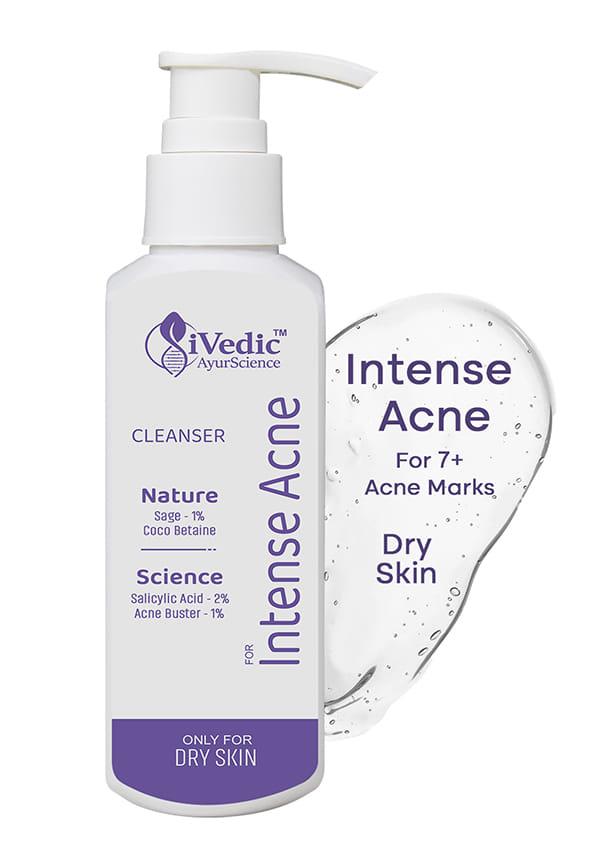
Acne End Face Wash | Only For Dry Skin with Intense Acne
If you're dealing with eczema or generally sensitive skin, omega 3 for inflammation skin benefits could be a game-changer. The anti-inflammatory properties help reduce the itching, redness, and scaling associated with eczema flare-ups.
Research suggests that people with eczema often have lower levels of omega 3 fatty acids in their skin. Supplementing can help restore this balance and reduce the severity of symptoms. For eczema relief, aim for 2-3 grams of combined EPA and DHA daily, but always check with your healthcare provider first.
Let's talk about keeping your skin looking fresh and youthful. Omega 3 fatty acids are like a shield against premature ageing, working on multiple fronts to keep your skin healthy and resilient.
Your skin's collagen is what keeps it plump and smooth, but production naturally decreases as you age. Omega 3s support collagen synthesis by reducing inflammation that can break down existing collagen and by providing the building blocks your skin needs for repair.
Regular omega 3 consumption has been linked to improved skin elasticity and reduced appearance of fine lines. It's not going to turn back the clock overnight, but it's definitely worth including in your long-term skin strategy.
While omega 3 isn't a replacement for sunscreen (please keep using SPF!), it does offer some natural protection against UV damage. These fatty acids help reduce inflammation caused by sun exposure and may even provide a small amount of natural UV protection.
Studies show that people with higher omega 3 levels in their skin are less likely to develop certain types of skin damage from sun exposure. Think of it as an extra layer of protection working alongside your regular sun protection routine.
One question that comes up frequently is whether omega 3 can help with uneven skin tone and pigmentation issues. The answer is nuanced but promising.
Omega 3 doesn't directly lighten skin, but it can help with overall skin tone by reducing inflammation that contributes to post-inflammatory hyperpigmentation. When your skin is less inflamed, it's less likely to develop dark spots after breakouts or irritation.
The anti-inflammatory properties also support your skin's natural healing process, which can help existing pigmentation fade more effectively. Combined with proper skincare and sun protection, omega 3 can contribute to a more even complexion over time.
Beyond specific concerns, omega 3 contributes to that overall healthy glow everyone wants. Better hydration, reduced inflammation, and improved barrier function all add up to skin that looks and feels smoother and more radiant.
Oil Away Power Drops For Oily, Acne Prone Skin
Many people notice their skin feels softer and looks more luminous after a few months of consistent omega 3 supplementation. It's one of those benefits that's subtle but definitely noticeable once it kicks in.
Getting the most out of omega 3 for your skin isn't just about popping a pill and hoping for the best. There's definitely a strategy to maximise the benefits.
For skin health omega 3 benefits, most studies use doses between 1-3 grams of combined EPA and DHA daily. Start with a lower dose and gradually increase to avoid any digestive discomfort. Taking your supplement with a meal that contains some fat helps with absorption.
Consistency is key—your skin cells take about 28 days to renew, so you need steady levels of omega 3 to see real improvements. Morning or evening doesn't matter much, but pick a time you'll remember and stick with it.
While internal supplementation is most effective, topical omega 3 products can provide additional benefits. Look for skincare products containing fish oil or algae extracts, especially for targeted treatment of dry or inflamed areas.
The best approach combines both—internal supplementation for overall skin health and topical products for specific concerns. Just remember that topical omega 3 products can be a bit unstable, so store them properly and use them within their recommended timeframe.
Let's be realistic about expectations. Omega 3 isn't going to transform your skin overnight, but the results are definitely worth the wait when you're consistent.
Most people start noticing subtle improvements around the 6-8 week mark. Your skin might feel softer or less irritated before you see visible changes. The real magic happens between 3-6 months of consistent use, when your skin has had time to build up adequate omega 3 levels.
Factors like your starting omega 3 levels, overall diet, and specific skin concerns all affect how quickly you'll see results. If you're dealing with inflammatory conditions like acne or eczema, you might notice improvements sooner than someone looking for anti-ageing benefits.
Don't expect dramatic before-and-after photos, but do expect gradual, sustainable improvements. Your skin will likely become more resilient, hydrated, and balanced over time. The changes are often subtle but cumulative—friends might comment that your skin looks healthier without being able to pinpoint exactly why.
Individual results vary based on genetics, lifestyle, and existing skin conditions. Some people are omega 3 responders and see significant benefits, while others notice more modest improvements. Either way, the overall health benefits make it worth trying.
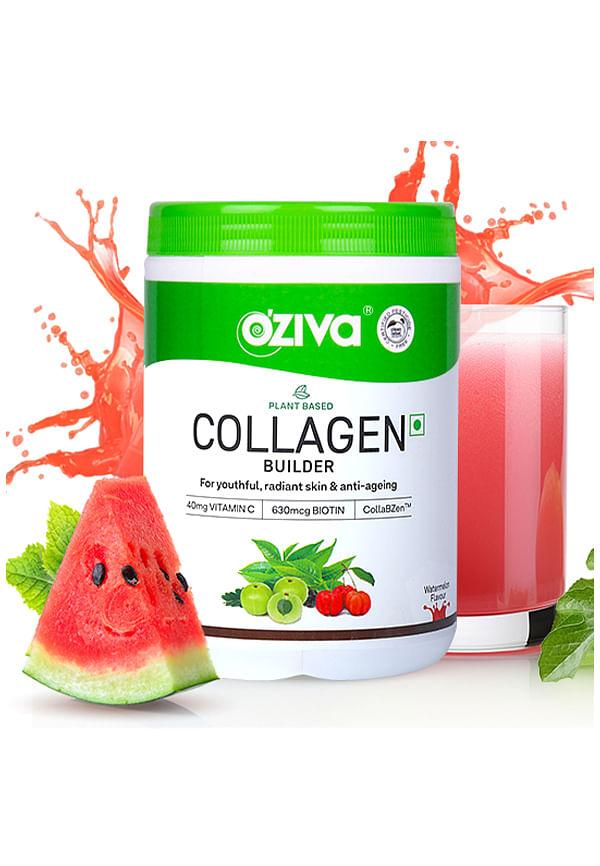
Collagen Builder for Anti-Ageing & Skin Radiance with Vitamin C, Watermelon
Most people begin seeing improvements in skin texture and hydration within 6-8 weeks of consistent omega 3 supplementation. However, significant changes in conditions like acne or eczema typically require 3-6 months of regular use. Your skin's natural renewal cycle takes about 28 days, so patience is key for seeing the full benefits.
Yes, omega 3 fatty acids support collagen synthesis by reducing inflammation that breaks down existing collagen and providing essential nutrients for skin repair. While it won't dramatically boost collagen overnight, regular omega 3 consumption helps maintain skin elasticity and may slow down age-related collagen loss.
Daily omega 3 supplementation is generally safe and beneficial for most people. For skin health, consistent daily intake helps maintain optimal fatty acid levels in your cell membranes, leading to better hydration, reduced inflammation, and improved barrier function. Always follow recommended dosages and consult your healthcare provider if you have any concerns.
Absolutely! Omega 3 benefits extend to hair health as well. The same anti-inflammatory and nourishing properties that help your skin also support a healthy scalp and stronger hair follicles. Many people notice improvements in both skin texture and hair shine when taking omega 3 supplements consistently.
While fish oil can be applied topically, it's not the most practical option due to its strong smell and potential for rancidity. Instead, look for skincare products that contain stabilised omega 3 ingredients or marine extracts. Internal supplementation remains the most effective way to deliver omega 3 benefits to your skin.
Omega 3 supplements are generally well-tolerated, but some people may experience mild digestive upset, especially when starting. Taking supplements with food usually helps. If you're on blood-thinning medications, consult your doctor before starting omega 3 supplements, as they can have mild blood-thinning effects.
Both fish oil and algal oil provide EPA and DHA, the most beneficial omega 3s for skin health. Fish oil typically has better bioavailability, but high-quality algal oil supplements can be equally effective. The choice often comes down to personal preference, dietary restrictions, and sustainability concerns. What matters most is consistent intake of adequate EPA and DHA levels.
Omega 3 fatty acids offer genuine, science-backed benefits for skin health that go far beyond surface-level improvements. From strengthening your skin's natural barrier to reducing inflammation and supporting collagen production, these essential fats work from within to create lasting positive changes. The key is consistency—while you might notice subtle improvements within 6-8 weeks, the real transformation happens over 3-6 months of regular supplementation.
Whether you're dealing with specific concerns like acne, eczema, or dry skin, or simply want to support your skin's overall health and resilience, omega 3 can be a valuable addition to your wellness routine. Remember that individual results vary, and the best approach combines internal supplementation with a solid skincare routine and healthy lifestyle habits.
Your skin health journey doesn't have to be complicated or overwhelming. Understanding the role of nutrients like omega 3 is just one piece of the puzzle, but it's an important one that can make a real difference in how your skin looks and feels. Whether you're exploring omega 3 supplements or looking for skincare products that support your skin from multiple angles, having access to authentic, brand-verified options makes all the difference. Smytten connects you with trusted wellness and skincare brands, offering curated trial packs that let you discover what works best for your unique skin needs. With over 1,500 brands available and the convenience of trying before you buy, you can explore omega 3 supplements and complementary skincare products with confidence. After all, when it comes to your skin health, why settle for guesswork when you can try it all and find what truly works for you?
