Natural Gut Support FAQ: Your Questions Answered


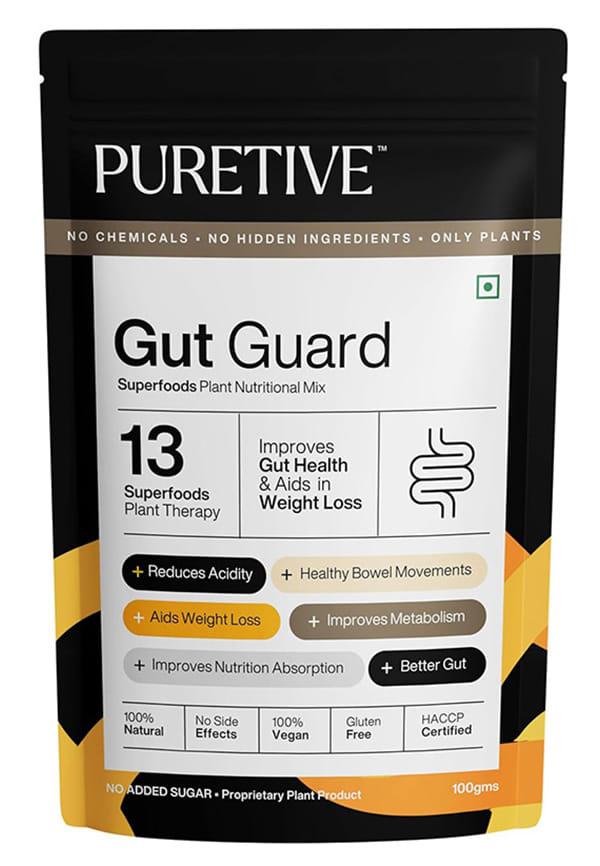
Gut Health Superfoods Nutritional Mix
Your gut's been sending you signals, and you're finally ready to listen. Whether it's that post-meal bloating that won't quit or the general feeling that your digestive system could use some TLC, you're not alone in wondering about natural gut support. The good news? Your body's pretty brilliant at healing itself when you give it the right tools. From understanding what makes your microbiome tick to finding bloating relief that actually works, we're diving into the most common questions about supporting your digestive wellness naturally. Plus, with platforms like Smytten making it easier to trial gut health supplements before committing to full sizes, there's never been a better time to explore what works for your unique system.
Natural gut support starts with dietary changes—think 30+ plant foods weekly and fermented options for probiotic benefits
The best approach combines prebiotics (fiber-rich foods) with probiotics (live microorganisms) for optimal microbiome balance
Seven key signs of poor gut health include bloating, irregular bowel movements, skin issues, mood changes, and low energy
Effective stomach comfort solutions involve hydration, stress management, and identifying your personal trigger foods
A structured 7-day gut reset can kickstart your digestive wellness journey with sustainable results
Let's be real—your gut doesn't need a complete overhaul overnight. Small, consistent changes often deliver the most sustainable results when it comes to digestive wellness. The key is understanding that your intestinal flora support system thrives on diversity and consistency rather than dramatic interventions.
Your gut health diet doesn't need to be complicated, but it does need variety. Aim for 30 different plant-based foods each week—this includes fruits, vegetables, nuts, seeds, legumes, and whole grains. Each type feeds different beneficial bacteria in your microbiome, creating a more balanced ecosystem.
Fiber-rich foods act as the foundation for intestinal flora support. Think of fiber as food for your good bacteria—without it, they can't thrive. Include both soluble fiber (found in oats, apples, and beans) and insoluble fiber (from vegetables and whole grains) for comprehensive digestive support.
Fermented foods are your gut's best friends, offering live probiotic benefits without the need for supplements. Yoghurt with live cultures, kefir, kombucha, kimchi, and sauerkraut all provide beneficial microorganisms that support healthy digestion aids naturally.
The timing matters too. Consuming fermented foods with meals can help with immediate digestion, while having them on an empty stomach may allow more beneficial bacteria to reach your intestines intact. Start with small portions—about 2-3 tablespoons daily—and gradually increase as your system adapts.
There's no one-size-fits-all answer, but the most effective natural gut support combines multiple approaches rather than relying on a single solution. Think of it as building a support network for your digestive system rather than looking for a magic bullet.
Live microorganisms in food sources often provide more diverse strains than single-strain supplements. Yoghurt typically contains Lactobacillus and Bifidobacterium strains, while kefir offers up to 30 different beneficial bacteria types. Kombucha provides both probiotics and beneficial yeasts, creating a more complex microbiome support system.
When comparing natural sources to gut health supplements, food-based probiotics come with additional nutrients like protein, vitamins, and minerals. However, supplements can provide higher CFU (colony-forming unit) counts and specific strains for targeted support.
Prebiotics are essentially food for your beneficial bacteria, and they're found in fiber-rich foods your body can't fully digest. The best sources include garlic, onions, leeks, asparagus, bananas, and Jerusalem artichokes. These foods contain specific types of fiber that selectively feed beneficial bacteria.

Gut Cleansner
Combining prebiotics with probiotics creates a synbiotic effect—essentially giving your good bacteria both reinforcements and food to thrive. This approach often provides more sustainable microbiome balance than either strategy alone.
Your gut communicates through various signals, and recognising these signs early can help you address digestive wellness issues before they become more serious. These symptoms often interconnect, creating a cascade effect throughout your body.
Frequent bloating and gas that occurs regularly after meals or throughout the day often indicates an imbalanced microbiome or food sensitivities. While occasional bloating is normal, persistent symptoms suggest your digestive system needs support.
Irregular bowel movements—whether constipation, diarrhoea, or alternating between both—signal that your gut's natural rhythm is disrupted. Healthy digestion typically produces 1-3 well-formed bowel movements daily.
Stomach discomfort including cramping, pain, or general unease after eating can indicate poor digestive function or an inflammatory response to certain foods.
Skin condition changes like acne, eczema, or unexplained rashes often reflect gut health issues. The gut-skin axis means inflammation in your digestive system can manifest externally.
Mood fluctuations and low energy connect to gut health through the gut-brain axis. About 90% of serotonin is produced in your gut, so an unhealthy microbiome can directly affect your mental wellbeing.
Frequent infections or slow recovery from illness may indicate compromised immune function, as approximately 70% of your immune system resides in your gut.
Sleep disruption can both cause and result from poor gut health, creating a cycle where poor sleep affects digestion, and digestive issues interfere with quality rest.
Beyond dietary changes, several lifestyle factors significantly impact your digestive wellness. These strategies work synergistically with nutritional approaches to create comprehensive stomach comfort solutions.
Proper hydration supports every aspect of digestion, from saliva production to nutrient absorption. Aim for 8-10 glasses of water daily, but timing matters as much as quantity. Drinking large amounts with meals can dilute digestive enzymes, so sip small amounts during eating and hydrate well between meals.
Herbal teas like ginger, peppermint, and chamomile provide additional digestive support while contributing to your fluid intake. These natural digestive remedies can soothe inflammation and promote healthy gut motility.

Probiotics Supplement 60 Billion CFU+ Gut Health Supplements
The gut-brain connection means chronic stress directly impacts digestive function. Stress hormones can alter gut bacteria composition, increase inflammation, and affect intestinal permeability. Regular stress reduction techniques like meditation, deep breathing, or gentle yoga can significantly improve digestive wellness.
Quality sleep supports gut repair and beneficial bacteria growth. Aim for 7-9 hours nightly and maintain consistent sleep schedules to optimise your microbiome's natural rhythms.
Bloating can derail your day, but understanding its causes helps you find effective natural remedies. Most bloating stems from gas production, fluid retention, or digestive slowdown—all of which respond well to targeted natural approaches.
For acute bloating relief, gentle movement like walking can help trapped gas move through your system. Warm herbal teas, particularly peppermint or fennel, can relax digestive muscles and reduce discomfort within 15-30 minutes.
Food combining principles suggest eating fruits alone or before meals, avoiding mixing proteins with starches, and spacing meals 3-4 hours apart to allow complete digestion. While not scientifically proven for everyone, many find these strategies reduce bloating.
Identifying your personal trigger foods requires patience but delivers lasting results. Common culprits include dairy, gluten, high-FODMAP foods, and artificial sweeteners. Keep a food diary noting symptoms to identify patterns.
Regular exercise supports healthy digestion by promoting gut motility and reducing stress. Even 20-30 minutes of daily movement can significantly improve digestive wellness and provide natural bloating relief.
A structured gut reset can jumpstart your digestive wellness journey, but it's not about extreme restrictions. Instead, focus on eliminating common irritants while flooding your system with gut-supporting nutrients.
The elimination phase involves removing processed foods, added sugars, alcohol, and common allergens for 7 days while emphasising whole foods, fermented options, and plenty of fiber. This gives your digestive system a chance to reset without the burden of inflammatory foods.
During reintroduction, add one eliminated food group every 2-3 days while monitoring symptoms. This methodical approach helps identify specific triggers that affect your individual digestive wellness.
Meal planning becomes crucial during a gut reset. Focus on simple, whole-food meals that combine lean proteins, non-starchy vegetables, and healthy fats. Batch cooking fermented vegetables and preparing gut-friendly snacks prevents reaching for processed options when hunger strikes.
Common challenges include social situations and cravings. Plan ahead by researching restaurant options, bringing gut-friendly dishes to gatherings, and having approved snacks readily available.

Gut Health Gummies
Most people notice initial changes within 2-4 weeks of consistent natural gut support practices. However, significant microbiome shifts can take 3-6 months. Factors like starting gut health, dietary consistency, stress levels, and individual genetics all influence timeline expectations.
Fermented foods provide diverse probiotic strains and additional nutrients, making them excellent for general digestive wellness. Supplements might be beneficial for specific health concerns or when you can't consistently consume fermented foods. Many people find success trying different gut health supplements available on Smytten before committing to full-size purchases.
Most probiotic foods and supplements are safe with medications, but timing matters. Take probiotics at least 2 hours away from antibiotics to prevent interference. Always consult your healthcare provider about potential interactions, especially with immunosuppressive medications.
Probiotics are live beneficial bacteria that support your microbiome balance, while prebiotics are fiber types that feed these beneficial bacteria. Both are essential for optimal intestinal flora support—think of probiotics as the workers and prebiotics as their food source.
Positive signs include regular, well-formed bowel movements, reduced bloating, improved energy levels, better mood stability, clearer skin, and fewer digestive discomfort episodes. Keep a symptom diary to track improvements over time.
Natural approaches are generally safe, but start slowly with fermented foods and fiber increases to avoid temporary digestive upset. People with compromised immune systems should consult healthcare providers before starting probiotic supplements. When exploring new natural digestive remedies, platforms like Smytten allow you to trial products safely before full-size commitments.
Natural gut support isn't about perfection—it's about consistency and finding what works for your unique system. Start with simple dietary changes like increasing plant food variety and incorporating fermented options. Pay attention to your body's signals and adjust accordingly.
Remember that digestive wellness is a journey, not a destination. Small, sustainable changes often deliver better long-term results than dramatic overhauls. Focus on building healthy habits that support your microbiome balance naturally, and be patient with the process.
Most importantly, listen to your body and consult healthcare professionals when needed. Your gut health affects your overall wellbeing, so investing time in understanding and supporting your digestive system pays dividends for your entire health picture.
Supporting your gut naturally is one of the most impactful things you can do for your overall health, and the journey doesn't have to be overwhelming or expensive. Whether you're exploring fermented foods, considering gut health supplements, or looking for natural digestive remedies, the key is finding what works for your unique system. Smytten makes this exploration easier by offering curated trial packs from trusted wellness brands, letting you discover effective stomach comfort solutions before committing to full-size purchases. With 100% cashback on trials and access to India's largest minis collection, you can confidently try different approaches to digestive wellness without the financial risk. After all, your gut deserves the same thoughtful attention you give to the rest of your health routine—and with the right support, you'll find the natural solutions that help you feel your absolute best.
