Natural Anxiety Relief FAQ: Your Questions Answered


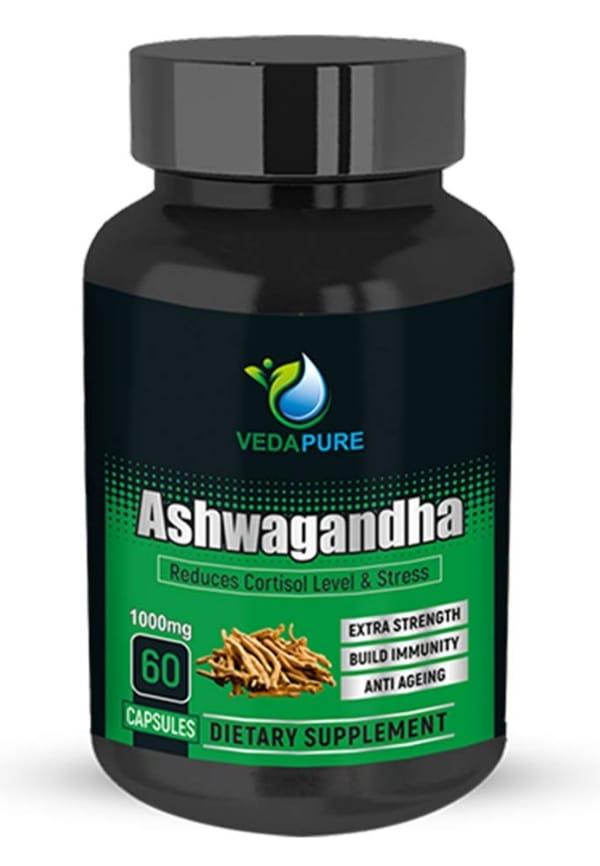
Ashwagandha Anxiety & Stress Relief
Feeling anxious? You're definitely not alone. With stress levels hitting new highs, more people are turning to natural anxiety relief methods that work with their body rather than against it. Whether you're dealing with everyday worries or more persistent anxious thoughts, understanding your options can be a game-changer. From ancient herbal remedies to modern mindfulness techniques, there's a whole world of holistic anxiety treatment approaches waiting to be explored. Let's dive into the most common questions about managing anxiety naturally—because finding what works for you shouldn't feel overwhelming. Smytten's wellness category offers various natural products that might help you discover your perfect anxiety-relief routine through trial-sized options.
Natural anxiety relief includes herbs like ashwagandha and chamomile, breathing techniques, and lifestyle changes
The 3-3-3 rule (name 3 things you see, hear, and feel) provides immediate grounding during anxious moments
Vitamin deficiencies, especially B vitamins and magnesium, can contribute to anxiety symptoms
Mindfulness practices and stress reduction techniques work best when combined with proper sleep and nutrition
Warning signs include persistent worry, physical symptoms like rapid heartbeat, and avoiding daily activities
Natural anxiety relief focuses on supporting your body's own ability to manage stress and worry. Unlike pharmaceutical approaches that often target specific neurotransmitters, holistic anxiety treatment works with multiple body systems—your nervous system, digestive health, sleep patterns, and even your breathing. Think of it as giving your body the tools it needs to find its own balance.
The beauty of natural approaches lies in their gentle, sustainable nature. While prescription medications can be life-saving for some, natural methods typically come with fewer side effects and can be used long-term. However, it's crucial to set realistic expectations—natural doesn't mean instant. Most calming natural remedies take time to build up in your system and show their full effects.
When anxiety hits hard, you need something that works right now. That's where quick anxiety coping mechanisms come in handy. These techniques can help you manage anxious thoughts in the moment, giving you breathing room to think clearly.
The 3-3-3 rule is a grounding technique that pulls you back to the present moment. Here's how it works: name 3 things you can see around you, 3 sounds you can hear, and move 3 parts of your body. This simple method interrupts the anxiety spiral by engaging your senses and redirecting your focus away from worrying thoughts.
The 4-7-8 breathing technique is another powerful tool for managing anxious thoughts. Breathe in for 4 counts, hold for 7, then exhale for 8. This pattern activates your parasympathetic nervous system, naturally calming your body's stress response. Progressive muscle relaxation works similarly—tense and release each muscle group from your toes to your head, helping release physical tension that often accompanies anxiety.
Your brain needs specific nutrients to produce calming neurotransmitters and maintain emotional balance. When you're deficient in key vitamins and minerals, anxiety symptoms can worsen significantly. Understanding these connections helps you make informed choices about natural mood boosters.
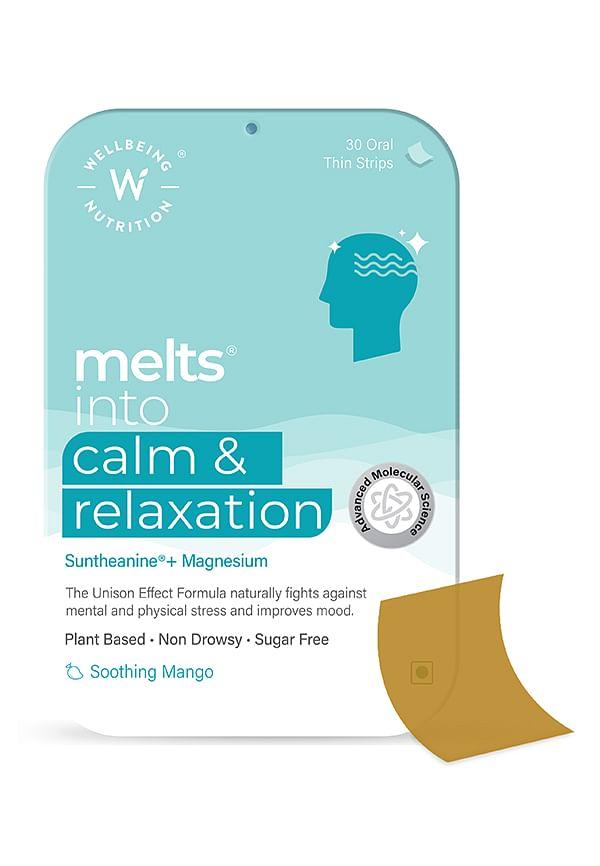
Melts Calm & Relaxation Plant Based Stress & Anxiety Reliever
B vitamins, particularly B6, B12, and folate, play crucial roles in neurotransmitter production. Low levels can lead to increased anxiety, irritability, and mood swings. Magnesium deficiency is equally important—this mineral helps regulate your nervous system and supports quality sleep. Vitamin D deficiency has also been linked to anxiety and depression, especially during winter months when sunlight exposure decreases.
Getting adequate B vitamins supports serotonin and GABA production—your brain's natural calming chemicals. Magnesium helps muscles relax and supports better sleep quality. Most people see improvements within 4-6 weeks of consistent supplementation, though some notice changes sooner. Food sources like leafy greens, nuts, seeds, and fatty fish provide these nutrients naturally.
Herbal remedies have been used for centuries to promote calm and reduce worry. Modern research backs up many traditional uses, giving us confidence in these calming natural remedies. However, quality matters—look for standardised extracts from reputable sources.
Ashwagandha stands out as a powerful adaptogen that helps your body manage stress more effectively. Studies show it can reduce cortisol levels and improve anxiety symptoms within 4-8 weeks. Chamomile offers gentle calming effects and works well as a tea or supplement. Lavender provides benefits through both aromatherapy and oral supplementation.
Lemon balm helps reduce restlessness and worry, whilst passionflower and valerian are particularly helpful for anxiety-related sleep issues. These herbs work best when used consistently rather than just during stressful periods.
Always start with lower doses to assess your body's response. Some herbs can interact with medications, particularly blood thinners and sedatives. Pregnant women, nursing mothers, and children should consult healthcare providers before using herbal remedies. Quality varies significantly between brands, so choose products that are third-party tested.
Your daily habits significantly impact anxiety levels. Small, consistent changes in how you move, sleep, and eat can create profound shifts in your emotional well-being. These lifestyle changes for anxiety work synergistically—improving one area often enhances the others.
Regular movement is one of the most effective stress reduction techniques available. You don't need intense workouts—even 20 minutes of walking can reduce anxiety symptoms. Yoga and tai chi combine physical movement with mindfulness, offering double benefits. The key is consistency rather than intensity.
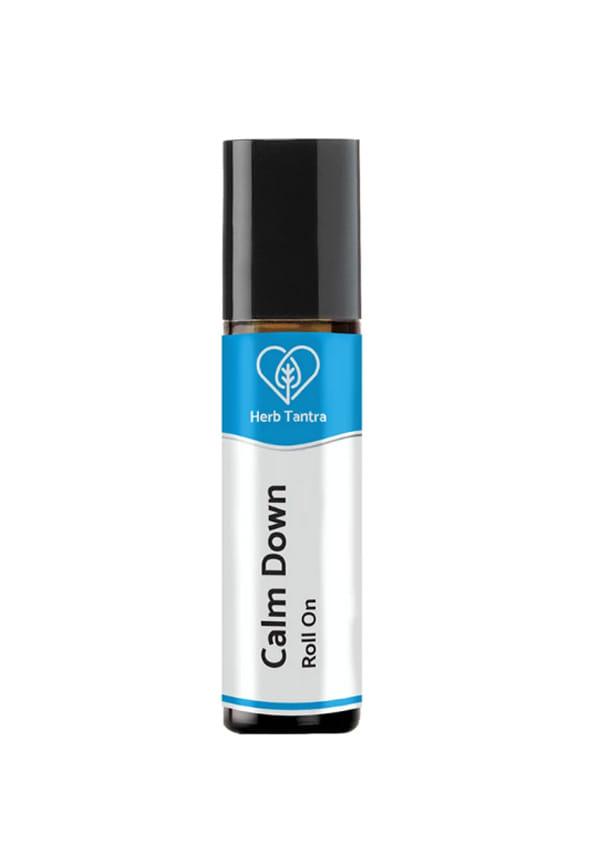
Calm Down Anxiety Relief Roll-On
Poor sleep and anxiety create a vicious cycle—anxiety disrupts sleep, and sleep deprivation worsens anxiety. Create a calming bedtime routine that includes dimming lights, avoiding screens, and perhaps some chamomile tea. Natural sleep aids like magnesium or melatonin can help reset your sleep cycle.
Certain foods naturally support calm moods. Omega-3 fatty acids from fish, walnuts, and flaxseeds help reduce inflammation that can contribute to anxiety. Complex carbohydrates support steady blood sugar levels, preventing anxiety-triggering crashes. Limit caffeine and alcohol, as both can worsen anxiety symptoms in sensitive individuals.
Mindfulness practices teach you to observe anxious thoughts without getting caught up in them. This shift in perspective—from being overwhelmed by worry to watching it with curiosity—can be transformative. These emotional well-being strategies require practice but offer lasting benefits.
Start with just 5 minutes daily of focused breathing or body awareness. Apps like Headspace or Calm offer guided sessions specifically for anxiety. The goal isn't to stop thoughts but to change your relationship with them. Consistency matters more than duration—daily practice creates lasting neural changes.
Learning to identify and challenge anxious thoughts is a powerful skill. When you notice worry spirals, ask yourself: "Is this thought helpful? Is it realistic? What would I tell a friend in this situation?" Thought stopping techniques—like saying "stop" out loud or visualising a stop sign—can interrupt anxiety patterns.
Understanding anxiety symptoms helps you respond appropriately and seek support when needed. Early intervention with natural methods often prevents symptoms from escalating. However, knowing when professional help is necessary protects your long-term well-being.
Physical symptoms include rapid heartbeat, sweating, trembling, or digestive issues. Sleep disturbances like difficulty falling asleep or staying asleep are common. Persistent worry about future events or past mistakes that interferes with daily life signals problematic anxiety. Avoidance behaviours—skipping social events or avoiding certain situations—indicate anxiety is limiting your life. Difficulty concentrating or making decisions due to racing thoughts is another key warning sign.
Combine multiple approaches for best results. You might use ashwagandha daily, practice the 3-3-3 rule during stressful moments, and maintain regular exercise. Track your symptoms and strategies in a journal to identify what works best for you. Building a support system of friends, family, or support groups provides additional emotional resources.
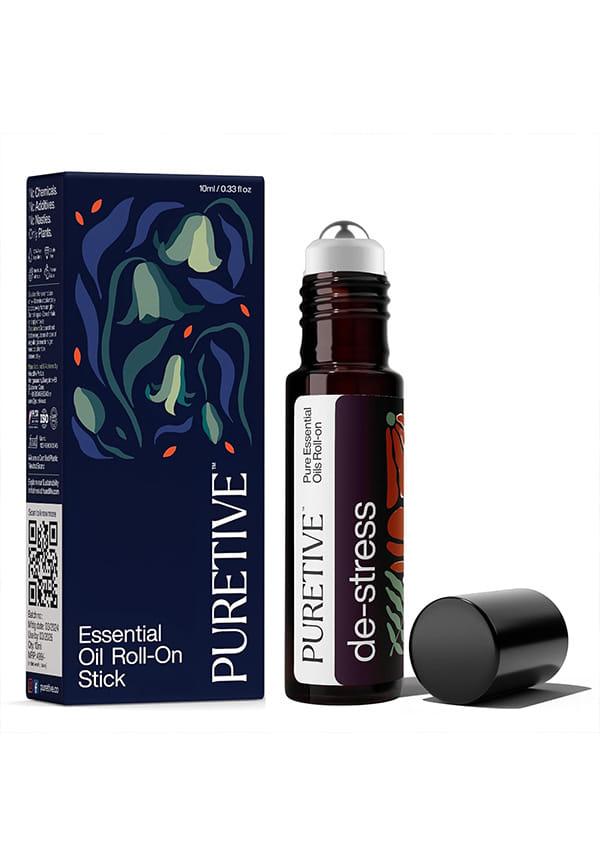
De-stress Roll On for stress calmness and anxiety
Immediate techniques like breathing exercises work within minutes. Herbal remedies typically show effects within 2-4 weeks of consistent use. Lifestyle changes like exercise and improved sleep may take 4-6 weeks to show full benefits. Patience and consistency are key with natural approaches.
Yes, combining approaches often works better than using single remedies. For example, you might take ashwagandha daily whilst practising mindfulness and maintaining regular exercise. However, be cautious with multiple herbal supplements and consult a healthcare provider if you're taking medications.
Many natural approaches like breathing exercises, mindfulness, and lifestyle changes are safe for teens. However, herbal supplements should be used cautiously in adolescents, and dosages may need adjustment. Always involve parents and healthcare providers in treatment decisions for young people.
For severe anxiety, combining multiple approaches works best. Ashwagandha has strong research support, whilst regular exercise and therapy provide substantial benefits. However, severe anxiety may require professional treatment—natural methods work well alongside therapy but shouldn't replace professional care when needed.
Costs vary widely. Free options include breathing exercises, walking, and basic mindfulness practices. Herbal supplements range from ₹500-2000 monthly. Yoga classes or meditation apps might cost ₹1000-3000 monthly. Many effective techniques require minimal financial investment. Trial options on Smytten let you explore wellness products affordably before committing to full sizes.
Most natural remedies travel well. Herbal capsules are convenient and TSA-friendly. Essential oils in small containers work for aromatherapy. Breathing techniques and mindfulness practices require no equipment. Download meditation apps before travelling for offline access during flights or areas with poor connectivity.
Natural anxiety relief offers gentle, sustainable approaches to managing worry and stress. The most effective strategies combine immediate coping techniques like the 3-3-3 rule with longer-term approaches like herbal supplements, lifestyle changes, and mindfulness practices. Remember that consistency matters more than perfection—small, daily actions create lasting change.
Start with one or two approaches that resonate with you rather than trying everything at once. Track your progress and adjust strategies based on what works for your unique situation. While natural methods are generally safe, don't hesitate to seek professional help if anxiety significantly impacts your daily life.
Finding the right natural anxiety relief approach is a personal journey that often involves trying different methods to discover what works best for you. Smytten makes this exploration easier and more affordable through its trial before you buy approach. With India's largest minis collection of wellness products, you can test various calming natural remedies without the commitment of full-size purchases. The platform's 100% cashback on trials means you can explore herbal supplements, aromatherapy products, and other anxiety-relief options risk-free. Whether you're curious about ashwagandha supplements or lavender essential oils, Smytten's authentic brand-verified minis let you discover your perfect anxiety management routine. Available across PAN-India delivery, you can shop and trial on Smytten to find natural solutions that truly work for your lifestyle. After all, why settle for 'maybe' when you can #TryItAll!
