Muscle Growth Supplements FAQ: Your Questions Answered


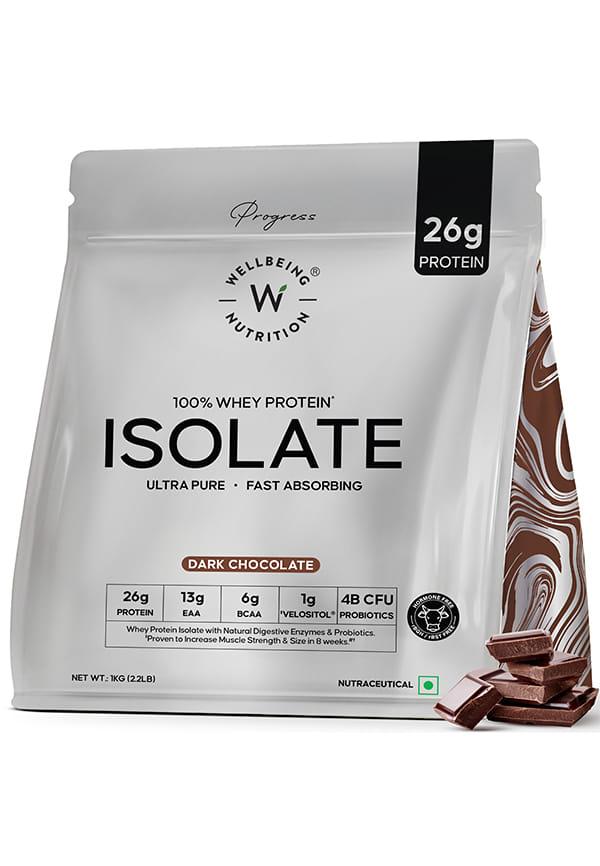
100% Whey Protein Isolate (Dark Chocolate)
Understanding muscle growth supplements for wellness isn't just about getting swole—it's about supporting your body's natural ability to build and maintain healthy muscle mass. Whether you're just starting your fitness journey or looking to optimise your current routine, the world of muscle building supplements can feel overwhelming. From protein powders to creatine, BCAAs to natural muscle growth enhancers, there's a lot to unpack. The good news? You don't need to navigate this alone. Let's break down everything you need to know about supplements for muscle gain, backed by science and real-world experience. Plus, with platforms like Smytten offering trial packs of wellness products, you can actually test what works for your body before committing to full-size purchases.
TL;DR
Muscle growth supplements support overall wellness by helping maintain healthy muscle mass and metabolic function
The "Big 5" evidence-based supplements include whey protein, creatine, casein protein, BCAAs, and beta-alanine
Natural muscle growth enhancers like whole foods, micronutrients, and adaptogenic herbs can be just as effective as synthetic options
Timing matters—pre, during, and post-workout supplements serve different purposes for optimal muscle development
Safety first—always research ingredients, understand potential side effects, and consult healthcare providers when needed
Muscle growth supplements are nutritional products designed to support your body's natural muscle-building processes. But here's the thing—they're not magic pills that'll transform you overnight. Think of them as your workout's best supporting cast, helping optimise what your body already does naturally.
When we talk about muscle building supplements in the context of wellness, we're looking at the bigger picture. Healthy muscle mass isn't just about looking good (though that's a nice bonus). It's about maintaining metabolic health, bone density, and functional strength as you age. Your muscles are metabolically active tissue, meaning they burn calories even when you're binge-watching your favourite series.
The supplement world offers both natural and synthetic options. Natural muscle growth enhancers work with your body's existing systems, whilst synthetic versions might provide more concentrated doses of specific compounds. Neither is inherently better—it depends on your goals, preferences, and how your body responds.
Let's cut through the marketing noise and focus on what actually works. These five supplements have solid research backing their effectiveness for muscle development and overall wellness.
Whey Protein tops the list for good reason. It's a complete protein containing all essential amino acids your muscles need for repair and growth. Studies show whey protein can significantly boost muscle protein synthesis, especially when consumed within two hours post-workout. The typical dose ranges from 20-30g per serving.
Creatine is probably the most researched supplement in sports nutrition. It helps your muscles produce energy during high-intensity exercise, leading to improved strength, power, and muscle mass over time. The standard protocol involves 3-5g daily—no loading phase needed despite what some brands claim.
Casein Protein is whey's slower cousin. It digests gradually, providing a steady stream of amino acids for up to 8 hours. This makes it perfect for overnight recovery or between meals. Research suggests 20-40g before bed can enhance overnight muscle protein synthesis.
BCAAs (Branched-Chain Amino Acids) include leucine, isoleucine, and valine. They're particularly useful for preserving muscle during calorie restriction or intense training periods. A typical dose is 10-15g, with leucine making up about 40% of the blend.
Beta-Alanine might cause a harmless tingling sensation, but it's worth it. This amino acid helps buffer acid in muscles during high-intensity exercise, reducing fatigue and improving performance. The effective dose is 3-5g daily, split into smaller servings to minimise tingling.
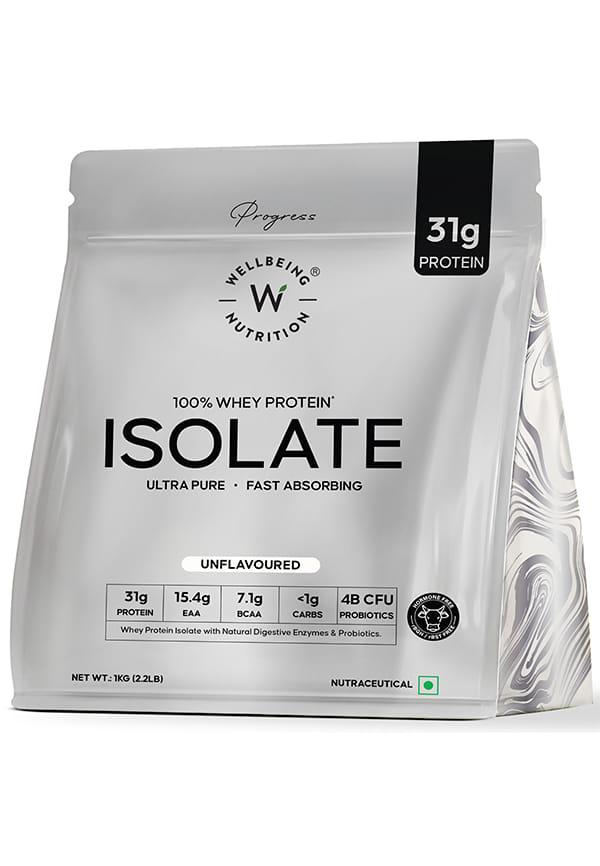
100% Whey Protein Isolate (Unflavoured)
HMB (β-Hydroxy β-Methylbutyrate) shines during periods of muscle stress, helping preserve lean mass during intense training or calorie restriction. Research supports 3g daily, split into three 1g doses with meals.
L-Citrulline improves blood flow and that satisfying muscle "pump" during workouts. It also supports recovery by enhancing nutrient delivery to working muscles. The sweet spot is 6-8g about 30 minutes before training.
Omega-3 fatty acids from fish oil support muscle protein synthesis and reduce exercise-induced inflammation. Aim for 2-3g of combined EPA and DHA daily.
Before reaching for supplements, let's talk about natural muscle growth enhancers that might already be in your kitchen. Whole food protein sources like eggs, chicken, fish, and legumes provide not just protein but also micronutrients that support muscle function.
Micronutrient support plays a huge role in muscle development. Zinc supports testosterone production and protein synthesis. Magnesium aids in muscle contraction and recovery. Selenium acts as an antioxidant, protecting muscles from exercise-induced damage. These nutrients work synergistically—you can't just focus on one.
Adaptogenic herbs like ashwagandha and rhodiola help manage cortisol levels, which is crucial for muscle growth. Chronic stress and elevated cortisol can seriously hamper your gains, making stress management supplements surprisingly effective for muscle development.
Sleep optimisation supplements deserve a mention here. Quality sleep is when most muscle repair happens. Melatonin (0.5-3mg) and glycine (3g) can improve sleep quality, indirectly supporting muscle growth. Sometimes the best supplement for your muscles is better sleep.
Timing your supplements around workouts can maximise their effectiveness. Think of it as giving your body exactly what it needs, when it needs it most.
Pre-workout supplements should energise without overwhelming your system. Caffeine (100-200mg) provides energy and focus. L-citrulline (6-8g) enhances blood flow. Beta-alanine (2-3g) buffers muscle acid. Take these 15-30 minutes before training for optimal effects.
During workout nutrition focuses on hydration and sustained energy. Electrolyte replacement becomes crucial during longer sessions. BCAAs (10-15g) can help maintain energy levels during extended training sessions, though they're less critical if you're eating adequate protein overall.
Post-workout is when your muscles are most receptive to nutrients. This "anabolic window" isn't as narrow as once believed, but getting protein within a few hours post-exercise still matters. Whey protein (20-30g) plus some carbohydrates can kickstart recovery.
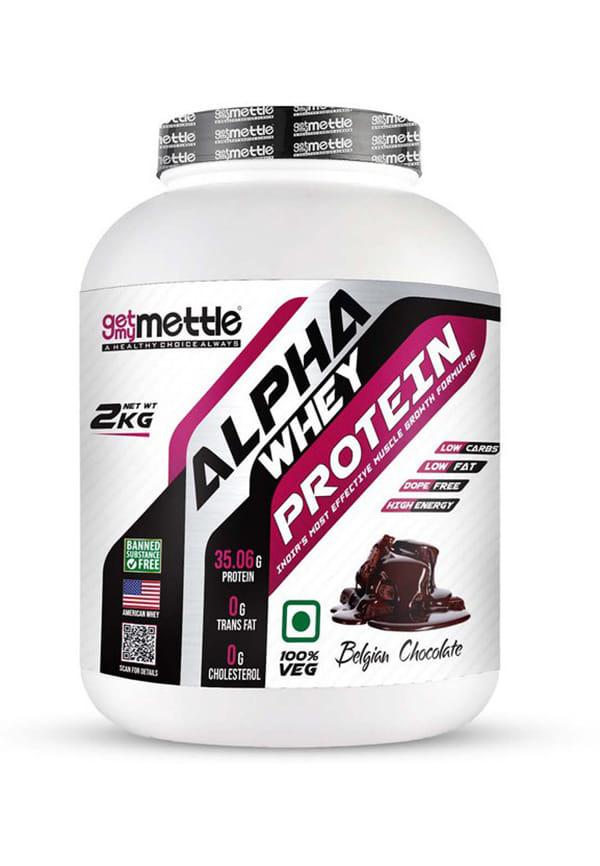
Alpha whey protein Whey Protein (Belgian Chocolate)
Not all proteins are created equal, and understanding the differences can help you choose what works best for your lifestyle and goals. Each type has its own absorption rate and amino acid profile.
Whey protein digests quickly, making it ideal post-workout. Casein protein releases amino acids slowly, perfect for overnight recovery or between meals. Plant-based proteins like pea, hemp, or rice protein work well for those avoiding dairy, though you might need slightly higher doses to match whey's amino acid profile.
The "anabolic window" myth suggested you had exactly 30 minutes post-workout to consume protein or lose all your gains. Research shows this window is more like 2-3 hours, and your overall daily protein intake matters more than precise timing. Aim for 1.6-2.2g protein per kg of body weight daily, spread across meals.
Combining protein with carbohydrates can enhance recovery by replenishing muscle glycogen and supporting protein synthesis. A 3:1 or 4:1 carb-to-protein ratio works well post-workout, though this becomes less critical if you're eating regular meals.
Let's address the elephant in the room—not all "anabolic supplements" are created equal, and some claims are too good to be true. Legal, natural anabolic supplements work by supporting your body's existing hormone production or muscle-building processes.
Cortisol often gets painted as the villain, but it's actually essential for normal function. The problem arises with chronically elevated cortisol from stress, poor sleep, or overtraining. Some supplements like phosphatidylserine and ashwagandha can help manage cortisol levels naturally.
Beware of supplements promising "rapid muscle gain" or "steroid-like results." These claims are red flags. Legitimate muscle growth takes time, consistency, and patience. If a supplement sounds too good to be true, it probably is—or worse, it might contain undisclosed ingredients.
Always research ingredients, check for third-party testing, and be aware of potential side effects or drug interactions. Some supplements can affect blood pressure, blood sugar, or interact with medications. When in doubt, consult a healthcare provider, especially if you have existing health conditions.
There's no single "best" supplement because individual needs vary. However, whey protein and creatine consistently top the evidence-based lists. Whey provides essential amino acids for muscle repair, whilst creatine enhances strength and power output. Your choice depends on your current diet, training style, and specific goals. If you're already eating adequate protein, creatine might give you more bang for your buck.
The supplements with the strongest research backing include whey protein, creatine, casein protein, BCAAs, and beta-alanine. These have multiple studies showing measurable benefits for muscle growth, strength, or recovery. HMB and L-citrulline also have solid evidence, though they're more specialised. Avoid supplements with proprietary blends or unrealistic claims—stick to ingredients with transparent dosing and research support.
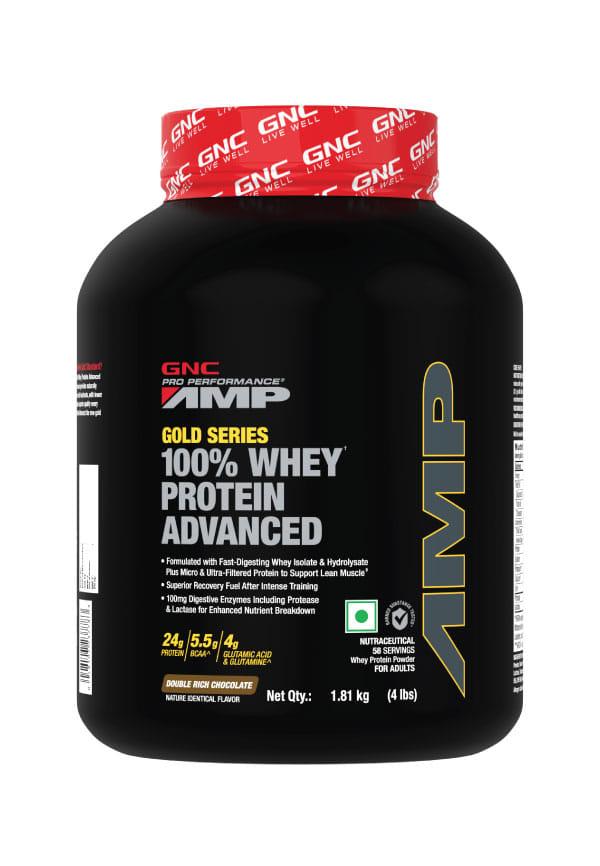
Amp Gold Series 100% Whey Protein Advanced Double Rich Chocolate
High cortisol can definitely hamper muscle growth by promoting muscle breakdown and interfering with protein synthesis. However, you can still build muscle by managing cortisol through stress reduction, adequate sleep, and proper nutrition. Supplements like ashwagandha, phosphatidylserine, and magnesium may help support healthy cortisol levels. The key is addressing the root cause of elevated cortisol, not just masking it with supplements.
Start by assessing your current diet and training routine. If you're not eating enough protein, a protein supplement makes sense. If you're doing high-intensity training, creatine could help. Consider your budget too—protein and creatine offer the most value for money. Platforms like Smytten let you trial smaller sizes of wellness supplements before committing to full containers, which is perfect for testing what works for your body.
Natural enhancers can be just as effective, though they might work more gradually. Whole food proteins, for example, provide not just amino acids but also micronutrients that support muscle function. The advantage of natural options is typically fewer side effects and better long-term health outcomes. Synthetic supplements often provide higher concentrations of specific compounds, which can be useful for targeted goals. The best approach often combines both.
Timing can optimise supplement effectiveness. Take whey protein within 2-3 hours post-workout. Creatine timing doesn't matter much—consistency is key. Casein protein works best before bed or between meals. Pre-workout supplements should be taken 15-30 minutes before training. However, don't stress too much about perfect timing—consistency with dosing and overall nutrition habits matter more than precise scheduling.
Understanding muscle growth supplements for wellness means focusing on evidence-based options that support your body's natural processes. The Big 5—whey protein, creatine, casein, BCAAs, and beta-alanine—have solid research backing their effectiveness. Natural muscle growth enhancers like whole foods, micronutrients, and stress management can be just as powerful as synthetic options.
Remember that supplements are exactly that—supplemental to a good diet and training programme. They're not magic bullets, but they can provide that extra edge when used correctly. Safety should always come first, so research ingredients, understand potential side effects, and consult healthcare providers when needed.
The best supplement strategy is personalised to your goals, lifestyle, and how your body responds. What works for your gym buddy might not work for you, and that's perfectly normal. Start with the basics, be consistent, and adjust based on your results.
Navigating the world of muscle growth supplements doesn't have to feel overwhelming when you focus on science-backed options and listen to your body's needs. Whether you're exploring protein supplements for recovery or natural muscle growth enhancers, the key is finding what works for your unique wellness journey. Smytten's trial packs make this exploration both affordable and risk-free—you can test different wellness supplements before committing to full-size purchases. With over 1,500 trusted brands available on Smytten and 100% cashback on trials, discovering your perfect supplement stack has never been easier. After all, why settle for guessing when you can try it all and find what truly supports your muscle growth and wellness goals?
