Movement Meditation for Anxiety FAQ: Your Questions Answered

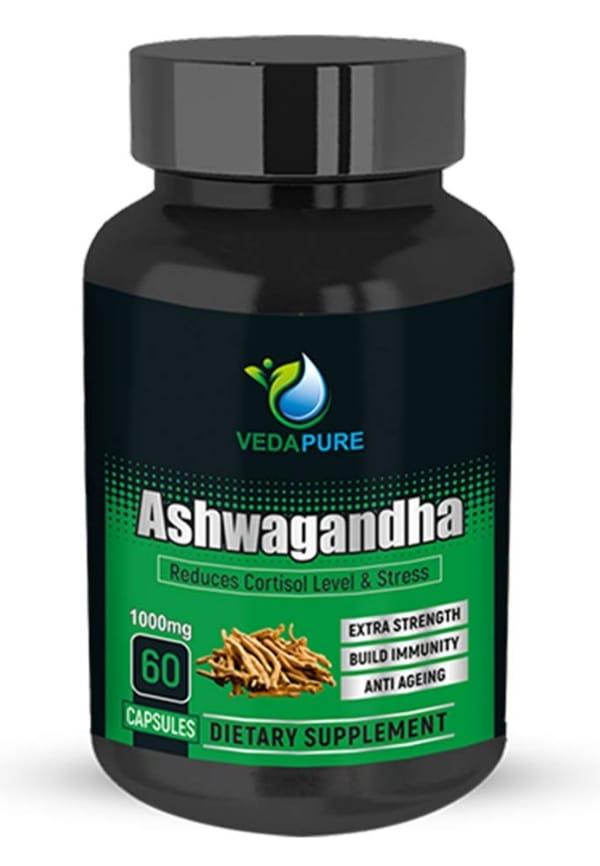
Ashwagandha Anxiety & Stress Relief
Feeling anxious and wondering if movement could be your secret weapon? You're not alone. While traditional meditation asks you to sit still, movement meditation for anxiety flips the script—combining gentle physical activity with mindfulness to help calm your racing mind. Whether it's a mindful walk around the block or some gentle stretches, this approach recognises that sometimes our bodies need to move to find peace. At Smytten, we understand that wellness isn't one-size-fits-all, which is why exploring different anxiety relief techniques through trial and discovery can help you find what truly works for your unique needs.
Movement meditation combines physical activity with mindfulness to reduce anxiety more effectively than traditional seated meditation for many people
Popular techniques include walking meditation, gentle yoga, tai chi, and body scan practices that help regulate your nervous system
Start with just 5-10 minutes daily and choose movements that feel natural and comfortable for your body
Different anxiety types respond better to specific movement practices—experiment to find your perfect match
Consistency matters more than intensity when building a sustainable movement meditation routine
Movement meditation is exactly what it sounds like—mindfulness in motion. Unlike traditional seated meditation where you focus on stillness, this approach uses gentle, intentional movement as your anchor for awareness. Think of it as embodied mindfulness practices that work with your body's natural need to move, especially when anxiety has you feeling restless or jittery.
Here's the science bit that's actually fascinating: when you're anxious, your sympathetic nervous system goes into overdrive, flooding your body with stress hormones like cortisol and adrenaline. Movement meditation helps activate your parasympathetic nervous system—your body's natural "rest and digest" mode. The rhythmic, mindful movements signal to your brain that you're safe, helping to reduce those stress hormones and bring your heart rate back to baseline.
Ready to explore some mindful movement for stress relief? These techniques are your starting toolkit for finding calm through gentle action. Each one offers a different approach, so you can discover what resonates with your body and lifestyle.
Walking meditation is probably the most accessible form of movement meditation—you literally just need your feet and a bit of space. Start by walking slower than usual, focusing on each step as it connects with the ground. Feel the weight shifting from heel to toe, notice how your arms naturally swing, and sync your breathing with your steps.
For indoor practice, even a 10-foot hallway works perfectly. Count your steps or focus on the sensation of your feet touching the floor. Outdoors, you can expand this to include awareness of sounds, smells, and the feeling of air on your skin. The walking meditation benefits include improved focus, reduced rumination, and a natural way to discharge anxious energy.
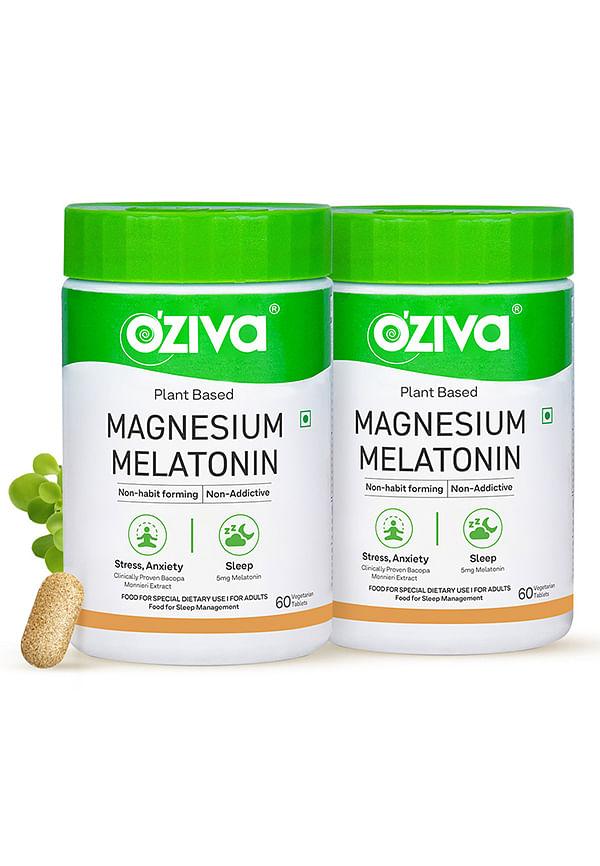
Magnesium Melatonin - Restful Sleep, Reduced Stress, Anxiety
Amazing Product, Great on Skin
 4
4“amazing product.. great on skin..I love it”
Gentle yoga for anxiety isn't about perfect poses or flexibility—it's about moving with intention and breath awareness. A simple 5-minute sequence might include child's pose, gentle cat-cow stretches, and legs-up-the-wall pose. These movements help release physical tension that often accompanies anxiety whilst encouraging deeper, calmer breathing.
Focus on breath-synchronised movement patterns where each movement flows with an inhale or exhale. This creates a moving meditation that helps quiet mental chatter whilst gently stretching areas where we typically hold stress—shoulders, neck, and hips.
Tai chi for mental health has been studied extensively, with research showing significant reductions in anxiety symptoms after just 8 weeks of practice. The slow, flowing movements combined with deep breathing create a moving meditation that's particularly effective for anxious minds that struggle with traditional stillness.
Start with basic movements like "wave hands like clouds" or simple arm circles coordinated with breathing. The beauty of tai chi is that there's no pressure to be perfect—it's all about the mindful flow of movement and breath working together to calm your nervous system.
Sometimes anxiety lives in our bodies as much as our minds. These somatic experiencing for anxiety techniques help you tune into physical sensations and release stored tension that might be contributing to your anxious feelings.
Body scan meditation for anxiety involves systematically moving your attention through different parts of your body, noticing sensations without trying to change them. Start at the top of your head and slowly work down to your toes, spending 30-60 seconds on each area.
When you notice tension, breathe into that area and imagine the breath helping to soften and release. This practice helps you become more aware of how anxiety shows up physically in your body, whilst teaching you how to consciously relax tense areas.
Somatic experiencing recognises that trauma and chronic anxiety can get "stuck" in our nervous systems. Gentle movements like shaking, tremoring, or slow stretching can help discharge this stored energy. Try standing and gently shaking your hands, then your arms, then your whole body for 30 seconds to a minute.
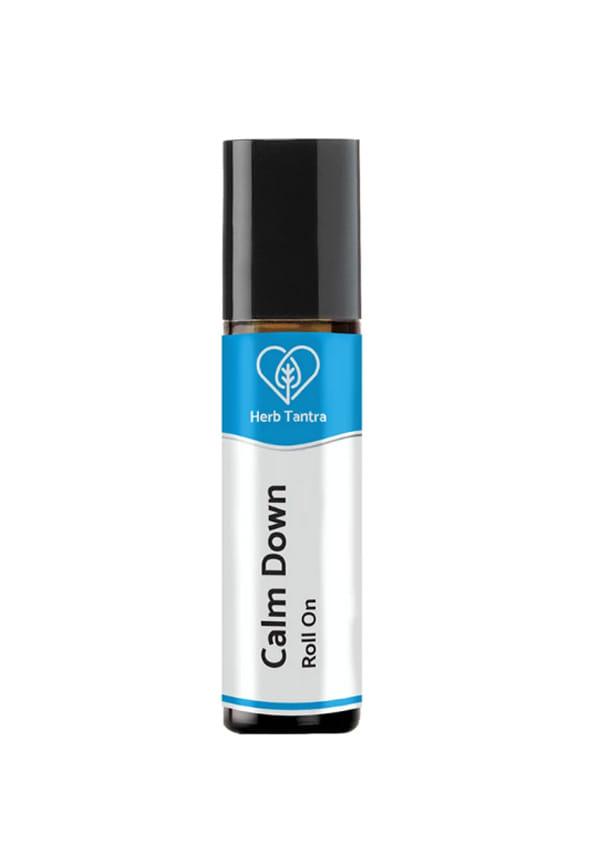
Calm Down Anxiety Relief Roll-On
These movements aren't about looking graceful—they're about letting your body naturally release tension. If you have a history of trauma, consider working with a qualified somatic therapist who can guide you safely through these practices.
Building a sustainable practice starts with honest self-assessment. Notice when your anxiety tends to spike—is it first thing in the morning, during work stress, or before bed? This helps you choose the right mindful walking for calm or other techniques that fit your schedule and needs.
Start small with just 5-10 minutes daily. You might do gentle stretches while your morning coffee brews, take a mindful walk during lunch, or practice body scanning before sleep. The key is consistency over intensity—a short daily practice beats an hour-long session once a week.
The 3-3-3 rule involves naming 3 things you can see, 3 sounds you can hear, and moving 3 parts of your body. Adding intentional movement amplifies this grounding technique—try gentle shoulder rolls, ankle circles, or simply walking whilst doing the visual and auditory parts. The movement helps discharge anxious energy whilst the sensory awareness brings you back to the present moment.
Neuroplasticity research shows that consistent movement meditation creates new neural pathways that favour calm over anxiety. Each time you practice mindful movement during stress, you're literally training your brain to choose a different response. Over time, this becomes your default pattern—your brain learns that movement equals safety and calm, rather than fight-or-flight mode.
There's no universal "best" technique—it depends on your anxiety type and personal preferences. If you're restless and agitated, walking meditation or gentle yoga might work well. For worry and rumination, try tai chi or body scanning. Those with trauma-related anxiety often benefit from somatic experiencing approaches. The beauty is in experimenting to find your perfect match, and platforms like Smytten make it easy to try different wellness approaches before committing.
Beginners can start with just 5 minutes daily and gradually increase to 15-20 minutes as the practice becomes more natural. For acute anxiety episodes, even 2-3 minutes of mindful movement can provide relief. Research suggests that 10-15 minutes of daily practice shows measurable benefits within 2-4 weeks, but some people notice improvements after just a few sessions.
Movement meditation is a powerful complementary practice, but it shouldn't replace professional treatment for clinical anxiety disorders. It works brilliantly alongside therapy, medication, or other treatments your healthcare provider recommends. Think of it as an additional tool in your anxiety management toolkit rather than a standalone solution.
This can happen, especially when you're first learning to tune into your body. If anxiety increases, slow down the movement, focus more on your breathing, or switch to a gentler technique. Sometimes our bodies need to release stored tension, which can temporarily feel uncomfortable. If this persists, consider working with a qualified instructor who can guide you safely.
Let's be real—starting any new practice comes with challenges. If you're struggling with consistency, try linking your movement meditation to an existing habit. Do gentle stretches whilst waiting for your tea to steep, or practice mindful walking to the bus stop instead of rushing.
Physical limitations don't have to stop you from accessing these anxiety relief techniques. Chair-based movements, gentle neck rolls, or even mindful breathing with subtle arm movements can be incredibly effective. The goal isn't perfect execution—it's finding what works for your unique body and circumstances.
When anxiety hits hard and you need immediate relief, try this sequence: Start with 10 deep breaths whilst gently rolling your shoulders. Then do 30 seconds of gentle shaking (hands, arms, whole body). Follow with 1 minute of slow, mindful walking or marching in place. Finish with 2 minutes of gentle stretching—neck rolls, arm circles, or simple side bends. This combination helps discharge anxious energy whilst activating your parasympathetic nervous system.
Movement meditation for anxiety offers a refreshing alternative to traditional seated meditation, especially for those who find stillness challenging when anxious. The combination of mindful movement and breath awareness creates a powerful tool for nervous system regulation that you can use anywhere, anytime.
Remember that finding your ideal practice takes time and experimentation. Start with techniques that feel natural and comfortable, build consistency with short daily sessions, and be patient with yourself as you develop this new skill. Whether it's walking meditation, gentle yoga, or somatic movement, the key is discovering what helps your unique body and mind find calm.
Just as Smytten believes you should never have to settle when it comes to discovering the perfect beauty or wellness products, your anxiety management approach deserves the same level of exploration and choice. Smytten is India's largest product discovery and trial platform, connecting consumers with top lifestyle, beauty, wellness, and grooming brands through curated trial packs from over 1,500 trusted brands. This try-before-you-buy approach to wellness discovery means you can explore different anxiety relief techniques and products without the commitment, making your journey to better mental health both affordable and rewarding. With 100% cashback on trial minis and PAN-India delivery, finding your perfect wellness routine has never been easier. After all, why settle for 'maybe' when you can #TryItAll!
