Monsoon Wellness Tips India FAQ: Staying Healthy This Rainy Season



Skin Care Combo Powder (Aloevera + Cucumber, Orange + Papaya, Neem + Mint, Neem + Tulsi, Turmeric + Orange)
The monsoon season in India brings much-needed relief from scorching summer heat, but it also ushers in a unique set of health challenges. From vector-borne diseases like dengue and malaria to digestive issues and skin problems, the rainy season demands a proactive approach to wellness. Whether you're dealing with humidity-induced skin troubles or trying to boost your immunity naturally, having the right monsoon wellness tips India can make all the difference. That's where platforms like Smytten come in handy—offering trial packs of wellness and skincare products so you can discover what works best for your monsoon health routine without the commitment of full-size purchases.
Monsoon season in India requires specific health precautions due to increased humidity, waterlogging, and disease outbreaks
Ayurvedic monsoon care emphasises warm foods, proper hygiene, and natural immunity boosters like turmeric and ginger
Prevention is key—focus on eliminating stagnant water, maintaining food safety, and protecting against vector-borne diseases
Monsoon skincare needs special attention to prevent fungal infections and humidity-related skin issues
Post-monsoon wellness involves detox practices and rebuilding immunity for the upcoming season
The Indian monsoon season presents unique health challenges that require targeted wellness strategies. Understanding these challenges is your first step towards staying healthy during the rainy season.
India's monsoon season brings intense humidity levels, widespread waterlogging, and increased disease transmission rates. The combination of stagnant water and warm temperatures creates perfect breeding grounds for mosquitoes, leading to outbreaks of dengue, malaria, and chikungunya. Additionally, contaminated water sources and compromised food safety standards during this period significantly increase the risk of waterborne illnesses like typhoid and gastroenteritis.
Recent health ministry data shows a 40% spike in vector-borne diseases during monsoon months across Indian cities. The humid conditions also trigger respiratory issues, skin infections, and digestive problems, making monsoon health tips essential for every Indian household.
Staying healthy during monsoon requires focusing on three fundamental areas: personal hygiene, environmental precautions, and immune system support.
Personal hygiene becomes even more critical during monsoons. Regular handwashing with soap, keeping feet dry, and changing into dry clothes immediately after getting wet can prevent numerous infections. Environmental precautions include eliminating stagnant water around your home, using mosquito nets, and ensuring proper ventilation to reduce humidity indoors.
Ayurveda offers time-tested wisdom for navigating monsoon wellness challenges. The ancient science recognises monsoon as Varsha Ritu, a season that requires specific lifestyle adjustments to maintain optimal health.
According to Ayurveda, monsoon season aggravates Vata and Pitta doshas while simultaneously weakening digestive fire (Agni). This imbalance makes the body more susceptible to infections and digestive issues. Traditional Ayurveda monsoon care emphasises consuming warm, easily digestible foods and incorporating immunity-boosting herbs into daily routines.
The ancient texts recommend avoiding excessive physical exertion during monsoons and instead focusing on gentle yoga, meditation, and breathing exercises to maintain mental and physical balance.
Ayurvedic daily routines for monsoon include waking up early, practising oil pulling with sesame or coconut oil, and consuming warm water throughout the day. Herbal teas made with ginger, tulsi, and cinnamon help maintain digestive health and boost immunity naturally.
Traditional monsoon immunity boosters include consuming a teaspoon of chyawanprash daily, drinking turmeric milk before bed, and incorporating warming spices like black pepper, cardamom, and cloves into meals.
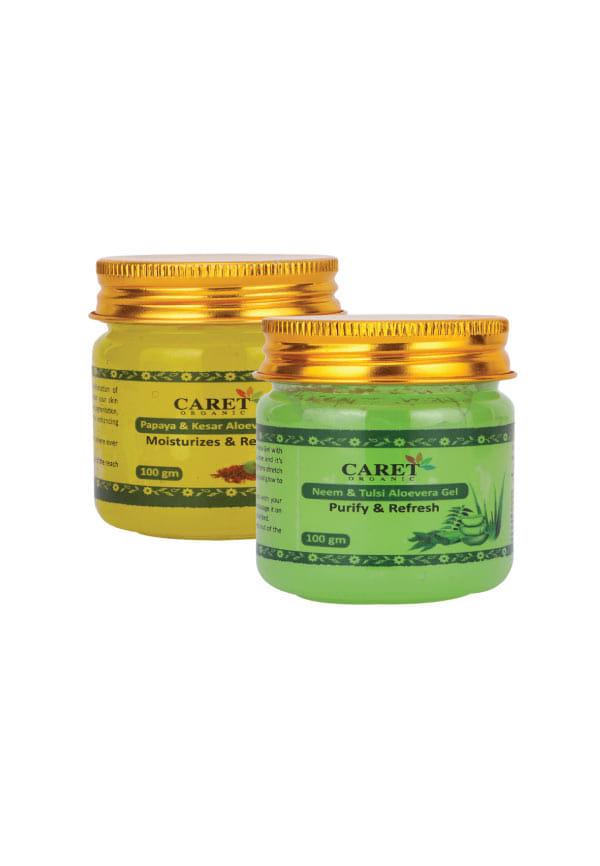
Kesar Papaya And Neem Tulsi Aloevera Gel
Your diet plays a crucial role in maintaining health during monsoons. The right food choices can significantly boost your immunity and protect against seasonal illnesses.
A healthy monsoon diet should prioritise warm, freshly cooked meals over raw or cold foods. Include immunity-boosting Indian staples like turmeric, ginger, garlic, and black pepper in your daily cooking. These natural monsoon immunity boosters have antimicrobial properties that help fight infections.
Seasonal vegetables like bottle gourd, ridge gourd, and bitter gourd are excellent choices. Fruits like pomegranate, apple, and pear provide essential vitamins without the risk associated with water-heavy fruits during monsoons.
Street food poses significant health risks during monsoons due to potential contamination and improper storage. Avoid raw salads, cut fruits from vendors, and uncooked foods that might harbour harmful bacteria.
Dairy products from unreliable sources, leafy vegetables that are difficult to clean thoroughly, and any food that's been sitting out for extended periods should be avoided to prevent foodborne illnesses.
Safe drinking water practices are non-negotiable during monsoons. Always boil water or use reliable purification methods. Herbal teas, warm water with lemon and honey, and fresh coconut water (from trusted sources) help maintain hydration while supporting digestive health.
Include digestive aids like cumin water, fennel tea, and ginger-based drinks to counter the weakened digestive fire that's common during rainy season health challenges.
Prevention remains your strongest defence against monsoon-related health issues. A comprehensive protection strategy addresses both vector-borne and waterborne disease risks.
Eliminating stagnant water sources around your home is crucial for preventing monsoon infections. Check and empty water storage containers, flower pots, and any areas where water might collect. Use mosquito nets, wear long-sleeved clothing during peak mosquito hours, and apply natural repellents like neem oil or citronella.
Installing mesh screens on windows and doors, using mosquito coils or electric repellents, and maintaining clean surroundings significantly reduce disease transmission risks.
Water purification becomes critical during monsoons when municipal water supplies might be compromised. Boiling water for at least 10 minutes, using UV purifiers, or reliable water purification tablets ensures safe drinking water.
Food safety practices include washing vegetables and fruits with clean water, avoiding ice from unknown sources, and ensuring all meals are freshly prepared and consumed hot.

Pink Mania AHA BHA Purifying & Oil Control Face Oil With Turmeric & Green Tea
High humidity during monsoons creates ideal conditions for fungal infections. Keep your skin dry, change out of wet clothes immediately, and use antifungal powders in areas prone to moisture accumulation.
For respiratory health, ensure proper ventilation in living spaces, avoid damp areas, and use natural air purifiers like indoor plants to maintain air quality.
The humid monsoon climate poses unique challenges for skin health. Understanding these challenges and adapting your skincare routine accordingly can prevent common monsoon skin problems.
Fungal infections, particularly in areas like feet, underarms, and groin, are common during monsoons due to increased moisture and reduced air circulation. Acne breakouts often worsen due to humidity and increased oil production, while some people experience dry, flaky skin from constant exposure to rain and wind.
Natural solutions include using neem-based products for their antifungal properties, applying turmeric paste for minor skin irritations, and using rose water as a natural toner to balance skin pH.
Your monsoon skincare India routine should focus on gentle cleansing twice daily with a mild, pH-balanced cleanser. Use lightweight, non-comedogenic moisturisers that won't clog pores in humid conditions.
Natural ingredients like aloe vera gel, cucumber, and mint provide cooling relief while maintaining skin hydration. Choose breathable, cotton clothing and change out of damp clothes immediately to prevent skin irritation and fungal growth.
As monsoon season ends, your body needs specific care to recover from the seasonal challenges and prepare for the upcoming weather changes.
Post-monsoon wellness focuses on gentle detoxification to eliminate toxins accumulated during the humid season. Include detoxifying foods like bitter gourd, turmeric, and green leafy vegetables in your diet. Herbal teas made with ginger, tulsi, and coriander seeds help cleanse the system naturally.
Gradually increase physical activity as the weather becomes more conducive to exercise. Start with gentle yoga, walking, or swimming to rebuild strength and stamina that might have decreased during the sedentary monsoon period.
Building sustainable wellness habits involves creating year-round immunity through balanced nutrition, regular exercise, and stress management. Seasonal transition planning helps your body adapt smoothly to changing weather patterns and associated health challenges.
Focus on building resilience through consistent sleep patterns, mindful eating practices, and maintaining social connections that support mental and emotional well-being.
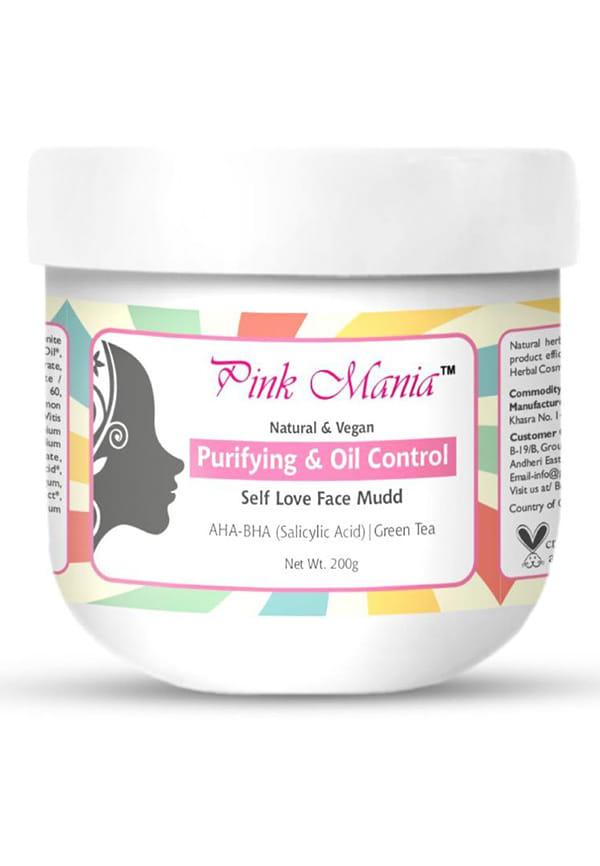
Pink Mania AHA BHA Purifying & Oil Control Face Mudd With Turmeric & Green Tree
The most crucial precautions include eliminating stagnant water to prevent mosquito breeding, consuming only boiled or purified water, eating freshly cooked warm meals, maintaining personal hygiene, and keeping living spaces dry and well-ventilated. Regular handwashing and avoiding street food during monsoons are also essential.
Natural immunity boosters include consuming turmeric milk, ginger tea, and chyawanprash daily. Include warming spices like black pepper, cinnamon, and cloves in your cooking. Practice yoga and meditation, get adequate sleep, and maintain a diet rich in vitamin C from fruits like amla and guava.
Ayurveda recommends following a warm, light diet with easily digestible foods. Practice oil pulling with sesame oil, consume herbal teas with tulsi and ginger, and maintain regular sleep patterns. Gentle yoga and breathing exercises help balance the doshas affected during monsoon season.
Avoid raw foods, street food, cut fruits from vendors, leafy vegetables that are difficult to clean, dairy products from unreliable sources, and any food that's been sitting out. Cold drinks and ice should also be avoided as they weaken digestive fire during monsoons.
Prevention involves eliminating all sources of stagnant water around your home, using mosquito nets and repellents, wearing long-sleeved clothing during peak mosquito hours, and maintaining clean surroundings. Install mesh screens on windows and use natural repellents like neem oil.
Use a gentle cleanser twice daily, apply lightweight moisturisers, and keep skin dry. Natural ingredients like aloe vera, neem, and turmeric help prevent fungal infections. Change out of wet clothes immediately and use antifungal powders in moisture-prone areas. Products available on Smytten can help you trial different skincare options to find what works best for your skin during monsoons.
Focus on warm, freshly cooked meals and avoid raw or cold foods. Include digestive spices like cumin, coriander, and ginger in your cooking. Drink warm water throughout the day and consume herbal teas. Eat smaller, frequent meals and avoid overeating to support weakened digestive fire during monsoons.
Seek medical attention for persistent fever, severe headache, body aches, skin rashes, prolonged digestive issues, difficulty breathing, or any symptoms of dengue, malaria, or typhoid. Don't ignore persistent cough, unusual fatigue, or any signs of dehydration during the monsoon season.
Monsoon wellness in India requires a comprehensive approach that combines traditional Ayurvedic wisdom with modern health practices. Focus on prevention through proper hygiene, safe food and water practices, and environmental precautions. Boost your immunity naturally with warming spices, herbal teas, and nutrient-rich foods while avoiding risky street food and raw items.
Your skincare routine needs special attention during monsoons to prevent fungal infections and humidity-related issues. Remember that post-monsoon wellness is equally important for transitioning smoothly into the next season. Stay vigilant about symptoms and don't hesitate to seek medical help when needed.
Navigating monsoon wellness successfully means being prepared with the right products and knowledge. Smytten makes it easier to discover wellness and skincare products perfect for monsoon care through trial packs from trusted brands. With over 1,500 brands available and 100% cashback on trials, you can explore immunity boosters, natural skincare solutions, and wellness products without committing to full sizes. From Ayurvedic supplements to monsoon-appropriate skincare, trial on Smytten to find your perfect monsoon wellness routine. After all, why settle for 'maybe' when you can #TryItAll and stay healthy throughout the rainy season!
