Minoxidil Alternatives for Men FAQ: Your Hair Loss Questions Answered

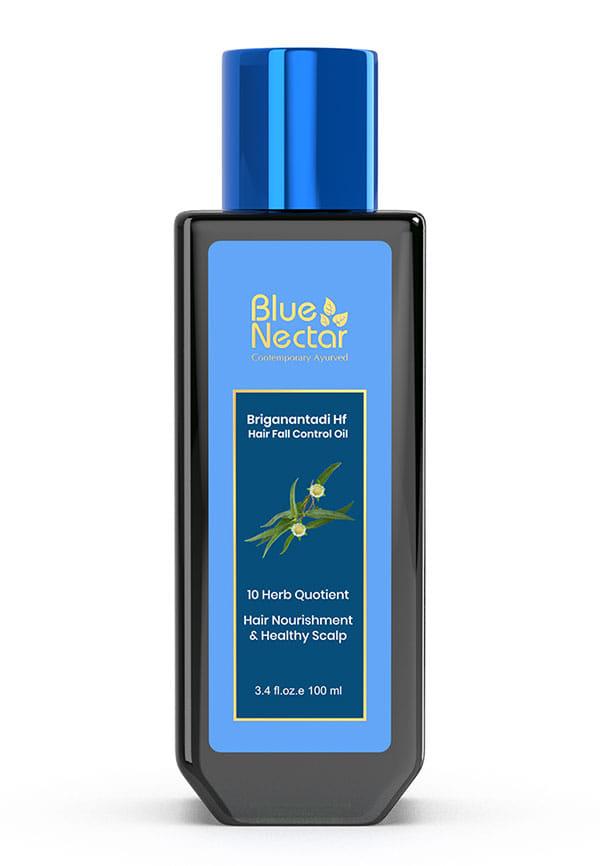
Briganantadi Hair Fall control and Healthy Scalp Hair Oil 10 Herbs
Hair loss affects millions of men worldwide, and while minoxidil has long been the go-to treatment, it's not the only option on the table. Many men experience side effects like scalp irritation, unwanted facial hair growth, or simply find the daily application routine too demanding. Others don't see the results they hoped for, leading them to explore alternative treatments that might work better for their specific situation. Whether you're dealing with early signs of thinning or more advanced hair loss, understanding your options beyond minoxidil can help you make a more informed decision about your hair restoration journey. From prescription alternatives to natural remedies and innovative treatments available on platforms like Smytten, there's a whole world of hair loss solutions waiting to be discovered.
Prescription alternatives like finasteride and dutasteride offer proven DHT-blocking benefits for androgenetic alopecia treatments
Natural hair regrowth options including saw palmetto, rosemary oil, and pumpkin seed oil show promising clinical results
Advanced treatments like red light therapy, microneedling, and PRP provide non-pharmaceutical hair thinning solutions for men
Lifestyle factors including proper nutrition, stress management, and scalp health play crucial roles in hair loss prevention
Combining multiple approaches often yields better results than relying on a single treatment method
Let's be real—minoxidil isn't everyone's cup of tea. While it's been the gold standard for hair loss treatments for men for decades, plenty of guys find themselves looking for other options. The most common complaint? Scalp irritation that ranges from mild itching to full-blown dermatitis that makes your head feel like it's on fire.
Then there's the lifestyle factor. Applying minoxidil twice daily, every single day, for the rest of your life can feel like a proper chore. Miss a few applications and you might start losing the progress you've made. Add to that the cost—quality minoxidil products can set you back ₹2,000-₹4,000 monthly—and you've got a treatment that doesn't suit everyone's budget or routine.
Before diving into alternatives, it helps to understand what you're actually fighting. Androgenetic alopecia, the fancy term for male pattern baldness, happens when dihydrotestosterone (DHT) shrinks your hair follicles over time. This hormone binds to receptors in your scalp, gradually making follicles smaller until they can't produce healthy hair anymore.
When natural remedies aren't cutting it, prescription alternatives offer some of the most effective hair loss treatments for men available today. These medications work differently from minoxidil, often targeting the root cause rather than just stimulating growth.
Finasteride (Propecia) is probably the most well-known alternative. This DHT blocker for hair loss works by inhibiting the enzyme that converts testosterone to DHT, reducing DHT levels by up to 70%. Clinical studies show that about 80% of men maintain their hair count, and 65% actually see some regrowth after two years of use.
Dutasteride takes DHT blocking a step further, reducing DHT levels by up to 95%. While it's not officially approved for hair loss in many countries, dermatologists often prescribe it off-label for men who don't respond well to finasteride. The catch? It stays in your system longer, so side effects—if they occur—can persist for months after stopping.
Oral minoxidil might sound counterintuitive, but low-dose oral versions (0.25-5mg daily) are gaining popularity. They're easier to use than topical applications and can be more effective, though they require careful monitoring for blood pressure changes.
When chatting with your doctor about prescription alternatives, come prepared with questions about your candidacy, potential side effects, and monitoring requirements. Be honest about your medical history, especially any heart conditions or hormone-related issues that might affect treatment choices.
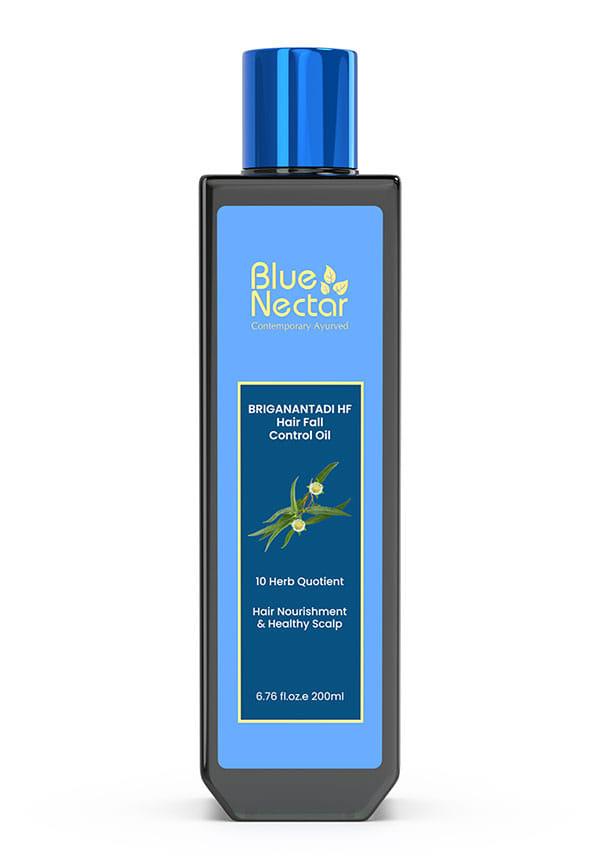
Briganantadi Hair Fall control and Healthy Scalp Hair Oil 10 Herbs
Natural doesn't always mean less effective—some plant-based treatments have impressive clinical backing. These non-minoxidil hair growth solutions work through various mechanisms, from DHT inhibition to improved scalp circulation.
Saw palmetto extract is probably the most studied natural DHT blocker. A 2012 study found that men taking 320mg daily saw a 38% increase in hair count after 24 weeks. It works by inhibiting 5-alpha-reductase, the same enzyme that finasteride targets, just less aggressively.
Pumpkin seed oil made headlines when a 2014 study showed men using it experienced a 40% increase in hair count compared to placebo. The oil contains compounds that naturally block DHT while providing essential fatty acids that support scalp health for hair growth.
Rosemary oil went head-to-head with minoxidil in a 2015 study and came out surprisingly well. After six months, both groups saw similar improvements in hair count, but the rosemary oil group reported less scalp itching. The key is using it at the right concentration—about 3.7mg per gram of carrier oil.
Caffeine-based treatments work by penetrating the scalp and directly stimulating hair follicles. German research shows that caffeine can counteract DHT's effects at the follicle level, potentially extending the growth phase of hair cycles.
When preparing natural treatments at home, always do a patch test first. Mix rosemary oil with a carrier like jojoba or coconut oil, and massage into your scalp for 5-10 minutes before washing. For saw palmetto, stick to standardised extracts rather than trying to make your own—consistency matters for results.
Technology has opened up exciting new avenues for treating hair loss without relying on traditional medications. These advanced treatments often work well alongside other approaches, creating comprehensive hair restoration protocols.
Red light therapy (LLLT) uses specific wavelengths of light to stimulate cellular activity in hair follicles. FDA-cleared devices are available for home use, typically requiring 20-30 minute sessions three times weekly. Studies show improvements in hair density and thickness after 16-26 weeks of consistent use.
Microneedling with dermarollers creates tiny wounds in the scalp, triggering healing responses that can reactivate dormant follicles. A 2013 study found that men combining microneedling with minoxidil saw 91% more hair regrowth than those using minoxidil alone—imagine the possibilities with other treatments.
Platelet-rich plasma (PRP) involves drawing your blood, concentrating the platelets, and injecting them into your scalp. The growth factors in platelets can stimulate follicle activity. While results vary, many men see improvements after 3-6 monthly sessions.
Scalp massage might sound too simple to work, but a 2016 study found that men who massaged their scalps for 4 minutes daily saw increased hair thickness after 24 weeks. The mechanical stimulation improves blood flow and may help stretch follicle cells.
The magic often happens when you combine multiple approaches. For example, using saw palmetto internally while applying rosemary oil topically and incorporating weekly microneedling sessions can target hair loss from multiple angles. Just introduce treatments gradually to monitor how your scalp responds.
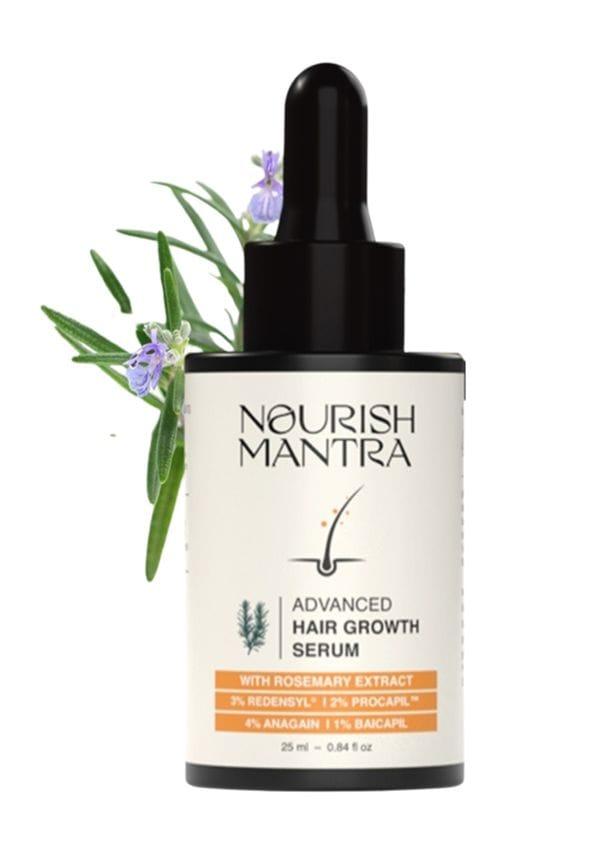
Advanced Hair Growth Serum With Rosemary Oil for Hair Regrowth and Stop Hairfall - 25 ml
The cosmetic industry has developed several innovative ingredients that rival minoxidil's effectiveness. These hair regrowth products without minoxidil often combine multiple active compounds for enhanced results.
Redensyl is a patented complex that targets stem cells in hair follicles. Clinical studies show it can be more effective than minoxidil at promoting hair growth, with some products showing 17% more hair growth after 84 days of use.
Procapil combines biotinyl-GHK, apigenin, and oleanolic acid to strengthen hair anchoring and improve scalp circulation. It's designed to prevent follicle ageing while stimulating growth, making it one of the best hair loss remedies for men looking for comprehensive protection.
Capixyl blends acetyl tetrapeptide-3 with red clover extract, targeting inflammation and DHT production at the follicle level. Studies suggest it can increase hair growth by up to 52% while reducing hair loss by 58%.
Copper peptides work by improving blood flow to follicles and providing building blocks for healthy hair growth. They're particularly effective for men dealing with both hair loss and scalp health issues.
When shopping for hair growth products, look for clinical studies rather than just testimonials. Check ingredient concentrations—many products contain active ingredients but at levels too low to be effective. Be wary of products promising results in unrealistic timeframes; genuine hair regrowth typically takes 3-6 months to become noticeable.
Sometimes the best hair loss prevention for men starts with addressing underlying health factors. Your hair is essentially a reflection of your overall health, so optimising nutrition and lifestyle can significantly impact hair growth and retention.
Essential nutrients play crucial roles in hair health. Iron deficiency is surprisingly common in men with hair loss, while zinc supports protein synthesis needed for hair structure. Vitamin D receptors in hair follicles suggest this vitamin is essential for normal hair cycling. Biotin, while overhyped in marketing, is genuinely important for hair protein formation.
Protein requirements increase when you're trying to regrow hair. Hair is primarily made of keratin, a protein, so inadequate protein intake can slow growth and weaken existing hair. Aim for at least 1.2-1.6 grams per kilogram of body weight daily.
Stress management isn't just good for your mental health—chronic stress elevates cortisol, which can push hair follicles into resting phases prematurely. Regular exercise, meditation, or even just ensuring adequate sleep can help maintain healthy cortisol levels.
Sleep quality affects growth hormone production, which peaks during deep sleep phases. Poor sleep doesn't just make you tired; it can literally slow down hair regeneration processes.
Build habits that support long-term hair health: gentle scalp cleansing, protecting hair from excessive heat and chemical damage, and maintaining consistent nutrition. Consider supplements only after addressing dietary gaps, and remember that whole foods generally provide better nutrient absorption than isolated supplements.
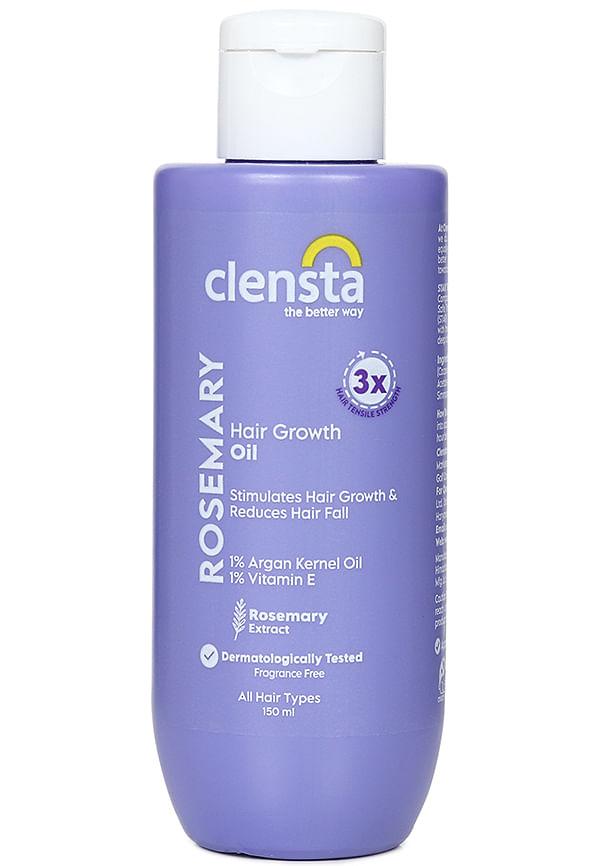
Rosemary Hair Growth Oil With Argan Oil & Vitamin E For Reducing Hair Fall, Strengthens Hair & Breakage
Most alternatives don't have the blood pressure effects associated with minoxidil. Natural options like saw palmetto and rosemary oil work locally on the scalp without systemic cardiovascular effects. Prescription alternatives like finasteride work through hormone pathways rather than affecting blood vessels. However, oral minoxidil at low doses can still affect blood pressure, so monitoring is essential.
When standard treatments fail, advanced options include hair transplantation, stem cell therapy, or participating in clinical trials for emerging treatments. Sometimes the issue isn't the treatment itself but factors like underlying health conditions, medication interactions, or unrealistic expectations about timelines. A dermatologist can help identify why treatments aren't working and suggest alternative approaches.
Natural alternatives typically require 3-6 months for noticeable improvements, similar to minoxidil. Prescription alternatives like finasteride may show initial results in 3-4 months, with peak benefits at 12-24 months. Advanced treatments like PRP or red light therapy usually require 4-6 months of consistent use. Remember, stopping hair loss is often the first sign of success, even before new growth becomes visible.
Some natural alternatives show comparable effectiveness in clinical studies. Rosemary oil performed similarly to minoxidil in head-to-head trials, while pumpkin seed oil showed impressive hair count increases. However, individual responses vary significantly. Natural alternatives often work best as part of comprehensive approaches rather than standalone treatments. Products available on Smytten let you trial different natural formulations to find what works for your specific situation.
Early-stage hair loss (Norwood 1-3) responds well to DHT blockers like finasteride or saw palmetto. Moderate loss (Norwood 4-5) often requires combination approaches including prescription medications plus advanced treatments like PRP. Severe loss (Norwood 6-7) may need hair transplantation combined with medical treatments to maintain remaining hair and support transplanted follicles.
Many alternatives can be safely combined, and combination therapy often produces better results than single treatments. For example, using saw palmetto internally while applying rosemary oil topically and incorporating microneedling is generally safe. However, combining multiple prescription medications requires medical supervision. Always introduce new treatments gradually and monitor for any adverse reactions.
The world of hair loss treatment extends far beyond minoxidil, offering hope for men who haven't found success with traditional approaches or want to avoid potential side effects. Prescription alternatives like finasteride and dutasteride provide powerful DHT-blocking action, while natural options such as saw palmetto and rosemary oil offer gentler but still effective solutions. Advanced treatments like red light therapy and microneedling open up exciting possibilities for non-pharmaceutical approaches.
The most successful hair restoration strategies often combine multiple approaches—addressing DHT production, improving scalp health, optimising nutrition, and supporting overall wellness. Whether you choose prescription medications, natural remedies, or cutting-edge treatments, consistency and patience are key. Hair regrowth is a marathon, not a sprint, and the best approach is one you can maintain long-term while monitoring progress and adjusting as needed.
Finding the right hair loss solution is deeply personal, and what works for one person might not work for another. That's where platforms like Smytten become invaluable for your hair restoration journey. As India's largest product discovery and trial platform, Smytten connects you with over 1,500 trusted brands offering everything from natural hair growth serums to advanced scalp treatments. Instead of committing to full-size products that might not work for you, you can trial authentic, brand-verified minis for just ₹249 and get up to 8 different products to test. With 100% cashback on trials redeemable for future purchases, you can explore various hair care solutions without the financial risk. Whether you're looking for natural DHT blockers, scalp-nourishing oils, or innovative hair growth formulations, Smytten's curated selection helps you discover what actually works for your specific hair loss pattern. After all, why settle for maybe when you can try it all and find your perfect hair restoration routine?
