Mindful Yoga for Beginners FAQ: Your Questions Answered


Dard Shakti Pain Relief Massage Oil
Starting your mindful yoga journey can feel overwhelming with so many questions swirling around. Whether you're wondering about the difference between mindful yoga and regular yoga, or how to create a calming practice at home, you're not alone. This comprehensive FAQ guide answers the most common questions about mindful yoga for beginners, helping you build confidence in your practice from day one. From basic yoga poses for relaxation to breathing exercises for calm, we'll cover everything you need to know to begin your journey toward inner peace and mental clarity. Plus, with platforms like Smytten offering wellness products to support your practice, you can explore different tools and accessories to enhance your mindful yoga experience.
Mindful yoga combines traditional poses with present-moment awareness, making it perfect for stress relief and mental clarity
Beginners can start with just 10-minute routines focusing on gentle poses and breathing exercises
Essential elements include body awareness exercises, basic meditation techniques, and creating a consistent home practice
No special equipment needed—just a mat and comfortable clothes to begin your introduction to yoga practice
Regular practice helps develop both physical flexibility and emotional resilience through mindful movement
Mindful yoga for beginners blends traditional yoga poses with meditation principles, creating a practice that's both physically gentle and mentally nourishing. Unlike fast-paced yoga styles, mindful yoga emphasises present-moment awareness, making it an ideal introduction to yoga practice for newcomers. The approach focuses on how your body feels in each pose rather than achieving perfect alignment, which takes the pressure off and makes the experience more accessible.
The benefits extend far beyond physical flexibility. Regular practice helps develop body awareness exercises that teach you to recognise tension patterns and emotional responses. This heightened awareness becomes a powerful tool for stress management in daily life, helping you respond rather than react to challenging situations.
Mindful yoga moves at a slower pace, allowing time to explore each pose deeply. You'll hold positions longer, focus on breath awareness, and practice gentle transitions that honour your body's current capabilities.
Progress in mindful yoga isn't measured by advanced poses but by increased self-awareness and inner calm. Beginners often notice improved sleep, reduced anxiety, and better emotional regulation within just a few weeks of consistent practice.
Breathing exercises for calm form the foundation of any mindful yoga practice. These techniques help activate your parasympathetic nervous system, naturally reducing stress and creating the mental space needed for deeper awareness. Starting with breath work before moving into poses helps establish the mindful quality that makes this practice so transformative.
The beauty of pranayama (breath control) lies in its simplicity—you can practice these meditation and yoga basics anywhere, anytime. Whether you're preparing for your yoga session or need a quick stress-relief tool during your day, these techniques become invaluable life skills.
Inhale for 4 counts, hold for 7, exhale for 8. This pattern naturally calms the nervous system and works particularly well before bedtime or during stressful moments.
Place one hand on your chest, one on your belly. Focus on expanding the lower hand while keeping the upper hand relatively still. This deeper breathing pattern promotes relaxation and better oxygen flow.
Breathe into your belly, then ribs, then chest in sequence. Exhale in reverse order. This technique builds breath awareness and creates a meditative rhythm for your practice.

Calming & Anti-Fatigue Body Massage Oil
These basic yoga poses for relaxation provide a solid foundation for your mindful practice. Each pose includes modifications to ensure accessibility regardless of your current flexibility or strength level. Remember, the goal isn't perfection—it's about cultivating awareness and finding what feels good in your body today.
Gentle yoga for new students emphasises safety and comfort over achievement. Listen to your body's signals and never force a pose. If something feels uncomfortable, back off or try a modification. Your body is your best teacher in this journey.
Stand tall with feet hip-width apart, arms at your sides. Feel your connection to the ground while lengthening through the crown of your head. This foundational pose teaches proper alignment and body awareness.
Kneel on the floor, touch your big toes together, and sit back on your heels. Fold forward, extending arms in front or alongside your body. This restorative pose provides instant stress relief and introspection.
Start on hands and knees. Arch your back while lifting your head (cow), then round your spine while tucking your chin (cat). This gentle movement connects breath with movement and releases spinal tension.
Sit with legs extended, hinge forward from your hips. Don't worry about touching your toes—focus on the sensation of gentle stretching and the calming effect of folding inward.
Lie on your back near a wall, extend legs up against it. This restorative pose improves circulation and activates the relaxation response, making it perfect for ending your practice.
Creating easy yoga routines that fit your schedule makes consistency achievable. These sequences progress from quick morning energisers to longer, more comprehensive practices. The key is starting where you are and gradually building your practice as it becomes a natural part of your routine.
Each routine incorporates the mindful principles you've learned—breath awareness, present-moment focus, and gentle self-compassion. You can adapt these sequences based on your energy levels, available time, and specific needs on any given day.
Begin with three-part breathing (2 minutes), move through cat-cow stretches (2 minutes), hold mountain pose (1 minute), practice gentle twists (3 minutes), and end in child's pose (2 minutes). This sequence awakens your body gently while setting a mindful tone for your day.
Start with 4-7-8 breathing (3 minutes), flow through sun salutation modifications (8 minutes), hold restorative poses like child's pose and legs up the wall (7 minutes), and conclude with brief meditation (2 minutes). Perfect for unwinding after work or preparing for restful sleep.
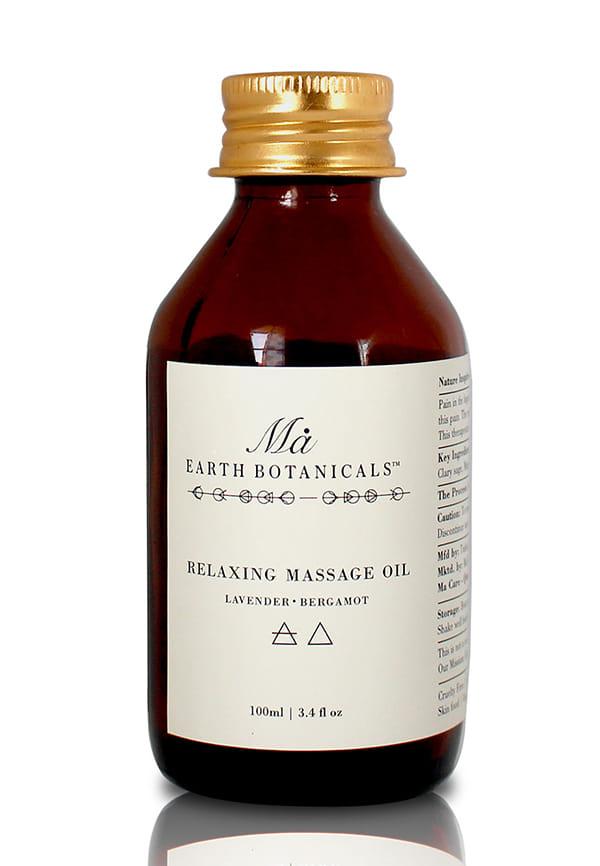
Relaxing Massage Oil
Include breath work (5 minutes), gentle warm-up movements (5 minutes), standing poses (8 minutes), seated poses and forward folds (7 minutes), and relaxation with meditation (5 minutes). This longer practice allows deeper exploration of poses and sustained mindfulness.
Stress relief yoga techniques work by interrupting the body's stress response and activating natural relaxation mechanisms. Through mindful movement and breath awareness, you learn to recognise early signs of tension and address them before they become overwhelming. This proactive approach to stress management becomes increasingly valuable as you develop your practice.
Body awareness exercises teach you to scan your physical sensations without judgement, creating space between stimulus and response. This skill proves invaluable in daily life, helping you pause and choose your reactions rather than being driven by automatic stress patterns.
Move through poses while consciously tensing and releasing different muscle groups. Start with your toes in mountain pose, work up through your legs, torso, arms, and face, noticing the contrast between tension and relaxation.
In any resting pose, systematically notice sensations from your toes to the crown of your head. Don't try to change anything—simply observe with curiosity and kindness.
Forward folds, gentle inversions like legs up the wall, and supported child's pose all activate the parasympathetic nervous system. These poses create a sense of safety and introspection that naturally calms anxious thoughts.
Finding inner peace through yoga happens when movement becomes meditation in motion. This integration transforms your practice from mere physical exercise into a pathway for mental clarity and emotional balance. The combination of mindful movement, breath awareness, and present-moment focus creates conditions for deep inner stillness.
Yoga for mental clarity works by training your attention and developing the skill of non-reactive awareness. As you learn to observe thoughts and sensations without immediately responding, you cultivate the mental space needed for wise decision-making and emotional regulation.
Practice walking meditation between poses, focusing on the sensation of your feet touching the ground. This bridges the gap between formal sitting meditation and active yoga practice.
Use anchor points like breath, physical sensations, or sounds to return your attention when your mind wanders. This isn't about stopping thoughts but noticing when you've drifted and gently returning to the present.
Acknowledge thoughts without engaging with their content. Imagine them as clouds passing through the sky of your awareness—temporary visitors that don't require your attention or reaction.
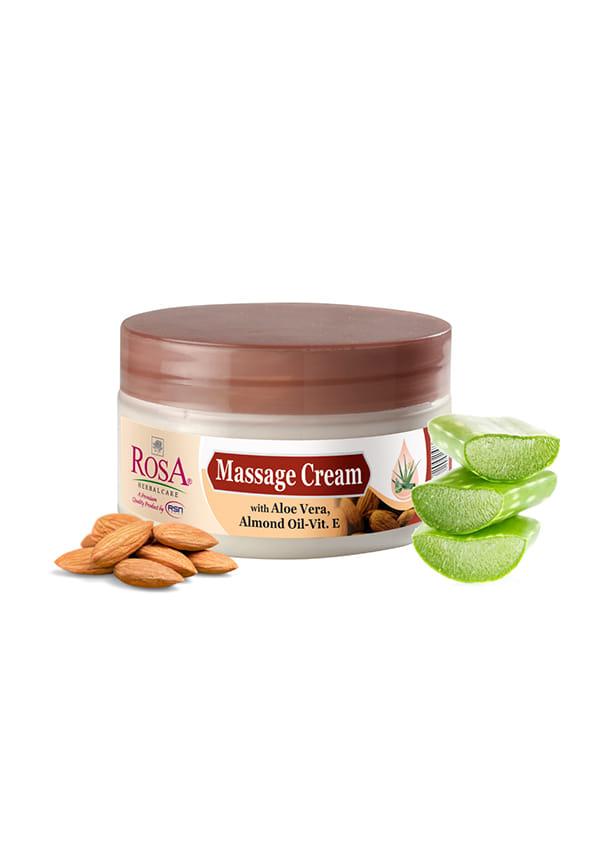
Massage Cream With Aloe Vera , Almond & Vitamin -E I Natural & Herbal ingredients
Start with 10-15 minutes daily rather than longer, infrequent sessions. Consistency matters more than duration. As your practice develops, you can gradually extend to 20-30 minutes. Listen to your body and energy levels—some days a 5-minute breathing practice might be exactly what you need.
Absolutely! Mindful yoga for beginners is particularly well-suited for home practice because it emphasises internal awareness over complex poses. Start with basic sequences, use online resources for guidance, and trust your body's wisdom. Consider occasional classes or workshops to refine your understanding.
Mindful yoga emphasises present-moment awareness and internal experience over physical achievement. While traditional yoga might focus on perfecting poses, mindful yoga prioritises how poses feel and what they teach you about your body and mind. The pace is generally slower, with more emphasis on breath and meditation.
A yoga mat provides stability and defines your practice space, but you can start on a carpet or towel. Comfortable, stretchy clothing allows free movement. Props like blocks or bolsters can enhance comfort, but household items like pillows or books work as substitutes. Available on Smytten, you can trial various yoga accessories to find what supports your practice best.
Mindful yoga activates the parasympathetic nervous system, which counters the stress response. The combination of gentle movement, deep breathing, and present-moment focus interrupts anxious thought patterns. Regular practice builds resilience and provides tools for managing stress in daily life.
Morning practice sets a calm, centred tone for your day, while evening sessions help release accumulated tension. The best time is when you can practice consistently. Some people prefer shorter morning sessions for energy and longer evening practices for relaxation.
Yes, particularly evening practices that include gentle poses, breathing exercises, and relaxation techniques. The stress-reducing effects of mindful yoga often improve sleep quality naturally. Avoid energising poses close to bedtime and focus on restorative positions.
If you're paying attention to your breath, noticing physical sensations, and approaching your practice with curiosity rather than judgement, you're on the right track. There's no "perfect" way—the goal is awareness and self-compassion, not flawless execution of poses.
Mindful yoga for beginners offers a gentle, accessible path to physical wellness and mental clarity. The practice emphasises awareness over achievement, making it perfect for those new to yoga or seeking a more meditative approach. Start with simple breathing exercises and basic poses, gradually building your practice as you develop confidence and body awareness.
Remember that consistency trumps intensity—a daily 10-minute practice creates more lasting benefits than sporadic longer sessions. Focus on how poses feel rather than how they look, and trust your body's wisdom to guide your practice. The integration of movement, breath, and mindfulness creates a powerful tool for stress management and personal growth.
Most importantly, approach your practice with patience and self-compassion. Every day on the mat is different, and that's perfectly normal. Your mindful yoga journey is uniquely yours—honour where you are today while remaining open to growth and discovery.
Embarking on a mindful yoga journey opens doors to both physical wellness and inner peace, but finding the right tools and accessories can enhance your practice significantly. Smytten is India's largest product discovery and trial platform, connecting consumers with top lifestyle, beauty, wellness, and grooming brands through curated trial packs. With over 1,500 trusted brands available, you can explore yoga mats, aromatherapy products, wellness supplements, and relaxation aids before committing to full-size purchases. Each mini is linked with Trial Points, and users can get up to 8 minis for just ₹249, plus Smytten offers 100% cashback on trials, making it affordable to discover what truly supports your practice. Whether you're looking for calming essential oils, comfortable yoga wear, or meditation accessories, you can trial on Smytten with PAN-India delivery of 100% authentic, directly sourced products. With over 25 million users trusting the platform, you can explore India's largest minis collection to find your perfect wellness companions. After all, why settle for 'maybe' when you can #TryItAll!
