Mindful Yoga for Anxiety Relief FAQ: Your Questions Answered

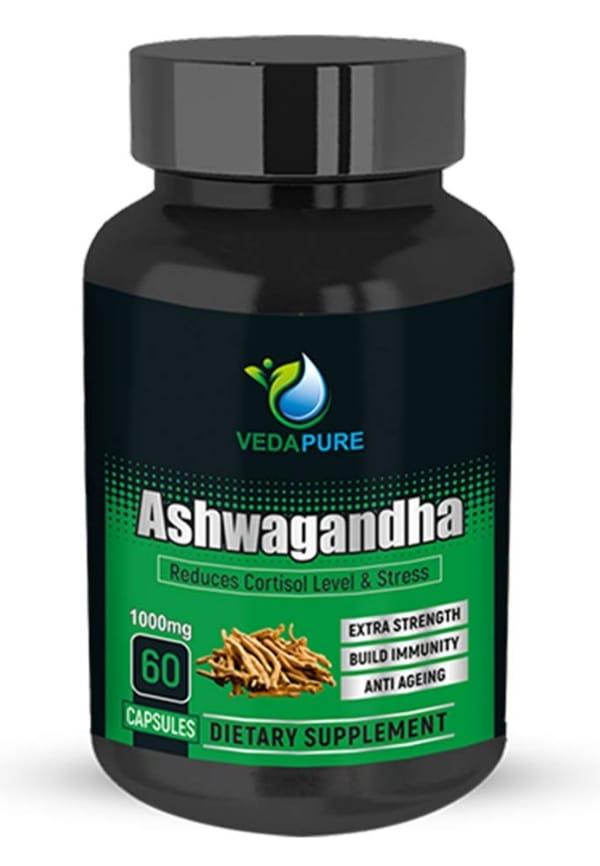
Ashwagandha Anxiety & Stress Relief
Feeling overwhelmed by anxiety and wondering if mindful yoga could be your answer? You're not alone. Millions of people are discovering how gentle, intentional movement combined with breath awareness can transform their relationship with stress and worry. Mindful yoga for anxiety relief isn't just about striking poses—it's about creating a safe space where your nervous system can finally exhale. Whether you're dealing with racing thoughts, physical tension, or that constant feeling of being on edge, this practice offers tools that work both on and off the mat. From calming yoga poses to breathing exercises that actually shift your state in minutes, we're diving into everything you need to know about using yoga as your anxiety relief toolkit. Plus, with wellness products available on Smytten, you can explore supportive items that complement your mindful movement practice without the commitment of full-size purchases.
Mindful yoga combines gentle movement with breath awareness to naturally reduce anxiety symptoms
Specific yoga styles like restorative, hatha, and somatic yoga are particularly effective for anxiety relief
Essential calming poses include Child's Pose, Legs-Up-the-Wall, and gentle forward folds
Breathing techniques like 4-7-8 breathing and box breathing provide immediate anxiety relief
Consistent practice, even just 15 minutes daily, can create lasting changes in how you handle stress
Think of mindful yoga as your nervous system's best friend. Unlike traditional yoga that might focus on achieving perfect poses or building strength, mindful yoga for anxiety relief prioritises awareness, breath, and gentle movement that actually calms your mind. It's about tuning into what your body needs right now, not pushing through discomfort or forcing yourself into positions that create more stress.
The magic happens when you combine yoga's physical benefits with mindfulness practices. Research shows that yoga for stress and anxiety works by activating your parasympathetic nervous system—basically telling your body it's safe to relax. When you move mindfully, focusing on your breath and staying present, you're literally rewiring your brain's response to stress.
Breath awareness forms the foundation of any anxiety-reducing yoga practice. Your breath is like a remote control for your nervous system—slow it down, and everything else follows. Present-moment focus helps break the cycle of anxious thoughts about the future or regrets about the past.
Gentle movement releases physical tension that anxiety loves to store in your shoulders, jaw, and hips. This isn't about perfection; it's about connection. Anyone dealing with anxiety can benefit from this approach, regardless of age, fitness level, or yoga experience.
Not all yoga is created equal when it comes to anxiety relief. Some styles naturally lend themselves to calming your nervous system, while others might actually amp up your stress if you're already feeling wound up. Let's break down the most effective approaches for anxiety reducing yoga.
Restorative yoga is like a warm hug for your nervous system. You'll spend most of your time in supported poses using props like bolsters and blankets, allowing your body to completely surrender. It's perfect for those days when anxiety has left you feeling depleted.
Hatha yoga moves at a pace that won't overwhelm an anxious mind. Poses are held for several breaths, giving you time to settle in and actually feel the benefits. There's no rushing from one position to another—just steady, grounding movement.
Yin yoga involves holding poses for 3-5 minutes, often targeting areas where we store emotional tension. It's not uncommon to feel emotions surface during these longer holds—that's actually part of the healing process.
Somatic yoga for anxiety focuses on slow, mindful movements that help you reconnect with your body's signals. This approach is particularly helpful if anxiety has left you feeling disconnected from physical sensations or if you have a history of trauma.
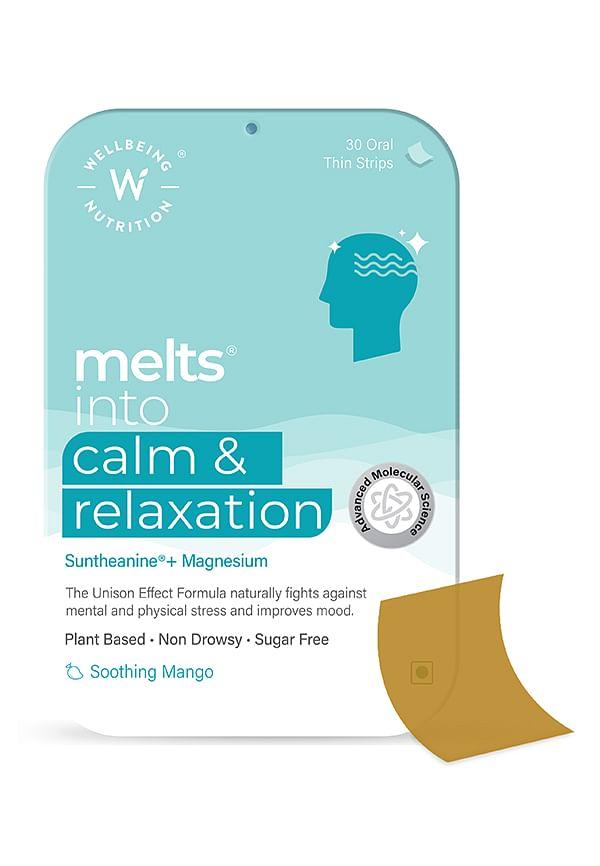
Melts Calm & Relaxation Plant Based Stress & Anxiety Reliever
When anxiety hits, you need poses that work fast. These calming yoga poses are your go-to toolkit for moments when you need to shift your state quickly. Each one targets different aspects of anxiety—from racing thoughts to physical tension.
Child's Pose (Balasana) is your safe haven. Kneel on the floor, touch your big toes together, and sit back on your heels. Open your knees hip-width apart and fold forward, extending your arms in front of you or alongside your body. This pose naturally activates your rest-and-digest response.
Legs-Up-the-Wall (Viparita Karani) is like hitting the reset button on your nervous system. Lie on your back near a wall and extend your legs up against it. This gentle inversion helps blood flow back to your heart and signals to your body that it's time to relax.
Cat-Cow Stretch connects movement with breath in the most soothing way. Start on hands and knees, then alternate between arching your back (cow) and rounding it (cat) with each breath. This gentle spinal movement helps release tension and brings you into the present moment.
Forward Fold creates a sense of turning inward and finding calm. Stand with feet hip-width apart and slowly hinge forward from your hips, letting your arms hang heavy. Bend your knees as much as needed—this isn't about touching your toes; it's about finding peace.
Your breath is the fastest way to communicate with your nervous system, and these breathing exercises for anxiety can shift your state in minutes. The best part? You can use them anywhere—no mat required.
4-7-8 Breathing is like a natural sedative. Inhale for 4 counts, hold for 7, then exhale for 8. This pattern activates your parasympathetic nervous system and can help you fall asleep faster too. Start with just 3-4 rounds to avoid feeling lightheaded.
Box Breathing creates a sense of control when anxiety makes everything feel chaotic. Inhale for 4, hold for 4, exhale for 4, hold empty for 4. Imagine tracing the sides of a square with your breath. This technique is used by everyone from Navy SEALs to yoga teachers for good reason.
Alternate Nostril Breathing balances the left and right sides of your nervous system. Use your thumb to close your right nostril and inhale through the left, then switch and exhale through the right. Continue alternating for 5-10 rounds.
Belly Breathing helps you shift from shallow, anxious breathing to deep, calming breaths. Place one hand on your chest and one on your belly. Focus on making the bottom hand rise more than the top one as you breathe slowly and deeply.
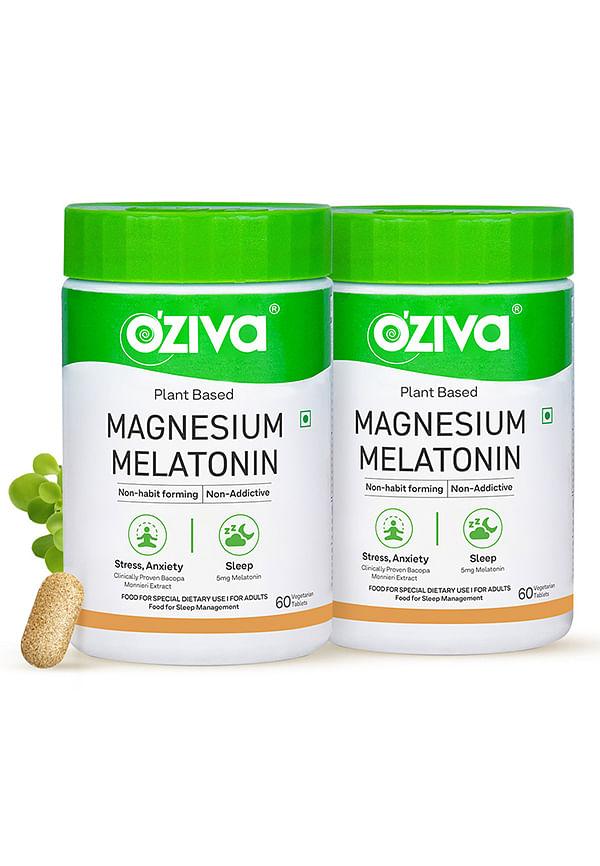
Magnesium Melatonin - Restful Sleep, Reduced Stress, Anxiety
While poses and breathing are powerful, mindfulness practices for anxiety take your practice deeper. These techniques help you develop a different relationship with anxious thoughts and sensations, rather than just trying to push them away.
Body scan meditation builds somatic awareness—the ability to notice what's happening in your body without judgement. Start at the top of your head and slowly move your attention through each part of your body, simply observing without trying to change anything.
Loving-kindness meditation counters anxiety's tendency toward self-criticism. Begin by sending kind wishes to yourself: "May I be happy, may I be peaceful, may I be free from suffering." Then extend these wishes to others, starting with loved ones and eventually including difficult people.
Mindful movement can be as simple as walking meditation or gentle stretching with full attention. The key is staying present with the sensations of movement rather than letting your mind wander to anxious thoughts.
Present-moment anchoring uses your senses to ground you when anxiety tries to pull you into future worries. Notice 5 things you can see, 4 you can hear, 3 you can touch, 2 you can smell, and 1 you can taste.
The most effective practice is one you'll actually do consistently. Building a sustainable routine for yoga for mental well-being means starting small and gradually expanding as the habit takes root. Think of it as planting seeds of calm that will grow over time.
A beginner-friendly routine might include just 15 minutes daily: 5 minutes of breathing exercises, 8 minutes of gentle poses, and 2 minutes of relaxation. This is enough to create real change without feeling overwhelming when you're already dealing with anxiety.
Start your day with a morning anxiety relief sequence that sets a calm tone. Try Cat-Cow stretches, a gentle twist, and a few rounds of deep breathing. This helps you approach the day from a centred place rather than immediately jumping into stress mode.
Your evening wind-down routine should signal to your nervous system that it's time to shift into rest mode. Forward folds, gentle hip openers, and Legs-Up-the-Wall pose can help you transition from the day's activities to peaceful sleep.
Create an emergency anxiety toolkit with 5-minute sequences you can use when anxiety spikes. Child's Pose with deep breathing, a quick body scan, or simple breathing exercises can provide immediate relief when you need it most.
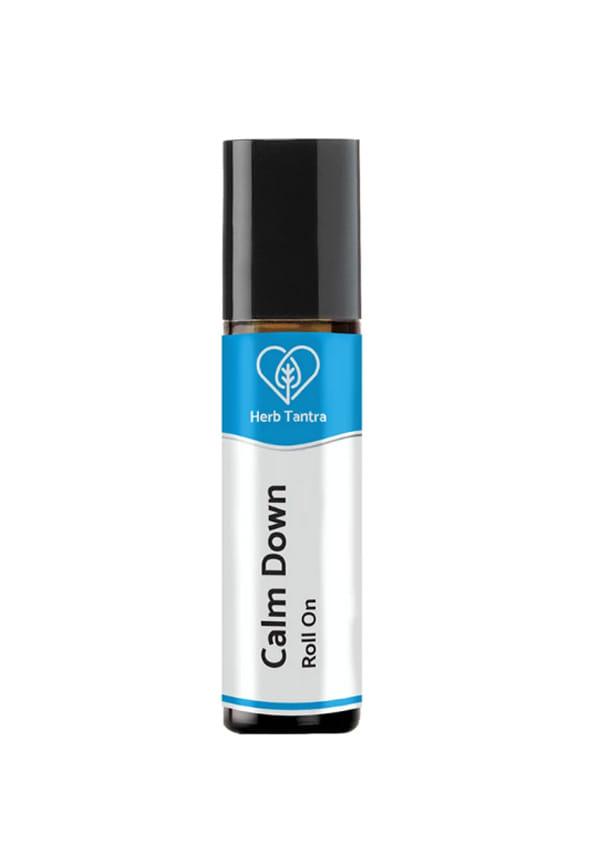
Calm Down Anxiety Relief Roll-On
The 3-3-3 rule is a grounding technique where you name 3 things you can see, 3 sounds you can hear, and move 3 parts of your body. Yoga enhances this by developing your sensory awareness through mindful movement and breath work. When you regularly practice tuning into your body during yoga, you become better at using grounding techniques like this during anxious moments.
Consistency matters more than duration. Even 10-15 minutes daily will create more lasting change than an hour-long practice once a week. Start with what feels manageable—maybe 5 minutes of breathing exercises—and build from there. Your nervous system responds better to regular, gentle input than sporadic intense sessions.
Yoga is a powerful complementary practice, but it shouldn't replace professional mental health care if you need it. Many people find that combining yoga with therapy or medication creates the most comprehensive approach to anxiety management. Always work with your healthcare providers to determine what's right for your specific situation.
Start with just breathing exercises while sitting in a chair or lying in bed. You don't need a mat, special clothes, or even to move your body at first. Focus on lengthening your exhales, which naturally calms your nervous system. As you feel more comfortable, you can gradually add gentle movements. Remember, there's no wrong way to begin.
Many people notice immediate benefits from breathing exercises and gentle movement—feeling calmer right after practice. However, the deeper changes in how you respond to stress typically develop over weeks or months of consistent practice. Be patient with yourself and celebrate small shifts, like sleeping better or feeling less reactive to stressful situations. You can explore wellness products available on Smytten to support your practice with aromatherapy or relaxation aids.
Generally, avoid poses that feel overstimulating or create a sense of panic. This might include intense backbends, rapid breathing exercises, or inversions if they make you feel dizzy or overwhelmed. Listen to your body and modify or skip anything that increases anxiety rather than reducing it.
Mindful yoga for anxiety relief works because it addresses both the physical and mental aspects of anxiety through gentle movement, breath awareness, and present-moment focus. The most effective approaches include restorative yoga, gentle hatha practice, and somatic movement that helps you reconnect with your body's wisdom. Essential techniques like 4-7-8 breathing, Child's Pose, and body scan meditation provide immediate relief while building long-term resilience.
Remember that consistency trumps intensity—a daily 15-minute practice will serve you better than sporadic longer sessions. Start with breathing exercises if movement feels overwhelming, and gradually build your toolkit of calming poses and mindfulness practices. Most importantly, yoga should complement, not replace, professional mental health support when needed.
Your journey with anxiety doesn't have to be walked alone, and mindful yoga offers a gentle, accessible path toward greater calm and resilience. Whether you're just beginning to explore anxiety relief techniques or looking to deepen an existing practice, remember that every small step matters. As you build your personal toolkit of breathing exercises, calming poses, and mindfulness practices, you're investing in your long-term mental well-being. Smytten understands that wellness is deeply personal, which is why the platform offers curated trial packs from over 1,500 trusted wellness brands. With 100% cashback on trials, you can explore aromatherapy products, relaxation aids, or other wellness items that complement your mindful yoga practice—all without the pressure of committing to full-size purchases. After all, why settle for 'maybe' when you can try before you buy and discover what truly supports your journey to calm?
