Mindful Stretching for Flexibility FAQ: Your Questions Answered


Joint Support Supplement Tablets for Joint Strength, Pain Relief & Flexibility
Picture this: you're three hours into your workday, shoulders creeping towards your ears, lower back screaming for attention, and your neck feels like it's made of concrete. Sound familiar? If you're nodding along (carefully, given that stiff neck), you're not alone. The modern lifestyle has left most of us feeling like we're trapped in our own bodies, desperately seeking relief from the daily grind of sitting, hunching, and stress-induced tension. Enter mindful stretching for flexibility—a gentle yet powerful practice that combines the physical benefits of stretching with the mental clarity of mindfulness. Unlike aggressive fitness routines that leave you exhausted, this approach treats your body like the precious vessel it is, working with your natural rhythms rather than against them. Whether you're a complete beginner or someone who's tried every wellness trend on Smytten's platform, this comprehensive guide will answer all your burning questions about transforming stiffness into suppleness, one conscious breath at a time.
Mindful stretching for flexibility combines gentle movement with conscious breathing to improve range of motion and reduce stress
Unlike traditional stretching, this practice emphasises body awareness exercises and slow, deliberate movements for maximum benefit
Regular practice can significantly improve mobility, reduce workplace tension, and enhance overall mental well-being
The approach is suitable for all fitness levels and can be adapted for different time constraints and physical limitations
Consistency matters more than intensity—even 5-10 minutes daily can create meaningful changes in flexibility and stress levels
Think of mindful stretching for flexibility as the lovechild of traditional stretching and meditation—it's got the physical benefits you crave with the mental peace you desperately need. Unlike the "no pain, no gain" mentality that dominates many fitness spaces, this practice is all about tuning into your body's signals and working with them, not against them.
At its core, mindful stretching involves linking your breath with gentle movement to release tension and improve your range of motion. It's the difference between yanking on a tight knot and carefully working it loose—both approaches might eventually get results, but one leaves you feeling amazing while the other just creates more stress.
When you engage in body awareness exercises, you're essentially rewiring your nervous system to better communicate with your muscles. Research shows that this mind-muscle connection can improve flexibility by up to 30% compared to passive stretching alone. Your brain learns to release unnecessary tension patterns, making each stretch more effective.
Traditional stretching often focuses purely on the physical—hold this position for 30 seconds, push until you feel the burn, repeat. Mindful movement practices, however, treat your entire being as an interconnected system. You're not just lengthening muscles; you're calming your nervous system, improving circulation, and creating space for both physical and emotional release.
Starting your mindful stretching journey doesn't require fancy equipment or years of yoga training. The beauty of gentle stretching for mobility lies in its accessibility—you can begin right where you are, with whatever range of motion you currently have.
The foundation of any effective practice starts with proper breathing. Think of your breath as the remote control for your nervous system—slow, deep breaths signal safety and relaxation, while shallow, rapid breathing keeps you in stress mode.
Begin each session with three deep belly breaths. Place one hand on your chest, one on your stomach. The goal is to keep the chest hand relatively still while the stomach hand rises and falls. This activates your parasympathetic nervous system, preparing your body for safe, effective stretching.
Your environment matters more than you might think. Choose a quiet spot where you won't be interrupted—even if it's just a corner of your bedroom. Dim lighting, comfortable temperature, and perhaps some soft music can enhance the mind-body connection that makes slow stretching for relaxation so effective.
Never stretch into sharp pain. Discomfort? That's normal. Sharp, shooting pain? That's your body asking you to back off. The sweet spot is a gentle pulling sensation that feels like relief rather than strain.

Ashwagandha Max Gummies for Stress Management
Let's get practical with some tried-and-tested stretches that target the most common problem areas. These conscious stretching techniques focus on areas that typically hold the most tension in our daily lives.
Remember, the goal isn't to achieve Instagram-worthy poses overnight. It's about creating sustainable improvements in how your body feels and moves throughout the day.
Neck and Shoulder Tension Relief: Sit tall, drop your right ear towards your right shoulder. Place your right hand gently on the left side of your head—not pulling, just adding gentle weight. Hold for 30-60 seconds, breathing deeply. This simple move can undo hours of computer hunch.
Shoulder Blade Squeeze: Interlace your fingers behind your back, straighten your arms, and lift slightly. Feel your shoulder blades drawing together as your chest opens. This counteracts the forward head posture that plagues most of us.
Hip Flexor Release: Step your right foot forward into a lunge position, lower your left knee to the ground. Gently press your hips forward while keeping your torso upright. This targets the hip flexors that tighten from prolonged sitting.
Hamstring and Lower Back Combination: Sit with your legs extended, feet flexed. Hinge forward from your hips, reaching towards your toes. Focus on lengthening your spine rather than forcing your head to your knees.
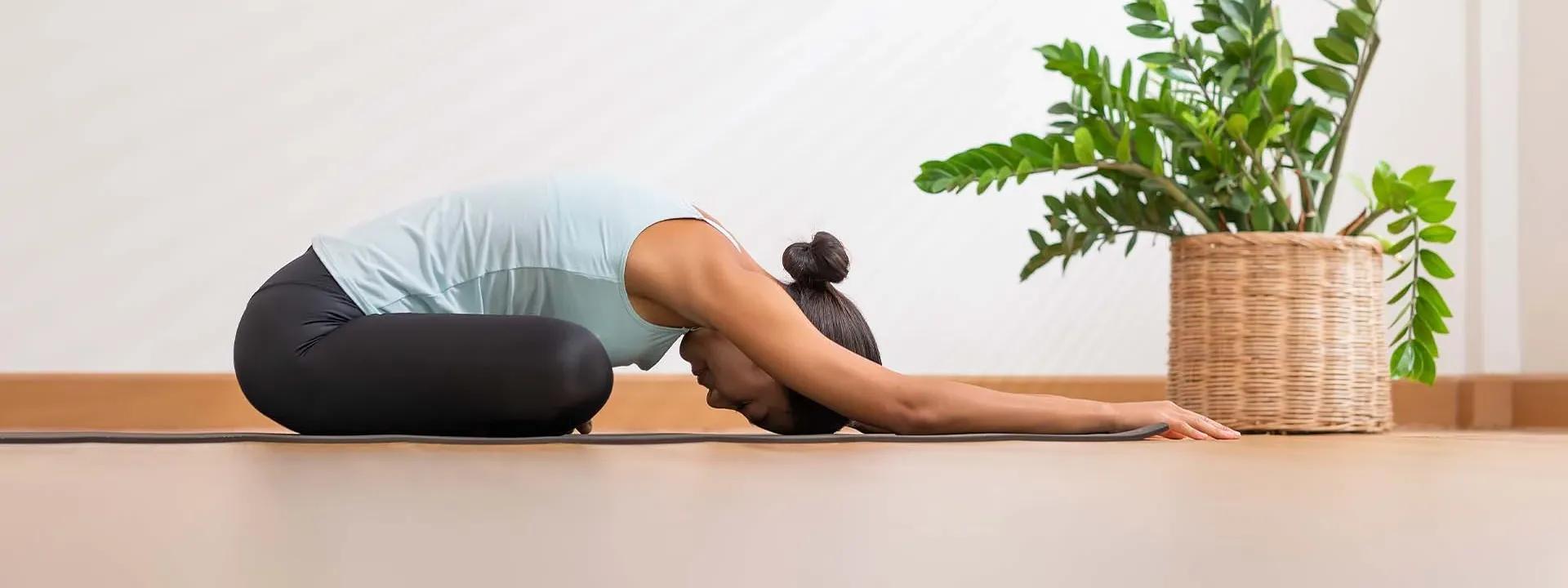
Classic yoga poses can be modified for mindful stretching practice. Child's pose becomes a gentle back release when you focus on your breath. Cat-cow stretches transform into spinal mobility medicine when performed slowly and mindfully.
Here's where mindful stretching gets really interesting—it's not just about physical flexibility. Stress relief stretching works on multiple levels, addressing both the physical manifestations of stress and the mental patterns that create them.
When you're stressed, your body literally contracts. Shoulders rise, jaw clenches, breathing becomes shallow. This creates a feedback loop where physical tension reinforces mental stress, which creates more physical tension. Mindful movement practices interrupt this cycle.
Deep stretching for wellness activates your vagus nerve—the longest cranial nerve that connects your brain to major organs. When stimulated through gentle, mindful movement, it triggers your relaxation response, lowering cortisol levels and promoting a sense of calm.
You don't need to roll out a yoga mat in the middle of your office to benefit from mindful stretching. Simple neck rolls, shoulder shrugs, and seated spinal twists can be done discretely at your desk. Even two minutes of conscious breathing while gently stretching can reset your nervous system.
Regular practice teaches you to sit with discomfort—both physical and emotional—without immediately reacting. This skill translates beautifully into daily life, helping you respond rather than react to stressful situations.
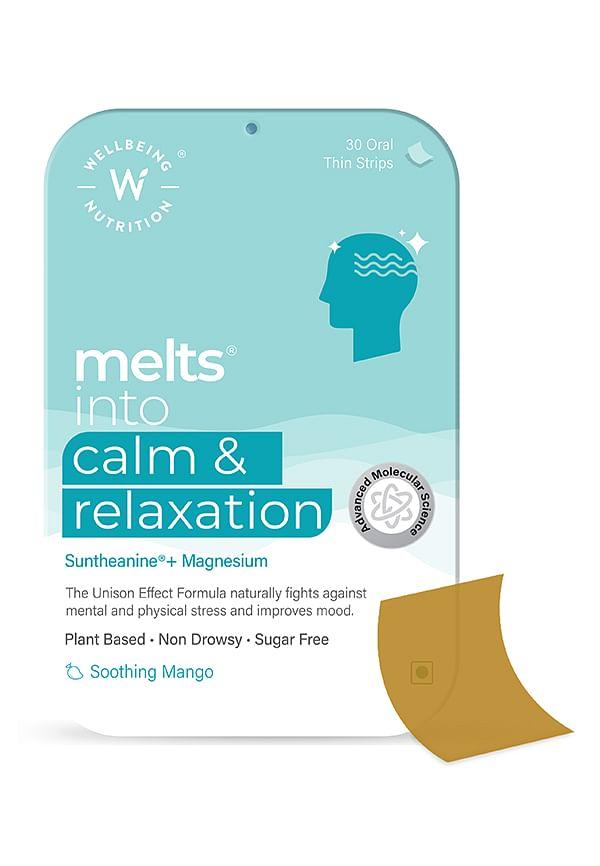
Melts Calm & Relaxation Plant Based Stress & Anxiety Reliever
The best routine is the one you'll actually do consistently. Whether you have five minutes or fifty, the key is creating a sustainable practice that fits your lifestyle rather than fighting against it.
Start by honestly assessing your schedule and energy levels. Are you a morning person who loves starting the day with gentle movement, or do you prefer unwinding with evening stretches? There's no wrong answer—only what works for you.
Morning Practice: Focus on energising stretches that prepare your body for the day. Gentle backbends, side stretches, and joint mobility work can help you feel more awake and aligned.
Evening Practice: Emphasise calming, restorative movements that help transition from day to night. Forward folds, gentle twists, and supported stretches signal to your nervous system that it's time to wind down.
Five-minute desk breaks can be surprisingly effective. Set a timer to remind yourself to stand, breathe, and move every hour. These mini-sessions prevent tension from accumulating throughout the day.
Progress in mindful stretching isn't just about touching your toes. Notice improvements in sleep quality, stress levels, energy, and overall mood. Keep a simple journal noting how you feel before and after each session.
There's no single "best" stretch because flexibility needs vary by individual. However, a combination of hip flexor stretches, hamstring lengthening, and spinal mobility work addresses the most common tight areas. The key is consistency rather than intensity—gentle daily stretching beats aggressive weekly sessions every time.
Gentle stretching can potentially help manage neuropathy symptoms by improving circulation and reducing muscle tension that may compress nerves. However, it's crucial to work with your healthcare provider to ensure stretches are appropriate for your specific condition. Start very gently and stop if you experience increased numbness or tingling.
Restorative stretches that activate the parasympathetic nervous system may help lower blood pressure. Gentle forward folds, supported child's pose, and legs-up-the-wall pose are particularly effective. The key is combining gentle movement with deep, slow breathing to trigger the relaxation response.
For mindful stretching, 30-90 seconds per stretch is typically ideal. This gives your nervous system time to relax and your muscles time to lengthen safely. Listen to your body—if a stretch feels good and you want to stay longer, that's perfectly fine.
While mindful stretching offers numerous benefits, it's best viewed as a complement to, rather than replacement for, other forms of exercise. It excels at improving flexibility, reducing stress, and enhancing body awareness, but you'll still need cardiovascular exercise and strength training for complete fitness.
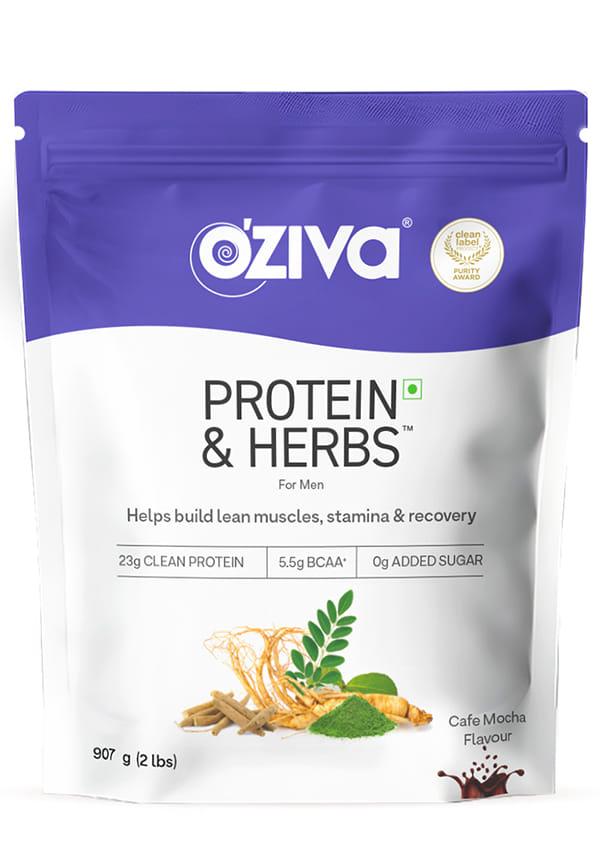
Protein & Herbs, Men for Better Stamina & Lean Muscles - Cafe Mocha
Consistency trumps duration. Daily 10-15 minute sessions will yield better results than sporadic hour-long sessions. Your body adapts to regular, gentle stimulus much better than occasional intense efforts. Even on busy days, try to incorporate some mindful movement, even if it's just a few conscious breaths with gentle neck rolls.
Mindful stretching is generally excellent for seniors because it emphasises gentle, controlled movements and body awareness. The practice can help maintain mobility, reduce fall risk, and manage age-related stiffness. However, seniors should start slowly and consider working with a qualified instructor initially, especially if they have existing health conditions.
Absolutely! Mindful stretching is perfect for people who consider themselves "inflexible." The practice meets you where you are and gradually improves your range of motion without forcing or straining. Many people find they make faster progress with mindful approaches because they're working with their body rather than against it. You can explore wellness products and accessories that support your practice on Smytten to enhance your journey.
Once you've established a basic routine, you might find yourself wanting to explore deeper aspects of mindful movement. This is where the practice becomes truly transformative, moving beyond simple flexibility into profound body awareness and stress management.
Advanced practice isn't about achieving more extreme poses—it's about developing a more nuanced relationship with your body and breath. You'll start noticing subtle patterns of tension and learn to address them before they become problematic.
If your progress stalls, it's often because you're trying too hard. Plateaus frequently indicate that your nervous system needs time to integrate changes. Try backing off intensity and focusing more on breath awareness and gentle movement quality.
Your body's needs change with the seasons. Winter might call for more warming, energising movements, while summer benefits from cooling, restorative stretches. Pay attention to these natural rhythms and adjust your practice accordingly.
Mindful stretching pairs beautifully with meditation, massage, and other self-care practices. Consider incorporating essential oils, gentle music, or even wellness supplements that support muscle recovery and relaxation.
Mindful stretching for flexibility offers a sustainable, gentle approach to improving both physical mobility and mental well-being. Unlike aggressive fitness methods, this practice emphasises body awareness, conscious breathing, and gradual progress that respects your body's natural limitations and rhythms.
The most important takeaway is that consistency matters more than intensity. Even five minutes of daily mindful movement can create significant improvements in how you feel and move. Start where you are, use what you have, and do what you can—your body will thank you for the gentle attention.
Remember that this is a practice, not a performance. Some days will feel amazing, others might feel challenging. Both are normal and valuable parts of your journey towards greater flexibility and inner calm.
Embarking on a mindful stretching journey is like discovering a new language—one that your body has been waiting to speak fluently. As you explore this gentle yet powerful practice, you might find yourself curious about other wellness approaches that support your journey towards better health and vitality. Smytten is India's largest product discovery and trial platform, connecting consumers with top lifestyle, beauty, wellness, and grooming brands through curated trial packs from over 1,500 trusted brands. Whether you're looking for aromatherapy oils to enhance your stretching sessions, muscle recovery balms, or wellness supplements that support flexibility, Smytten's authentic brand-verified minis let you try before you buy. With 100% cashback on trials and PAN-India delivery, you can explore what works for your unique wellness needs without the commitment of full-size purchases. After all, just like your mindful stretching practice, wellness is about finding what truly serves you—and with Smytten, you never have to settle for 'maybe' when you can #TryItAll!
