Mindful Monsoon Living India FAQ: Your Questions Answered



Lavender Essential Oil
The monsoon season in India brings more than just relief from scorching heat—it's a time for deep reflection, renewal, and mindful living. As the first drops of rain touch the earth, there's something magical about how nature slows down and invites us to do the same. Mindful monsoon living India isn't just about surviving the rainy season; it's about thriving through intentional practices that honour both our well-being and the season's natural rhythm. From ancient Ayurvedic wisdom to modern wellness techniques, this comprehensive FAQ guide addresses your most pressing questions about living mindfully during India's monsoon months. Whether you're dealing with monsoon blues, looking for seasonal wellness tips, or wanting to create a more mindful home environment, we've got you covered. Let's explore how you can transform this rainy season into a period of growth, healing, and deeper self-awareness with insights that are perfectly tailored for the Indian context and available wellness resources on Smytten.
Mindful monsoon living combines traditional Indian wisdom with modern wellness practices for seasonal well-being
Ayurvedic principles offer specific guidance for balancing doshas during India's rainy season
Mental health strategies help combat monsoon blues and seasonal mood changes
Practical wellness tips address humidity, indoor air quality, and seasonal self-care routines
Creating mindful spaces at home enhances overall monsoon living experience
Mindful monsoon living India represents a conscious approach to embracing the rainy season with intention, awareness, and cultural sensitivity. It's about recognising that monsoons aren't just a weather pattern—they're a sacred time in Indian philosophy that symbolises renewal, fertility, and spiritual cleansing.
In Indian culture, monsoons have always held deep significance. Ancient texts describe this season as a time when nature demonstrates the perfect balance between giving and receiving. Living mindfully during monsoon means aligning ourselves with these natural rhythms rather than fighting against them. This approach acknowledges that our bodies, minds, and spirits need different care during the increased humidity, reduced sunlight, and dramatic weather changes that characterise Indian monsoons.
The benefits of seasonal mindfulness practices during monsoons are profound. Research shows that people who adapt their wellness routines to seasonal changes experience better mood regulation, improved immune function, and enhanced overall well-being. In India's context, where monsoons can last for months and significantly impact daily life, mindful living becomes even more crucial for maintaining balance and finding joy in the season's unique gifts.
Monsoon wellness tips India must account for the unique challenges of high humidity, unpredictable weather, and increased indoor time. The key is adapting your wellness routine to work with, rather than against, the season's characteristics.
Start with indoor air quality management, which becomes critical during monsoons. Use natural dehumidifiers like activated charcoal or rock salt in corners of your home. Essential oils like eucalyptus or tea tree can help purify the air whilst creating a calming atmosphere. Keep windows open during brief dry spells to allow fresh air circulation, but close them quickly when humidity rises.
Your hydration strategy needs adjustment during monsoons. Whilst you might feel less thirsty due to increased moisture in the air, your body still needs adequate water intake. Add warming spices like ginger or cinnamon to your water, and include herbal teas that support digestion and immunity.
Create an indoor exercise routine that doesn't require outdoor space. Yoga, particularly pranayama (breathing exercises), works brilliantly for monsoon fitness. Focus on poses that aid digestion and boost circulation, as these systems often need extra support during humid weather.
Indian monsoon self-care draws from centuries of traditional wisdom combined with modern understanding of seasonal wellness. The focus shifts to nurturing practices that support your body's natural adaptation to increased moisture and reduced sunlight.
Traditional Indian self-care rituals for monsoon include oil massage (abhyanga) with warming oils like sesame or mustard oil. These oils help counteract the cooling, dampening effects of constant humidity on your system. Follow this with a warm bath infused with neem or turmeric to prevent skin infections common during rainy season.

Wheatgrass Powder | For Energy, Detox, Immunity Booster, Skin Health
Your skincare routine needs lighter formulations during monsoons. Switch to gel-based cleansers and water-based moisturisers that won't clog pores in high humidity. Natural ingredients like aloe vera, cucumber, and rose water provide hydration without heaviness.
Transform your home into a wellness sanctuary with warm lighting, comfortable textures, and calming scents. Use candles or salt lamps to create cozy atmospheres that combat the gloominess of overcast skies. Dedicate a corner for meditation or reading, making it your go-to space for mindful moments.
Ayurveda monsoon tips are rooted in the understanding that monsoon season (Varsha Ritu) brings unique changes to our doshas—the fundamental energies that govern our physical and mental well-being. During this time, Vata dosha tends to accumulate whilst Pitta may become aggravated, requiring specific balancing practices.
According to Ayurvedic principles, monsoons naturally increase the qualities of coolness and moisture in our environment. This can lead to sluggish digestion, joint stiffness, and mental lethargy if not properly managed. The ancient texts recommend warming, drying practices to counterbalance these effects.
Focus on warm, cooked foods that are easy to digest. Include plenty of ginger, black pepper, turmeric, and cumin in your meals. These spices kindle digestive fire (agni) and help process the heavier foods that become appealing during cooler, damp weather.
Adapt your dinacharya (daily routine) to include longer morning practices since you might wake up feeling more sluggish. Start with gentle movement, followed by pranayama exercises that generate internal heat, such as Bhastrika or Kapalabhati breathing.
Mental health monsoon India requires special attention due to reduced sunlight, disrupted routines, and the psychological impact of prolonged indoor time. The key is recognising that seasonal mood changes are normal whilst taking proactive steps to support your mental well-being.
Seasonal Affective Disorder (SAD) isn't just a Western phenomenon—many Indians experience similar symptoms during extended monsoon periods. Reduced sunlight affects serotonin production and disrupts circadian rhythms, leading to mood dips, energy loss, and changes in sleep patterns.
Create artificial sunlight exposure through light therapy or simply spending time near bright windows during the day. Maintain consistent sleep schedules even when natural light cues are disrupted. Consider vitamin D supplementation after consulting with a healthcare provider, as deficiency becomes common during monsoons.

Happy Immunity Tea
Use technology mindfully to maintain social connections when outdoor meetups become challenging. Schedule regular video calls with friends and family. Join online communities focused on wellness or hobbies that bring you joy. Remember, seeking professional help is a sign of strength, not weakness—many therapists now offer online sessions perfect for monsoon accessibility.
Monsoon health and well-being requires a comprehensive approach that addresses the season's unique health challenges whilst supporting your body's natural adaptation processes. The increased humidity and temperature fluctuations can stress various body systems, making preventive care essential.
Your immune system works harder during monsoons due to increased exposure to bacteria and viruses that thrive in humid conditions. Support it with warming foods, adequate sleep, and stress management techniques. Include immune-boosting herbs like tulsi, ashwagandha, and amla in your daily routine.
Focus on digestive health by eating freshly cooked, warm foods and avoiding raw or cold items that can weaken digestive fire. Keep your feet dry and change wet clothes immediately to prevent fungal infections. Use natural antiseptics like neem or tea tree oil for minor cuts and scrapes that heal slowly in humid weather.
The increased moisture can aggravate joint pain and respiratory issues. Practice gentle yoga poses that improve circulation and flexibility. Use steam inhalation with eucalyptus oil to keep respiratory passages clear. Keep indoor humidity levels balanced—not too dry, not too damp.
Most people notice positive changes within 2-3 weeks of consistent practice. Your body needs time to adjust to new routines, especially when transitioning from pre-monsoon heat to humid conditions. Start with small changes and gradually build your mindful living practices rather than overwhelming yourself with dramatic lifestyle shifts.
Absolutely! Children often adapt to mindful living practices more easily than adults. Focus on fun activities like indoor gardening, creative arts, and simple breathing exercises. Make it playful—teach them to listen to rain sounds as a form of meditation or create cozy reading nooks for quiet time.
Urban challenges include air pollution mixing with humidity, limited green spaces, and increased stress from traffic disruptions. Combat these by creating indoor green spaces with air-purifying plants, using air purifiers, and establishing flexible routines that account for weather-related delays.
Choose a corner with minimal humidity exposure, use warm lighting like candles or salt lamps, and include comfortable cushions or a yoga mat. Add elements that engage your senses positively—perhaps a small diffuser with calming essential oils or soft instrumental music that masks outside noise.
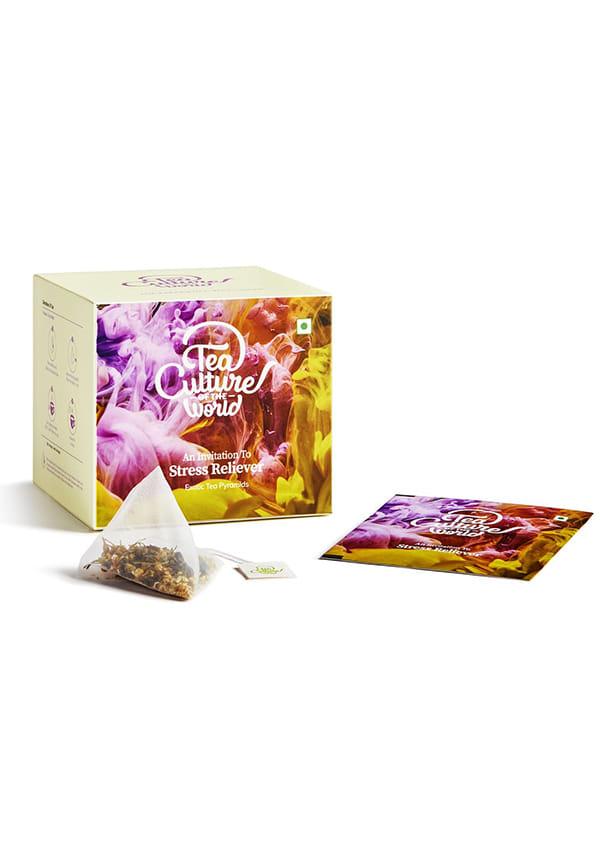
Stress Reliever Tea
Focus on warming poses like Sun Salutations, Warrior sequences, and twisting poses that aid digestion. Avoid inversions if you're feeling congested. Pranayama practices like Bhastrika (bellows breath) and Kapalabhati (skull-shining breath) generate internal heat and improve circulation.
Monsoon often triggers cravings for fried, heavy foods. Practice mindful eating by acknowledging these cravings without judgment, then choosing healthier alternatives that satisfy the same needs. If you crave something crunchy, try roasted nuts instead of fried snacks. For comfort food needs, opt for warm, spiced soups or herbal teas available on Smytten that can provide that cozy feeling without compromising your health.
Community support becomes crucial during monsoons when isolation can increase. Join local wellness groups, participate in online mindfulness communities, or start a neighbourhood support system. Sharing experiences and tips with others creates accountability and makes the journey more enjoyable.
Integrate mindfulness into your work routine through micro-practices—two-minute breathing exercises between meetings, mindful tea breaks, or brief stretching sessions. Accept that productivity might look different during monsoons and adjust expectations accordingly while maintaining quality standards.
Yes, stress reduction through mindfulness can help manage allergic reactions. Combine mindful practices with practical measures like keeping windows closed during high pollen times, using natural air purifiers, and maintaining clean indoor environments. Breathing exercises can also help manage respiratory symptoms.
Regular seasonal mindfulness practice builds resilience, improves emotional regulation, and creates a deeper connection with natural rhythms. People who practice mindful seasonal living often report better overall health, improved stress management, and greater appreciation for each season's unique gifts.
Mindful monsoon living India isn't about enduring the rainy season—it's about embracing it as an opportunity for growth, reflection, and deeper self-care. By combining traditional Ayurvedic wisdom with modern wellness practices, you can transform potential monsoon challenges into opportunities for enhanced well-being.
The key lies in adapting your routines to work with the season's natural characteristics rather than fighting against them. Whether it's adjusting your skincare routine for humidity, creating warming practices to balance increased moisture, or establishing indoor wellness sanctuaries, small consistent changes can make a significant difference in how you experience the monsoon months.
Remember that seasonal wellness India requires patience and self-compassion. Some days will feel more challenging than others, and that's perfectly normal. The goal isn't perfection but rather developing a toolkit of practices that support your well-being throughout the season's ups and downs.
As you embark on your mindful monsoon living journey, remember that wellness is deeply personal, and what works for others might need adjustment for your unique needs. This is where platforms like Smytten become invaluable—offering you the chance to trial wellness products before committing to full-size purchases. With over 1,500 trusted brands available on Smytten, you can explore everything from Ayurvedic supplements to aromatherapy oils, skincare products suited for humid weather, and herbal teas that support seasonal wellness. The beauty of Smytten's trial packs is that you can experiment with different wellness approaches during monsoon season without the financial risk, discovering what truly works for your body and lifestyle. With 100% cashback on trials and authentic brand-verified minis delivered across India, you can build your perfect monsoon wellness routine one trial at a time. After all, mindful living is about making conscious choices, and Smytten ensures you never have to settle for products that don't serve your seasonal wellness goals.
