Mindful Flow for Beginners FAQ: Your Questions Answered
-7941e28f-7b46-4ad1-8bd2-f19202cde11d.webp&w=3840&q=75)


Zero Congest Pure Botanical Blend of Tea Tree, Lavender, Peppermint, Eucalyptus Oil, Breath Refresher
Starting your mindful flow journey can feel overwhelming when you're scrolling through endless tutorials and conflicting advice online. Whether you're curious about beginner meditation or looking to build a daily mindfulness routine that actually sticks, you've probably got questions. The good news? Mindful flow for beginners doesn't require years of experience or perfect poses—it's about finding your rhythm and connecting with the present moment. At Smytten, we understand that wellness journeys are deeply personal, which is why we've curated this comprehensive FAQ to address your most pressing questions about getting started with mindful flow practice.
TL;DR
Mindful flow combines gentle movement with present-moment awareness, perfect for meditation newcomers
Start with just 5-10 minutes daily using simple breathing techniques and body awareness practices
Create a consistent routine by choosing the same time each day and gradually building your practice
Focus on connecting breath to movement rather than perfect poses or complex sequences
Use stress reduction techniques like body scans and mindful breathing to find your natural flow state
Think of mindful flow as the gentle cousin of traditional yoga flow—it's all about slowing down and tuning in rather than rushing through poses. Unlike autopilot movement patterns where you might zone out, mindful flow keeps you anchored in the present moment through intentional breathing and body awareness.
The beauty of this introduction to flow state lies in its accessibility. You're not trying to nail complex sequences or hold challenging poses for ages. Instead, you're learning to move with intention, breathe with purpose, and notice what's happening in your body right now. This makes it perfect for anyone new to meditation or movement practices.
Research shows that combining mindful movement with breathing techniques can significantly lower cortisol levels and activate your parasympathetic nervous system. Translation? Your body literally learns to chill out.
Let's be real—you won't achieve zen master status overnight. Some days your mind will wander, and that's completely normal. The goal isn't perfection; it's progress and self-awareness.
Getting started with meditation through mindful flow doesn't require a fancy studio or expensive equipment. Your living room, a yoga mat (or even a towel), and 10 minutes of uninterrupted time are all you need to begin this journey.
The secret sauce lies in preparation. Choose a consistent time—whether it's first thing in the morning or as an evening wind-down ritual. Your brain loves routine, and consistency helps build the neural pathways that make mindfulness feel more natural over time.
Start with box breathing: inhale for 4 counts, hold for 4, exhale for 4, hold for 4. This simple pattern becomes your anchor throughout your practice.
Before moving, spend a minute scanning your body from head to toe. Notice areas of tension, warmth, or tingling. This isn't about judging—just observing.
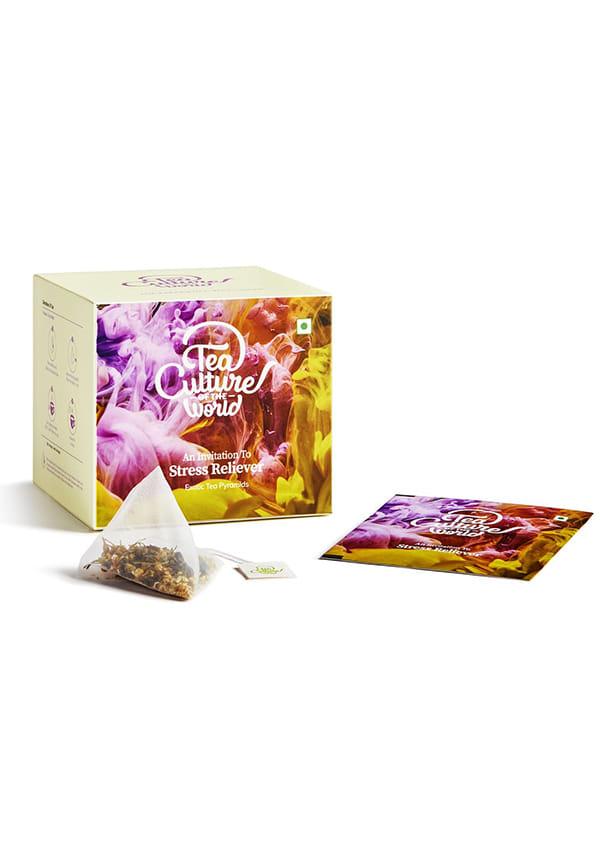
Stress Reliever Tea
Don't try to empty your mind completely (impossible!) or push through pain. Mindful flow should feel nourishing, not punishing.
These foundational mindfulness exercises create the building blocks for your flow practice. Think of them as your warm-up for both body and mind, helping you transition from the chaos of daily life into a more centred state.
The three mindful breaths technique is your go-to reset button. Wherever you are, whatever you're doing, three conscious breaths can shift your entire energy. Inhale slowly through your nose, feeling your ribcage expand. Pause briefly at the top. Exhale through your mouth, releasing any tension you're holding.
Lie down comfortably and mentally travel through your body. Start at your toes—can you wiggle them? Move up to your ankles, calves, knees. This isn't about relaxation; it's about connection and awareness.
Notice five things you can see, four you can hear, three you can touch, two you can smell, and one you can taste. This grounding technique pulls you out of mental chatter and into your immediate experience.
Simple neck rolls, shoulder shrugs, and gentle spinal twists help your body prepare for movement whilst maintaining that mindful awareness you've cultivated.
Building a sustainable daily mindfulness routine is like training a muscle—start small and gradually increase intensity. Your routine should feel like a gift to yourself, not another item on your to-do list that creates stress.
Morning practice tends to set a calm, focused tone for your entire day, whilst evening sessions help you process and release the day's experiences. Experiment with both to see what resonates with your natural rhythm and lifestyle.
Week 1: 5 minutes of mindful breathing daily
Week 2: Add gentle neck and shoulder movements
Week 3: Incorporate simple standing poses with breath awareness
Week 4: Flow between 3-4 poses, focusing on smooth transitions
Can't find 10 minutes? Try mindful moments throughout your day. Breathe consciously whilst your tea steeps, practice gratitude during your commute, or do gentle stretches whilst watching TV.

Aromatherapy Spearmint And Lavender Stress Relieving And Tranquil Sleep Aroma Spray
Consistency beats intensity every time. It's better to practice 5 minutes daily than 30 minutes once a week. Your nervous system responds to regular, gentle input rather than sporadic intense sessions.
Finding your flow isn't about forcing yourself into a particular state—it's about recognising and nurturing the natural rhythm that already exists within you. Your breath becomes your guide, your body becomes your teacher, and your awareness becomes your anchor.
True flow happens when effort transforms into ease. You'll know you're there when movements feel fluid rather than forced, when your breath guides your pace rather than rushing ahead, and when your mind settles into quiet observation rather than constant commentary.
Let your inhales initiate opening movements (reaching up, expanding) and exhales guide closing movements (folding forward, twisting). This creates a natural rhythm that prevents rushing.
When your mind starts planning dinner or replaying conversations, gently return attention to your breath or the sensation of your feet on the ground. No judgment—just gentle redirection.
Time seems to slow down or speed up, self-criticism quiets, and you feel simultaneously energised and calm. Your movements become intuitive rather than choreographed.
Absolutely! Mindful flow for beginners is actually an excellent entry point into meditation because it gives your mind something concrete to focus on—your breath and movement. Unlike sitting meditation where thoughts can feel overwhelming, the gentle movement provides a natural anchor for attention. Start with just 5-10 minutes and gradually build your practice as you become more comfortable with the techniques.
Start with 5-10 minutes daily rather than attempting longer sessions that might feel overwhelming. Consistency matters more than duration. Once this feels natural (usually after 2-3 weeks), you can gradually extend to 15-20 minutes. Remember, even 3 minutes of mindful breathing can shift your entire day when practised regularly.
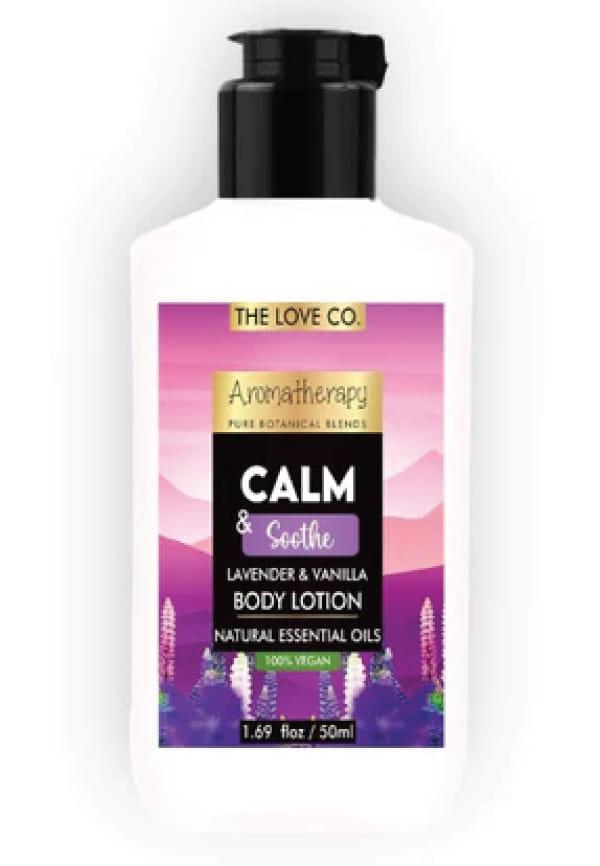
Calm & Soothe Lavender Body Lotion
Mindful flow emphasises present-moment awareness and breath connection over achieving perfect poses or complex sequences. The pace is typically slower, with more focus on how movements feel rather than how they look. You're encouraged to modify poses based on your body's needs rather than pushing through discomfort. It's less about fitness goals and more about cultivating awareness and stress reduction.
Not at all! A quiet space and comfortable clothing are sufficient. A yoga mat helps but isn't essential—a towel or carpet works fine. Whilst apps and online videos can provide guidance, you can begin with simple breathing exercises and gentle movements. The beauty of mindful flow lies in its simplicity and accessibility.
There's no "perfect" way to practice mindful flow. You're on the right track if you're breathing consciously, moving with intention, and noticing when your mind wanders without harsh self-judgment. Progress isn't measured by flexibility or strength but by increased awareness and moments of calm focus. Some days will feel easier than others, and that's completely normal.
Yes, research consistently shows that combining mindful movement with breathing techniques activates the parasympathetic nervous system, which promotes relaxation and stress reduction. The practice helps break the cycle of anxious thoughts by anchoring attention in physical sensations and breath. Many practitioners find it particularly helpful for managing daily stress and improving sleep quality. However, it's a complement to, not a replacement for, professional mental health support when needed.
Restlessness is completely normal, especially when starting out. Try shorter sessions (even 2-3 minutes), focus on more dynamic movements, or practice at a different time of day. Sometimes our bodies need to move more before settling into stillness. You can also try walking meditation or gentle stretching as alternatives to seated or floor-based practices.
Set realistic expectations and celebrate small wins. Track your practice in a simple journal, noting how you feel before and after sessions. Connect with others who practice mindfulness, whether online communities or local groups. Remember that benefits often appear gradually—better sleep, increased patience, or improved focus—rather than dramatic immediate changes. Available on Smytten, you'll find various wellness products that can support your mindfulness journey, from aromatherapy essentials to calming teas that enhance your practice environment.
Starting your mindful flow journey doesn't require perfection—it requires presence. The most important step is simply beginning, even if it's just three conscious breaths right now. Remember that mindful flow for beginners is about building awareness, not achieving advanced poses or lengthy meditation sessions.
Focus on consistency over intensity, breath over performance, and self-compassion over self-criticism. Your practice will evolve naturally as you develop greater body awareness and find your unique rhythm. The stress reduction techniques and mindfulness exercises outlined here provide a solid foundation, but trust your intuition about what feels right for your body and lifestyle.
Most importantly, approach your practice with curiosity rather than judgment. Some days will feel flowing and peaceful, others might feel scattered or challenging. Both experiences are valuable teachers in your journey toward greater mindfulness and well-being.
Your wellness journey is uniquely yours, and finding the right tools and products to support your mindful flow practice can make all the difference. Smytten understands that discovering what works for your body and lifestyle shouldn't require expensive commitments or guesswork. As India's largest product discovery and trial platform, Smytten connects you with over 1,500 trusted wellness brands through curated trial packs, letting you explore aromatherapy oils, calming teas, meditation accessories, and other wellness essentials before committing to full-size purchases. With 100% cashback on trials and authentic brand-verified minis available across 27,000+ pincodes, you can experiment with different products that enhance your mindfulness routine without the financial stress. After all, why settle for 'maybe' when you can #TryItAll and find exactly what supports your journey to calmness and focus?
