Mindful Exercise for Wellness FAQ: Your Questions Answered


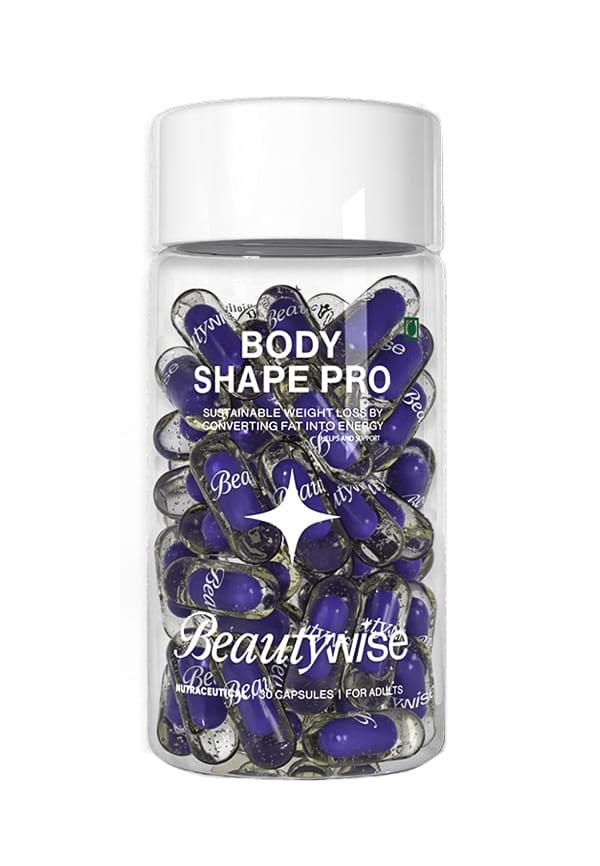
Dual Action Body Shape | Weight Management
Ever found yourself going through the motions at the gym, mind completely elsewhere? You're not alone. While traditional fitness focuses on burning calories and building muscle, mindful exercise for wellness takes a different approach—one that connects your body and mind for deeper, lasting benefits. Think of it as your workout getting a mindfulness makeover. Instead of just sweating it out, you're tuning in, staying present, and making every movement count. This approach isn't just trendy wellness speak; it's backed by science and could be the missing piece in your self-care puzzle. Whether you're curious about starting or want to level up your current routine, we've got all your questions covered. Plus, discovering the right wellness products to support your mindful movement journey is easier than ever with platforms like Smytten, where you can trial everything before committing.
TL;DR
Mindful exercise combines physical activity with present-moment awareness for better mental and physical health outcomes
Simple practices like conscious breathing, body scanning, and intentional movement can transform any workout into a meditative experience
Science shows mindful movement reduces stress hormones, improves sleep quality, and enhances overall wellbeing
You don't need special equipment or hours of time—even 2-minute mindful movement breaks can make a difference
Creating a personal routine involves assessing your current fitness level, setting intentions, and gradually building consistency
Let's be real—most of us treat exercise like a checkbox to tick. We zone out, scroll through phones, or mentally plan dinner while our bodies go through the motions. Mindful exercise for wellness flips this script entirely. It's about bringing your full attention to what you're doing, feeling each movement, and staying connected to your body throughout your workout.
Unlike traditional fitness that often focuses purely on physical outcomes, present moment physical activity emphasises the quality of your attention. When you're doing body awareness exercises, you're not just working your muscles—you're training your mind to stay present. This creates a powerful synergy between physical and mental health that regular workouts often miss.
The science behind this approach is pretty compelling. Research shows that integrated physical and mental health practices can reduce cortisol levels by up to 23% compared to traditional exercise alone. Your nervous system gets a double benefit: the stress-busting effects of movement plus the calming influence of mindfulness. It's like getting a workout and meditation session rolled into one.
Ready to dip your toes into mindful movement? These five practices are your starting lineup. They're simple enough for beginners but effective enough that even seasoned fitness enthusiasts swear by them.
Mindful breathing during exercise is your foundation. Instead of letting your breath go wild, you're consciously coordinating it with your movements. Try inhaling for two steps during a walk, then exhaling for two. This simple rhythm creates an instant anchor to the present moment.
Body scan meditation in motion takes awareness to the next level. As you move, mentally check in with different parts of your body. Notice how your shoulders feel during arm circles or where you hold tension during stretches. This practice builds incredible body awareness over time.
Conscious stretching routines transform your cool-down into a mini meditation. Instead of rushing through stretches, hold each position for 30-60 seconds and really feel the sensations. Notice where you feel tight, where you feel open, and how your breath affects the stretch.
Walking meditation is probably the most accessible form of mindful movement. You're already walking anyway, right? The difference is paying attention to each step, feeling your feet connect with the ground, and staying aware of your surroundings without judgment.
Intentional strength training means focusing completely on the muscle you're working. Feel the contraction, notice the resistance, and stay present with each rep. This isn't just about better form—it's about creating a deeper mind-muscle connection.
Don't have time for a full workout? These micro-sessions are perfect for busy days. Try desk-based body awareness exercises like shoulder rolls with breath awareness, or gentle neck stretches while focusing on releasing tension. Even two minutes of intentional movement can reset your nervous system and boost focus for the rest of your day.

Ashwaginseng | Enhances Stamina | Boosts Energy
Here's the thing—you don't need to completely overhaul your fitness routine to make it more mindful. With a few simple tweaks, any workout can become a meditative experience. It's about shifting your approach, not necessarily your exercises.
Start with pre-exercise mindfulness preparation. Before you begin, take three deep breaths and set an intention for your workout. Maybe it's to stay present, to move with gratitude for your body, or simply to enjoy the process. This mental shift primes your brain for a more conscious experience.
During your workout, use awareness anchors to keep you grounded. Your breath is the most reliable anchor—notice how it changes with different intensities. Your body sensations are another great focus point. Feel your muscles working, notice your heart rate, and stay curious about what's happening in your body moment by moment.
Post-exercise reflection seals the deal. Spend a minute or two after your workout noticing how you feel. What changed from when you started? This practice helps integrate the physical and mental benefits of your session.
The beauty of this approach is its flexibility. Whether you're doing cardio, strength training, or flexibility work, these principles apply. You're essentially adding a layer of consciousness to whatever you're already doing.
Some activities are naturally more conducive to mindful movement, and these holistic fitness practices are worth exploring if you want to dive deeper into the mind-body connection.
Yoga is probably the most well-known example, but there's a difference between going through yoga poses and truly practising mindful yoga. Focus on the breath-movement connection, stay present with challenging poses, and notice your mental reactions to different postures.
Tai Chi and Qigong are like moving meditation. These ancient practices emphasise slow, flowing movements coordinated with breath and mental focus. They're particularly brilliant for stress reduction and building body awareness.
Pilates with present-moment awareness transforms core work into a mindfulness practice. The emphasis on precise movement and breath control makes it naturally suited to conscious exercise.
Dance movement therapy principles can make any dance session more mindful. Focus on how different movements make you feel emotionally, not just physically. Let your body express what it needs to express.
Nature-based mindful movement adds another dimension entirely. Hiking, swimming, or cycling outdoors engages your senses and connects you with the natural world, amplifying the mindfulness benefits.
The research on stress reducing exercise is pretty mind-blowing. When you combine physical activity with mindfulness techniques, you're essentially giving your stress response system a complete reset.
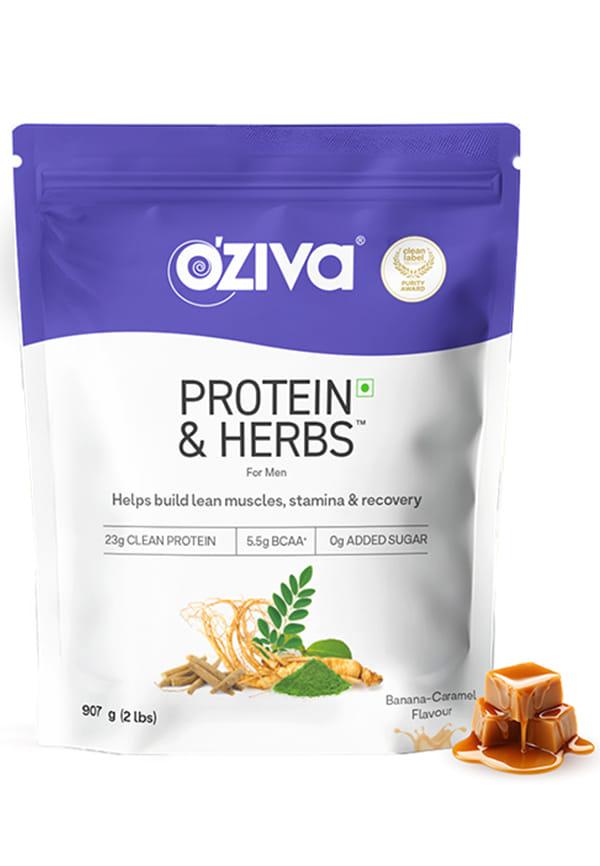
Protein & Herbs, Men for Better Stamina & Lean Muscles - Banana Caramel
Cortisol reduction happens faster with mindful movement than with traditional exercise alone. The mindfulness component signals to your nervous system that you're safe, which helps counteract the stress hormone release that intense exercise can sometimes trigger.
Heart rate variability—a key marker of nervous system health—improves significantly with conscious breathing during exercise. This means better stress resilience and emotional regulation throughout your day.
The inflammation reduction benefits are particularly impressive. Mindful exercise appears to reduce inflammatory markers more effectively than regular exercise, possibly because the mindfulness component helps regulate the stress response that can drive inflammation.
Sleep quality gets a major boost too. The combination of physical tiredness and mental calm from mindful movement creates ideal conditions for restorative sleep. Many people find that evening conscious stretching or gentle movement helps them wind down naturally.
Building a sustainable mindful movement practice is all about finding what works for your life, not copying someone else's routine. Start by honestly assessing where you're at—both with fitness and mindfulness experience.
Goal setting for intentional movement for well being looks different from traditional fitness goals. Instead of just focusing on physical outcomes, consider mental and emotional goals too. Maybe you want to feel more grounded, reduce anxiety, or simply enjoy moving your body more.
A beginner's weekly schedule might include three 20-minute mindful movement sessions—perhaps one walking meditation, one conscious stretching session, and one mindful strength workout. As you build consistency, you can gradually increase frequency or duration.
Life circumstances change, and your routine should be flexible enough to adapt. Busy weeks might call for more 2-minute mindful movement breaks. Stressful periods might benefit from gentler, more restorative practices.
Tracking progress in mindful exercise goes beyond physical metrics. Notice changes in your stress levels, sleep quality, mood, and overall sense of wellbeing. These qualitative improvements are often more meaningful than quantitative measures.
The five core practices are breath awareness (coordinating breath with movement), body scanning (mentally checking in with different body parts), present-moment focus (staying aware of sensations), gratitude practice (appreciating your body's capabilities), and intention setting (choosing a mental focus for your workout). These can be applied to any type of exercise.
A 20-minute routine might start with 3 minutes of mindful breathing and intention setting, followed by 10 minutes of conscious movement (walking, stretching, or light strength work), and ending with 7 minutes of body scan relaxation. The key is maintaining awareness throughout rather than going through the motions.

Protein & Herbs, Men for Better Stamina & Lean Muscles - Banana Caramel
Use your breath as an anchor—even during intense exercise, you can notice your breathing pattern. Focus on the sensation of your muscles working or your heart pumping. If your mind wanders, that's normal—just gently bring attention back to your body. The goal isn't perfect focus but conscious engagement.
Regular exercise often involves going through motions while thinking about other things. Mindful movement emphasises quality of attention—you're fully present with what you're doing. It's about the internal experience as much as the external movement. Both have benefits, but mindful exercise adds mental and emotional wellness to physical fitness.
Mindful exercise offers many meditation benefits, but it's usually best as a complement to, not replacement for, seated meditation. Movement meditation is brilliant for people who struggle with stillness, but the deep states of calm from traditional meditation are unique. Think of them as different tools for the same goal.
Even 5-10 minutes can make a difference, but 20-30 minutes seems to be the sweet spot for most people. Consistency matters more than duration—three 15-minute sessions per week will likely give you better results than one 60-minute session. Start small and build gradually.
The brilliant thing about mindful movement is that you need virtually nothing. Your body and breath are the main tools. A yoga mat can be helpful for floor exercises, and comfortable clothes that don't restrict movement are ideal. Many practices work perfectly in whatever space you have available.
When exploring wellness products like essential oils for relaxation, comfortable workout gear, or recovery tools, trial options let you discover what actually works for your routine. Smytten offers curated trial packs from trusted wellness brands, so you can experiment with different products before committing to full sizes—perfect for building your personalised mindful movement toolkit.
Mindful exercise for wellness isn't about perfection—it's about presence. The most important takeaway is that any movement can become mindful movement with the right approach. You don't need special equipment, hours of time, or years of meditation experience to start.
The science is clear: combining physical activity with mindfulness creates benefits that neither practice achieves alone. From stress reduction to better sleep, improved body awareness to emotional regulation, the integrated approach to physical and mental health offers a more complete path to wellness.
Start small, be consistent, and stay curious about your experience. Whether it's a 2-minute breathing break or a full mindful workout, every moment of conscious movement contributes to your overall wellbeing. The goal isn't to become a mindfulness expert overnight—it's to gradually build a more aware, intentional relationship with your body and movement.
Mindful exercise represents a shift from doing to being—from simply going through the motions to fully experiencing your body in movement. As you explore this approach, you might find yourself wanting to try different wellness products that support your practice, from aromatherapy oils for post-workout relaxation to comfortable gear that enhances your movement experience. Smytten is India's largest product discovery and trial platform, offering curated trial packs from over 1,500 trusted wellness brands. With trial packs available for just ₹249 and 100% cashback on trials, you can explore authentic, brand-verified minis before committing to full-size purchases. This try-before-you-buy approach means you can build your ideal mindful movement toolkit without the guesswork, ensuring every product truly supports your wellness journey. After all, why settle for 'maybe' when you can #TryItAll!
