Mental Wellness Tips India FAQ: Your Questions Answered
h)-b42ba301-44e2-4876-b13f-a8e981871e87.webp&w=3840&q=75)


Ashwagandha Anxiety & Stress Relief
Mental wellness has become a hot topic across India, and honestly, it's about time. With rising stress levels, work pressure, and the constant juggle between family expectations and personal goals, more Indians are asking the right questions about their mental health. Whether you're dealing with anxiety, looking for stress management techniques, or simply want to build better emotional habits, this guide tackles the most common questions about mental wellness tips India has been searching for. From traditional practices rooted in our culture to modern approaches that actually work, we've got the real talk you need. Plus, platforms like Smytten are making wellness products more accessible, so you can try what works for your mental health journey without the commitment drama.
Mental wellness in India requires culturally relevant approaches that blend traditional practices with modern techniques
Daily self-care, stress management, and mindfulness practices are essential for maintaining positive mental health
The 3-3-3 rule and 7 C's framework provide practical tools for managing anxiety and building emotional resilience
Professional help is becoming more accessible in India, with various resources available for different needs and budgets
Creating a personal mental wellness plan helps maintain long-term emotional wellbeing and prevents burnout
Let's be real—mental wellness in India comes with its own set of challenges. From family pressure to work stress, we're dealing with unique situations that require tailored approaches. The good news? There are plenty of mental wellness tips India can actually use, and they don't all require major lifestyle overhauls.
Self-care isn't just face masks and bubble baths (though those are nice too). Real self-care tips India needs include simple daily habits that fit into our busy schedules. Start your morning with five minutes of deep breathing or gratitude journaling. Even setting boundaries with family WhatsApp groups can be a form of self-care—shocking, we know.
Evening routines are equally important for winding down. Try switching off screens an hour before bed, or practice some light stretching. These small changes can significantly improve mental health over time without feeling overwhelming.
Stress management India style often means dealing with multiple responsibilities at once. Traditional practices like yoga and pranayama aren't just trendy—they're scientifically proven stress busters that our ancestors got right. But modern techniques work too.
For workplace stress, try the Pomodoro technique or micro-breaks between meetings. When family expectations get overwhelming, practice saying "let me think about it" instead of immediately saying yes. It's a small shift that creates space for better decision-making.
Emotional resilience is like building mental muscle—it takes practice but gets stronger over time. Emotional wellbeing starts with recognising your triggers and developing healthy coping mechanisms. Instead of bottling up emotions (very Indian, we know), try naming them out loud or writing them down.
Building positive mental health also means celebrating small wins and being kind to yourself when things don't go as planned. Remember, progress isn't always linear, and that's perfectly normal.
Anxiety in India often comes with extra layers—societal pressure, family expectations, and the constant comparison culture. Understanding these triggers is the first step towards effective anxiety relief India can relate to.
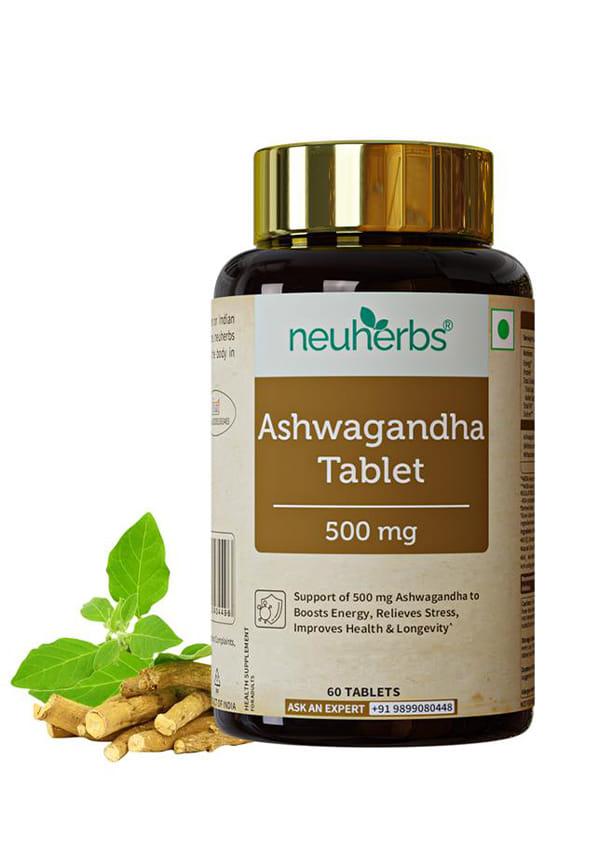
Ashwagandha Tablets,Reduce Stress & Support Sleep Cycle
Indian families often dismiss anxiety as "just stress" or "overthinking," but it's much more than that. Common triggers include career pressure, marriage expectations, financial responsibilities, and social media comparison. Recognising these patterns helps in developing targeted coping strategies.
The cultural stigma around mental health is slowly changing, but it still exists. Start small conversations with trusted family members or friends. Sometimes, just having someone listen without judgment can provide significant relief.
Mindfulness practices don't have to be complicated or time-consuming. Traditional Indian practices like meditation, chanting, or even mindful cooking can be incredibly grounding. The key is consistency, not perfection.
Modern mindfulness apps offer guided sessions in regional languages, making these practices more accessible. Even five minutes of focused breathing during your commute can make a difference in your overall mental state.
Building awareness around mental health India needs starts with normalising conversations about emotional wellbeing. It's not just about individual practices—community support plays a huge role in maintaining good mental health.
Starting conversations about mental health doesn't require grand gestures. Share relatable content on social media, check in with friends genuinely, or simply be open about your own mental health journey. These small actions contribute to breaking the stigma.
Community-based awareness programs are gaining traction across Indian cities. Look for local workshops, support groups, or wellness events in your area. Sometimes, just knowing you're not alone makes a world of difference.
Your support network doesn't have to be huge—quality matters more than quantity. Identify people in your life who listen without judgment and offer practical support. This might include family members, friends, colleagues, or even online communities.
Mental wellness resources are becoming more accessible in India, from helplines to online therapy platforms. Don't hesitate to explore professional help when needed—it's a sign of strength, not weakness.
Seeking professional help for mental health is becoming more normalised in India, though accessibility and affordability remain challenges. Knowing when and where to seek help can make all the difference in your mental wellness journey.

Vedistry Arjuna
If you're experiencing persistent sadness, anxiety that interferes with daily activities, sleep disturbances, or thoughts of self-harm, it's time to reach out for professional support. Don't wait for things to get worse—early intervention often leads to better outcomes.
Types of mental health professionals include psychiatrists, psychologists, counsellors, and therapists. Each offers different approaches, so research what might work best for your specific needs and budget.
Government initiatives like the National Mental Health Programme offer support, though awareness about these services is still limited. Many NGOs and private organisations also provide affordable or free mental health services.
Digital platforms are making therapy more accessible, with options for video calls, chat-based support, and even AI-powered mental health tools. While these shouldn't replace professional help when needed, they can be valuable supplements to your mental wellness routine.
A personal mental wellness plan isn't a one-size-fits-all solution—it's about finding what works for your lifestyle, challenges, and goals. Think of it as your mental health roadmap, flexible enough to adapt as you grow and change.
Start by honestly assessing your current mental health state. What are your stress triggers? When do you feel most anxious or overwhelmed? What currently helps you feel better? This self-awareness forms the foundation of your wellness plan.
Set realistic, specific goals rather than vague intentions. Instead of "be less stressed," try "practice 10 minutes of meditation three times a week" or "take a 15-minute walk during lunch breaks." Small, achievable goals build momentum for bigger changes.
Sustainable mental wellness isn't about perfection—it's about building habits that support your emotional wellbeing over time. This might include regular exercise, maintaining social connections, pursuing hobbies, or setting boundaries with work and family.
Track your progress without being obsessive about it. Notice patterns in your mood, energy levels, and stress responses. This information helps you adjust your strategies and celebrate improvements, no matter how small.
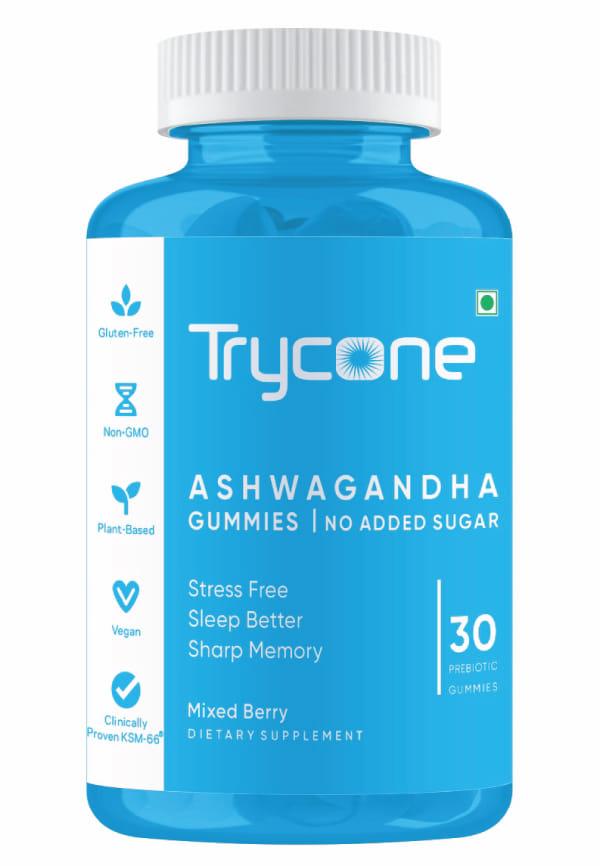
Ashwagandha KSM 66 |No Added Sugar Stress Free
The 3-3-3 rule is a simple grounding technique for managing anxiety and panic. When you feel overwhelmed, name 3 things you can see around you, 3 sounds you can hear, and move 3 parts of your body (like wiggling your fingers, rolling your shoulders, or tapping your feet). This technique helps bring your focus back to the present moment and can be particularly effective during anxiety attacks. It's easy to remember and can be done anywhere without drawing attention to yourself.
The 7 C's of mental health are: Curiosity (being open to new experiences), Clarity (having clear thoughts and goals), Compassion (being kind to yourself and others), Creativity (expressing yourself and finding innovative solutions), Calmness (maintaining emotional balance), Connectedness (building meaningful relationships), and Courage (facing challenges with bravery). These components work together to create a foundation for strong mental wellness and can be developed through practice and mindfulness.
The 5 C's framework focuses on: Confidence (believing in your abilities), Connection (maintaining healthy relationships), Character (developing strong values and integrity), Contribution (finding purpose through helping others), and Coping (developing healthy ways to handle stress and challenges). This simplified version is often easier to remember and implement in daily life, making it a practical tool for maintaining good mental health.
Improving mental health in India requires a culturally sensitive approach that combines traditional practices with modern techniques. Start with small daily habits like meditation, yoga, or pranayama. Build strong family and friend connections while setting healthy boundaries. Seek professional help when needed—many affordable options are now available through online platforms and community health centres. Don't ignore the importance of physical health, proper sleep, and nutrition in supporting mental wellness. Available on Smytten are various wellness products that can support your mental health journey through aromatherapy, stress-relief teas, and self-care essentials.
Traditional Indian practices for mental wellness include yoga, meditation, pranayama (breathing exercises), Ayurvedic lifestyle principles, chanting or mantra repetition, and spending time in nature. These practices have been used for thousands of years and are now backed by modern scientific research. They're particularly effective because they address the mind-body connection and can be adapted to fit modern lifestyles.
Managing work stress in Indian corporate culture requires setting boundaries while being culturally sensitive. Practice saying no politely, take regular breaks even during busy periods, and don't check work messages outside office hours unless absolutely necessary. Build supportive relationships with colleagues, practice stress-relief techniques during commutes, and remember that your worth isn't determined by how many hours you work. Consider discussing workload concerns with your manager if stress becomes unmanageable.
Mental wellness in India is evolving, and that's brilliant news for all of us. The key is finding approaches that work within our cultural context while being open to modern techniques that complement traditional wisdom. Remember, mental wellness tips India can use effectively are those that fit into real life—not perfect Instagram-worthy routines.
Start small, be consistent, and don't hesitate to seek help when you need it. Whether it's trying the 3-3-3 rule during stressful moments, building a support network, or exploring professional resources, every step towards better mental health matters. Your emotional wellbeing deserves the same attention you give to your physical health, and there's no shame in prioritising it.
Your mental wellness journey is uniquely yours, and finding what works might take some trial and error—and that's perfectly okay. Just like discovering the right skincare routine or finding your signature fragrance, mental wellness requires experimentation and patience. Smytten is India's largest product discovery and trial platform, connecting consumers with top lifestyle, beauty, wellness, and grooming brands that support your overall wellbeing. From aromatherapy products to stress-relief teas and self-care essentials, you can trial wellness products before committing to full-size purchases. With over 25 million users trusting Smytten for authentic, brand-verified minis delivered across 27,000+ pincodes, you can explore what works for your mental wellness routine without the guesswork. After all, why settle for 'maybe' when you can #TryItAll and find what truly supports your mental health journey!
