Mental Health Yoga Routine FAQ: Your Questions Answered


Blissful Bhringraj Head Massage Hair Oil | Essential Ayurvedic Herb Enriched Hair Oils for Headache Relaxation & Stress | Natural Hair Growth & Shine
Mental health challenges affect millions of people worldwide, and finding effective ways to manage stress, anxiety, and emotional well-being has become more important than ever. While traditional therapy and medication remain crucial, yoga has emerged as a powerful complementary practice for mental wellness. Research shows that regular yoga practice can significantly reduce cortisol levels, increase GABA production, and improve overall emotional regulation. If you're curious about starting a mental health yoga routine but have questions about where to begin, what poses work best, or how to make it sustainable, you're not alone. Many people wonder about the science behind yoga for mental health, which styles are most effective, and how to create a practice that truly supports their emotional well-being. Whether you're dealing with anxiety, depression, or simply looking for better stress management tools, this comprehensive guide answers the most common questions about mental health yoga routines. From understanding the therapeutic benefits to building your own calming practice, we'll explore everything you need to know to start your journey towards yoga for inner peace. Platforms like Smytten make it easier than ever to discover wellness products that can support your mental health journey, from aromatherapy essentials to mindfulness tools that complement your yoga practice.
Yoga significantly benefits mental health through stress reduction, improved emotional regulation, and increased mindfulness
Gentle styles like Hatha, Restorative, and Yin yoga are particularly effective for anxiety, depression, and emotional well-being
A consistent 20-30 minute daily practice combining breathing, movement, and relaxation yields the best mental health results
Yoga works best as a complementary therapy alongside professional mental health care, not as a replacement
Starting with simple poses and gradually building your practice ensures safety and sustainability for long-term mental wellness benefits
When it comes to choosing the right yoga style for mental wellness, research consistently points to gentle, mindful approaches that emphasise breath awareness and present-moment focus. The most effective styles for mental health don't require advanced poses or intense physical exertion—instead, they prioritise nervous system regulation and emotional balance.
Hatha Yoga stands out as an excellent starting point for mental health yoga routines. This gentle approach focuses on basic poses held for several breaths, making it accessible for beginners whilst providing deep stress relief benefits. The slower pace allows practitioners to develop body awareness and mindfulness skills essential for emotional regulation.
Restorative Yoga offers profound therapeutic benefits through supported poses that activate the parasympathetic nervous system. Using props like bolsters and blankets, this style helps practitioners achieve deep relaxation states that counteract chronic stress and anxiety. Sessions typically involve holding poses for 5-20 minutes, allowing the nervous system to fully reset.
Yin Yoga combines mindfulness meditation with gentle stretching, making it particularly effective for processing emotions and developing mental clarity. The long-held poses create space for introspection whilst the meditative quality helps practitioners observe thoughts and feelings without judgement.
Multiple studies from the National Institutes of Health demonstrate yoga's effectiveness for mental health conditions. Research shows that regular yoga practice can reduce cortisol levels by up to 23% and increase GABA neurotransmitter production, which helps regulate anxiety and mood. Brain imaging studies reveal that yoga practitioners show increased grey matter in areas associated with emotional regulation and stress management.
Creating a sustainable mental health yoga routine doesn't require hours of practice—consistency matters more than duration. A well-designed 20-30 minute sequence can provide significant benefits when practised regularly, combining gentle movement with mindfulness techniques that support emotional well-being.
Grounding Poses (5 minutes): Begin with Mountain Pose to establish presence and intention. Follow with gentle neck rolls and shoulder shrugs to release overnight tension. Child's Pose provides a sense of safety and introspection, helping set a calm tone for the day.
Energising Movement (10 minutes): Cat-Cow stretches awaken the spine whilst connecting breath to movement. Sun Salutation A offers gentle energy without overstimulation. Standing Forward Fold calms the nervous system whilst Warrior I builds confidence and stability.

Ashwagandha Tablets,Reduce Stress & Support Sleep Cycle
Mindfulness Integration (5 minutes): Seated meditation or gentle pranayama breathing techniques help establish mental clarity. Tree Pose challenges focus whilst building inner strength and balance.
Evening practices should emphasise calming yoga poses that prepare the mind and body for rest. Gentle twists help release physical and emotional tension accumulated throughout the day. Legs-Up-The-Wall Pose activates the relaxation response, whilst Savasana allows complete integration of the practice's benefits.
Different mental health challenges respond well to specific yoga approaches and poses. Understanding which techniques work best for your particular needs helps create a more targeted and effective practice that addresses your unique emotional landscape.
Anxiety responds particularly well to grounding poses that create a sense of safety and stability. Forward folds naturally calm the nervous system by activating the parasympathetic response. Supported Child's Pose provides security whilst gentle inversions like Legs-Up-The-Wall help shift perspective and reduce racing thoughts.
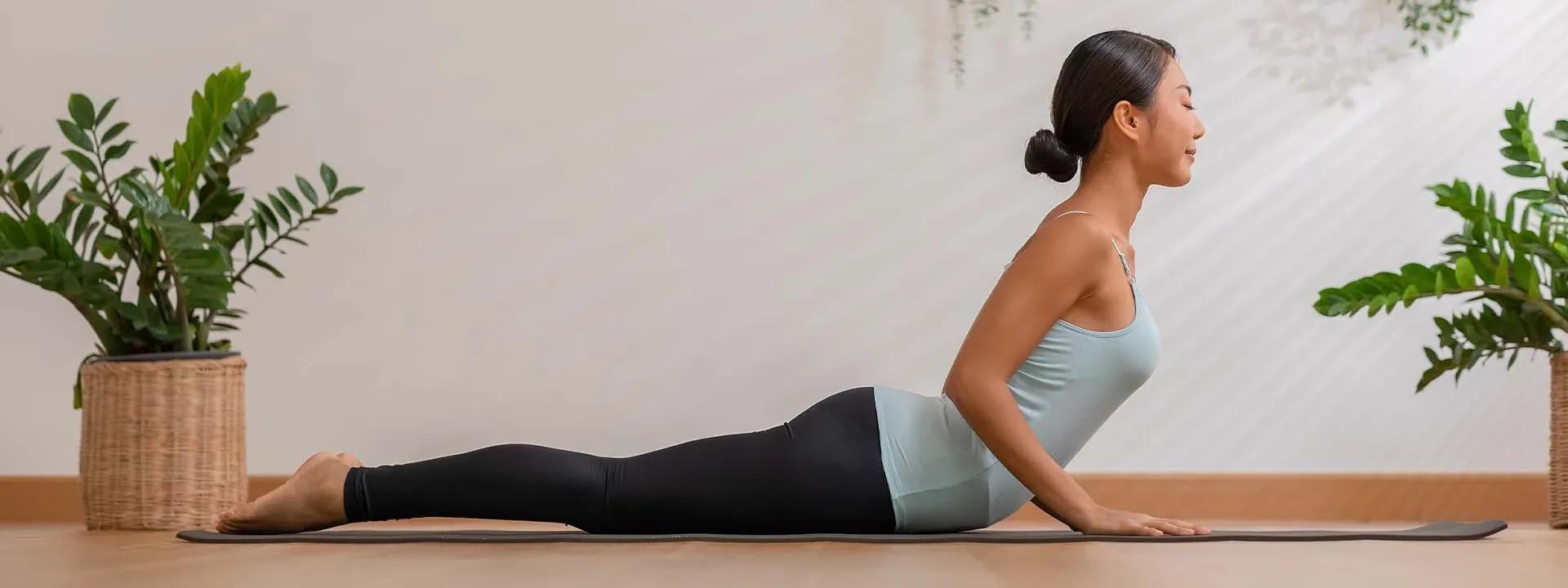
Breathing techniques integrated with movement prove especially effective for anxiety management. Box breathing combined with simple poses helps regulate the autonomic nervous system. Gentle backbends like Camel Pose can help open the heart and counter the protective hunching that often accompanies anxiety.
Depression benefits from energising yet accessible poses that don't overwhelm an already depleted system. Heart-opening poses like Bridge and gentle Camel variations can help counter the inward collapse associated with depression. Sun Salutations provide structure and gentle energy without being overstimulating.
Standing poses build confidence and create a sense of empowerment. Warrior poses, in particular, help practitioners embody strength and resilience. The key is maintaining gentleness whilst gradually building energy and motivation through movement.
Hip-opening poses like Pigeon and Butterfly help release stored emotions and trauma held in the body. These areas often hold tension from stress and emotional experiences, making gentle opening particularly therapeutic. Twisting poses aid in both physical and emotional detoxification, helping process and release difficult feelings.
Creating a sustainable mental health yoga routine requires honest assessment of your lifestyle, needs, and current mental state. The most effective practice is one you'll actually do consistently, even if it's just 10 minutes daily rather than an hour-long session you can't maintain.

Ashwagandha Anxiety & Stress Relief
Morning practices work well for establishing mental clarity and setting positive intentions for the day. Even five minutes of gentle stretching and breathing can significantly impact your mental state. Evening routines help process the day's stress and prepare for restful sleep.
Busy schedules benefit from micro-practices—three-minute breathing exercises or desk-friendly stretches that can be done anywhere. The key is consistency rather than perfection, building a sustainable habit that supports long-term mental wellness.
Mood journaling alongside your yoga practice helps identify patterns and track improvements. Note energy levels, sleep quality, and emotional state before and after practice. Physical markers like reduced muscle tension, improved posture, and better breathing patterns often indicate progress in mental wellness.
Remember that mental health benefits from yoga often appear gradually. Some practitioners notice immediate stress relief, whilst deeper emotional changes may take weeks or months of consistent practice to manifest fully.
Whilst yoga is generally safe for mental health support, certain considerations help ensure your practice remains beneficial rather than triggering. Understanding your limits and respecting your current mental state prevents yoga from becoming another source of stress or self-criticism.
Intense breathing practices can sometimes trigger anxiety in sensitive individuals. Start with natural breath awareness before progressing to more structured pranayama techniques. Hot yoga or vigorous styles might overstimulate those dealing with anxiety or panic disorders.
Certain poses may trigger trauma responses in some practitioners. Inversions, deep backbends, or poses that create feelings of vulnerability should be approached gradually with self-compassion and the option to modify or skip as needed.
Yoga works best as a complementary therapy alongside professional mental health treatment, not as a replacement. Always consult healthcare providers about integrating yoga into your mental health care plan, especially if you're taking medications or dealing with severe mental health conditions.
Therapeutic yoga can enhance traditional therapy by providing tools for emotional regulation and stress management between sessions. Many mental health professionals now recommend yoga as part of comprehensive treatment plans.
For optimal mental health benefits, aim for 20-30 minutes of yoga practice 4-5 times per week. However, even 10 minutes daily can provide significant stress relief and emotional regulation benefits. Consistency matters more than duration—a short daily practice often proves more beneficial than longer, infrequent sessions. Listen to your body and mental state, adjusting frequency as needed during particularly stressful periods.

Ashwagandha Tablets | Elevates Strength, Stress Relief & Boosts Immunity
Yoga should complement, not replace, professional mental health treatment. Whilst research shows yoga can significantly reduce symptoms of anxiety, depression, and PTSD, it works best alongside therapy, medication, or other prescribed treatments. Always consult your healthcare provider before making changes to your mental health care plan. Yoga provides valuable tools for daily emotional regulation and stress management between professional sessions.
Start incredibly small—even three minutes of gentle breathing or simple seated stretches counts as yoga practice. Choose restorative poses that feel safe and supportive, like Child's Pose or Legs-Up-The-Wall. Online classes allow practice in the comfort of your own space without social pressure. Remember that yoga meets you where you are; there's no need to force yourself into challenging poses when you're struggling mentally.
Many practitioners notice immediate stress relief and improved mood after a single session. However, lasting changes in anxiety, depression, or emotional regulation typically develop over 4-8 weeks of consistent practice. Some benefits, like better sleep or reduced muscle tension, may appear within the first week. Be patient with the process—mental health improvements often happen gradually and compound over time.
Whilst Smytten primarily focuses on product discovery, many wellness brands available on the platform offer complementary yoga resources and mindfulness tools. You can explore aromatherapy products, meditation accessories, and wellness items that support your yoga practice. Many yoga apps and YouTube channels provide free mental health-focused sequences that you can complement with wellness products discovered through Smytten's trial platform.
Yes, gentle therapeutic yoga is generally safe for home practice when you listen to your body and avoid forcing poses. Start with beginner-friendly sequences and modify poses as needed. Avoid advanced poses or intense breathing practices without proper instruction. If you have specific mental health conditions or physical limitations, consider consulting a qualified yoga therapist for personalised guidance before beginning home practice.
A mental health yoga routine can be a powerful tool for managing stress, anxiety, and emotional well-being when approached mindfully and consistently. The most effective practices emphasise gentle movement, breath awareness, and present-moment focus rather than advanced poses or intense physical exertion. Styles like Hatha, Restorative, and Yin yoga offer particular benefits for mental wellness through their emphasis on nervous system regulation and mindfulness cultivation.
Building a sustainable practice requires honest assessment of your needs, schedule, and current mental state. Even short daily sessions can provide significant benefits when practised consistently. Remember that yoga works best as a complementary therapy alongside professional mental health care, providing valuable tools for emotional regulation and stress management between sessions.
Safety and self-compassion should guide your practice, especially when dealing with mental health challenges. Start small, progress gradually, and always honour your body's and mind's current needs. With patience and consistency, a mental health yoga routine can become an invaluable part of your wellness toolkit, supporting both immediate stress relief and long-term emotional resilience.
Creating a mental health yoga routine is a deeply personal journey that requires patience, self-compassion, and consistent practice. As you explore different poses, breathing techniques, and mindfulness practices, remember that the most effective routine is one that feels sustainable and supportive for your unique needs. Whether you're seeking stress relief, anxiety management, or simply a moment of peace in your day, yoga offers accessible tools for emotional well-being that can complement your overall mental health care.
Smytten is India's largest product discovery and trial platform, connecting consumers with top lifestyle, beauty, wellness, and grooming brands that can support your mental health journey. At its core, Smytten offers curated trial packs from over 1,500 trusted brands, letting you explore wellness products before committing to full-size purchases. From aromatherapy essentials that enhance your yoga practice to mindfulness tools and self-care products, you can discover what works best for your mental wellness routine. With 100% cashback on trial purchases and authentic brand-verified minis available across India, Smytten makes it easy to try before you buy, ensuring you find the perfect wellness products to complement your mental health yoga practice. After all, why settle for 'maybe' when you can #TryItAll!
