Menstrual Cup vs Tampon India: Which is Best?

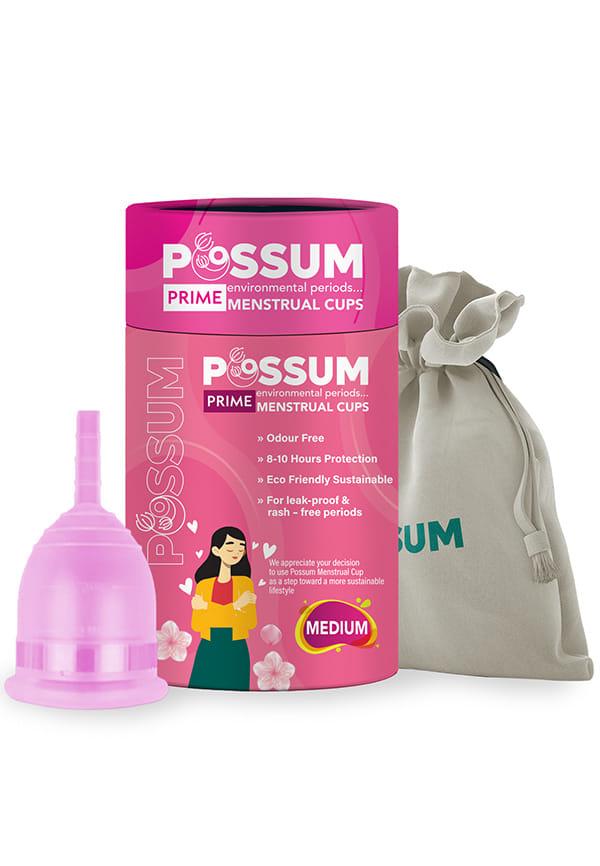
Reusable Menstrual Cup with cotton Pouch
Choosing the right menstrual hygiene product can feel overwhelming, especially when you're weighing up options like menstrual cups versus tampons. In India, where period conversations are finally becoming more open, understanding what works best for your body and lifestyle is crucial. Let's break down the real differences between these two popular options, so you can make an informed choice that suits your needs perfectly.
The menstrual hygiene landscape in India is evolving rapidly. While sanitary pads still dominate with over 90% usage, only about 1.7% of Indian women use tampons and a mere 0.3% have tried menstrual cups. This gap isn't just about awareness—cultural factors, accessibility, and cost all play significant roles in product choice.
Urban areas see higher adoption of alternative menstrual products, but rural regions still face challenges with availability and education. Government initiatives like the Menstrual Hygiene Scheme have boosted awareness, yet many women remain unaware of options beyond traditional pads. The good news? This is changing as more brands focus on education and accessibility.
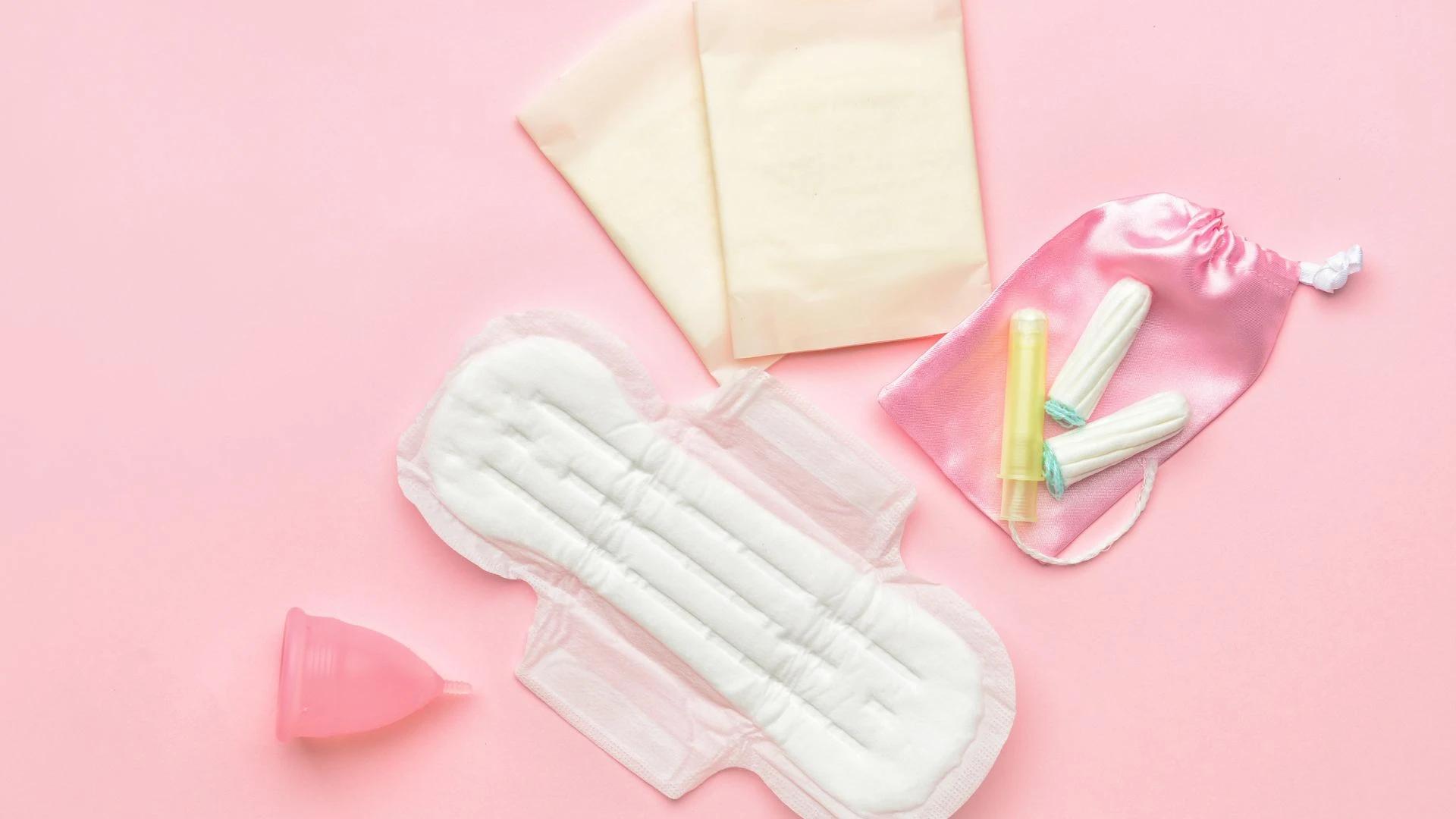
When comparing menstrual cups and tampons, several key factors come into play. Both are internal menstrual products, but they work quite differently and offer distinct advantages depending on your priorities.
Toxic Shock Syndrome (TSS) is a rare but serious condition linked to tampon use. Menstrual cups have a significantly lower TSS risk because they collect rather than absorb menstrual fluid, maintaining your body's natural pH balance. Tampons, especially super-absorbent ones, can create an environment where harmful bacteria thrive if left in too long.
Menstrual cups are typically made from medical-grade silicone, which is hypoallergenic and doesn't contain chemicals, fragrances, or bleaches. Many tampons contain synthetic materials and chemicals that some women find irritating, particularly with prolonged use.
Both products require a learning curve for insertion and removal. Tampons might feel more familiar initially since they're smaller, but menstrual cups offer superior leak protection once you get the hang of proper placement. Many users report feeling nothing at all when their cup is correctly positioned.
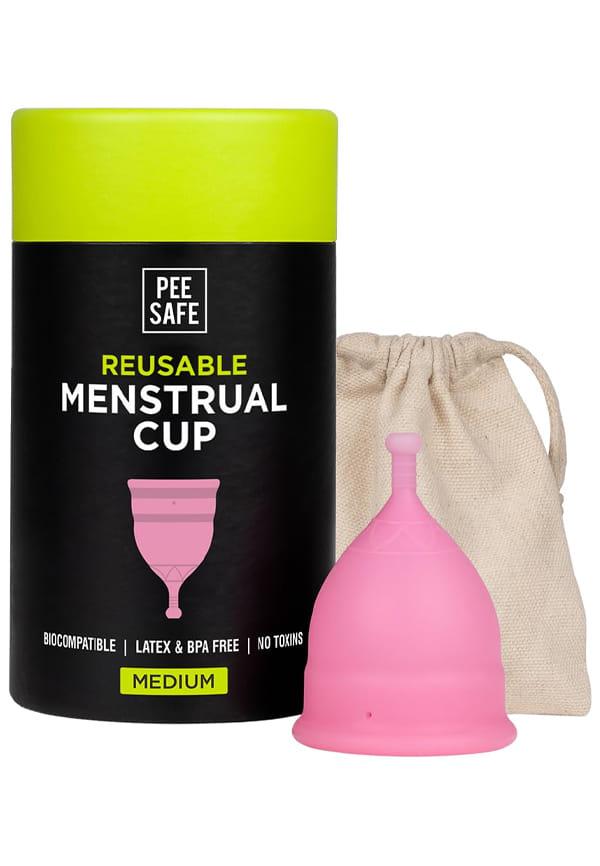
Reusable Menstrual Cup Medium
For active lifestyles, both options work well for swimming, exercising, and sports. However, menstrual cups can be worn for up to 12 hours, while tampons should be changed every 4-8 hours maximum, making cups more convenient for long days or overnight use.
A menstrual cup can hold significantly more fluid than a tampon—typically 1-2 ounces compared to a tampon's maximum of about 1/3 ounce. This means fewer changes throughout the day, even on heavy flow days. For women with particularly heavy periods, this difference can be life-changing.
The switch to menstrual cups is gaining momentum among Indian women for several compelling reasons. The 12-hour wear time is perhaps the biggest game-changer, especially for working women who can't always access clean restrooms throughout the day.
Medical-grade silicone cups don't cause the dryness that tampons sometimes do, since they don't absorb your body's natural moisture. This means more comfort and less irritation, particularly important in India's humid climate where comfort is paramount.
Many Indian gynaecologists now recommend menstrual cups as a safe, healthy option. Dr. Priya Sharma from Mumbai notes that cups can actually help women understand their flow patterns better, which is valuable health information. The reusable nature also appeals to environmentally conscious users—one cup can last 5-10 years with proper care.
While tampons are convenient, they come with certain limitations that are worth considering. The 8-hour maximum wear time means you'll need to change them multiple times daily, and forgetting can increase TSS risk—a serious concern that requires immediate medical attention if symptoms develop.
In India, tampon availability can be inconsistent, especially in smaller cities and rural areas. When available, quality tampons can be expensive over time. Cultural acceptance remains a challenge too, with some families concerned about tampon use affecting virginity—a myth that needs addressing through better education.
Chemical exposure is another consideration. Many tampons contain chlorine-bleached cotton, synthetic materials, and fragrances that some women find irritating. For those with sensitive skin or allergies, these additives can cause discomfort or reactions.
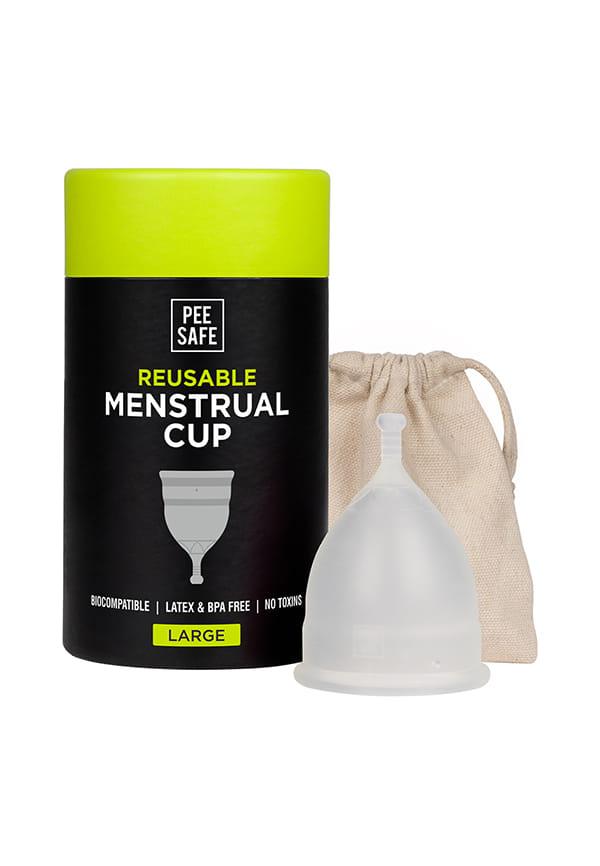
Reusable Menstrual Cup (Large) - No leakage,Rash-Free & Upto 12 Hours protection
Let's talk numbers because the financial difference is striking. A quality menstrual cup costs between ₹800-2,500 initially but lasts 5-10 years. Compare this to tampons, which cost roughly ₹150-300 per cycle, adding up to ₹1,800-3,600 annually.
Over five years, tampon users spend approximately ₹9,000-18,000, while cup users invest just ₹800-2,500 total. For Indian families managing household budgets, this difference is significant. The environmental cost savings are equally impressive—one cup prevents thousands of tampons from entering landfills.
This economic advantage makes menstrual cups particularly appealing for students and young professionals starting their careers. The initial investment pays for itself within 3-6 months, making it a smart financial choice for long-term menstrual health management.
Indian medical professionals increasingly support menstrual cup use, citing safety and health benefits. Dr. Anjali Verma from Delhi's leading women's hospital explains that cups don't interfere with vaginal flora like some tampons might, reducing infection risk.
However, doctors emphasise proper hygiene practices regardless of product choice. This includes washing hands before insertion, sterilising cups between cycles, and never exceeding recommended wear times for tampons. They also stress that product choice should be personal—what works for one woman might not suit another.
For teenagers and first-time users, many gynaecologists suggest starting with smaller cup sizes or regular tampons, then adjusting based on comfort and flow. The key is finding what works for your body and lifestyle without compromising health or comfort.
When exploring menstrual hygiene products, platforms like Smytten make it easier to discover what works best for you. With curated trial packs from trusted wellness brands, you can explore different options before committing to full-size purchases, making your menstrual health journey more informed and confident.
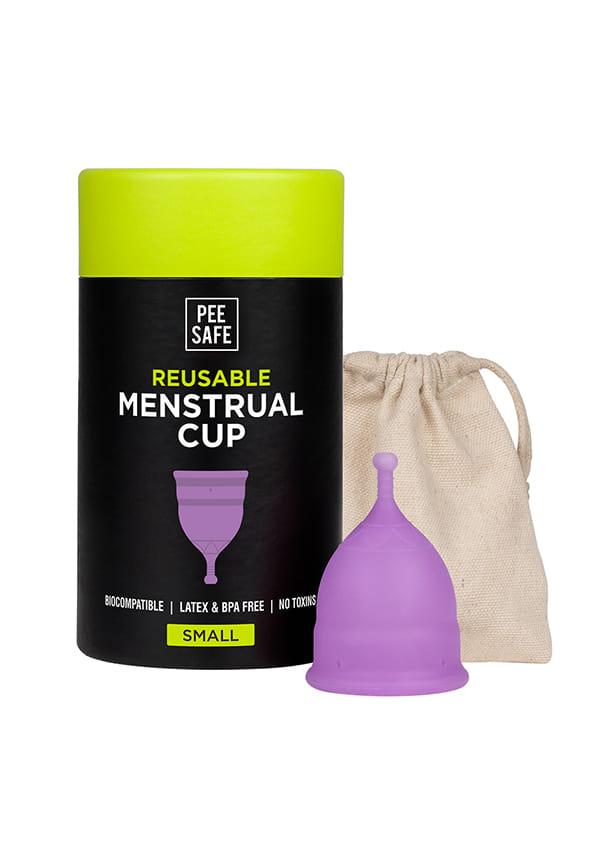
Reusable Menstrual Cup (Small) - No leakage,Rash-Free & Upto 12 Hours protection
It depends on your priorities. Menstrual cups offer longer wear time (12 hours vs 8), better value for money, and lower environmental impact. Tampons might be easier for beginners and are more readily available. Consider your lifestyle, budget, and comfort level when choosing.
Yes, many Indian gynaecologists recommend menstrual cups as safe alternatives to tampons and pads. They cite benefits like reduced infection risk, longer wear time, and absence of harmful chemicals. However, they emphasise proper hygiene and correct usage for any menstrual product.
No, tampons should never be worn for more than 8 hours due to TSS risk. For overnight protection, consider menstrual cups (safe for 12 hours) or pads. If you must use tampons overnight, set an alarm to change them within 8 hours.
Currently, only about 0.3% of Indian women use menstrual cups, though this number is growing rapidly. Urban areas show higher adoption rates, and awareness campaigns are increasing interest across the country. The market is expected to grow significantly over the next few years.
Tampons might feel less intimidating initially due to their smaller size, but menstrual cups often become more comfortable once you learn proper insertion. Start with smaller sizes regardless of choice, and don't rush the learning process. Both require practice to master.
Menstrual cups offer advantages like longer wear time, no odour, and better leak protection during activities. However, pads remain easier for beginners and don't require internal insertion. The best choice depends on your comfort level, lifestyle, and personal preferences.
Choosing between menstrual cups and tampons isn't about finding the universally 'best' option—it's about discovering what works for your unique needs, lifestyle, and comfort level. Both products have their place in menstrual health management, and your choice might even change over time as your needs evolve.
The most important thing is making an informed decision based on accurate information, not myths or cultural taboos. Whether you choose the long-term convenience and eco-friendliness of a menstrual cup or the familiarity and accessibility of tampons, prioritise your health, comfort, and peace of mind. Remember, you can always try different options until you find your perfect match—because when it comes to your menstrual health, settling for 'maybe' simply isn't an option.
