Mastering Mindfulness: Expert Wellness Insights

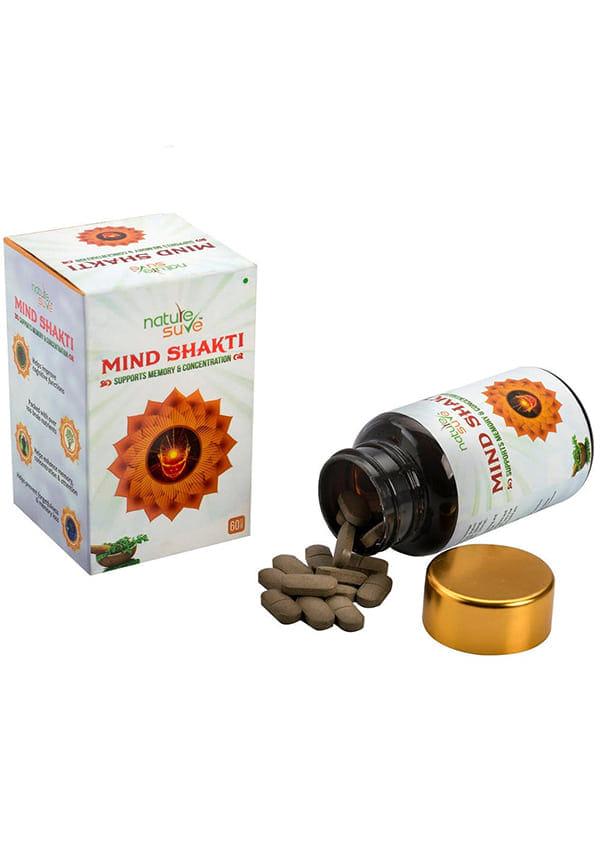
Mind Shakti Tablets for Memory & Concentration in Men & Women
Let's be real—life feels like it's moving at warp speed these days. Between work deadlines, social commitments, and that endless scroll through your phone, finding a moment of peace can feel impossible. But here's the thing: mindfulness and wellness routines aren't just trendy buzzwords your yoga instructor throws around. They're actually game-changers for your mental wellness and overall quality of life. Think of mindfulness as your personal reset button—a way to pause, breathe, and reconnect with yourself amidst all the chaos. Whether you're dealing with stress, struggling to focus, or just want to feel more balanced, building sustainable wellness habits through mindfulness might just be your new favourite discovery.
Mindfulness is basically the art of being present without judging yourself for whatever's going on in your head. It's not about emptying your mind or achieving some zen-master level of calm—it's about noticing what's happening right now, whether that's your breathing, your thoughts, or even the taste of your morning coffee. The beauty of mindfulness lies in its simplicity and how seamlessly it weaves into your existing wellness habits. Research shows that regular mindfulness practice can reduce stress by up to 58% and significantly improve emotional wellbeing. When you make mindfulness part of your daily routine, you're essentially training your brain to respond rather than react. This means less anxiety, better focus, and improved relationships with both yourself and others.
While meditation practices often involve sitting quietly for extended periods, mindfulness can happen anywhere—during your commute, while washing dishes, or even during a stressful meeting. It's more flexible and accessible than traditional meditation, making it perfect for busy lifestyles.
Studies reveal that mindfulness actually changes your brain structure, strengthening areas responsible for attention and emotional regulation while reducing activity in the amygdala (your brain's alarm system). This neuroplasticity means the more you practice, the more natural it becomes.
Ready to dive into some practical mindfulness exercises? These five techniques are perfect for beginners and can easily fit into any schedule. The best part is that you can start with just two minutes and gradually build up as it becomes part of your routine.
The 4-7-8 breathing technique is brilliant for instant calm. Inhale for 4 counts, hold for 7, then exhale for 8. This simple pattern activates your parasympathetic nervous system, telling your body it's safe to relax.
Start at the top of your head and slowly move your attention down through your body. Notice any tension, warmth, or sensations without trying to change them. This practice helps you reconnect with your physical self and release stored stress.
Turn your daily walk into a mindfulness exercise by focusing on each step, the feeling of your feet touching the ground, and the rhythm of your movement. It's meditation in motion and perfect for those who find sitting still challenging.
This practice involves sending good wishes to yourself and others. Start with "May I be happy, may I be healthy, may I be at peace," then extend these wishes to loved ones, neutral people, and even difficult relationships.
Slow down during meals and really taste your food. Notice textures, flavours, and how eating makes you feel. This practice not only enhances your relationship with food but also improves digestion and satisfaction.
Creating lasting wellness habits isn't about perfection—it's about consistency and finding what works for your lifestyle. The key is starting small and building gradually, much like how you might approach trying new wellness products before committing to full-size versions. Your morning mindfulness routine doesn't need to be elaborate. Even five minutes of mindful breathing or a quick body scan can set a positive tone for your entire day. The goal is to create a foundation that feels manageable and enjoyable rather than another item on your to-do list.
Begin with three deep breaths before checking your phone. Set an intention for the day, whether it's staying patient, being kind to yourself, or simply staying present. This simple practice creates mental space before the day's demands take over.
End your day with gratitude journaling or a brief loving-kindness meditation. This helps process the day's experiences and prepares your mind for restful sleep. Consider it your mental skincare routine—essential for maintaining emotional health.
Take three mindful breaths before important meetings, practice mindful listening during conversations, or do a quick body scan during lunch breaks. These micro-practices help maintain your centre throughout busy workdays.
When life gets overwhelming, having a toolkit of stress reduction techniques can be a lifesaver. These advanced methods build on basic mindfulness principles to provide deeper relief and emotional regulation. The STOP technique is particularly powerful during stressful moments. When you notice stress building, literally stop what you're doing, take a conscious breath, observe what's happening in your mind and body, then proceed with awareness. It's like having a pause button for your stress response.
This sensory technique helps when anxiety feels overwhelming. Notice 5 things you can see, 4 things you can touch, 3 things you can hear, 2 things you can smell, and 1 thing you can taste. It anchors you in the present moment and interrupts anxious thought spirals.
Write about your experiences without censoring yourself. Focus on describing feelings and sensations rather than analysing or judging them. This practice helps process emotions and gain clarity on challenging situations.
Tense and release different muscle groups while maintaining mindful awareness of the sensations. This combination of physical and mental relaxation is particularly effective for those who carry stress in their bodies.
Just as everyone's wellness needs are different, your mindfulness practice should be uniquely yours. What works for your best friend might not resonate with you, and that's perfectly fine. The beauty of mindfulness lies in its adaptability—you can modify techniques to suit your personality, schedule, and current life circumstances. Consider your mindfulness practice as an ongoing experiment. Some days you might gravitate towards breathing exercises, while other days a walking meditation feels more appealing. This flexibility prevents your practice from becoming stale and helps maintain long-term engagement.
Take advantage of different seasons to vary your practice. Summer might call for mindful swimming or garden meditation, while winter could be perfect for cosy indoor body scans. Connecting with nature enhances the benefits of mindfulness and provides fresh perspectives.
While mindfulness often emphasises disconnecting from technology, certain apps and tools can actually support your practice. Use guided meditations when you're learning, set gentle reminders for mindful moments, or track your progress to stay motivated.
Progress in mindfulness isn't always linear or immediately obvious. Unlike physical fitness where you might see visible changes, mindfulness benefits often emerge subtly—you might notice you're less reactive to stress, sleep better, or feel more emotionally balanced. Keep a simple wellness journal noting your mood, stress levels, and any insights from your practice. Over time, patterns will emerge that help you understand what techniques work best for different situations. Remember, even noticing when your mind wanders is progress—it shows increased self-awareness.
Once a month, reflect on questions like: How do I handle stress differently now? What mindfulness techniques do I find most helpful? Where do I still struggle? This regular check-in helps you adjust your practice and celebrate improvements.
The goal isn't to become a mindfulness expert overnight but to develop a sustainable relationship with these practices. Some weeks you might practice daily, others just a few times. What matters is returning to your practice without self-judgment when life gets busy. Just as Smytten allows you to discover wellness products through trial-sized versions before committing to full-size purchases, approach mindfulness with the same experimental spirit. Try different techniques, explore what resonates, and build your personal wellness toolkit gradually. With over 25 million users discovering their perfect products through trial and exploration, the same principle applies to finding your ideal mindfulness and wellness routines.
Start with just 2-5 minutes daily and gradually increase as it becomes a natural part of your routine. Consistency matters more than duration—five minutes every day is more beneficial than an hour once a week.
Absolutely. Evening mindfulness practices like body scans or breathing exercises can help calm your nervous system and prepare your mind for rest. Many people find their sleep quality improves within a few weeks of regular practice.
That's completely normal and actually part of the practice. When you notice your mind wandering, gently bring your attention back to your chosen focus point. Each time you do this, you're strengthening your mindfulness muscle.
Mindfulness is a quality of awareness that can be cultivated through meditation, but it's also something you can practice throughout your day. Meditation is one way to develop mindfulness, but mindful eating, walking, or listening are equally valid practices.
Look for subtle changes like feeling less overwhelmed by daily stressors, improved focus during tasks, better emotional regulation, or simply feeling more present in your relationships. These benefits often develop gradually over weeks or months.
Mindfulness and wellness routines aren't about achieving perfection or completely eliminating stress from your life. They're about developing a healthier relationship with your thoughts, emotions, and daily experiences. The techniques we've explored—from simple breathing exercises to advanced stress reduction methods—are tools you can adapt to fit your unique lifestyle and needs. Remember, building sustainable wellness habits is a journey, not a destination. Some days your practice will feel effortless, others might be more challenging, and that's all part of the process. The key is approaching mindfulness with curiosity and self-compassion, allowing yourself to explore what works best for you. As you continue developing your mindfulness practice, consider it an investment in your overall wellbeing. Just as Smytten helps you discover products that truly work for you through affordable trials, mindfulness allows you to discover inner resources for peace, resilience, and joy that are always available to you. With consistent practice and patience, these techniques can become powerful allies in creating a more balanced, fulfilling life.
