Latest Sleep Science FAQ: Your Questions Answered


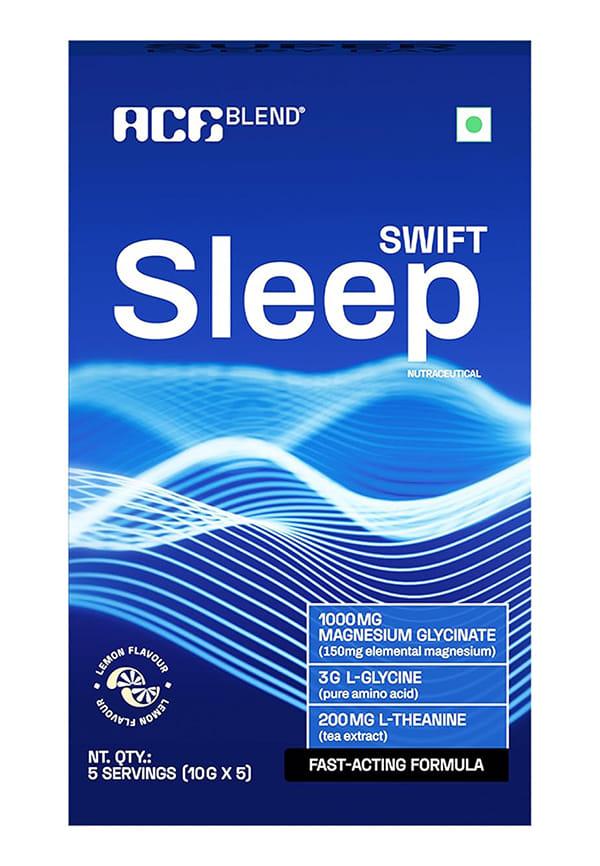
Swift Sleep, Natural Sleep Supplement With Magnesium, L-Theanine And Glycine
Ever wondered why some nights you wake up feeling like you've been hit by a truck, whilst others leave you bouncing out of bed? The latest sleep science has some pretty fascinating answers. From groundbreaking sleep research findings to innovative sleep health technologies, 2026 has brought us closer than ever to understanding what happens when we drift off. Whether you're curious about new sleep discoveries or looking for evidence-based ways to improve your rest, the current sleep knowledge landscape is packed with insights that might just change how you think about your nightly routine. Plus, with platforms like Smytten offering wellness products that support better sleep habits, it's easier than ever to trial science-backed solutions for your bedtime routine.
Latest sleep science reveals that sleep quality matters more than strict 8-hour rules, with individual needs varying significantly
New sleep discoveries show that consistent sleep-wake timing is more crucial than perfect duration for overall health
Sleep research findings indicate that technology can both harm and help sleep, depending on how it's used
Current sleep knowledge emphasises the importance of sleep stages, particularly deep sleep and REM cycles for memory and recovery
Sleep health innovations now offer personalised approaches to improving rest through monitoring and targeted interventions
The world of sleep research has exploded with fascinating findings over the past few years. Scientists are now using advanced neuroimaging techniques and AI-powered analysis to understand exactly what happens in our brains during different sleep stages. These advances in sleep studies have revealed that sleep isn't just about feeling rested—it's a complex biological process that affects everything from immune function to emotional regulation.
One of the most significant sleep science breakthroughs involves understanding how our brains literally clean themselves during sleep. The glymphatic system, discovered relatively recently, acts like a dishwasher for your brain, flushing out toxins and waste products that accumulate during waking hours. This discovery has revolutionised how researchers view sleep's role in preventing neurodegenerative diseases.
Recent sleep and wellness research has shown that our sleep cycles are far more sophisticated than previously thought. Each 90-minute cycle contains distinct stages that serve different purposes—from memory consolidation during REM sleep to physical repair during deep sleep. Understanding sleep patterns at this level has led to new approaches for optimising rest quality rather than just focusing on duration.
New sleep discoveries have revealed that our brains are incredibly active during sleep, particularly when it comes to processing the day's experiences. Sleep research findings show that different types of memories are consolidated during different sleep stages, which explains why pulling an all-nighter before an exam is actually counterproductive.
Forget everything you thought you knew about needing exactly eight hours of sleep. Current sleep knowledge suggests that sleep quality trumps quantity every single time. Some people genuinely thrive on six hours of high-quality sleep, whilst others need a solid nine hours to function optimally. The key lies in understanding your individual sleep patterns and working with them, not against them.
Sleep health innovations have made it possible to track sleep quality metrics that were once only available in sleep laboratories. Modern wearable devices can monitor everything from heart rate variability to sleep stage transitions, giving us unprecedented insight into our personal sleep patterns.

SOMNI Natural Sleep Aid Daily Herbal Supplement for Men & Women
Advances in sleep studies have debunked the one-size-fits-all approach to sleep duration. Genetic factors, age, lifestyle, and even seasonal changes all influence how much sleep you actually need. The latest sleep science emphasises listening to your body's natural rhythms rather than forcing yourself into arbitrary sleep schedules.
One of the most interesting sleep research findings involves sleep debt—that feeling of owing your body rest after a few short nights. Whilst you can partially recover from acute sleep loss, chronic sleep deprivation creates changes in your brain that aren't easily reversed by weekend lie-ins.
The intersection of technology and sleep science has produced some genuinely game-changing innovations. From smart mattresses that adjust temperature throughout the night to apps that use your phone's sensors to track sleep stages, sleep health innovations are making personalised sleep optimisation accessible to everyone.
However, current sleep knowledge also warns us about technology's double-edged relationship with rest. Blue light exposure from screens can disrupt circadian rhythms, but when used correctly, technology can actually enhance sleep quality through features like gradual wake-up lighting and white noise generation.
Recent advances in sleep studies have validated many features of consumer sleep trackers, though they're not perfect. These devices excel at tracking sleep duration and basic patterns but may struggle with precise sleep stage detection. The key is using them as general guides rather than medical-grade diagnostic tools.
New sleep discoveries have highlighted the importance of environmental factors in sleep quality. Smart home technology now allows for precise control of temperature, humidity, and lighting—all crucial factors that sleep and wellness research has identified as key to optimal rest.
One of the most practical applications of latest sleep science involves understanding chronotypes—your natural preference for when to sleep and wake. Sleep research findings have identified several distinct chronotypes, from extreme early birds to dedicated night owls, and everything in between.
This understanding has massive implications for sleep quality improvements. Working with your natural chronotype, rather than fighting it, can dramatically improve how rested you feel. Unfortunately, modern society often forces night owls into early bird schedules, creating chronic sleep disruption.
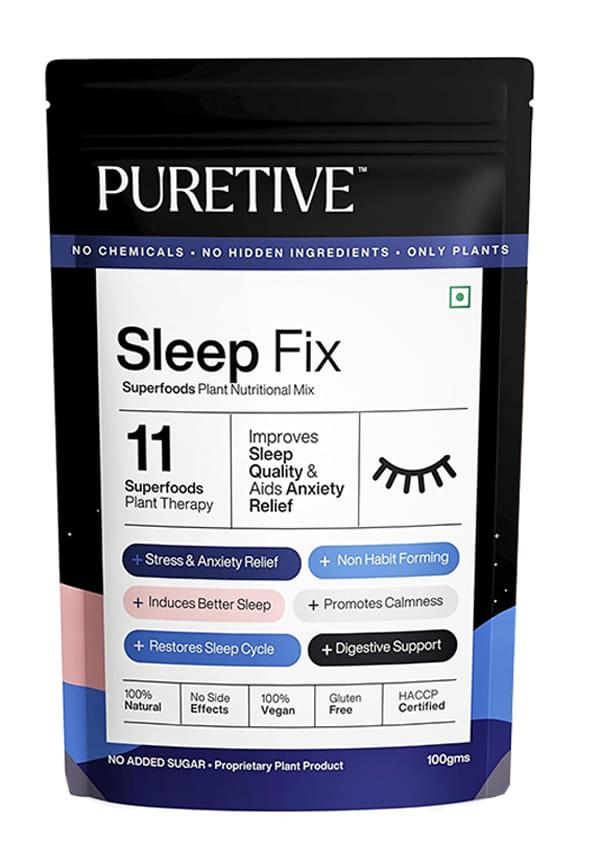
Sleep Fix Superfoods Mix | Natural Melatonin
Current sleep knowledge reveals that chronotypes aren't just preferences—they're largely genetic. Sleep science breakthroughs have identified specific genes that influence whether you're naturally inclined to stay up late or rise early. This research validates what many people have always known: some of us genuinely aren't morning people.
Advances in sleep studies have also explored how our sleep patterns naturally shift with the seasons. Many people find they need more sleep during winter months, and this isn't just laziness—it's a biological response to reduced daylight exposure that affects melatonin production.
The relationship between sleep and mental health has become a major focus of sleep and wellness research. New sleep discoveries show that poor sleep doesn't just make you grumpy—it can actually contribute to anxiety, depression, and other mental health challenges. Conversely, addressing sleep issues often leads to significant improvements in psychological wellbeing.
Sleep research findings have revealed that REM sleep, in particular, plays a crucial role in emotional regulation. During REM sleep, your brain processes emotional experiences and helps integrate them into long-term memory. Disrupted REM sleep can leave you feeling emotionally volatile and less resilient to stress.
Understanding sleep patterns has shown us that quality rest is one of our most powerful tools for managing stress. During deep sleep, cortisol levels drop, giving your body a chance to recover from the day's stressors. Chronic sleep deprivation keeps cortisol elevated, creating a cycle of stress and poor sleep.
Current sleep knowledge demonstrates a bidirectional relationship between sleep and mood. Poor sleep affects mood regulation, but anxiety and depression can also disrupt sleep patterns. This understanding has led to sleep-focused interventions for mental health conditions.
Recent sleep research findings suggest that strategic napping can be beneficial, but timing matters enormously. Short naps (20-30 minutes) before 3 PM can boost alertness without interfering with nighttime sleep. However, longer naps or those taken later in the day can disrupt your natural sleep-wake cycle.

Melatonin With Vitamin B6 - Tablets Promotes Restful Sleep & Relaxation
Advances in sleep studies have shown that shift workers face unique challenges that require specialised approaches. Light therapy, strategic caffeine timing, and maintaining consistent sleep schedules on days off can help. The key is working with your body's natural rhythms as much as possible, even when your schedule isn't traditional.
Current sleep knowledge has dramatically improved our understanding of conditions like sleep apnoea, insomnia, and restless leg syndrome. Many sleep disorders that were once difficult to diagnose can now be identified through home sleep studies and wearable technology. Early detection and intervention have become much more accessible.
Sleep and wellness research has revealed fascinating connections between what we eat and how we sleep. Certain foods contain natural compounds that promote sleepiness, whilst others can be stimulating. The timing of meals also matters—eating large meals close to bedtime can disrupt sleep quality by affecting your body's natural temperature regulation.
New sleep discoveries have refined our understanding of caffeine's impact on rest. Caffeine has a half-life of about 6 hours, meaning that afternoon coffee could still be affecting your sleep at bedtime. However, individual sensitivity varies greatly, and some people can drink coffee late in the day without issues. The key is understanding your personal caffeine tolerance and timing.
Sleep science breakthroughs emphasise the importance of consistency, environment, and routine. Maintaining regular sleep-wake times, creating a cool, dark sleeping environment, and developing a relaxing bedtime routine are all supported by research. Many wellness products available on Smytten, from aromatherapy oils to herbal teas, can support these evidence-based approaches to better sleep.
The latest sleep science paints a picture of rest as a complex, highly individual process that's far more important than we once realised. Understanding sleep patterns, working with your natural chronotype, and focusing on sleep quality over rigid duration rules can dramatically improve how you feel and function. Sleep health innovations have made it easier than ever to track and optimise your rest, but the fundamentals remain the same: consistency, environment, and listening to your body's natural rhythms.
Current sleep knowledge emphasises that good sleep isn't a luxury—it's a fundamental pillar of health that affects everything from immune function to emotional wellbeing. The sleep research findings of recent years have given us powerful tools for improving rest, but the most important insight might be the simplest: sleep is deeply personal, and what works for others might not work for you.
As sleep science continues to evolve, one thing becomes increasingly clear: there's no one-size-fits-all approach to perfect rest. The latest research empowers us to become more informed about our individual sleep needs and patterns. Whether you're exploring natural sleep aids, trying new bedtime routines, or simply wanting to understand your rest better, platforms like Smytten make it easy to trial wellness products that support better sleep. With over 1,500 trusted brands available, you can try before you buy and discover what genuinely works for your unique sleep needs. From aromatherapy products to herbal supplements, Smytten's trial packs let you explore science-backed sleep solutions without the commitment of full-size purchases. After all, when it comes to finding your perfect sleep routine, why settle for guesswork when you can #TryItAll?
