Is Gym Supplements Good for Health? Your FAQ Answered


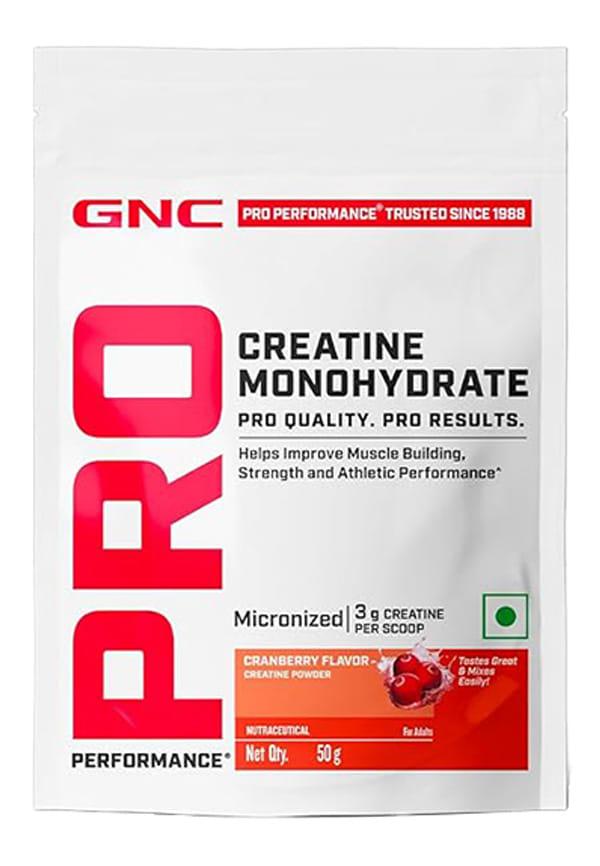
Pro Performance Creatine Monohydrate, Cranberry
Let's be real—walk into any gym and you'll spot someone mixing up a protein shake or popping pre-workout capsules. The supplement industry is booming, but the big question remains: is gym supplements good for health? With endless options promising everything from massive muscle gains to superhuman endurance, it's easy to get caught up in the hype. But here's the thing—not all supplements are created equal, and what works for your gym buddy might not be your cup of tea. Whether you're just starting your fitness journey or you're already crushing your goals, understanding the real deal about gym supplements can help you make smarter choices for your health. That's where platforms like Smytten come in handy, letting you trial wellness products before committing to full-size purchases, so you can discover what actually works for your body.
TL;DR
- Gym supplements can offer health benefits like improved performance and recovery, but they're not essential for most people
- Safety depends on the type, quality, and how you use them—some have mild side effects while others carry serious risks
- Protein powder and creatine are among the safest and most researched options for fitness enthusiasts
- Whole foods should always be your foundation, with supplements filling specific gaps rather than replacing proper nutrition
- Quality matters—look for third-party tested products and avoid unregulated supplements with dodgy ingredient lists
The health benefits of gym supplements aren't just marketing fluff—there's solid science backing many of them. When used correctly, certain supplements can genuinely support your fitness goals and overall wellbeing. Think of them as your training partner's backup, stepping in when your regular diet needs a little extra support.
Research shows that specific supplements can boost your workout game in measurable ways. Protein supplements help with muscle protein synthesis, which is basically your body's way of repairing and building muscle after you've put in the work. Creatine monohydrate has been shown to improve strength and power output, especially during high-intensity, short-duration activities like weightlifting or sprinting.
Recovery is where supplements really shine. Quality protein powder can help reduce muscle soreness and speed up the repair process between training sessions. Some studies suggest that certain vitamins and minerals support immune function, which tends to take a hit when you're training hard consistently.
Not all supplements are worth your money, but these categories have solid research behind them. **Protein supplements** are probably the most straightforward—they provide the building blocks your muscles need for repair and growth. **Creatine monohydrate** is one of the most studied supplements out there, with decades of research showing its safety and effectiveness for strength training.
**Vitamins and minerals** might sound basic, but they're crucial for recovery and immune function, especially if you're training intensely. **Omega-3 fatty acids** offer anti-inflammatory benefits that can help with recovery and joint health. The key is focusing on supplements with actual scientific backing rather than the latest trendy ingredient.
Here's where things get a bit more complicated. The question "are gym supplements safe" doesn't have a simple yes or no answer—it depends on what you're taking, how much, and your individual health situation. Most well-researched supplements are generally safe for healthy adults when used as directed, but that doesn't mean they're risk-free.
**Pre-workout supplement side effects** are probably the most noticeable ones you'll encounter. These products often contain high amounts of caffeine and other stimulants, which can cause increased heart rate, jitters, anxiety, and trouble sleeping if taken too late in the day. Some people experience skin tingling from beta-alanine, which is harmless but can be startling if you're not expecting it.
Digestive issues are another common complaint, especially with protein powders or supplements taken on an empty stomach. Stomach upset, bloating, and changes in bowel movements aren't uncommon when you first start using supplements or if you're taking more than your body can handle.
While most side effects are mild and temporary, there are some serious risks to be aware of. Excessive protein intake can strain your kidneys over time, especially if you already have kidney issues. High doses of stimulants can put stress on your cardiovascular system, potentially causing irregular heartbeat or elevated blood pressure.
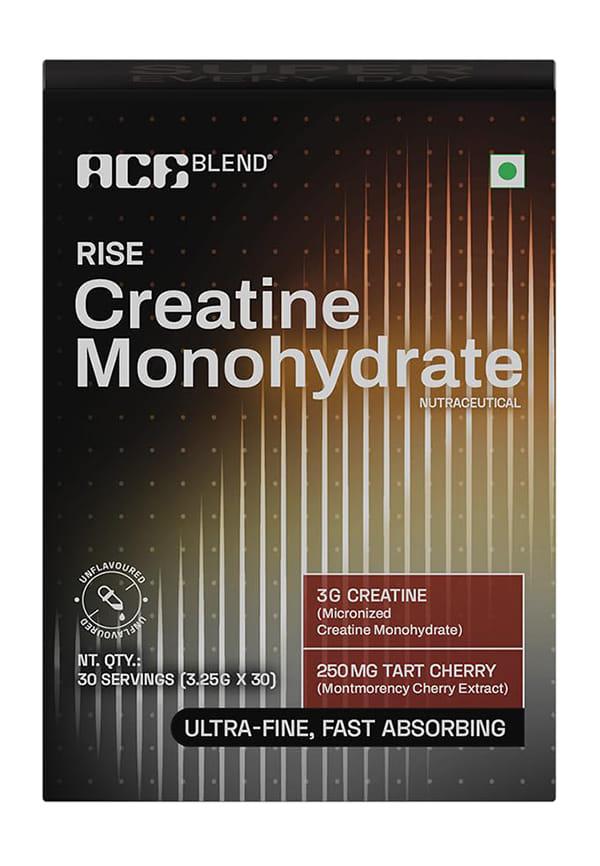
Rise Creatine Monohydrate, Ultra-Fine & Fast Absorbing, Recovery Support
Perhaps the biggest concern is contamination and quality control. The supplement industry isn't as tightly regulated as pharmaceuticals, which means some products might contain harmful substances or inaccurate labelling. This is why choosing reputable brands and third-party tested products is so important for your safety.
Let's break down the pros and cons of workout supplements honestly. Like most things in life, supplements aren't all good or all bad—they're a tool that can be helpful in the right circumstances but unnecessary or even harmful in others.
**Athletes with high training demands** often benefit from supplements because their nutritional needs exceed what's practical to get from food alone. If you're training twice a day or doing intense sessions regularly, supplements can help bridge the gap between what you need and what you can realistically eat.
**Individuals with dietary restrictions** might find supplements particularly useful. Vegans might struggle to get enough complete protein or vitamin B12 from food alone. People with food allergies or intolerances might have limited options for certain nutrients. **Convenience for busy lifestyles** is another valid reason—sometimes a protein shake is more practical than cooking a full meal.
**Beginners with basic fitness goals** probably don't need supplements right away. If you're just starting out, focusing on consistent training and a balanced diet will give you much better results than any supplement. **Those with adequate nutrition from whole foods** are already getting what they need—adding supplements on top might be wasteful or even counterproductive.
**Budget constraints** are a real consideration too. Quality supplements aren't cheap, and your money might be better spent on fresh, whole foods. If you have **underlying health conditions**, it's especially important to be cautious and consult with healthcare providers before adding supplements to your routine.
When it comes to nutritional supplements for athletes, less is often more. Instead of trying every supplement on the market, focus on the few that have solid research backing and align with your specific goals. Quality over quantity is the name of the game here.
**Whey protein** tops the list for good reason—it's easily absorbed, contains all essential amino acids, and has decades of research supporting its safety and effectiveness. Most people benefit from 20-25 grams post-workout, though your needs might vary based on your size and training intensity.
**Creatine monohydrate** is probably the most cost-effective supplement you can buy. Three to five grams daily is all you need, and you don't need to do loading phases or cycle on and off. **Vitamin D** is crucial for bone health and immune function, especially if you train indoors or live in areas with limited sunlight. **Magnesium** supports muscle function and can help with recovery and sleep quality.
If **muscle growth** is your priority, stick to protein and creatine as your foundation. HMB might offer small additional benefits, but the research is mixed and it's quite expensive. For **endurance** goals, beta-alanine can help with muscular endurance, while caffeine provides a performance boost for longer sessions.
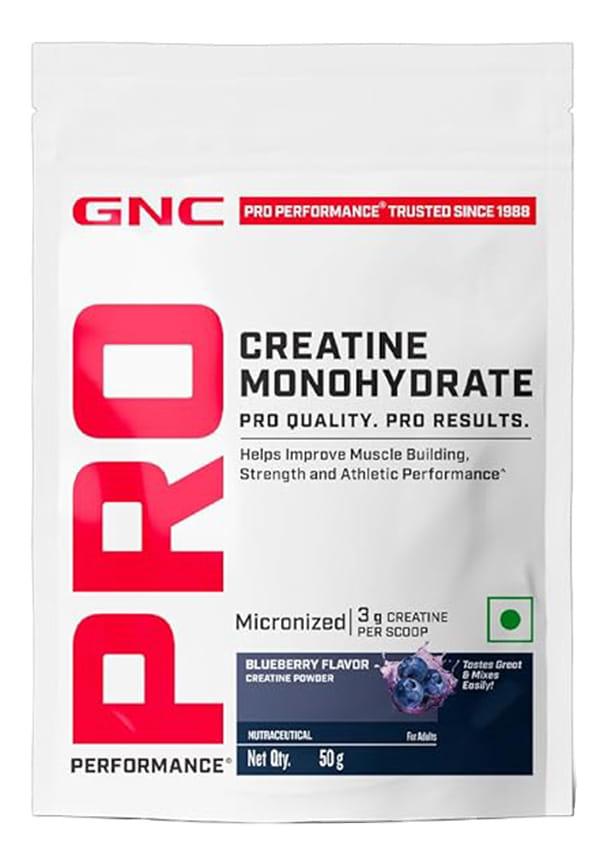
Pro Performance Creatine Monohydrate, Blueberry
**Recovery** supplements are where things get interesting. BCAAs and glutamine are popular but probably unnecessary if you're already getting enough protein. Tart cherry extract has some promising research for reducing inflammation and improving sleep quality, which indirectly supports recovery.
Let's dive deeper into the two most popular and well-researched supplements: protein powder and creatine. Understanding their health effects can help you decide whether they're worth adding to your routine.
**Protein powder health effects** are generally positive when used appropriately. The main benefit is supporting muscle protein synthesis, which helps with recovery and muscle growth. Some research suggests protein supplements can also help with weight management by increasing satiety and preserving muscle mass during weight loss.
The myth about protein powder causing kidney damage in healthy individuals has been largely debunked. However, if you already have kidney issues, it's worth discussing with your doctor before significantly increasing protein intake. Quality differences between protein sources matter—whey is fast-absorbing and complete, while plant proteins might need to be combined for optimal amino acid profiles.
**Creatine for muscle growth safety** has been extensively studied, making it one of the safest supplements available. Decades of research show that creatine monohydrate is safe for long-term use in healthy adults. The most common side effect is water retention, which is actually part of how creatine works—it draws water into muscle cells, which can support growth and performance.
Proper dosing is straightforward: 3-5 grams daily, taken consistently. You don't need loading phases or cycling protocols. The water retention some people experience isn't fat gain—it's intracellular water that can actually make muscles look fuller and more defined.
Making smart supplement choices starts with understanding what to look for and what to avoid. The supplement market can be overwhelming, but focusing on a few key factors can help you navigate it safely and effectively.
**Third-party testing and certifications** are your best friends when choosing supplements. Look for products tested by organisations like NSF International, Informed Sport, or USP. These certifications mean the product has been tested for purity, potency, and contamination.
**Reading labels and ingredient lists** carefully is crucial. Avoid products with proprietary blends that don't list specific amounts of each ingredient. You want to know exactly what you're putting in your body and in what quantities. **Budget-friendly effective options** often include basic forms of well-researched ingredients rather than fancy new compounds with limited research.
**Starting with lower doses** is always wise, especially if you're new to supplements. Your body needs time to adjust, and you can always increase the dose if needed. **Timing and cycling strategies** matter for some supplements—creatine works best with consistent daily use, while caffeine-containing pre-workouts might need occasional breaks to maintain effectiveness.
**Monitoring your body's response** is essential. Keep track of how you feel, any side effects, and whether you're seeing the benefits you expected. **When to consult healthcare providers** includes if you have any underlying health conditions, take medications, or experience concerning side effects.
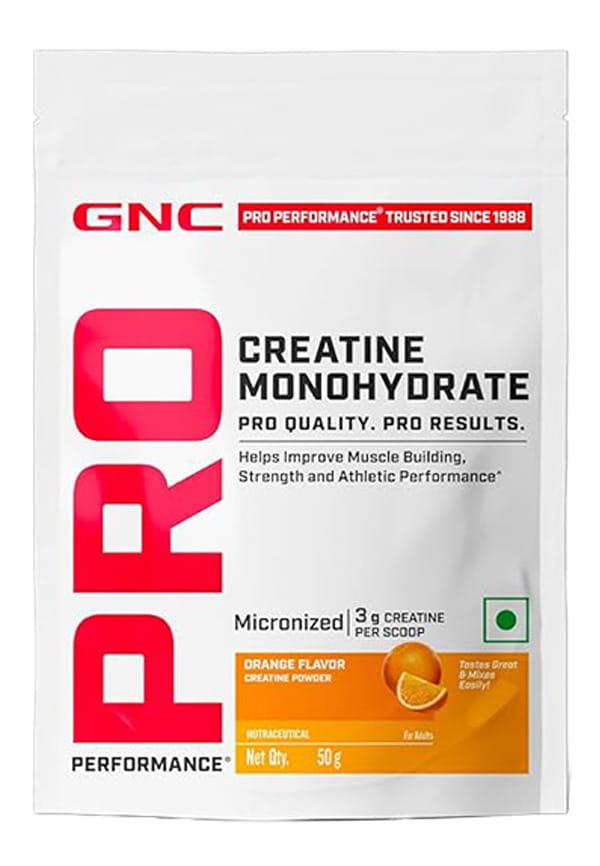
Pro Performance Creatine Monohydrate, Orange
The most common side effects include digestive issues like bloating or stomach upset, especially with protein powders. Pre-workout supplements often cause jitters, increased heart rate, or trouble sleeping due to caffeine content. Some people experience skin tingling from beta-alanine, which is harmless but can be surprising. Most side effects are mild and temporary, but it's important to start with lower doses and monitor your body's response.
Supplements aren't necessary for most people to see fitness results. A balanced diet with adequate protein, consistent training, and proper recovery will get you far. Supplements can be helpful for filling specific nutritional gaps or providing convenience, but they're not magic pills. Focus on the basics first—whole foods, consistent workouts, and adequate sleep—before considering supplements.
Look for products that have been third-party tested by reputable organisations like NSF International or Informed Sport. Check for clear labelling with specific ingredient amounts rather than proprietary blends. Research the ingredients individually to see if there's scientific evidence supporting their use. When trying new supplements on Smytten, you can test smaller amounts before committing to full-size products, which helps you assess both safety and effectiveness for your body.
Absolutely not. Supplements are meant to supplement, not replace, a healthy diet. Whole foods provide nutrients in forms that are often better absorbed and utilised by your body, plus they contain beneficial compounds that supplements can't replicate. Think of supplements as insurance for specific nutrients you might be missing, not as a substitute for eating well.
Vitamins for gym goers often contain higher doses of certain nutrients that active individuals need more of, like B vitamins for energy metabolism or vitamin D for bone health. They might also include minerals like magnesium and zinc that support muscle function and recovery. However, the basic vitamin needs don't change dramatically just because you exercise—it's more about ensuring you're getting adequate amounts to support your increased activity level.
Not exactly. Bodybuilding supplements often focus on specific goals like muscle growth, strength, or body composition changes. Health supplements have a broader focus on overall wellbeing and filling nutritional gaps. There's definitely overlap—protein powder and creatine can serve both purposes—but bodybuilding supplements might include ingredients that are more performance-focused rather than general health-focused.
The impact of supplements on fitness and health is nuanced—they can be beneficial tools when used correctly, but they're not essential for everyone. The safest and most effective approach is to focus on well-researched supplements like protein powder and creatine monohydrate, which have extensive safety data and proven benefits. Quality matters enormously in the supplement world, so investing in third-party tested products from reputable brands is worth the extra cost.
Remember that supplements work best as part of a comprehensive approach that includes proper nutrition, consistent training, and adequate recovery. They're not shortcuts or magic solutions, but they can provide valuable support for specific goals or fill nutritional gaps in your diet. Always start conservatively, monitor your body's response, and don't hesitate to consult healthcare providers if you have concerns or underlying health conditions.
Navigating the world of gym supplements doesn't have to be overwhelming when you focus on evidence-based choices and prioritise safety. Whether you're curious about protein powders, creatine, or other wellness supplements, the key is making informed decisions that align with your individual needs and goals. Smytten's trial packs make this process even smarter by letting you test wellness products before committing to full-size purchases. With over 1,500 trusted brands available, you can explore different supplement options through authentic brand-verified minis, ensuring you find what works best for your body. The platform's 100% cashback on trials means you can experiment with various supplements risk-free, making it easier to discover your perfect fitness support routine. After all, why settle for guessing when you can try before you buy and make confident choices about your health and fitness journey.
