Iron Tablets for Women FAQ: Your Questions Answered

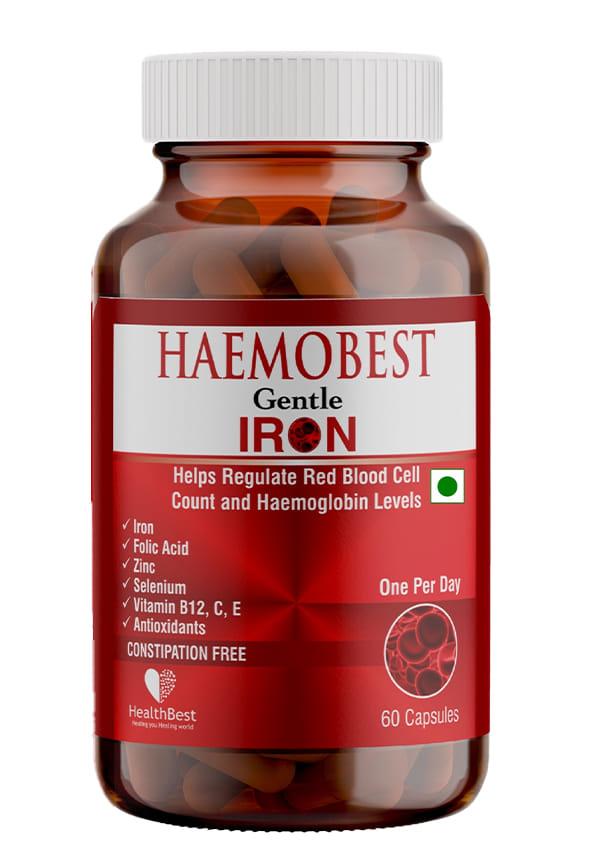
Haemobest Iron Supplement for Hemoglobin Support, Energy & Immunity, Men & Women
Good for Iron Deficiency
 4
4“good for iron deficiency. .”
Positive Product Review
5“product look , feel good and contents mentioned are good , price is good”
Iron deficiency affects nearly 1 in 4 women worldwide, making iron tablets one of the most commonly discussed supplements in women's health. Whether you're dealing with heavy periods, pregnancy, or just feeling constantly drained, understanding iron supplements can be a game-changer for your energy levels and overall wellbeing. From choosing between ferrous sulfate and chelated iron to figuring out the right dosage, there's a lot to unpack when it comes to iron tablets for women. With so many options available on platforms like Smytten, where you can trial wellness products before committing to full sizes, it's worth getting clued up on what works best for your body. Let's dive into the most common questions about iron supplements and get you the answers you need to make informed choices about your health.
Women need 18mg of iron daily (19-50 years) due to menstrual blood loss, with symptoms of deficiency including fatigue, pale skin, and hair loss
Ferrous sulfate offers the highest iron content, while chelated iron provides better absorption with fewer side effects
Take iron supplements on an empty stomach with vitamin C for best absorption, but with food if you experience nausea
Common side effects include constipation and stomach upset, which can be minimised by starting with lower doses
Always consult a healthcare provider before starting iron supplements to avoid iron overload and ensure proper dosing
Women face unique challenges when it comes to maintaining healthy iron levels, primarily due to monthly menstrual cycles. During menstruation, women lose approximately 30-40ml of blood, which translates to about 15-20mg of iron lost each month. This ongoing blood loss, combined with often inadequate dietary iron intake, creates a perfect storm for iron deficiency in women.
Iron plays a crucial role in producing haemoglobin, the protein in red blood cells that carries oxygen throughout your body. When iron levels drop, your body can't produce enough healthy red blood cells, leading to iron deficiency anaemia. This condition directly impacts your energy levels, leaving you feeling exhausted even after a full night's sleep.
Recognising iron deficiency early can help prevent more serious complications. The most common symptoms include persistent fatigue that doesn't improve with rest, pale or yellowish skin tone, and shortness of breath during normal activities. You might also notice your heart racing or pounding in your ears, especially when climbing stairs or exercising.
Other telltale signs include brittle or spoon-shaped nails, unusual hair loss, muscle weakness, and frequent headaches. Many women also experience cold hands and feet, even in warm weather, as poor circulation becomes an issue when iron levels are low.
The daily iron intake for women varies significantly based on age and life stage. Women aged 19-50 years need 18mg of iron daily, which is more than double the requirement for men of the same age. This higher need reflects the ongoing iron loss through menstruation.
After menopause, women's iron requirements drop to 8mg daily, similar to men's needs. However, pregnancy dramatically increases iron requirements to 27mg daily, as the body needs extra iron to support the growing baby and increased blood volume. Breastfeeding mothers need about 9mg daily, slightly higher than post-menopausal women but less than during pregnancy.
Individual factors can affect your iron needs beyond these general guidelines. Heavy menstrual periods, vegetarian or vegan diets, frequent blood donation, and certain medical conditions can all increase your iron requirements. It's worth getting a blood test to check your iron levels before starting any supplement regimen.
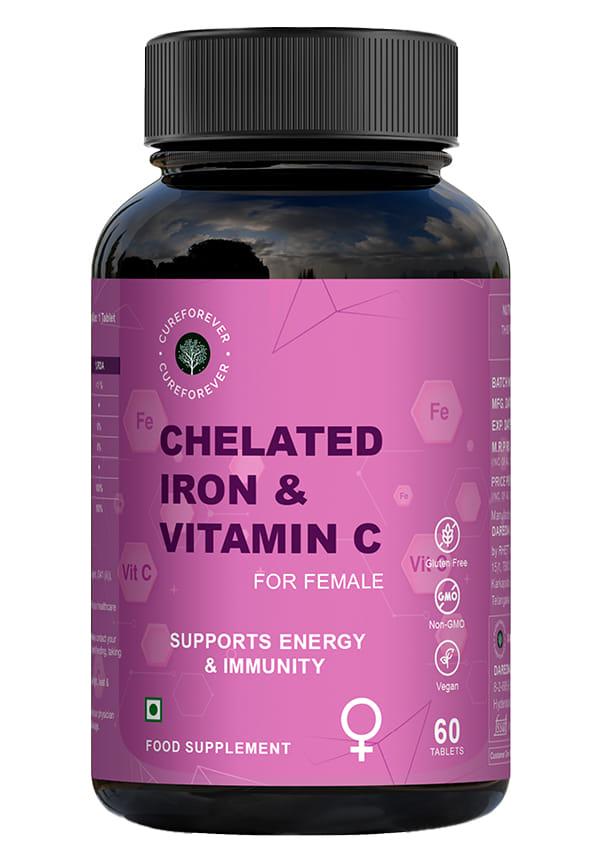
Women Chelated Iron with Vitamin C
Not all iron supplements are created equal, and understanding the different types can help you choose the best iron for women based on your specific needs and tolerance levels. The most common forms include ferrous sulfate, ferrous fumarate, ferrous gluconate, and chelated iron.
Ferrous sulfate is the most widely prescribed form, containing about 20% elemental iron. This means a 325mg tablet provides roughly 65mg of actual iron. It's highly effective but can cause more stomach upset than other forms.
Ferrous sulfate remains the gold standard for treating iron deficiency due to its high elemental iron content and proven effectiveness. Most doctors recommend this form first because it's well-studied and cost-effective. However, the higher iron concentration can lead to more pronounced side effects.
Iron bisglycinate, a form of chelated iron, is bound to amino acids, making it easier for your body to absorb and gentler on your stomach. While it contains less elemental iron per dose, the superior absorption often makes up for the lower concentration. This form is particularly good for women who experience significant side effects with traditional iron supplements.
Iron side effects are common but manageable with the right approach. The most frequent complaints include nausea, constipation, stomach cramps, and a metallic taste in your mouth. Dark or black stools are completely normal and not a cause for concern—it's simply the body eliminating excess iron.
To minimise side effects, start with a lower dose and gradually increase as your body adjusts. Taking iron supplements with a small amount of food can reduce nausea, though this may slightly decrease absorption. Drinking plenty of water and eating fibre-rich foods can help prevent constipation.
Some women find that taking iron every other day rather than daily reduces side effects while still effectively treating iron deficiency. However, this approach should only be considered under medical supervision, especially if you have severe anaemia.
Getting the most from your iron supplements isn't just about taking them—it's about timing and food combinations. Iron absorption can vary dramatically based on what you eat and drink alongside your supplement, making these tips crucial for optimal results.
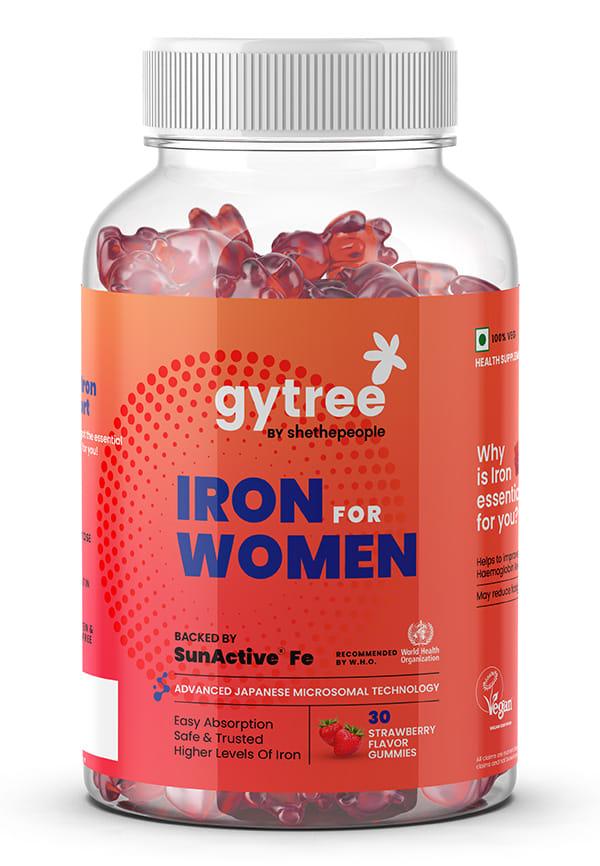
The Total Iron Support Gummies
Vitamin C is iron's best friend, significantly enhancing absorption when taken together. Try taking your iron tablet with a glass of orange juice, or eat vitamin C-rich foods like strawberries, bell peppers, or tomatoes around the same time. Even a small amount of vitamin C can double iron absorption rates.
On the flip side, calcium, coffee, tea, and whole grains can inhibit iron absorption. If you're a coffee lover, wait at least two hours after taking iron before having your morning brew. Similarly, avoid taking iron supplements with calcium-rich foods or calcium supplements, as they compete for absorption.
The ideal time to take iron supplements is on an empty stomach, about one hour before meals or two hours after eating. This maximises absorption but can increase stomach upset. If you experience significant nausea, taking iron with a light snack is better than skipping doses altogether.
When treating iron deficiency anaemia with iron pills, patience is key. Most women start feeling more energetic within 2-3 weeks of beginning treatment, but it takes 2-3 months to fully replenish iron stores in the body. Your doctor will likely recommend continuing iron supplements for several months after your blood levels normalise to ensure adequate iron reserves.
Regular blood tests help monitor your progress and ensure the treatment is working effectively. Your haemoglobin levels should start improving within 4-6 weeks, while ferritin levels (which indicate iron stores) take longer to normalise. Some doctors recommend combining iron with folic acid, as folate deficiency often accompanies iron deficiency.
If iron supplements alone aren't improving your anaemia after 2-3 months, your doctor may investigate underlying causes such as heavy menstrual bleeding, gastrointestinal bleeding, or absorption issues that require different treatment approaches.
While iron supplements are often necessary for treating deficiency, understanding natural iron sources can help you maintain healthy levels long-term. Iron from food comes in two forms: heme iron from animal products and non-heme iron from plant sources.
Heme iron, found in red meat, poultry, and fish, is absorbed much more efficiently than non-heme iron from plants. Your body absorbs about 15-35% of heme iron compared to only 2-20% of non-heme iron. This is why vegetarian and vegan women are at higher risk for iron deficiency.
Excellent natural iron sources include lean red meat, chicken liver, sardines, spinach, lentils, fortified cereals, and tofu. However, even with a iron-rich diet, many women with heavy periods or other risk factors still need supplements to maintain adequate levels. The key is combining both approaches for optimal iron status.
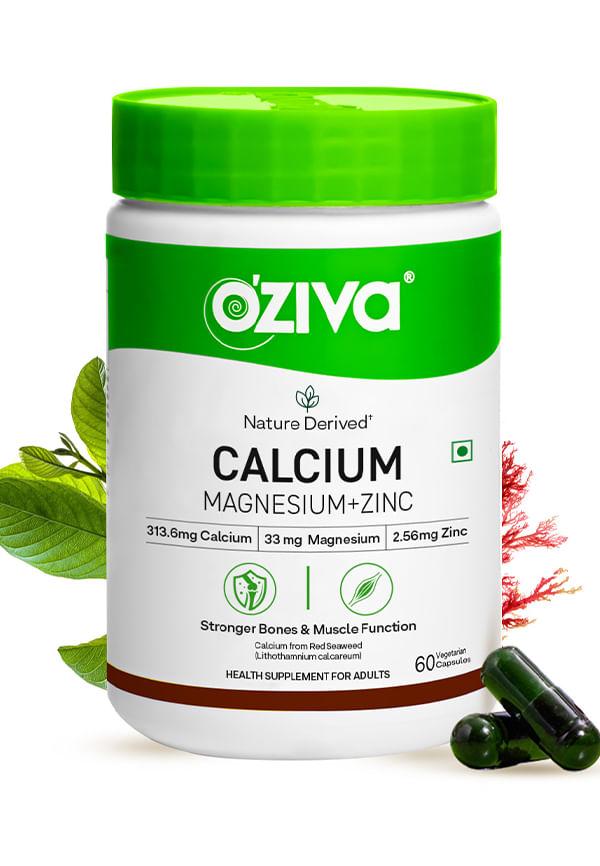
OZiva Calcium, Magnesium, Zinc
Effective with Regular Use
5“it's effective if you use regularly.”
Effective & Recommended
5“it is really work...you must try”
While iron supplements are available over-the-counter, it's best to consult a healthcare provider before starting them. Iron overload can be dangerous, causing organ damage over time. A simple blood test can determine if you actually need iron supplements and help establish the right dosage for your situation. Self-supplementation might be appropriate if you have obvious risk factors like heavy periods, but professional guidance ensures safety and effectiveness.
Daily iron supplementation depends on your individual iron status and risk factors. Women with confirmed iron deficiency typically need daily supplements for several months. However, women with normal iron levels might only need supplements during high-risk periods like pregnancy or particularly heavy menstrual cycles. Some research suggests alternate-day dosing can be as effective as daily dosing with fewer side effects, but this should be discussed with your healthcare provider.
Iron tablets are not only safe during pregnancy but often essential. Pregnant women need 27mg of iron daily to support increased blood volume and fetal development. Most prenatal vitamins contain iron, but additional supplementation may be needed if blood tests show deficiency. Taking iron with prenatal vitamins is generally safe, but timing and dosage should be coordinated with your healthcare provider to avoid exceeding safe limits.
Treatment duration varies based on the severity of deficiency and underlying causes. Most women need 3-6 months of supplementation to fully replenish iron stores. Your doctor will monitor your progress with blood tests and may recommend continuing supplements for several months after levels normalise. Women with ongoing risk factors like heavy periods might need long-term maintenance dosing. Products available on Smytten allow you to trial different iron supplements to find what works best for your body before committing to long-term use.
The optimal time is on an empty stomach, ideally one hour before meals or two hours after eating, as this maximises absorption. However, if you experience nausea or stomach upset, taking iron with a light meal is acceptable. Morning dosing often works well as it's easier to maintain consistent timing. Avoid taking iron with coffee, tea, or calcium-rich foods, and space it at least two hours away from other medications that might interfere with absorption.
Iron tablets for women serve as a crucial tool in addressing the widespread issue of iron deficiency that affects millions of women worldwide. Understanding your individual iron needs, choosing the right type of supplement, and optimising absorption through proper timing and food combinations can make all the difference in your treatment success. Remember that while ferrous sulfate offers the highest iron content, chelated iron might be gentler on your stomach, and the best choice depends on your tolerance and specific needs.
The journey from iron deficiency to optimal levels takes time—typically 2-3 months—so patience and consistency are key. Regular monitoring through blood tests ensures you're on the right track and helps prevent iron overload. Most importantly, while iron supplements are readily available, professional guidance helps ensure safe and effective treatment tailored to your unique situation.
Navigating the world of iron supplements doesn't have to be overwhelming when you have the right information and resources. Smytten is India's largest product discovery and trial platform, connecting consumers with top lifestyle, beauty, wellness, and grooming brands. With curated trial packs from over 1,500 trusted brands, you can explore different wellness products, including iron supplements, before committing to full-size purchases. Each mini is linked with Trial Points, and users can get up to 8 minis for just ₹249, plus Smytten offers 100% cashback on trial purchases, making it both affordable and rewarding to find the right iron supplement for your needs. When you discover a product that works for you, buying the full-size version is just a click away in Smytten's shop, ensuring you never have to settle for 'maybe' when you can try it all.
