Improve Sleep Quality Tonight: Your FAQ Guide



SOMNI Natural Sleep Aid Daily Herbal Supplement for Men & Women
Struggling to get quality sleep? You're definitely not alone. Poor sleep affects millions of people, leaving them tired, cranky, and unable to function at their best. The good news is that you can actually improve sleep quality tonight with the right strategies. Whether you're dealing with racing thoughts, an uncomfortable sleep environment, or just bad habits that keep you tossing and turning, there are science-backed solutions that work. From quick fixes you can implement immediately to long-term sleep hygiene tips that'll transform your nights, this guide covers everything you need to know. Plus, with platforms like Smytten offering wellness products that support better sleep routines, finding the right tools for your sleep journey has never been easier.
Quick fixes like the 3-2-1 rule and 4-7-8 breathing can help you fall asleep faster tonight
Consistent sleep hygiene tips and better sleep habits are essential for long-term success
Natural sleep remedies and relaxation techniques offer gentle alternatives to medication
Understanding deep sleep benefits helps motivate better sleep practices
Sleep environment optimisation and a proper winding down routine create the perfect conditions for rest
When you need to improve sleep quality tonight, these immediate strategies can make a real difference. The best part? They don't require any special equipment or major lifestyle changes.
This simple rule is one of the most effective ways to fall asleep faster. Stop eating large meals 3 hours before bed to avoid digestive disruption. Cut off work and screen time 2 hours before sleep to let your mind wind down. Finally, avoid liquids 1 hour before bed to prevent middle-of-the-night bathroom trips that fragment your sleep.
The 4-7-8 breathing technique is brilliant for calming your nervous system. Breathe in for 4 counts, hold for 7, then exhale for 8. Progressive muscle relaxation works wonders too—tense and release each muscle group from your toes to your head. Keep your room between 16-19°C for optimal sleep temperature.
If you can't fall asleep within 20 minutes, get up and do a quiet, non-stimulating activity until you feel sleepy. For racing minds, try the "worry dump" technique—write down everything on your mind for 5 minutes, then close the notebook. When you wake up in the middle of the night, avoid checking the time and use deep breathing to drift back off.
Building better sleep habits takes time, but the payoff is massive. These sleep hygiene tips form the foundation of quality rest that'll serve you for years.
Consistency is everything when it comes to sleep. Go to bed and wake up at the same time every day, even on weekends. Your body thrives on routine, and this helps regulate your internal clock. If you need to adjust your schedule, do it gradually—shift by 15-30 minutes each day rather than making dramatic changes.
Your bedroom should be a sleep sanctuary. Keep it cool, dark, and quiet. Invest in blackout curtains or an eye mask, and consider earplugs or a white noise machine if needed. Make sure your mattress and pillows support your preferred sleep position. Remove electronics or use blue light filters if you must have them nearby.
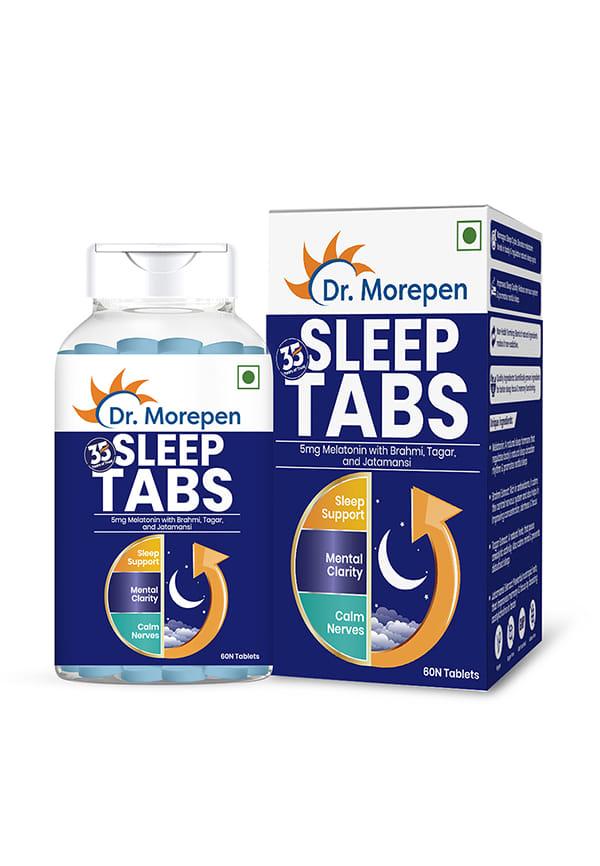
Sleep Tabs with 5mg melatonin, Brahmi, Tagar & Jatamansi, Sleeping Tablets for Stress Free Sleep & Calmness - 60 Tablets
Caffeine after 2 PM can interfere with sleep, even if you don't feel jittery. Intense exercise within 3 hours of bedtime can be too stimulating. If you nap, keep it under 30 minutes and before 3 PM. Long or late naps can make it harder to fall asleep at night.
Sometimes your body needs a gentle nudge towards sleep. These natural sleep remedies and relaxation techniques for sleep can help without the grogginess that comes with sleep medications.
Melatonin works best when taken 30 minutes to 2 hours before your desired bedtime. Start with a low dose (0.5-1mg) and adjust as needed. Magnesium glycinate can help relax muscles and calm the nervous system. Chamomile tea is a classic for good reason—it contains compounds that bind to brain receptors and promote sleepiness.
Guided meditation apps can walk you through sleep-specific practices. Try gentle yoga poses like child's pose or legs-up-the-wall to release physical tension. Journaling before bed helps clear your mind—spend 5-10 minutes writing about your day or tomorrow's plans to stop thoughts from cycling when your head hits the pillow.
Your winding down routine should start 30-60 minutes before sleep. This might include a warm bath, reading, gentle stretching, or listening to calming music. The key is consistency—your brain will start associating these activities with sleep time. Customise based on your schedule, but try to maintain the same sequence of activities.
Knowing why quality sleep matters can motivate you to prioritise it. Deep sleep benefits extend far beyond feeling rested—they're crucial for your overall health and wellbeing.
During deep sleep, your body repairs tissues, consolidates memories, and releases growth hormones. Your brain literally cleans itself, flushing out toxins that accumulate during the day. This stage is also when your immune system strengthens and your metabolism regulates hormones that control hunger and stress.
Sleep deprivation symptoms go beyond feeling tired. You might notice difficulty concentrating, mood swings, increased appetite, or getting sick more often. Physical signs include dark circles, dull skin, and slower reaction times. If you're experiencing these regularly, it's time to prioritise better sleep habits.
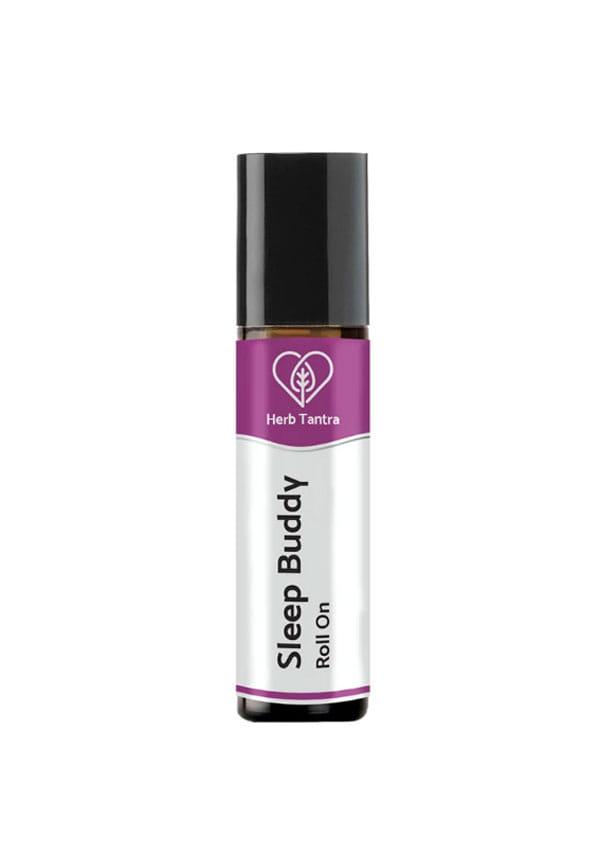
Sleep Buddy Insomnia Relief Roll-On
Regular exercise promotes deeper sleep, but time it right—finish workouts at least 3 hours before bed. Keep your bedroom slightly cool and completely dark. Avoid alcohol before bed, as it fragments sleep and reduces deep sleep stages. Stick to a consistent sleep schedule to help your body cycle through sleep stages properly.
Your sleep environment plays a huge role in sleep quality. Small changes to your bedroom setup can make a massive difference in how well you rest.
Position your bed away from direct light sources and electronics. Choose calming colours like soft blues, greens, or neutral tones for your bedroom décor. Ensure good air circulation—stuffy rooms make it harder to sleep deeply. Consider adding plants that improve air quality, like snake plants or peace lilies.
If you must use devices before bed, enable blue light filters or wear blue light blocking glasses. White noise can help mask disruptive sounds, but complete silence works better for some people—experiment to find what suits you. Sleep tracking can be useful, but don't become obsessed with the data, as this can create anxiety about sleep.
Summer heat can disrupt sleep, so use fans, cooling mattress toppers, or lightweight bedding. In winter, layer blankets so you can adjust warmth without overheating. Maintain humidity levels between 30-50% year-round—too dry or too humid can affect sleep comfort.
Sometimes natural methods need extra support. Understanding different types of sleep issues helps you choose the right insomnia treatment approach.
Acute insomnia usually stems from stress or life changes and often resolves on its own. Chronic insomnia lasts more than three months and may need professional help. Sleep onset insomnia means trouble falling asleep, while sleep maintenance insomnia involves frequent wake-ups. Each type benefits from different strategies.
If you've tried natural approaches for several weeks without improvement, consider seeing a sleep specialist. Cognitive Behavioural Therapy for Insomnia (CBT-I) is highly effective and doesn't involve medication. A sleep study might be needed if you snore loudly, stop breathing during sleep, or feel tired despite adequate sleep time.
Stress management is crucial for good sleep. Practice relaxation techniques during the day, not just at bedtime. Build a toolkit of sleep strategies so you're not relying on just one method. Having backup plans reduces anxiety about sleep, which ironically helps you sleep better.
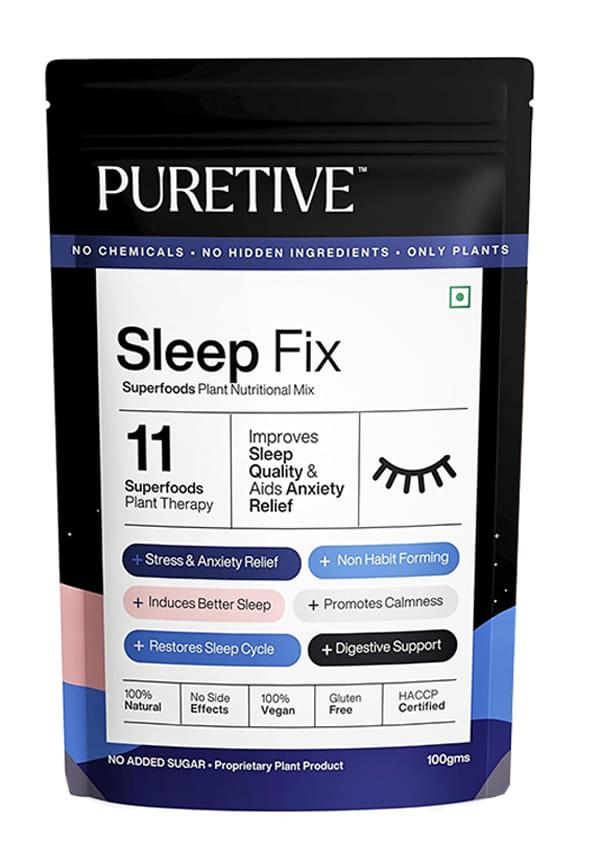
Sleep Fix Superfoods Mix | Natural Melatonin
Start with the 3-2-1 rule: no food 3 hours before bed, no screens 2 hours before, and no liquids 1 hour before. Create a cool, dark environment and try the 4-7-8 breathing technique. If your mind is racing, do a 5-minute worry dump by writing down your thoughts.
Chamomile tea, magnesium supplements, and melatonin are well-researched natural options. Lavender essential oil can be calming when used in a diffuser or on your pillow. Foods rich in tryptophan like turkey, milk, or bananas may also promote sleepiness when eaten a few hours before bed.
Some changes, like adjusting room temperature or trying breathing techniques, can work immediately. However, establishing better sleep habits typically takes 2-4 weeks to show consistent results. Be patient and stick with your new routine—your body needs time to adjust to changes.
Smytten offers various wellness products that can support better sleep, including aromatherapy oils, herbal teas, and relaxation aids. The trial packs let you test different products to find what works best for your sleep routine without committing to full-size purchases.
Avoid checking the time, as this can create anxiety. Use deep breathing or progressive muscle relaxation to help yourself drift back to sleep. If you can't fall back asleep within 20 minutes, get up and do a quiet activity until you feel sleepy again.
Seek professional help if sleep problems persist for more than a month despite trying various strategies, if you're experiencing severe daytime fatigue, or if sleep issues are affecting your work or relationships. Loud snoring, gasping during sleep, or feeling unrefreshed despite adequate sleep time also warrant medical evaluation.
Improving sleep quality doesn't have to be complicated. Start with immediate fixes like the 3-2-1 rule and proper breathing techniques to see results tonight. Build long-term success with consistent sleep hygiene tips and a personalised winding down routine. Natural sleep remedies and relaxation techniques offer gentle support without side effects. Remember that sleep environment optimisation is just as important as your bedtime habits—small changes to your bedroom can yield big improvements. If natural methods aren't enough, don't hesitate to seek professional help. Quality sleep is an investment in your health, mood, and overall quality of life.
Better sleep is within reach when you have the right tools and strategies. Smytten is India's largest product discovery and trial platform, connecting consumers with top lifestyle, beauty, wellness, and grooming brands that can support your sleep journey. At its core, Smytten offers curated trial packs—mini-sized products from over 1,500 trusted brands. Whether you're looking for aromatherapy oils, herbal teas, or other wellness products that promote relaxation, you can explore and experience these products before committing to full-size purchases. Each mini is linked with Trial Points, and users can get up to 8 minis for just ₹249. Plus, Smytten offers 100% cashback on the purchase of these minis, redeemable in the shop section for future orders, making your sleep improvement journey both affordable and rewarding. With authentic brand-verified minis available on Smytten and PAN-India delivery, finding the right sleep support products has never been easier. After all, why settle for restless nights when you can #TryItAll!
