How Zinc Boosts Women's Immunity: A Complete Guide


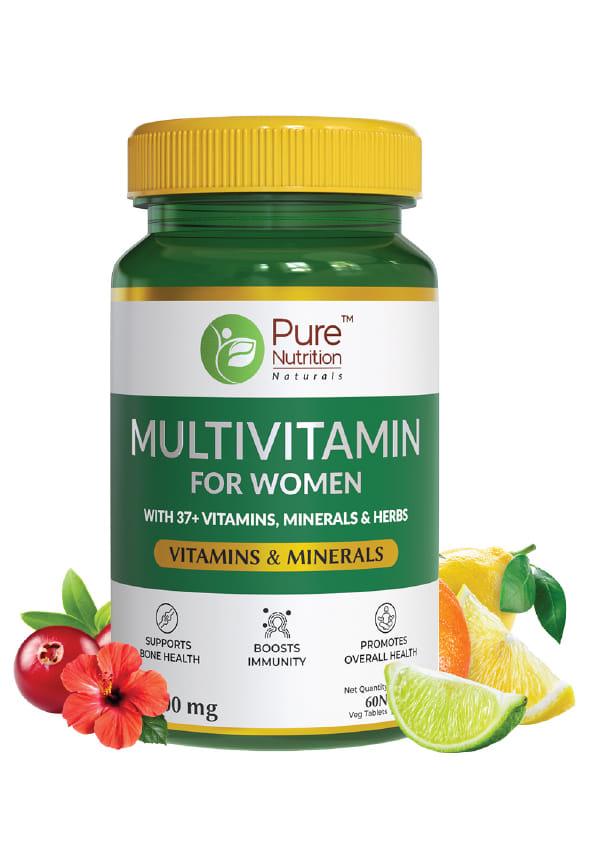
Multivitamin For Women For Energy and Immunity
Let's be real—your immune system works overtime, especially as a woman juggling work, family, and everything in between. Between hormonal changes, stress, and busy schedules, your body needs all the support it can get. That's where zinc comes in as your immunity's best mate. This essential mineral doesn't just sit quietly in the background; it actively strengthens your defences, helps fight off infections, and keeps you feeling your best. Whether you're dealing with frequent colds, slow-healing cuts, or just want to give your immune system a proper boost, understanding how zinc works for women's health could be a total game-changer. From figuring out the right daily intake to spotting deficiency signs early, this guide covers everything you need to know about zinc for women's immunity. Plus, with wellness brands now available on Smytten, exploring immune-supporting supplements has never been easier or more affordable.
Zinc plays a crucial role in women's immune function by supporting T-cell development, antibody production, and inflammatory response regulation
Women need about 8mg of zinc daily, but requirements increase during pregnancy, breastfeeding, and periods of high stress
Common deficiency symptoms include frequent infections, hair loss, slow wound healing, and changes in taste or smell
Best natural sources include oysters, red meat, legumes, nuts, and seeds, with animal sources offering higher bioavailability
Zinc supplements can be beneficial when dietary intake is insufficient, but proper timing and dosage are essential for safety and effectiveness
Your immune system is like a well-orchestrated team, and zinc is one of its star players. This mighty mineral doesn't just support immunity—it's absolutely essential for it to function properly. Think of zinc as the conductor of your immune orchestra, making sure every part works in harmony to keep you healthy.
Here's where things get fascinating. Zinc directly influences how your T-cells develop and function—these are the white blood cells that remember past infections and mount targeted attacks against invaders. Without adequate zinc, your T-cells can't mature properly, leaving you vulnerable to infections you should easily fight off.
Zinc also supports antibody production, those protein warriors that neutralise harmful bacteria and viruses. Plus, it helps regulate your inflammatory response, ensuring your body reacts appropriately to threats without going overboard and causing unnecessary damage to healthy tissues.
Women face unique immune challenges that make zinc even more important. Your menstrual cycle naturally affects zinc levels—you lose zinc during menstruation, and hormonal fluctuations can impact how well your body absorbs and uses this mineral.
Pregnancy and breastfeeding create additional demands on your zinc stores, as you're supporting not just your own immune system but your baby's developing one too. As you age, your immune system naturally becomes less efficient, making adequate zinc intake crucial for maintaining strong defences.
Getting the right amount of zinc is like finding that perfect balance—too little and your immunity suffers, too much and you might face unwanted side effects. The official recommendations provide a starting point, but your individual needs might be quite different.
The recommended daily allowance suggests 8mg of zinc for non-pregnant women, but this is really just the baseline to prevent deficiency. If you're pregnant, you'll need about 11mg daily, and breastfeeding mothers require around 12mg to support both their own health and their baby's development.
Your lifestyle significantly impacts your zinc needs. Athletes and very active women often require more zinc due to increased losses through sweat and higher metabolic demands. Chronic stress, which many women experience, can also deplete zinc levels more rapidly.
The upper safe limit for zinc is 40mg daily for women. Going beyond this regularly can interfere with copper and iron absorption, potentially creating new deficiencies. Signs of zinc overconsumption include nausea, stomach upset, and metallic taste in your mouth.

Immunzn Booster with natural Zinc
Some medical conditions might require higher doses under professional supervision, but for general immune support, sticking within safe limits is your best bet for long-term health.
Zinc deficiency often creeps up quietly, masquerading as everyday tiredness or stress-related symptoms. Learning to spot the warning signs early can help you address deficiency before it seriously impacts your health and immunity.
Frequent infections are often the first red flag—if you're catching every cold that goes around or taking ages to recover from minor illnesses, zinc deficiency might be the culprit. Slow wound healing is another telltale sign, as zinc plays a crucial role in tissue repair and regeneration.
Hair loss, particularly if it's sudden or unexplained, can indicate low zinc levels. You might also notice changes in your sense of taste or smell, skin problems like acne or eczema, and persistent fatigue that doesn't improve with rest. Some women experience menstrual irregularities when zinc levels drop too low.
Vegetarian and vegan diets can increase deficiency risk, not because plant foods don't contain zinc, but because plant-based zinc is less easily absorbed than zinc from animal sources. Digestive disorders like Crohn's disease or celiac disease can impair zinc absorption, even if your dietary intake seems adequate.
Chronic stress depletes zinc stores rapidly, and certain medications including some antibiotics and diuretics can interfere with zinc absorption or increase zinc losses from your body.
Getting zinc from food sources is ideal because you're also getting other beneficial nutrients that work synergistically. The key is knowing which foods pack the biggest zinc punch and how to maximise absorption from your meals.
Oysters are the absolute champions of zinc content—just six medium oysters provide about 32mg of highly absorbable zinc. If oysters aren't your thing, red meat like beef and lamb are excellent sources, providing 3-5mg per serving. Poultry, particularly dark meat, offers good zinc levels too.
Fish like sardines, salmon, and tuna contribute meaningful amounts of zinc, whilst dairy products and eggs provide moderate amounts that add up throughout the day.
Legumes like chickpeas, lentils, and black beans are zinc powerhouses in the plant world. Pumpkin seeds are particularly rich—just 30g provides about 2mg of zinc. Cashews, almonds, and other nuts make excellent zinc-rich snacks.
Whole grains and fortified cereals can contribute to your daily intake, though the zinc is less readily absorbed than from animal sources. To boost absorption, try soaking beans and grains before cooking, and avoid consuming them with calcium-rich foods at the same meal.
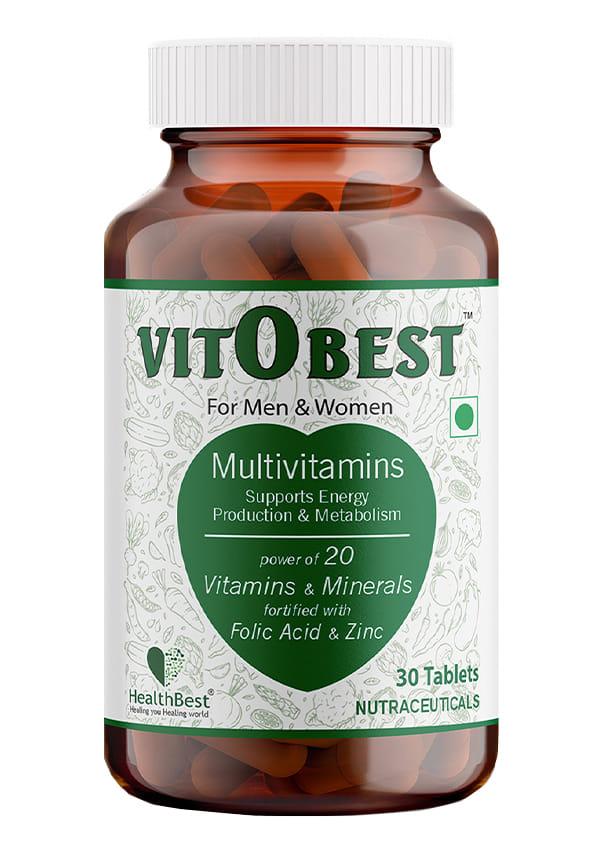
Multivitamin Tablets for Men & Women, Energy, Immunity & Wellness Support with Vitamin C, D3, Zinc, B12
Good for daily vitamin
 5
5“Best for daily vitamin Intake.”
High-Protein, Good Quality
5“good quality for women and men both are very high protein and simple”
A typical day might include porridge with pumpkin seeds for breakfast, a chickpea salad for lunch, and grilled chicken with quinoa for dinner. This combination easily meets your daily zinc needs whilst providing variety and other essential nutrients.
Pair zinc-rich foods with vitamin C sources like citrus fruits or bell peppers to enhance absorption, and try to space out calcium-rich foods as calcium can compete with zinc for absorption.
Sometimes food sources aren't enough, especially if you have increased needs or absorption issues. Understanding different supplement forms and how to use them safely can help you make informed decisions about zinc supplementation.
Zinc citrate and zinc glycinate are generally well-tolerated forms that offer good absorption. Zinc acetate is often used in lozenges for immune support, whilst zinc picolinate is another highly absorbable option. Chelated forms like zinc glycinate tend to be gentler on the stomach.
Avoid zinc oxide supplements for internal use—whilst fine for topical applications, it's poorly absorbed when taken orally.
If you're experiencing frequent infections, following a restrictive diet, or have digestive issues that affect nutrient absorption, supplementation might be beneficial. The best approach is to start with 8-15mg daily and monitor how you feel.
Take zinc supplements on an empty stomach for best absorption, but if they cause nausea, take them with a small snack. Avoid taking zinc with calcium, iron, or high-fibre foods as these can interfere with absorption.
Getting enough zinc is just the first step—optimising how your body uses it can amplify the immune benefits. Your lifestyle choices play a huge role in how effectively zinc supports your immunity.
Chronic stress is zinc's enemy, rapidly depleting your stores and reducing absorption. Regular stress management through meditation, exercise, or whatever works for you helps preserve zinc levels. Quality sleep is equally important—your immune system does much of its repair work during deep sleep phases.
Regular moderate exercise supports immune function, but intense training can increase zinc losses through sweat. If you're very active, you might need slightly higher zinc intake to compensate.
Zinc works beautifully alongside vitamin C—they support each other's immune functions without competing for absorption. Vitamin D is another crucial partner, as deficiency in either can compromise immune response.
A healthy gut microbiome enhances zinc absorption and supports overall immunity. Probiotic-rich foods like yoghurt, kefir, and fermented vegetables can help maintain optimal gut health. Antioxidant-rich foods like berries, leafy greens, and colourful vegetables provide comprehensive immune support that complements zinc's specific benefits.
Calcium Magnesium Zinc Supplement
Most people notice improvements in immune function within 2-4 weeks of addressing zinc deficiency. However, if you're severely deficient, it might take 2-3 months to fully restore optimal levels and see maximum benefits.
Yes, but check the zinc content in your multivitamin first. Most contain 8-15mg, which might be sufficient for your needs. If you're taking additional zinc, ensure your total intake doesn't exceed 40mg daily.
Zinc is best absorbed on an empty stomach, so taking it first thing in the morning or between meals is ideal. If it causes stomach upset, take it with a small snack, but avoid dairy or high-calcium foods.
You might notice fewer colds, faster wound healing, improved energy levels, and better skin health. These changes typically become apparent within a few weeks of consistent supplementation.
Yes, calcium-rich foods, high-fibre foods, and coffee can reduce zinc absorption when consumed together. Try to space these out from your zinc-rich meals or supplements by at least two hours.
Absolutely. Zinc deficiency is often linked to frequent infections, and correcting it can significantly improve your body's ability to fight off pathogens. Many immune-supporting supplements containing zinc are available on Smytten, making it easy to find quality options that fit your needs.
Zinc truly deserves its reputation as an immunity powerhouse for women. From supporting T-cell function to helping your body mount effective immune responses, this mineral plays countless crucial roles in keeping you healthy. The key is finding the right balance—getting enough through food sources or supplements whilst avoiding excess that could cause problems.
Remember that zinc works best as part of a holistic approach to immune health. Combine adequate zinc intake with stress management, quality sleep, regular exercise, and a nutrient-rich diet for optimal results. Pay attention to your body's signals, and don't hesitate to consult healthcare professionals if you suspect deficiency or need guidance on supplementation.
Your immune system deserves the best support you can give it, and zinc is undoubtedly one of the most important tools in your wellness arsenal. Whether you're looking to prevent frequent infections, support your body through stressful periods, or simply maintain optimal health, understanding and optimising your zinc intake can make a real difference. Smytten makes exploring immune-supporting wellness products incredibly accessible through their trial packs, letting you discover what works best for your body without the commitment of full-size purchases. With over 1,500 trusted brands available on Smytten, you can trial everything from zinc supplements to other natural immunity boosters, all backed by 100% cashback on trials. After all, when it comes to your health and immunity, why settle for maybe when you can try it all and find what truly works for you?
