How Yoga Improves Mental Health: A Practical Guide

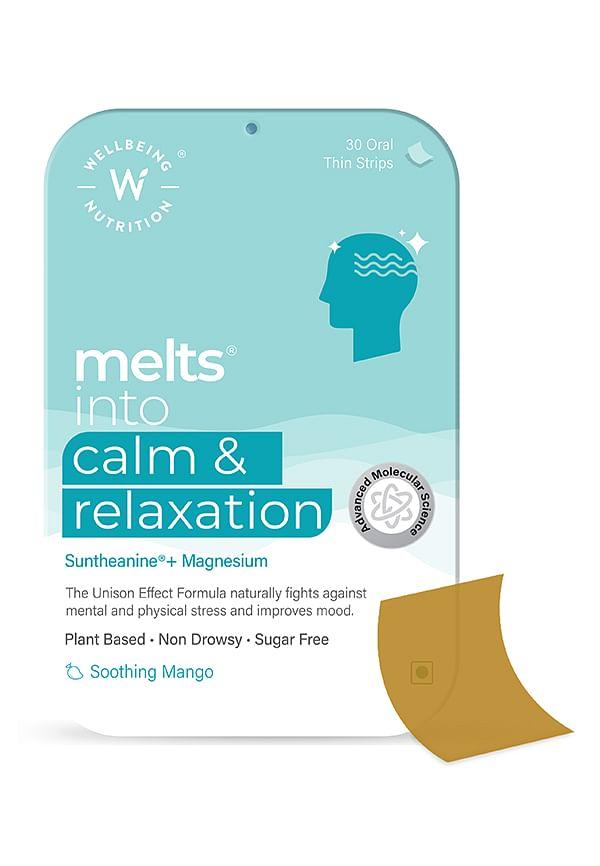
Melts Calm & Relaxation Plant Based Stress & Anxiety Reliever
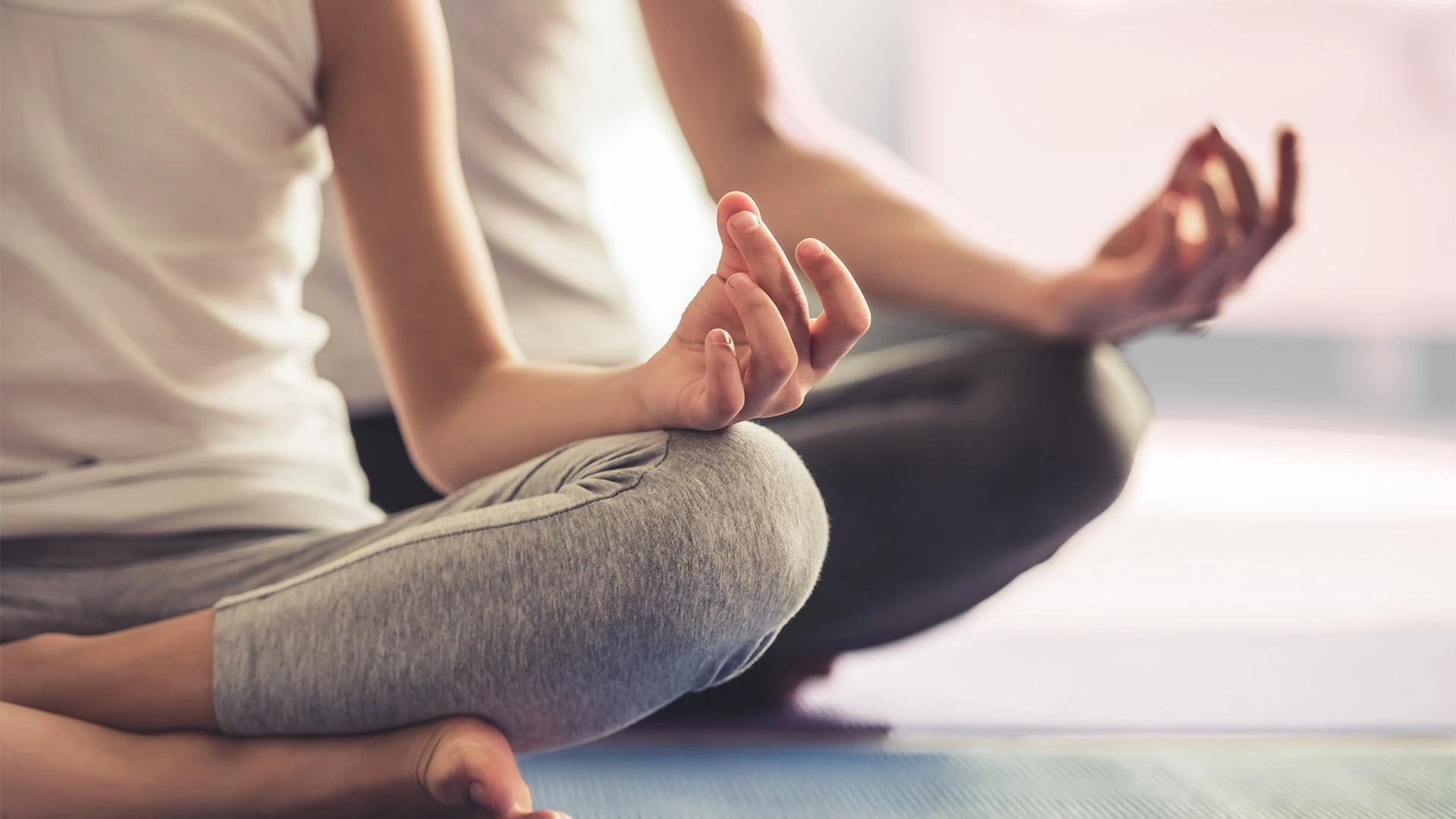
Let's be real—life can feel overwhelming sometimes. Between work deadlines, social pressures, and the constant buzz of notifications, finding mental peace feels like chasing a moving target. But here's something worth knowing: yoga isn't just about fancy poses or flexibility. It's actually one of the most researched ways to boost your mental health, backed by proper science and real results. Whether you're dealing with stress, anxiety, or just need some mental clarity, yoga offers practical tools that actually work. And the best part? You don't need to be a pretzel-bending expert to start seeing benefits. On Smytten, you'll find wellness products that complement your mental health journey, making it easier to create a holistic approach to feeling better.
Yoga literally changes your brain structure, increasing areas linked to memory and reducing stress hormones like cortisol
Regular practice offers anxiety reduction through yoga by boosting GABA levels and activating your body's relaxation response
Simple techniques like breathing exercises and gentle poses can provide immediate stress relief and long-term mood improvement
Mindfulness and yoga benefits work together to build emotional resilience and better coping mechanisms
You can start with just 10-15 minutes daily for meaningful mental health improvements
Here's where things get fascinating. When researchers started studying how yoga improves mental health, they discovered it's not just feel-good vibes—there are actual, measurable changes happening in your brain. Think of yoga as a workout for your mind, but instead of building biceps, you're strengthening neural pathways and optimising brain chemistry.
Your brain is incredibly adaptable, and yoga takes full advantage of this. Studies from Harvard Health show that regular yoga practice increases the volume of your hippocampus—that's your brain's memory and learning centre. It's like giving your brain a proper upgrade.
The cerebral cortex also gets thicker with consistent practice, which means better cognitive protection as you age. Plus, yoga enhances neural connectivity, creating stronger communication between different brain regions. This improved brain plasticity helps you adapt better to stress and bounce back from challenges more quickly.
The chemistry behind yoga for mood improvement is genuinely impressive. When you practice yoga, your brain increases GABA production—a neurotransmitter that naturally calms anxiety. It's like having your own internal chill pill.
Your body also releases endorphins and serotonin, those lovely mood-boosting chemicals that make you feel genuinely happier. Meanwhile, cortisol and adrenaline levels drop significantly. These stress hormones are useful in emergencies, but when they're constantly elevated, they wreak havoc on your mental health. Yoga helps reset this balance, creating lasting mental clarity from yoga practice.
Now that we've covered the science, let's talk about what this actually means for your daily life. The psychological benefits of yoga extend far beyond the mat, creating ripple effects that improve how you handle everything from work stress to relationship challenges.
Yoga for stress relief works by activating your parasympathetic nervous system—basically switching your body from "fight-or-flight" mode to "rest-and-digest" mode. This isn't just relaxation; it's a fundamental shift in how your nervous system operates.
When you hold poses and focus on breathing, you're literally training your body to stay calm under pressure. Physical tension release translates directly to mental calm, creating a feedback loop that gets stronger with practice.
Anxiety reduction through yoga happens through multiple pathways. The GABA enhancement we mentioned earlier provides immediate relief, whilst mindful breathing techniques give you tools for managing anxiety in real-time.
Regular practice builds long-term emotional resilience. You start noticing anxiety patterns earlier and have practical strategies to address them before they spiral. It's like developing an early warning system for your mental health.
Yoga for depression management works by optimising neurotransmitter production, particularly serotonin and dopamine. Research shows it can be as effective as some medications when used as complementary therapy.

Magnesium Melatonin - Restful Sleep, Reduced Stress, Anxiety
The combination of movement, breathing, and mindfulness creates a powerful antidote to depressive symptoms. Studies indicate that people who practice yoga regularly report significant improvements in mood and overall life satisfaction.
The connection between yoga and brain function extends to concentration and attention. Breathwork and meditation components strengthen your ability to focus, whilst reducing mental chatter and distractions.
This enhanced mental clarity carries over into daily tasks, making you more productive and less scattered. It's like decluttering your mind and creating space for what actually matters.
Deep relaxation techniques learned through yoga practice can transform your sleep quality. Restorative poses and breathing exercises activate your body's natural wind-down mechanisms.
Better sleep directly impacts emotional well-being and yoga creates a positive cycle—improved sleep leads to better mood regulation, which makes it easier to maintain your practice. It's a win-win situation for your mental health.
The mindfulness component of yoga is where the real magic happens for mental health. It's not just about moving your body; it's about developing a completely different relationship with your thoughts and emotions.
Mindfulness and yoga benefits work synergistically to build self-awareness. When you practice present-moment awareness, you naturally reduce rumination—that endless loop of worrying thoughts that fuel anxiety and depression.
Learning to observe thoughts without immediately judging them as good or bad creates mental space. This space is where healing happens, where you can choose your response rather than react automatically.
Yoga develops sophisticated coping mechanisms yoga practitioners can use throughout their lives. You become better at recognising emotional patterns and triggers before they overwhelm you.
This emotional intelligence creates space between stimulus and response. Instead of immediately reacting to stress or difficult emotions, you develop the ability to pause, breathe, and choose a more skillful response.
Ready to put this into practice? These techniques are designed for real life, not Instagram-perfect poses. Start with what feels manageable and build from there.
Child's Pose is your go-to for immediate calming. Kneel on the floor, touch your big toes together, and sit back on your heels. Fold forward, extending your arms in front of you or alongside your body. This pose activates your rest response almost instantly.
Cat-Cow stretches release physical tension whilst connecting breath to movement. Start on hands and knees, arch your back whilst lifting your head (cow), then round your spine whilst dropping your head (cat). The gentle movement helps process stress hormones.
Legs-up-the-wall pose is brilliant for anxiety reduction. Lie on your back near a wall and extend your legs up against it. This inversion calms your nervous system and can provide relief within minutes.

Sanjeevita Therapeutic Pain Relief Oil
4-7-8 breathing provides instant stress relief. Inhale for 4 counts, hold for 7, exhale for 8. This pattern activates your parasympathetic nervous system and can stop anxiety in its tracks.
Alternate nostril breathing balances your nervous system. Use your thumb to close your right nostril, inhale through the left, then switch and exhale through the right. Continue alternating for 5-10 rounds.
Box breathing enhances focus and clarity. Inhale for 4, hold for 4, exhale for 4, hold empty for 4. This technique is particularly useful before stressful situations or when you need mental clarity.
Body scan meditation builds awareness of physical tension and emotional holding patterns. Start at your toes and slowly move attention up through your body, noticing sensations without trying to change them.
Loving-kindness meditation supports emotional healing by cultivating compassion for yourself and others. Start with sending kind wishes to yourself, then extend them to loved ones, neutral people, and eventually difficult people.
Mindful movement combines gentle poses with meditation. Move slowly and deliberately, paying attention to how each movement feels rather than achieving perfect alignment.
Consistency trumps perfection every time. A short daily practice will serve your mental health better than occasional long sessions. The key is finding what works for your lifestyle and sticking with it.
Morning routines set the tone for mental clarity and stable energy throughout the day. Try 10-15 minutes of gentle stretching, breathing exercises, and intention setting. This creates a buffer against daily stressors.
Evening sequences focus on stress release and preparing for quality sleep. Restorative poses, gentle twists, and relaxation techniques help your nervous system transition from day to night.
Micro-practices are perfect for busy schedules. Even 5 minutes of conscious breathing or gentle stretching can provide significant benefits. The key is consistency, not duration.
Sequences for anxiety emphasise grounding poses and longer exhales. Focus on forward folds, supported poses, and breathing techniques that activate your calm response.
Depression management benefits from energising yet gentle practices. Include heart-opening poses, gentle backbends, and movements that encourage circulation and energy flow.
High-energy practices can boost motivation when you're feeling stuck or low. Sun salutations, standing poses, and dynamic movements help shift stagnant energy.
Whilst yoga offers powerful tools for mental health, it's important to understand its role in your overall wellness strategy. Think of it as one valuable piece of a larger puzzle.

Ashwagandha Anxiety & Stress Relief
Working with mental health professionals whilst maintaining a yoga practice creates the most comprehensive approach. Yoga enhances therapy and medication effectiveness rather than replacing them.
Many therapists now recommend yoga as part of treatment plans, recognising its evidence-based benefits for anxiety, depression, and trauma recovery. The combination often produces better outcomes than either approach alone.
If you have a history of trauma, certain poses or breathing techniques might trigger difficult emotions. Trauma-informed yoga approaches emphasise choice, safety, and going at your own pace.
Building a supportive practice environment means listening to your body and modifying or skipping anything that doesn't feel right. Your practice should feel nurturing, not challenging in ways that create additional stress.
You might notice immediate stress relief after a single session, but lasting changes typically develop after 8-12 weeks of consistent practice. Some people report improved mood and sleep quality within the first few weeks.
Gentle styles like Hatha, Yin, and Restorative yoga are particularly effective for mental health. These approaches emphasise mindfulness, breathing, and nervous system regulation over physical intensity.
Yoga works best as complementary therapy alongside professional mental health treatment. Whilst it offers significant benefits, it shouldn't replace evidence-based treatments for serious mental health conditions.
Yoga's unique combination of movement, breathing, and mindfulness provides mental health benefits that go beyond traditional exercise. The mindfulness component particularly enhances emotional regulation and stress resilience.
Absolutely. Yoga can release stored emotions and tension, sometimes resulting in tears or unexpected feelings. This is part of the healing process and indicates your nervous system is processing and releasing stress. You can explore wellness products that support your emotional well-being journey on Smytten.
How yoga improves mental health isn't just ancient wisdom—it's backed by solid science and practical results. The combination of physical movement, conscious breathing, and mindfulness creates powerful changes in both brain structure and chemistry. Whether you're dealing with stress, anxiety, depression, or simply want better emotional resilience, yoga offers accessible tools that work.
Start small, stay consistent, and remember that your practice is uniquely yours. There's no perfect way to do yoga for mental health—only the way that works for you. The most important step is beginning, even if it's just five minutes of conscious breathing today.
Your mental health journey deserves the same thoughtful approach you'd give to discovering any new wellness practice. Just as Smytten lets you try before you buy with curated trial packs from trusted wellness brands, approaching yoga for mental health means experimenting with different techniques to find what resonates with you. With over 25 million users discovering their perfect products through authentic brand-verified minis, Smytten understands that wellness isn't one-size-fits-all. Whether you're exploring aromatherapy products, wellness supplements, or mindfulness tools available on Smytten, the platform's 100% cashback on trials makes it easier to build a holistic mental health toolkit. After all, why settle for 'maybe' when you can #TryItAll and find what truly supports your wellbeing journey?
