How Yoga Helps Relaxation: Your FAQ

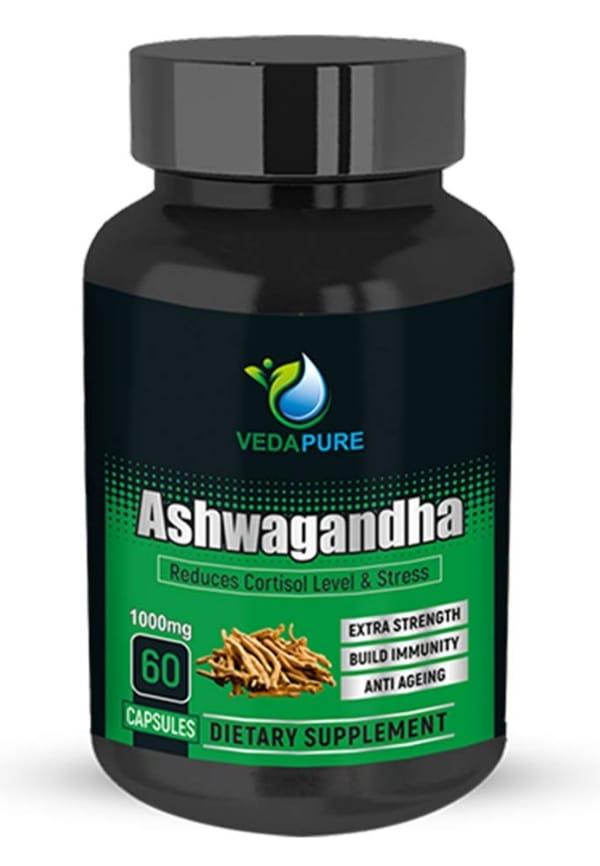
Ashwagandha Anxiety & Stress Relief
Ever wondered why that one yoga class left you feeling like you'd just had the best nap of your life? There's actual science behind how yoga helps relaxation, and it's pretty fascinating. From calming your nervous system to releasing physical tension you didn't even know you were carrying, yoga works on multiple levels to help you find that sweet spot of inner peace. Whether you're dealing with work stress, anxiety, or just need a mental reset, understanding how yoga creates relaxation can help you make the most of your practice. On Smytten, you'll find wellness products that complement your yoga journey, from aromatherapy essentials to relaxation aids that enhance your mindful moments.
TL;DR
Yoga activates your parasympathetic nervous system, naturally reducing stress hormones like cortisol
Breathing exercises and mindful movement create immediate relaxation responses in your body
Regular practice builds long-term resilience against anxiety and improves mental clarity
Gentle poses and meditation techniques offer both physical tension relief and emotional balance
Even 5-10 minutes of yoga can provide measurable stress relief and relaxation benefits
Let's get nerdy for a moment because the science is genuinely cool. When you practice yoga, you're essentially giving your nervous system a masterclass in chill. Your body has two main operating modes: the sympathetic nervous system (fight-or-flight) and the parasympathetic nervous system (rest-and-digest). Modern life keeps most of us stuck in that first mode, but yoga flips the switch.
Research shows that yoga practice significantly reduces cortisol levels—that's your primary stress hormone. A study published in the Journal of Health Psychology found that people who practiced yoga regularly had 23% lower cortisol levels than non-practitioners. The breathing patterns you learn in yoga also help regulate your heart rate variability, which is basically your body's ability to adapt to stress. When your breathing becomes slow and controlled, your heart rate follows suit, sending signals to your brain that it's safe to relax.
The mind-body connection plays a huge role here too. When you focus on holding poses and coordinating movement with breath, you're training your brain to stay present rather than spiralling into stress thoughts. This mindful awareness literally rewires your neural pathways, making relaxation more accessible even off the mat.
Not all yoga techniques are created equal when it comes to relaxation. Some poses and practices are specifically designed to activate your body's relaxation response, whilst others might actually energise you (which is great, but not what we're after right now). Here are the techniques that consistently deliver when you need to unwind.
Pranayama is the fancy Sanskrit word for breathing exercises, and these are your secret weapons for instant calm. The 4-7-8 technique is brilliant for beginners: breathe in for 4 counts, hold for 7, exhale for 8. This pattern naturally slows your heart rate and activates your parasympathetic nervous system.
Alternate nostril breathing might look a bit odd, but it's incredibly effective for balancing your nervous system. Use your thumb to close one nostril, breathe in through the other, then switch. This practice helps synchronise the left and right hemispheres of your brain, creating a sense of mental equilibrium.
Box breathing is perfect when you need quick stress relief. Breathe in for 4, hold for 4, exhale for 4, hold empty for 4. Repeat this pattern and watch your stress levels drop in real-time.
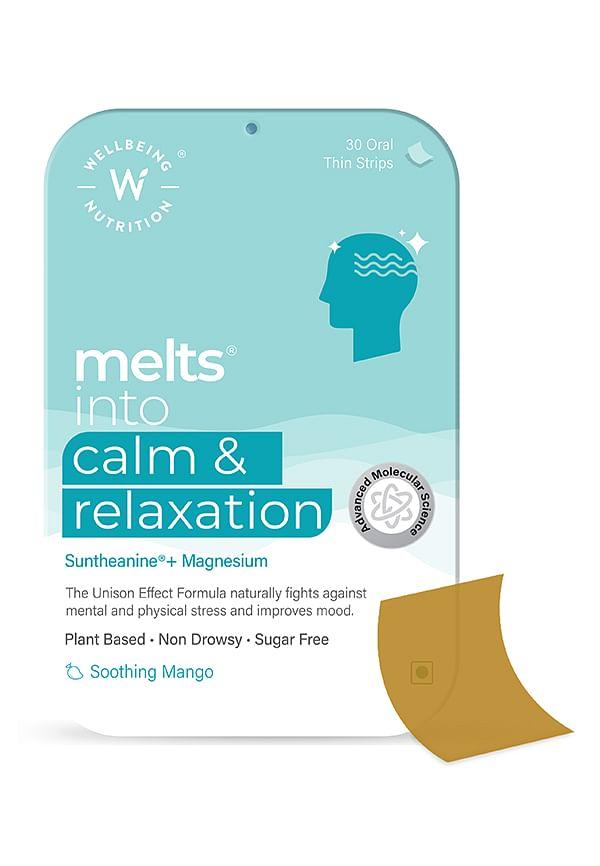
Melts Calm & Relaxation Plant Based Stress & Anxiety Reliever
Child's Pose (Balasana) is like a warm hug for your nervous system. Kneel on the floor, touch your big toes together, and sit back on your heels. Separate your knees about hip-width apart, then fold forward and rest your forehead on the ground. This pose gently compresses your torso, which stimulates the vagus nerve and promotes relaxation.
Legs-Up-the-Wall Pose is pure magic for stress relief. Lie on your back near a wall and extend your legs up against it. This inversion helps blood flow back to your heart and brain, reducing swelling in your legs and calming your mind. It's like hitting the reset button on your entire system.
Corpse Pose (Savasana) might look like just lying down, but it's actually one of the most challenging poses to master. The goal is complete physical and mental relaxation whilst remaining conscious. Start by tensing every muscle in your body for 5 seconds, then release everything at once. This contrast helps you recognise what true relaxation feels like.
If you've ever felt your mind racing at 3 AM, you'll appreciate how yoga works specifically on anxiety symptoms. The practice teaches you to observe your thoughts without getting caught up in them—a skill that's incredibly valuable when anxiety tries to take the wheel. Regular yoga practice has been shown to reduce symptoms of generalised anxiety disorder by up to 50% in some studies.
The mental clarity benefits are equally impressive. When you're holding a challenging pose, you can't simultaneously worry about tomorrow's presentation or yesterday's awkward conversation. This forced presence trains your brain to focus on one thing at a time, which translates to better concentration in daily life. Many practitioners report improved decision-making abilities and reduced mental fog after establishing a consistent practice.
Yoga also builds emotional resilience by teaching you to stay calm under physical discomfort. When you can breathe through a challenging pose, you're better equipped to handle life's curveballs with grace. This isn't just feel-good philosophy—neuroimaging studies show that yoga practice actually increases grey matter in areas of the brain associated with emotional regulation and stress management.
Mindfulness and yoga are like best friends who make each other better. When you bring mindful awareness to your yoga practice, you're not just stretching—you're training your mind to stay present and calm. This combination creates a powerful tool for managing stress and finding inner peace.
Every yoga pose is an opportunity for moving meditation. Instead of letting your mind wander whilst you're in Downward Dog, try focusing on the sensations in your hands pressing into the mat, or the stretch along your spine. This present-moment awareness is meditation in action, and it's incredibly effective for calming mental chatter.
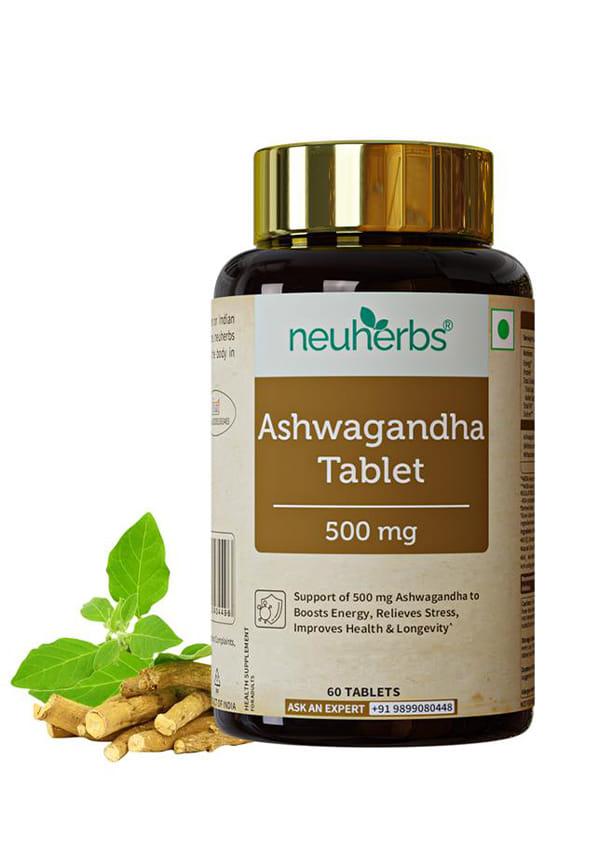
Ashwagandha Tablets,Reduce Stress & Support Sleep Cycle
The beauty of combining meditation with yoga is that the physical movement gives your mind something concrete to focus on. If sitting still for meditation feels impossible, moving meditation through yoga poses might be your perfect entry point.
Restorative yoga takes relaxation to the next level by using props like bolsters and blankets to support your body in passive poses. You might hold these positions for 5-20 minutes, allowing your nervous system to completely unwind. It's like giving yourself permission to do absolutely nothing, which is revolutionary in our productivity-obsessed culture.
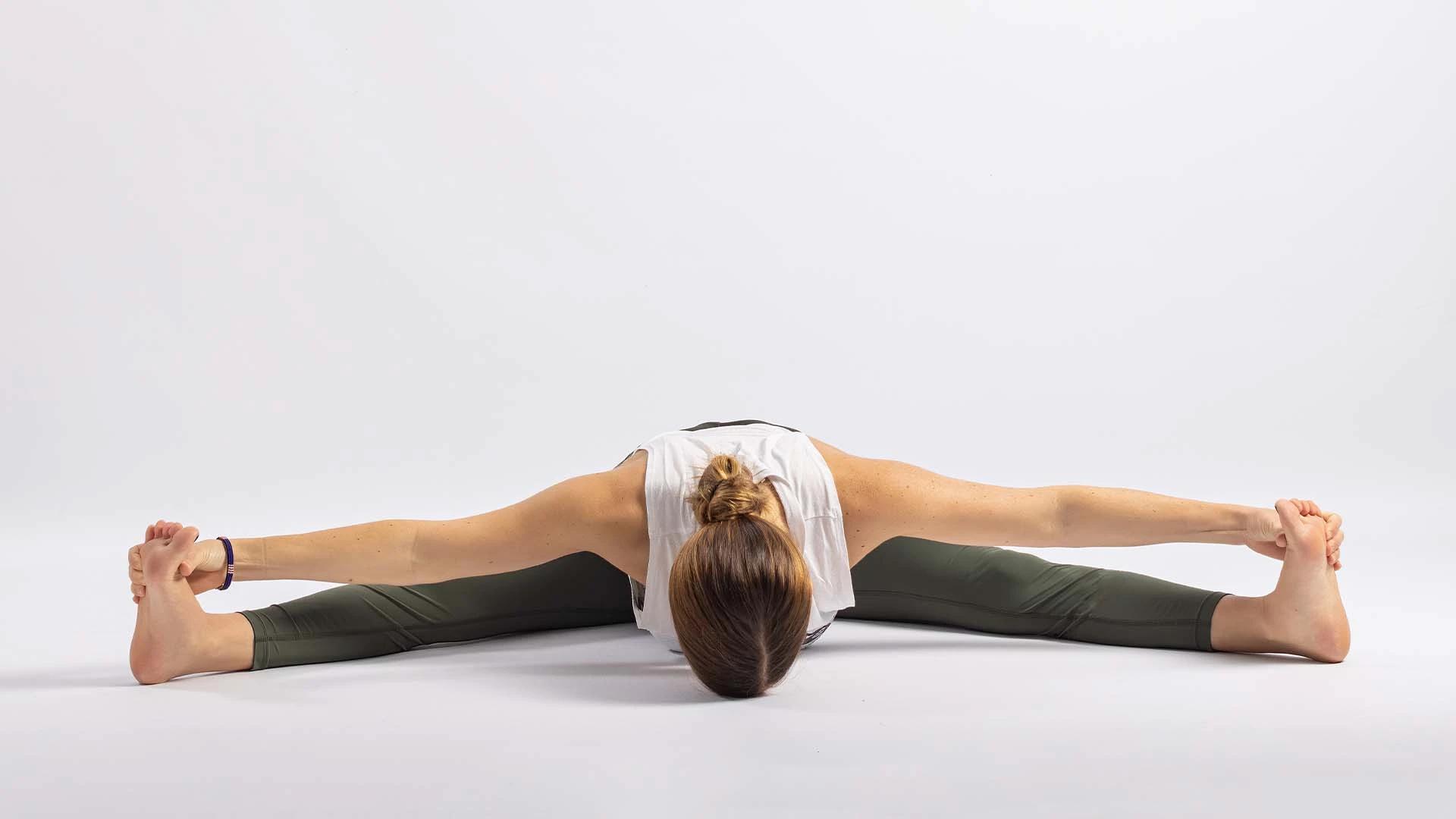
Yin yoga focuses on holding poses for longer periods, typically 3-5 minutes. This practice targets deep connective tissues and encourages introspection. The slower pace allows you to really tune into your body and emotions, creating space for emotional release and healing.
Your body is basically a stress storage unit, holding tension in places you might not even realise. Your shoulders creep up towards your ears during stressful meetings, your jaw clenches when you're concentrating, and your hip flexors tighten from sitting all day. Yoga systematically addresses these areas, releasing both physical and emotional tension.
The neck and shoulders are classic stress-holding spots. Gentle neck rolls and shoulder shrugs in yoga help release this tension whilst also sending signals to your brain that it's safe to relax. Hip-opening poses like Pigeon Pose can be particularly emotional because we tend to store stress and trauma in our hips. Don't be surprised if you feel emotional during these poses—it's your body releasing what it's been holding onto.
Progressive muscle relaxation, often incorporated into yoga classes, involves systematically tensing and releasing different muscle groups. This practice helps you become more aware of where you hold tension and teaches your body how to let go. The physical release often triggers a mental release as well, creating a sense of overall calm and well-being.
Yoga promotes relaxation by activating your parasympathetic nervous system through controlled breathing, mindful movement, and present-moment awareness. The combination of physical poses and breathwork reduces cortisol levels, slows your heart rate, and helps your body shift from stress mode to rest mode. Regular practice literally rewires your brain to be more resilient to stress.

Ayurvedic Aromatic Jasmine Bath and Body Massage Oil 8 Herbs
You can experience immediate relaxation benefits from yoga—even a 5-minute breathing exercise can lower your heart rate and reduce stress hormones. However, the most significant benefits come with consistent practice. Most people notice improved stress management and emotional balance within 2-4 weeks of regular practice, whilst long-term benefits like increased resilience and better sleep quality develop over months.
Child's Pose, Legs-Up-the-Wall, and gentle forward folds are particularly effective for anxiety relief because they activate your parasympathetic nervous system. These poses create a sense of safety and introspection whilst physically calming your body. Breathing exercises like alternate nostril breathing and the 4-7-8 technique are also incredibly effective for managing anxiety symptoms in the moment.
Whilst yoga is incredibly effective for stress management, it works best as part of a holistic approach to wellness. It can complement other techniques like therapy, medication (when prescribed), regular exercise, and healthy lifestyle choices. Many people find that yoga enhances the effectiveness of other stress management strategies rather than replacing them entirely.
Yoga improves mental clarity by training your mind to focus on one thing at a time—whether that's your breath, a pose, or the present moment. This practice strengthens your attention span and reduces mental chatter. The increased blood flow and oxygenation from yoga poses also nourish your brain, whilst the stress reduction allows for clearer thinking and better decision-making.
For pure relaxation benefits, gentle yoga styles like restorative, yin, or hatha yoga are often more effective than vigorous practices. These slower styles give your nervous system time to downregulate and activate the relaxation response. However, some people find that they need to "earn" their relaxation through more active practice first—it really depends on your personality and stress levels.
Understanding how yoga helps relaxation empowers you to use this ancient practice as a modern stress-busting tool. The science is clear: yoga works on multiple levels to calm your nervous system, reduce stress hormones, and build long-term resilience. Whether you have 5 minutes or an hour, there are yoga techniques that can help you find calm in the chaos.
The key is consistency rather than perfection. Even a few minutes of mindful breathing or gentle stretching can make a significant difference in your stress levels. Start small, be patient with yourself, and remember that relaxation is a skill that improves with practice. Your future, calmer self will thank you for starting today.
Your journey to relaxation through yoga is deeply personal, and finding what works best for you might take some experimentation. Just like discovering your perfect skincare routine or favourite wellness products, it's about trying different approaches until you find your ideal match. Smytten understands this exploration process—as India's largest product discovery platform, we believe in the power of trying before committing. With curated trial packs from over 1,500 trusted wellness and lifestyle brands, you can explore aromatherapy oils, relaxation teas, and other wellness products that complement your yoga practice. Our 100% cashback on trials means you can discover what truly supports your relaxation journey without the financial stress. After all, why settle for 'maybe' when you can #TryItAll and find exactly what brings you peace?
