How Yoga Calms Anxiety: Simple Poses for Stress Relief
-b5f7c242-b017-4e2c-861a-77f5cce57df6.webp&w=3840&q=75)

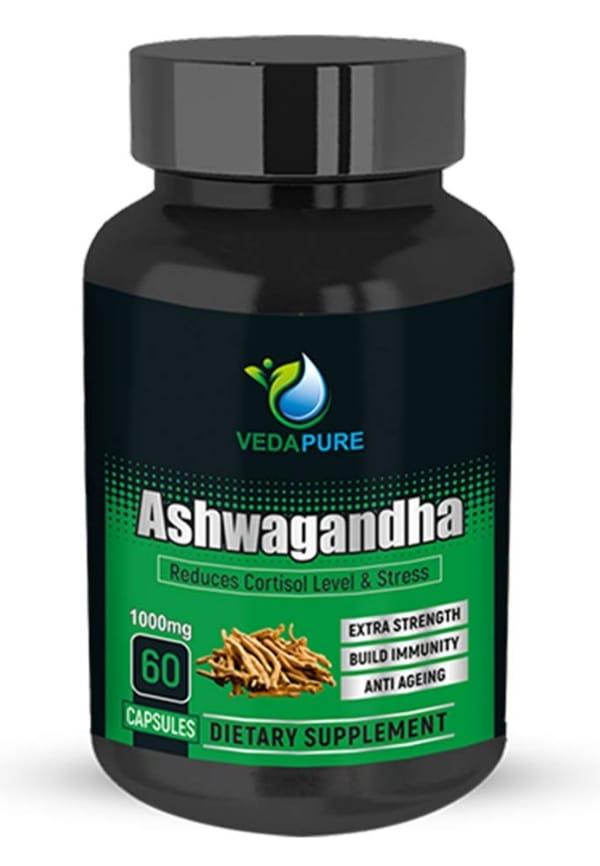
Ashwagandha Anxiety & Stress Relief
Ever feel like your mind's running a marathon while you're just trying to get through the day? That racing heart, those spiralling thoughts, the constant what-if scenarios—anxiety can feel overwhelming. But here's something worth knowing: yoga isn't just about fancy poses or flexibility. It's actually one of the most effective ways to calm your nervous system and find some real peace. Whether you're dealing with everyday stress or more intense anxiety, understanding how yoga calms anxiety can be a proper game-changer. And the best part? You don't need to be a yoga pro to start feeling the benefits. Let's explore how this ancient practice can become your go-to tool for stress relief, available right from your living room. Plus, with platforms like Smytten offering wellness products to support your journey, creating a calming routine has never been easier.
Yoga activates your parasympathetic nervous system, naturally reducing stress hormones like cortisol
Simple poses like Child's Pose and Legs-Up-The-Wall can provide immediate anxiety relief
Breathing exercises for anxiety, such as 4-7-8 breathing, help manage panic attacks effectively
Regular practice builds emotional resilience through mindfulness and yoga techniques
Even 10-15 minutes daily can significantly improve your mental well-being
Let's get real about what's actually happening in your body when you roll out that yoga mat. When you're anxious, your sympathetic nervous system goes into overdrive—think fight-or-flight mode. Your heart races, muscles tense up, and stress hormones like cortisol flood your system.
Here's where yoga works its magic. Research shows that regular practice significantly boosts GABA (gamma-aminobutyric acid), a neurotransmitter that naturally calms your brain. It's like having your own internal chill pill. Studies comparing yoga to other anxiety treatments found that participants who practised yoga showed greater improvements in mood and anxiety levels than those who just did walking exercises.
Yoga activates your parasympathetic nervous system—your body's rest-and-digest mode. This shift helps lower your heart rate, reduce blood pressure, and decrease those stress hormones that keep you feeling wired. The combination of movement, breath, and mindfulness creates what scientists call neuroplasticity, literally rewiring your brain to handle stress better.
Ready to try some poses that actually work? These yoga poses for relaxation are perfect for beginners and can be done anywhere you have a bit of floor space. No need for fancy equipment or years of experience—just you and your breath.
This one's your safe space. Kneel on the floor, touch your big toes together, and sit back on your heels. Separate your knees about hip-width apart, then fold forward, extending your arms in front of you or alongside your body. Rest your forehead on the mat and breathe deeply for 1-3 minutes. This pose naturally calms your nervous system and helps you feel grounded.
Lie on your back near a wall and extend your legs up against it. Your body should form an L-shape. Close your eyes and focus on your breath for 5-15 minutes. This gentle inversion helps reset your nervous system and is brilliant for when anxiety feels overwhelming.
Start on your hands and knees in a tabletop position. Inhale, arch your back and look up (Cow). Exhale, round your spine and tuck your chin to chest (Cat). Flow between these movements for 1-2 minutes. This gentle movement releases tension stored in your spine and helps regulate your breathing.
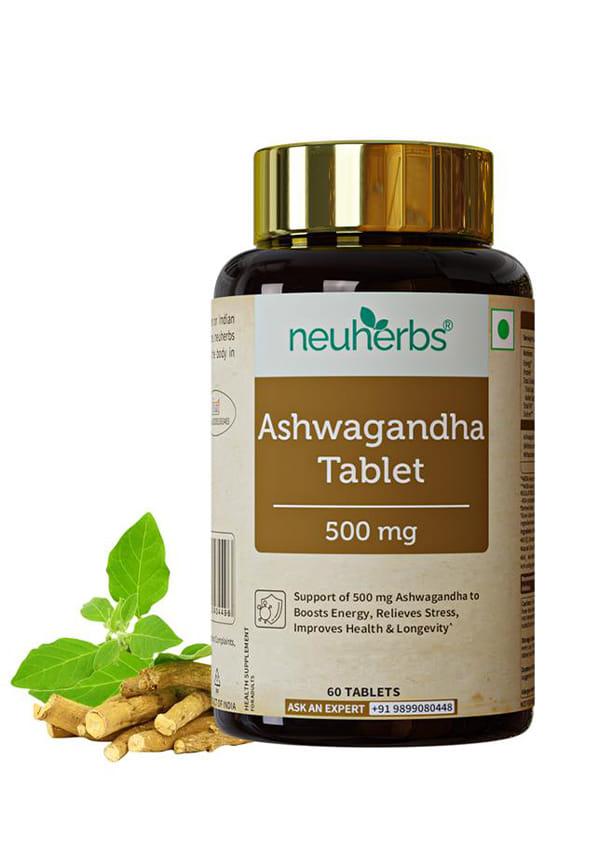
Ashwagandha Tablets,Reduce Stress & Support Sleep Cycle
Lie on your back, bring the soles of your feet together, and let your knees fall open. Place your hands on your belly or by your sides. Stay here for 3-5 minutes, focusing on deep belly breathing. This heart-opening pose helps release emotional tension.
Your breath is honestly your most powerful tool for managing anxiety. These pranayama techniques can be used anywhere—during a stressful meeting, on public transport, or when you're lying in bed with racing thoughts.
Inhale through your nose for 4 counts, hold your breath for 7 counts, then exhale through your mouth for 8 counts. Repeat this cycle 4 times. This technique activates your vagus nerve, which signals your body to relax. Perfect for those moments when anxiety hits hard.
Breathe in for 4 counts, hold for 4, exhale for 4, hold empty for 4. Imagine tracing a box with your breath. This technique is particularly effective for managing panic attacks with yoga, as it gives your mind something specific to focus on while regulating your nervous system.
Place one hand on your chest, one on your belly. Breathe into your belly first, then your ribcage, then your chest. Exhale in reverse order. This mindful breathing technique helps you stay present and reduces the tendency to overthink.
Here's where yoga gets really interesting—it's not just about the physical poses. The mindfulness aspect is what builds long-term emotional resilience. When you're moving through poses mindfully, you're training your brain to stay present instead of spiralling into anxious thoughts.
During your practice, try body scanning—notice how each part of your body feels as you move. This awareness helps you recognise tension before it builds up into full-blown anxiety. You're essentially developing emotional intelligence through movement.
Yoga teaches you to observe your thoughts without getting caught up in them. That voice in your head saying "what if this goes wrong?" becomes just another thought passing through, rather than absolute truth. This shift in perspective is what makes yoga and emotional well-being so connected.
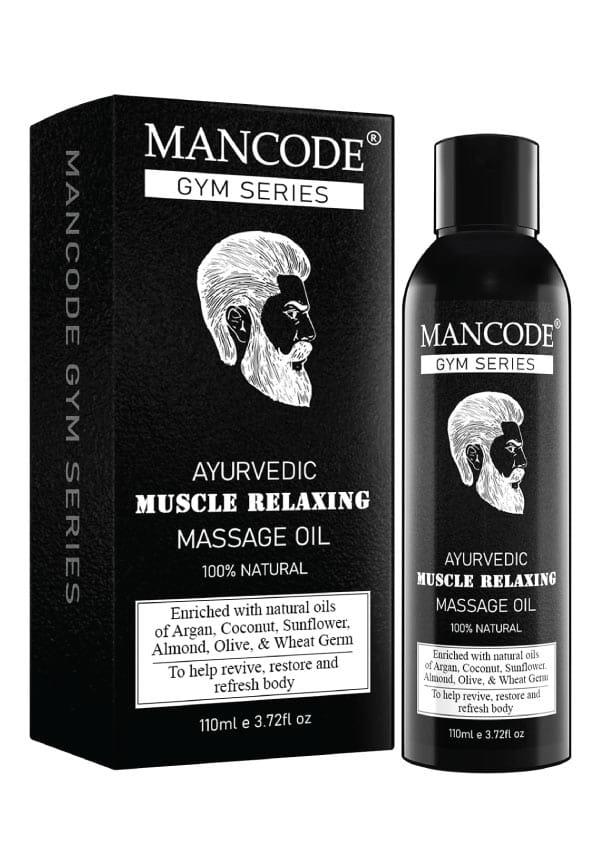
Gym Series- Ayurvedic Muscle Relaxing Massage Oil
Consistency beats intensity when it comes to anxiety relief. You don't need hour-long sessions—even 10-15 minutes daily can make a massive difference. The key is finding a routine that actually fits your life.
Start with gentle stretches like Cat-Cow, followed by a few rounds of Sun Salutations if you're feeling up to it. End with 2-3 minutes of deep breathing. This sets a calm tone for your entire day and helps regulate your nervous system from the start.
Perfect for workplace stress. Try seated spinal twists, shoulder rolls, and a few minutes of box breathing. These quick techniques help you reset without needing to change clothes or find a yoga studio.
Focus on restorative poses like Legs-Up-The-Wall, gentle twists, and extended Savasana. This practice helps transition your nervous system from the day's stress into rest mode, setting you up for better sleep.
When panic strikes, having a toolkit ready can be life-changing. These techniques work because they give your mind something to focus on while your nervous system recalibrates.
The 3-3-3 rule combined with yoga breathing can be incredibly effective: name 3 things you can see, 3 sounds you can hear, and move 3 parts of your body while focusing on your breath. This grounding technique, paired with gentle movement, helps bring you back to the present moment.
Child's Pose is your go-to for acute anxiety. If you're in public, try seated forward fold or simply place your feet firmly on the ground and focus on your breath. The key is finding stability and connection to the earth beneath you.
The real magic happens when yoga becomes a lifestyle rather than just an exercise routine. Regular practice literally changes your brain's response to stress. You'll start noticing that things that used to trigger anxiety don't affect you as much.
This isn't about becoming emotionless—it's about developing the tools to navigate life's ups and downs with more grace. Yoga for inner peace means finding that steady centre within yourself, regardless of what's happening around you.

Ayurvedic Baby Massage Oil with Organic Ghee, Almond Oil & Vitamin E for Healthy Babies 13 Herbs
Keep a simple journal noting your anxiety levels before and after practice. You'll be amazed at how quickly you start seeing patterns and improvements. Some days will be harder than others, and that's completely normal.
Absolutely. Multiple studies show that regular yoga practice significantly reduces anxiety symptoms by lowering cortisol levels and activating the parasympathetic nervous system. Many people notice improvements within just a few weeks of consistent practice.
You might feel immediate relief after a single session, but lasting changes typically develop over 4-8 weeks of regular practice. The key is consistency—even 10 minutes daily is more effective than one long session per week.
Yoga is a powerful complementary tool, but never stop prescribed medication without consulting your healthcare provider. Many people find yoga enhances their treatment plan and may eventually reduce their need for medication under medical supervision.
Morning practice helps set a calm tone for the day, while evening sessions promote better sleep. During acute anxiety, any time is the right time. Listen to your body and practice when you need it most.
Daily practice, even if brief, is ideal. Start with 10-15 minutes daily and gradually increase as you feel comfortable. Consistency matters more than duration when it comes to managing anxiety with yoga.
Yes, gentle breathing techniques and grounding poses like Child's Pose can be very helpful during panic attacks. Focus on slow, deep breathing and avoid intense poses until the episode passes. Available wellness products on Smytten can also support your calming routine with aromatherapy and relaxation aids.
Yoga offers a scientifically-backed approach to managing anxiety through gentle movement, mindful breathing, and present-moment awareness. The combination of physical poses, breathing exercises, and mindfulness creates a powerful toolkit for both immediate relief and long-term emotional resilience. Remember, you don't need to be flexible or experienced to start—the most important step is simply beginning.
Start small with just 10-15 minutes daily, focusing on poses that feel good for your body and breathing techniques that calm your mind. Whether you're dealing with everyday stress or more intense anxiety, these practices can become your reliable companions for finding peace in the chaos.
Finding the right tools for managing anxiety is a personal journey, and yoga offers a gentle, accessible path to inner calm. As you explore different techniques and build your practice, you might also discover that wellness extends beyond movement and breath. Smytten is India's largest product discovery and trial platform, offering curated trial packs from over 1,500 trusted wellness brands. With 100% cashback on trials, you can explore aromatherapy oils, calming teas, and other wellness products that complement your yoga practice—all available on Smytten with PAN-India delivery. After all, why settle for 'maybe' when you can #TryItAll and create a holistic approach to your well-being!
