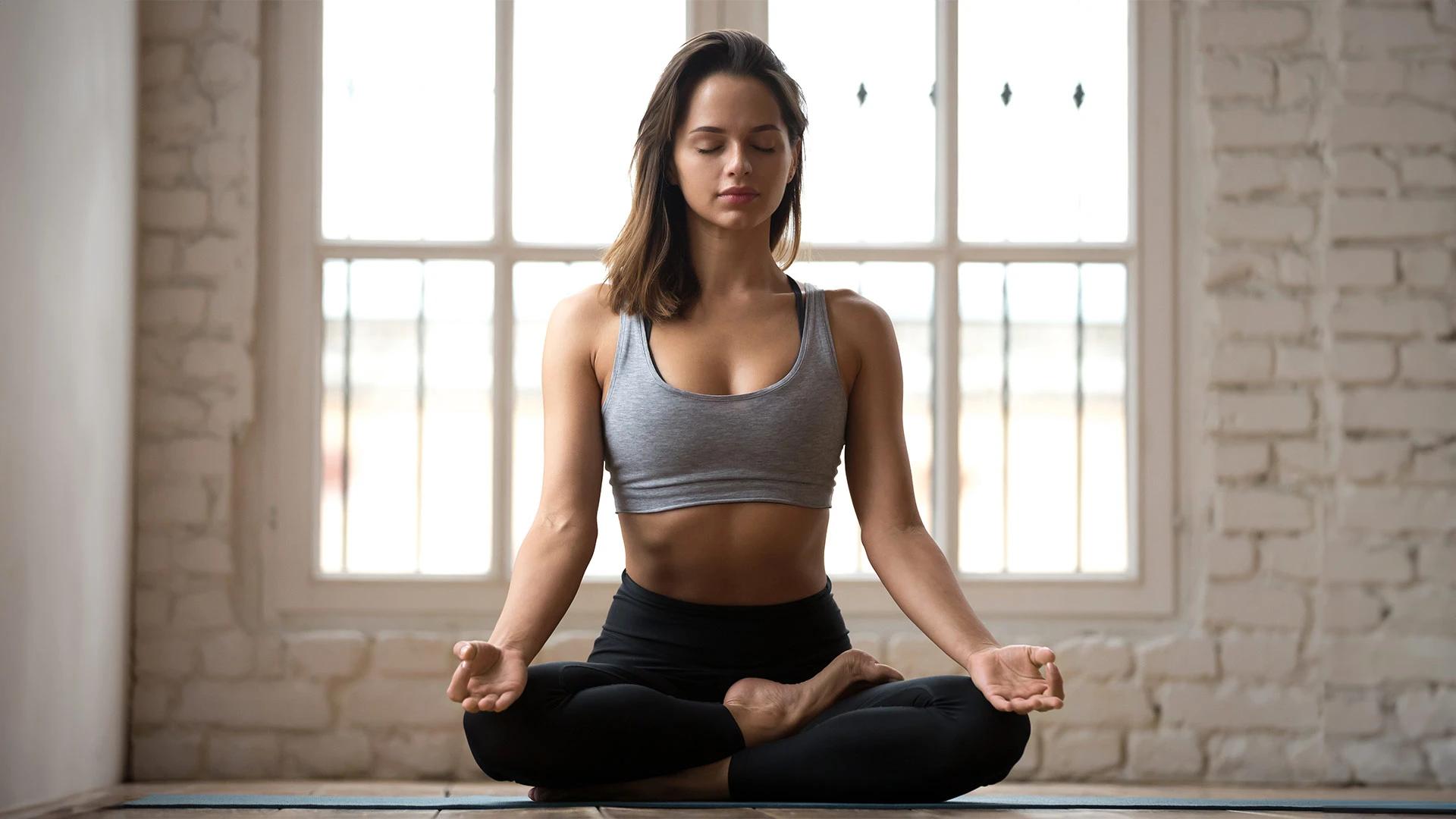
Ever feel like your mind's running a marathon whilst you're just trying to get through Tuesday? You're not alone. Between work deadlines, endless notifications, and that general chaos of modern life, finding mental clarity can feel impossible. But here's the thing—yoga for mental clarity isn't just some wellness trend. It's actually a game-changer for your brain, backed by proper science and centuries of practice. Think of it as hitting the reset button on your mind, except way more effective than turning your phone off and on again. Let's dive into how you can use yoga to create that calm, focused headspace you've been craving.
The Science Behind Yoga for Mental Clarity and Stress Relief
Real talk—yoga isn't just about getting bendy. When you practice yoga for stress relief, you're literally rewiring your brain for the better. Studies show that regular yoga practice reduces cortisol (that pesky stress hormone) whilst boosting GABA production, which is basically your brain's chill pill.
Here's what happens when you roll out that mat: your nervous system shifts from fight-or-flight mode to rest-and-digest. This isn't just feel-good fluff—brain scans actually show increased grey matter in areas linked to memory and emotional regulation. The mind-body connection works both ways too. When you hold a warrior pose, you're not just strengthening your legs; you're building mental resilience.
Mental wellness yoga outperforms other stress management techniques because it tackles multiple systems at once. You're getting physical movement, breathwork, and mindfulness all rolled into one practice. It's like a triple threat against stress, anxiety, and mental fog.
The research is pretty convincing. Even just 20 minutes of yoga can improve focus and cognitive function for hours afterwards. Your brain literally becomes more efficient at processing information and managing emotions. Plus, yoga and mental health go hand in hand—regular practice has been shown to reduce symptoms of depression and anxiety as effectively as some medications.
Essential Breathing Techniques for Mental Focus
Breathing might seem automatic, but when you do it intentionally, it becomes a superpower for your mind. Meditative yoga often starts with pranayama (breathing exercises) because they're the fastest way to shift your mental state.
Nadi Shodhana (Alternate Nostril Breathing) is perfect for balancing both brain hemispheres. Sit comfortably, use your thumb to close your right nostril, inhale through the left. Close the left nostril with your ring finger, release the thumb, exhale right. Inhale right, close it, exhale left. That's one round. Do this for 5-10 rounds and watch your mind settle.
Bhastrika (Bellows Breathing) is your go-to for energy and clarity. Sit tall, take a deep breath, then pump your breath in and out rapidly through your nose for 10-20 breaths. Finish with a deep inhale, hold for a few seconds, then exhale slowly. This one's like espresso for your brain—use it when you need sharp focus.
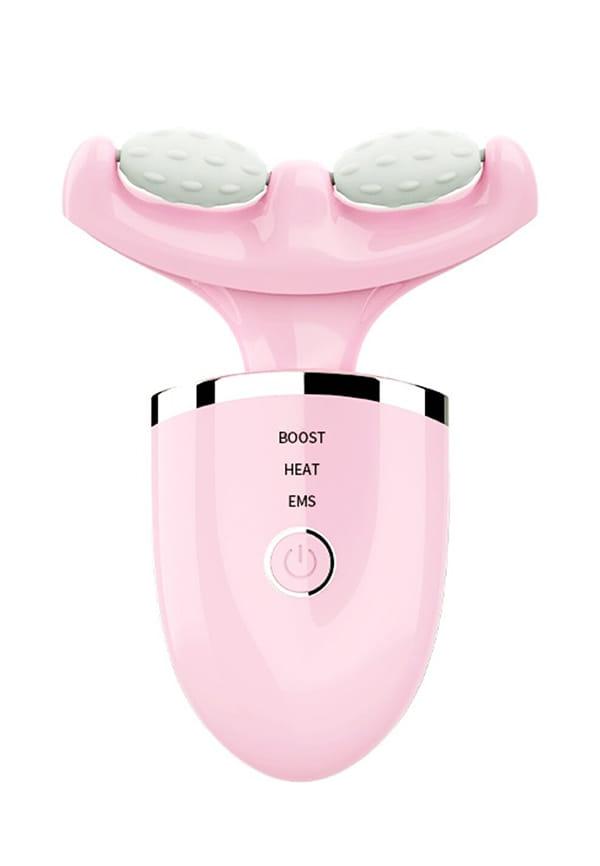
(1 unit)
Semino
Advanced Multifunctional Neck Beauty Massager
₹ 3999
Bhramari (Bee Breath) calms your nervous system instantly. Place your thumbs in your ears, index fingers above your eyebrows, and remaining fingers over your closed eyes. Inhale normally, then hum as you exhale, creating a buzzing sound. The vibration literally soothes your brain.
Start with 5 minutes of any technique and gradually increase. Morning practice sets you up for a clear day, whilst evening sessions help you unwind. Yoga for focus becomes much easier when you've mastered these breathing basics.
Powerful Yoga Poses for Mental Clarity and Emotional Balance
Not all poses are created equal when it comes to mental benefits. These specific asanas target your nervous system and brain function in ways that'll leave you feeling centred and clear.
Foundation Poses for Grounding
Mountain Pose (Tadasana) might look simple, but it's mental grounding in action. Stand tall, feet hip-width apart, arms at your sides. Feel your connection to the earth whilst reaching the crown of your head towards the sky. This pose teaches your mind to find stability amidst chaos.
Child's Pose (Balasana) is your safe space for stress release. Kneel on the floor, touch your big toes together, sit back on your heels. Fold forward, extending your arms in front or alongside your body. This gentle inversion calms your nervous system and encourages introspection.
Active Poses for Energy and Focus
Warrior II (Virabhadrasana II) builds confidence whilst improving concentration. Step your left foot back about 4 feet, turn it out 90 degrees. Bend your right knee over your ankle, extend arms parallel to the floor. Gaze over your front hand. This pose teaches mental strength and unwavering focus.
Tree Pose (Vrikshasana) challenges your balance, which requires serious mental presence. Stand on your left foot, place your right foot on your inner left thigh (never on the knee). Bring your palms together at your heart or overhead. Wobbling is normal—it's your brain learning to stay calm under pressure.
Cobra Pose (Bhujangasana)
3.7|(1 Unit)
The Bare Bar
Bamboo Earbuds
₹ 120
Reviews from genuine users
Soft and good bamboo product
5
“it's super soft and good. I love bamboo based products”
Anto Ramya08 May 2025
opens your heart and reduces anxiety. Lie face down, place your palms under your shoulders. Press down and lift your chest, keeping your pelvis grounded. This backbend counteracts the hunched posture that often accompanies stress and depression.
Calming Poses for Deep Relaxation
Legs-Up-the-Wall (Viparita Karani) is like hitting the reset button on your nervous system. Lie on your back near a wall, extend your legs up against it. This gentle inversion shifts blood flow and activates your parasympathetic nervous system.
Seated Forward Fold (Paschimottanasana) encourages introspection and calms racing thoughts. Sit with legs extended, fold forward over your legs. Don't worry about touching your toes—focus on the internal journey.
Savasana (Corpse Pose) might be the most important pose for mental restoration. Lie flat, arms slightly away from your body, palms up. Let your body completely relax whilst staying mentally aware. This is where the magic happens—your brain processes and integrates everything from your practice.
These calming yoga poses work best when you hold them for at least 5-8 breaths, allowing your nervous system time to respond. Remember, yoga for anxiety isn't about perfect poses—it's about finding peace in the process.
Creating Your Daily Yoga Practice for Mental Wellness
Consistency beats intensity when it comes to mental benefits. You don't need hour-long sessions to see results—even 10-15 minutes daily can transform your mental state.
Your morning routine should energise and focus your mind. Start with 2 minutes of deep breathing, move through some gentle spinal twists, add a few rounds of sun salutations, and finish with a balancing pose like tree. This sequence primes your brain for whatever the day throws at you.
Midday resets are perfect for combating stress and mental fatigue. When you're feeling overwhelmed, try this 5-minute sequence: child's pose for 1 minute, cat-cow stretches for 2 minutes, then legs-up-the-wall for 2 minutes. It's like a power nap for your nervous system.
Evening practice should calm your mind and prepare you for sleep. Focus on gentle forward folds, restorative poses, and longer holds. End with at least 5 minutes in savasana, letting your brain process the day and settle into rest mode.
Adapt sequences based on your experience level. Beginners should focus on basic poses and breathing, whilst more experienced practitioners can add challenging balances and longer meditation periods. The key is making yoga for inner peace a non-negotiable part of your routine.
Consistency comes from starting small and building gradually. Even 5 minutes daily is better than an hour once a week. Track your mood and mental clarity to see the connection between practice and mental wellness.
Mindfulness Integration Beyond the Physical Practice
3.9|(1 unit)
mCaffeine
De-stress Scalp Massager
₹ 44940 % OFF
₹ 269
Mindfulness yoga extends far beyond your mat. The awareness you cultivate during practice becomes a tool you can use throughout your day.
Meditation doesn't have to be separate from your yoga practice. Try focusing on your breath during poses, noticing physical sensations, or setting an intention at the beginning of each session. These micro-meditations build your mindfulness muscle.
Body scanning during practice helps you tune into subtle sensations and emotions. As you move through poses, mentally check in with different body parts. This awareness helps you catch stress and tension before they become overwhelming.
Mindful breathing during daily activities transforms ordinary moments into opportunities for calm. Whether you're stuck in traffic or waiting for a meeting to start, a few conscious breaths can shift your mental state instantly.
Setting intentions for mental clarity gives your practice direction. Instead of just going through the motions, decide what you want to cultivate—maybe it's patience, focus, or simply a sense of calm. Let this intention guide your practice.
Creating a sacred space for practice signals to your brain that it's time to shift gears. It doesn't need to be fancy—just a consistent spot where you can roll out your mat and focus inward. This physical cue helps your mind transition more quickly into a meditative state.
Just like exploring new wellness products on Smytten's platform helps you discover what works for your body, experimenting with different mindfulness techniques helps you find what resonates with your mind. The beauty of both approaches is that you can try various options before committing to what truly serves you.
Troubleshooting Common Challenges and Modifications
Let's be honest—yoga isn't always Instagram-perfect, and that's completely fine. Real practice means working with whatever your body and mind bring to the mat each day.
Physical limitations don't have to stop you from experiencing mental benefits. Can't touch your toes? Bend your knees in forward folds. Wrist issues? Try forearm variations or use blocks. The mental benefits come from mindful movement, not perfect alignment.
A restless mind during practice is totally normal, especially when you're starting out. Instead of fighting racing thoughts, acknowledge them and gently return your attention to your breath or the physical sensations of the pose. This process of noticing and redirecting is actually strengthening your mental focus.
Emotional releases during yoga can catch you off guard. Hip openers and backbends especially can bring up stored emotions. If you feel overwhelmed, move to child's pose and breathe deeply. This is your nervous system releasing tension—it's actually a good thing.
Know when to seek additional support. Whilst yoga for emotional balance is incredibly powerful, it's not a replacement for professional mental health care if you're dealing with serious depression, anxiety, or trauma. Think of yoga as a supportive practice alongside other treatments.
Building confidence as a beginner starts with letting go of expectations. Your warrior pose doesn't need to look like anyone else's. Focus on how the poses feel rather than how they look. Every wobble in tree pose is your brain getting stronger.
Remember, even experienced practitioners have off days. Some sessions will feel amazing, others might feel like a struggle. Both are valuable parts of the journey towards mental clarity and emotional balance.
Frequently Asked Questions
Which yoga asana is best for mental clarity?
Bhastrika (bellows breathing) combined with Ardha Chakrasana (half wheel pose) creates an excellent foundation for mental clarity. Hastapadasana (standing forward fold) and Vakrasana (twisted pose) also specifically target mental fog by increasing blood flow to the brain and balancing the nervous system. The key is consistency rather than complexity.
Does yoga improve mental clarity?
Absolutely. Scientific studies show that even 20-minute yoga sessions enhance cognitive function, improve focus, and increase mental sharpness for hours afterwards. Regular practice literally changes brain structure, increasing grey matter in areas responsible for memory and emotional regulation whilst reducing activity in the brain's stress centres.
What kind of yoga is best for mental health?
Hatha yoga is excellent for beginners focusing on mental wellness, as it emphasises slower movements and longer holds. Vinyasa flow can boost mood through rhythmic movement, whilst Yin yoga targets deep relaxation and emotional release. The best style is the one you'll practice consistently—mental health benefits come from regular practice rather than specific styles.
Can yoga reduce brain fog?
Yes, yoga combats brain fog through multiple mechanisms. It increases oxygen flow to the brain, reduces inflammation, and balances neurotransmitters. Specific breathing techniques like alternate nostril breathing immediately improve mental clarity, whilst regular practice enhances overall cognitive function and memory.
How long does it take to see mental benefits from yoga?
You might notice immediate effects like reduced stress and improved mood after just one session. Cognitive benefits like better focus and emotional regulation typically develop within 2-4 weeks of regular practice. Long-term structural brain changes occur after 8-12 weeks of consistent practice.
Can yoga replace therapy for mental health issues?
Whilst yoga is incredibly beneficial for mental wellness, it shouldn't replace professional therapy for serious mental health conditions. Think of yoga as a powerful complementary practice that enhances other treatments. For everyday stress and mild anxiety, yoga can be highly effective as a standalone practice.
Final Thoughts
Yoga for mental clarity isn't about achieving some zen master state—it's about finding practical tools that help you navigate life with more ease and awareness. Whether you're dealing with work stress, general anxiety, or just want a clearer, calmer mind, these practices offer real, science-backed benefits.
Start small, be consistent, and remember that every moment of mindful movement counts. Your brain is incredibly adaptable, and with regular practice, you'll likely notice improvements in focus, emotional balance, and overall mental wellness.
Just as Smytten helps you discover the perfect wellness products through trial packs before committing to full sizes, yoga lets you experiment with different techniques to find what works best for your mental health. With over 25 million users trusting Smytten's curated approach to wellness discovery, you can explore various mindfulness and self-care products that complement your yoga practice. After all, why settle for 'maybe' when you can try it all and find exactly what brings you the mental clarity and calm you're seeking?



 5
5