How to Use Food for Weight Management: A Balanced Diet Plan


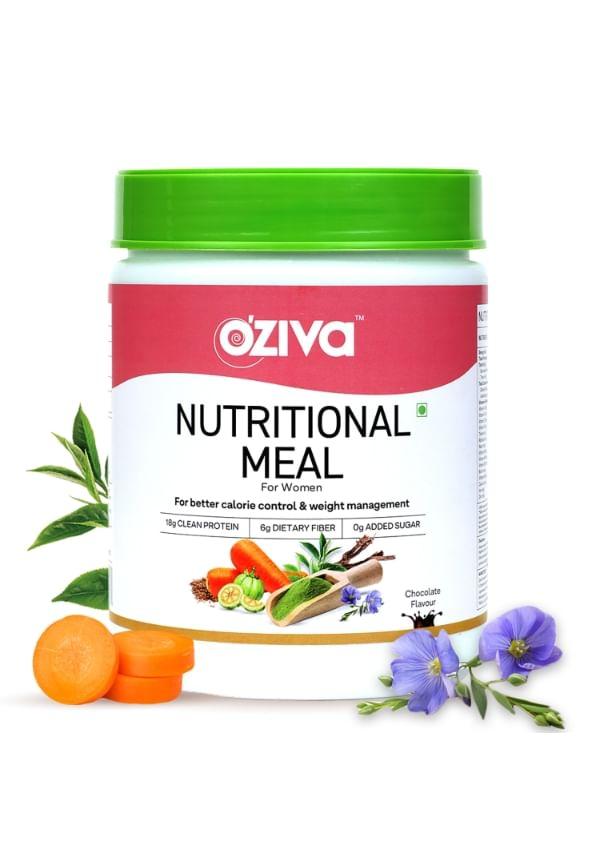
Nutritional Meal Women for Weight Management, Meal Replacement Shake, Chocolate
Let's be real—weight management isn't about crash diets or cutting out entire food groups. It's about understanding how to use food for weight management in a way that actually works for your lifestyle. The secret sauce? Creating a sustainable approach that focuses on nutrient-dense choices, proper portion sizes, and foods that keep you satisfied. Think of it as building a friendship with your plate rather than declaring war on it. When you know which foods support your goals and how to combine them smartly, managing your weight becomes less of a struggle and more of a natural part of your routine.
Here's the thing about traditional dieting—it usually fails because it treats food as the enemy rather than understanding how different foods work with your body's natural processes. Food for weight management is all about working with your metabolism, not against it.
Your body responds differently to various nutrients. Protein, for instance, requires more energy to digest than carbs or fats, which means you're burning calories just by eating it. Fibre-rich foods keep you full longer and help regulate blood sugar levels, preventing those afternoon energy crashes that send you straight to the biscuit tin.
The real magic happens when you focus on nutrient density—getting the most vitamins, minerals, and beneficial compounds per calorie. This approach naturally leads to better satiety, more stable energy levels, and yes, sustainable weight management without feeling deprived.
Not all foods are created equal when it comes to supporting your weight goals. Some foods naturally help you feel satisfied with fewer calories, whilst others provide the nutrients your body needs to function optimally. Let's break down the real MVPs of weight loss foods.
Protein is your best mate when it comes to weight management. It keeps you full, helps preserve muscle mass during weight loss, and gives your metabolism a little boost through something called the thermic effect of food.
Top protein picks:
Fish like salmon, tuna, and mackerel (bonus omega-3s for heart health)
Chicken breast and lean cuts of meat
Eggs—versatile and packed with complete protein
Greek yoghurt for probiotics and protein in one go
Plant-based options: lentils, chickpeas, black beans, and quinoa
These are your volume foods—you can eat loads of them without racking up massive calories. Plus, the fibre content helps with digestion and keeps you feeling satisfied.
Vegetable superstars:
Cruciferous vegetables: broccoli, cauliflower, Brussels sprouts
Leafy greens like spinach, kale, and rocket
Bell peppers, courgettes, and aubergines
Smart fruit choices:
Berries—low in sugar, high in antioxidants
Apples and pears with their skin on for extra fibre
Citrus fruits for vitamin C and natural hydration
Carbs aren't the villain—refined carbs are. Whole grains provide sustained energy and help with portion control meals because they're more filling than their processed counterparts.
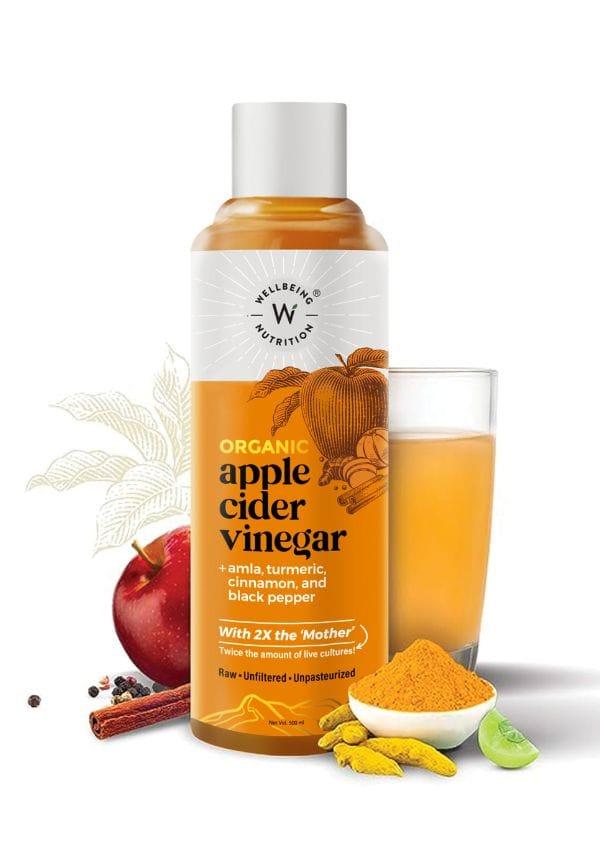
Organic Apple Cider Vinegar With Amla, Turmeric, Cinnamon & Black Pepper
Better grain choices:
Oats for breakfast that keeps you full until lunch
Brown rice instead of white rice
Quinoa as a complete protein and grain combo
Whole grain bread over white bread
Now that you know which foods to focus on, let's talk about putting them together in a way that supports your goals. The beauty of a balanced diet plan is that it's flexible enough to work with your preferences whilst still being effective.
Forget complicated calorie counting apps for a moment. The plate method is a visual way to ensure you're getting the right balance of nutrients without overthinking it.
Your ideal plate breakdown:
50% vegetables (both raw and cooked)
25% lean protein
25% whole grains or starchy vegetables
A small portion of healthy fats (think avocado, nuts, or olive oil)
There's no magic number of meals you need to eat per day, but consistency helps. Whether you prefer three larger meals or five smaller ones, the key is finding a pattern that prevents you from getting overly hungry (which leads to poor food choices) or constantly grazing.
Consider your lifestyle—if you're someone who gets hangry between meals, smaller, more frequent meals might work better. If you prefer larger, more satisfying meals, stick with three main meals and maybe one planned snack.
Whilst no single food is going to magically melt away fat, some foods that burn fat can give your metabolism a gentle nudge in the right direction. These work by increasing your body's energy expenditure or helping with fat oxidation.
Metabolism-supporting foods:
Green tea—contains catechins that may boost fat burning
Chilli peppers—capsaicin can temporarily increase metabolic rate
Coffee—caffeine can enhance fat oxidation during exercise
Lean proteins—require more energy to digest
Cold water—your body burns calories warming it up
Healthy fats in moderation:
Avocados—rich in monounsaturated fats
Nuts and seeds—provide protein and healthy fats
Olive oil—use sparingly for cooking and dressings
Fatty fish—omega-3s support overall health
Sometimes the best way to understand healthy eating for weight is to see it in action. Here's what a week of nutritious meals for weight loss might look like, with plenty of room for personal tweaks.
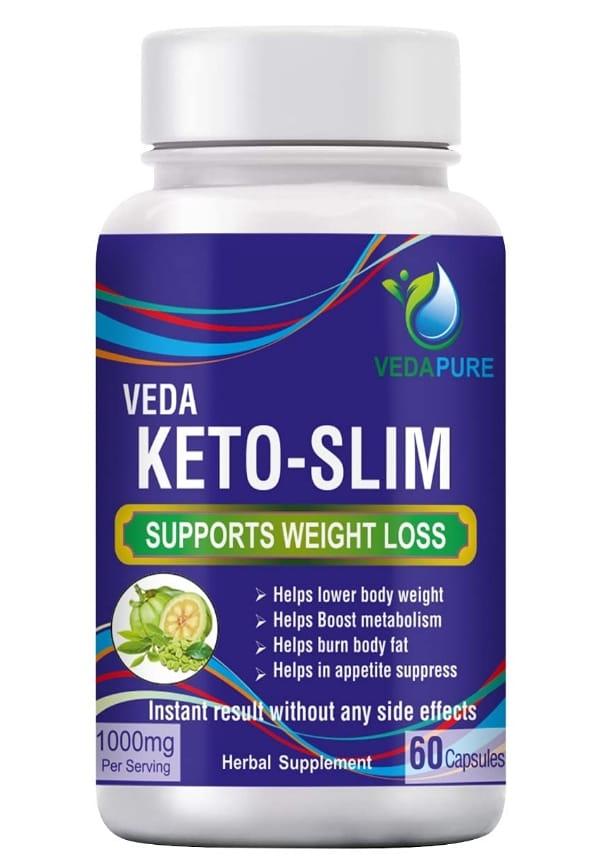
Keto Slim Supports Weight Loss Green Tea & Coffee
Day 1-3: Greek yoghurt with berries and a sprinkle of nuts (approximately 250 calories)
Day 4-5: Vegetable omelette with spinach and tomatoes (approximately 300 calories)
Day 6-7: Overnight oats with chia seeds and sliced apple (approximately 280 calories)
Day 1-3: Large salad with grilled chicken, mixed vegetables, and olive oil dressing (approximately 400 calories)
Day 4-5: Lentil soup with a side of mixed greens (approximately 350 calories)
Day 6-7: Quinoa bowl with roasted vegetables and chickpeas (approximately 420 calories)
Day 1-3: Grilled salmon with steamed broccoli and brown rice (approximately 450 calories)
Day 4-5: Stir-fried tofu with mixed vegetables and a small portion of noodles (approximately 400 calories)
Day 6-7: Lean beef with roasted sweet potato and green beans (approximately 480 calories)
Calorie control doesn't have to mean weighing every morsel of food. Simple visual cues can help you gauge appropriate portions without the fuss.
Hand-size portion guide:
Protein: palm-sized portion
Vegetables: fist-sized portion (or two fists)
Carbs: cupped hand portion
Fats: thumb-sized portion
Remember, these are starting points. Your needs might be different based on your activity level, metabolism, and goals. Pay attention to how you feel—satisfied but not stuffed is the sweet spot.
Whilst no food needs to be completely off-limits, some choices make weight management more challenging. It's not about perfection—it's about making these foods occasional treats rather than daily staples.
Foods that can sabotage your efforts:
Highly processed snacks with empty calories
Sugary drinks and fruit juices
Refined grains like white bread and pastries
Foods high in trans fats
Excessive amounts of added sugars
The best wellness diet is one you can stick with. That means finding ways to make healthy choices convenient and enjoyable, not a constant battle of willpower.
Spend 20 minutes each week planning your meals. This simple step can save you from making impulsive food choices when you're tired or stressed.
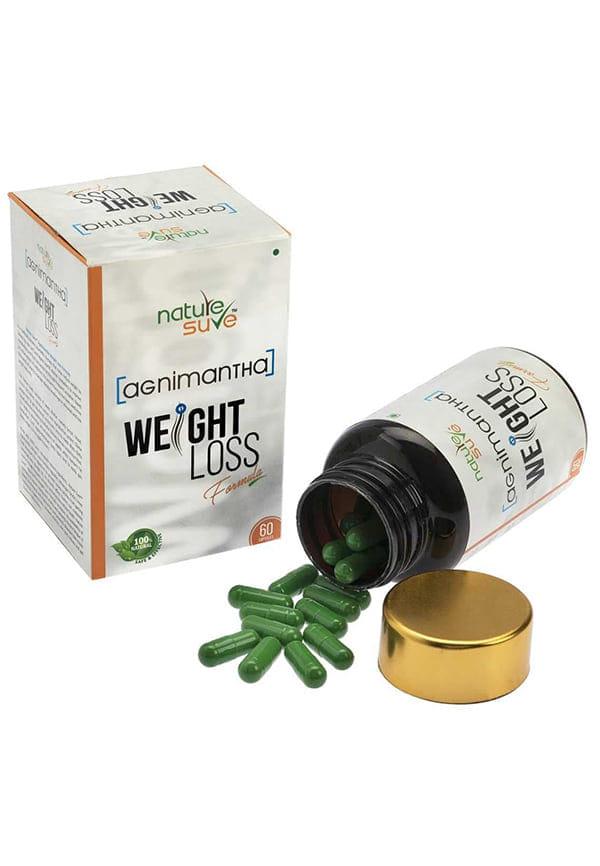
Agnimantha Weight Loss Formula for Men and Women
Planning tips:
Choose one day for grocery shopping and meal prep
Prepare proteins in bulk for easy weekday meals
Keep emergency healthy snacks on hand
Have a few go-to low calorie recipes for busy days
Real life includes restaurant meals, parties, and celebrations. The goal isn't to avoid these situations but to navigate them confidently.
Restaurant strategies:
Check menus online beforehand
Ask for dressings and sauces on the side
Choose grilled, baked, or steamed options over fried
Don't arrive starving—have a small snack beforehand
The best foods for weight management are those that provide high nutritional value whilst keeping you satisfied. Focus on lean proteins like chicken, fish, and legumes; fibre-rich vegetables and fruits; whole grains; and healthy fats in moderation. These foods help control hunger, provide essential nutrients, and support a healthy metabolism.
Losing 5kg in 7 days isn't realistic or safe for most people. Healthy weight loss is typically 0.5-1kg per week. Rapid weight loss often results in muscle loss and water weight reduction rather than fat loss. Focus on creating sustainable habits with a balanced diet and regular physical activity for lasting results.
The 3-3-3 rule typically refers to eating 3 balanced meals, 3 healthy snacks, and drinking 3 litres of water daily. This approach helps maintain steady energy levels, prevents overeating, and supports proper hydration—all important factors in weight management.
Five excellent foods for weight loss include: 1) Eggs for high-quality protein and satiety, 2) Leafy greens for volume and nutrients with minimal calories, 3) Salmon for protein and healthy omega-3 fats, 4) Greek yoghurt for protein and probiotics, and 5) Berries for antioxidants and fibre with natural sweetness.
There's no one-size-fits-all diet for women, as individual needs vary based on age, activity level, and health status. However, a balanced approach focusing on adequate protein, plenty of vegetables, whole grains, and healthy fats tends to work well. Women should ensure they're getting enough iron, calcium, and folate whilst maintaining a moderate calorie deficit for weight loss.
Using food for weight management successfully isn't about following the latest fad diet or cutting out entire food groups. It's about understanding how different foods work with your body and creating a sustainable approach that fits your lifestyle. The key is consistency, not perfection.
Remember that weight management is just one aspect of overall wellness. Just as you might explore different products to find what works best for your skincare or fitness routine, finding the right approach to nutrition often involves some experimentation. Smytten understands this journey of discovery—whether you're exploring new wellness products, trying different protein powders, or discovering healthy snack options, the platform makes it easy to try before you commit. With over 25 million users discovering products across wellness and lifestyle categories, Smytten's approach of letting you explore and experience products through trial packs means you can find what truly works for your unique needs without the guesswork.
Start with small, manageable changes rather than overhauling your entire diet overnight. Focus on adding nutritious foods rather than just restricting calories. And most importantly, be patient with yourself—sustainable weight management is a marathon, not a sprint. Your future self will thank you for building habits that last rather than quick fixes that don't.
