How to Use Ayurvedic Herbs Plants for Natural Wellness


Grandma'S Kadha-Herbal Ayurvedic Kadha - (Pack Of 2 )
Let's be real—wellness trends come and go, but ayurvedic herbs plants have been the OG wellness warriors for over 5,000 years. These medicinal plants aren't just trendy additions to your wellness routine; they're time-tested natural remedies that have helped millions achieve better health through traditional medicine practices. Whether you're curious about growing your own herbal medicine garden or want to understand how these powerful wellness herbs can fit into your modern lifestyle, this guide will help you navigate the world of plant-based medicine with confidence.
Ayurvedic herbs plants form the backbone of one of the world's oldest healing systems. These aren't just random plants—they're carefully studied medicinal plants that work with your body's natural processes to promote healing and balance.
Ayurvedic herbs plants are medicinal plants that have been used in traditional medicine for thousands of years. Unlike synthetic supplements, these wellness herbs contain complex combinations of bioactive compounds that work together synergistically. Think of them as nature's own perfectly balanced formulas—each plant contains multiple healing compounds that complement each other, making the whole more powerful than its individual parts.
The beauty of plant-based medicine lies in this complexity. When you use turmeric, for example, you're not just getting curcumin—you're getting over 300 different compounds that work together to reduce inflammation, support digestion, and boost immunity.
Modern research is finally catching up to what traditional medicine practitioners have known for centuries. These ayurvedic plants work by supporting your body's natural healing mechanisms rather than forcing specific reactions. The concept of doshas—your unique constitutional makeup—helps determine which herbs will work best for your individual needs.
What makes ayurvedic herbs particularly effective is their adaptogenic properties. Many of these medicinal plants help your body adapt to stress, whether it's physical, emotional, or environmental. They're like having a personal wellness coach in plant form.
Ready to meet your new plant allies? These ayurvedic herbs plants are perfect for beginners and can easily become part of your daily wellness routine. Each one brings something unique to the table, and the best part is that many are probably already sitting in your kitchen.
Adaptogens are the superheroes of the herbal medicine world. These wellness herbs help your body handle stress more effectively while supporting overall vitality.
Ashwagandha is your go-to stress-buster. This powerful root helps lower cortisol levels naturally while boosting energy and improving sleep quality. It's like having a chill pill that actually makes you stronger.
Brahmi is your brain's best friend. This herb supports memory, focus, and cognitive function. Perfect for those days when you need mental clarity and sharp thinking.
Tulsi (Holy Basil) is the ultimate immunity booster. This sacred plant helps protect against respiratory issues while supporting overall immune function. Plus, it makes a delicious tea.
These ayurvedic plants are your body's natural cleanup crew, helping reduce inflammation and support detoxification processes.
Turmeric is the golden goddess of anti-inflammatory herbs. Its active compound curcumin helps reduce joint pain and supports overall inflammatory response. Add it to milk for a soothing bedtime drink.
Neem is nature's antibiotic. This powerful plant supports skin health and helps purify the blood. It's particularly effective for acne-prone skin when used both internally and externally.
Triphala is actually a combination of three fruits that work together to support digestive health and natural detoxification. Think of it as your gentle daily reset button.

Dangee+ Juice With Blend Of 7 Powerful Ayurvedic Herbs
Good health starts in your gut, and these medicinal plants are here to support your digestive fire.
Ginger is the universal healer. This warming root supports digestion, reduces nausea, and helps with circulation. It's perfect for everything from morning sickness to post-meal bloating.
Guduchi is known as the divine nectar in traditional medicine. This climbing shrub supports immune function and helps maintain healthy blood sugar levels.
Aloe Vera is your soothing multitasker. This succulent supports both digestive health when consumed internally and skin healing when applied topically.
Now that you know which ayurvedic herbs plants to use, let's talk about how to actually use them. The preparation method can significantly impact the effectiveness of these natural remedies, so getting this right is worth your time.
The most common way to use wellness herbs is through internal consumption. Here are the main methods that work well for most people.
Herbal teas and decoctions are perfect for daily use. Simply steep dried herbs in hot water for 5-10 minutes. For stronger decoctions, simmer roots and bark for 15-20 minutes. Start with 1 teaspoon of dried herb per cup of water.
Powder forms are convenient and potent. Mix ½ to 1 teaspoon of herbal powder with warm water, milk, or honey. This method works particularly well for herbs like turmeric, ashwagandha, and triphala.
Tinctures and liquid extracts offer concentrated benefits. Follow the manufacturer's guidelines, typically 1-3 droppers full, 1-3 times daily. These are great for people who travel frequently or have busy schedules.
Many ayurvedic plants work beautifully when applied externally. These traditional medicine techniques can complement your internal herbal routine.
Herbal pastes are perfect for skin conditions. Mix powdered herbs with water, rose water, or honey to create a paste. Apply to affected areas and leave for 15-20 minutes before rinsing.
Medicated oils are used for massage therapy and hair treatments. Infuse carrier oils like coconut or sesame with your chosen herbs by gently heating them together for several hours.
Steam treatments with medicinal plants can help with respiratory issues. Add herbs like eucalyptus or tulsi to hot water and inhale the steam for 5-10 minutes.
Want to take your herbal medicine journey to the next level? Growing your own ayurvedic plants at home ensures you always have fresh, potent herbs available. Plus, there's something deeply satisfying about nurturing the plants that nurture you.
Not all medicinal plants are suitable for home growing, but these wellness herbs are perfect for beginners and adapt well to container gardening.
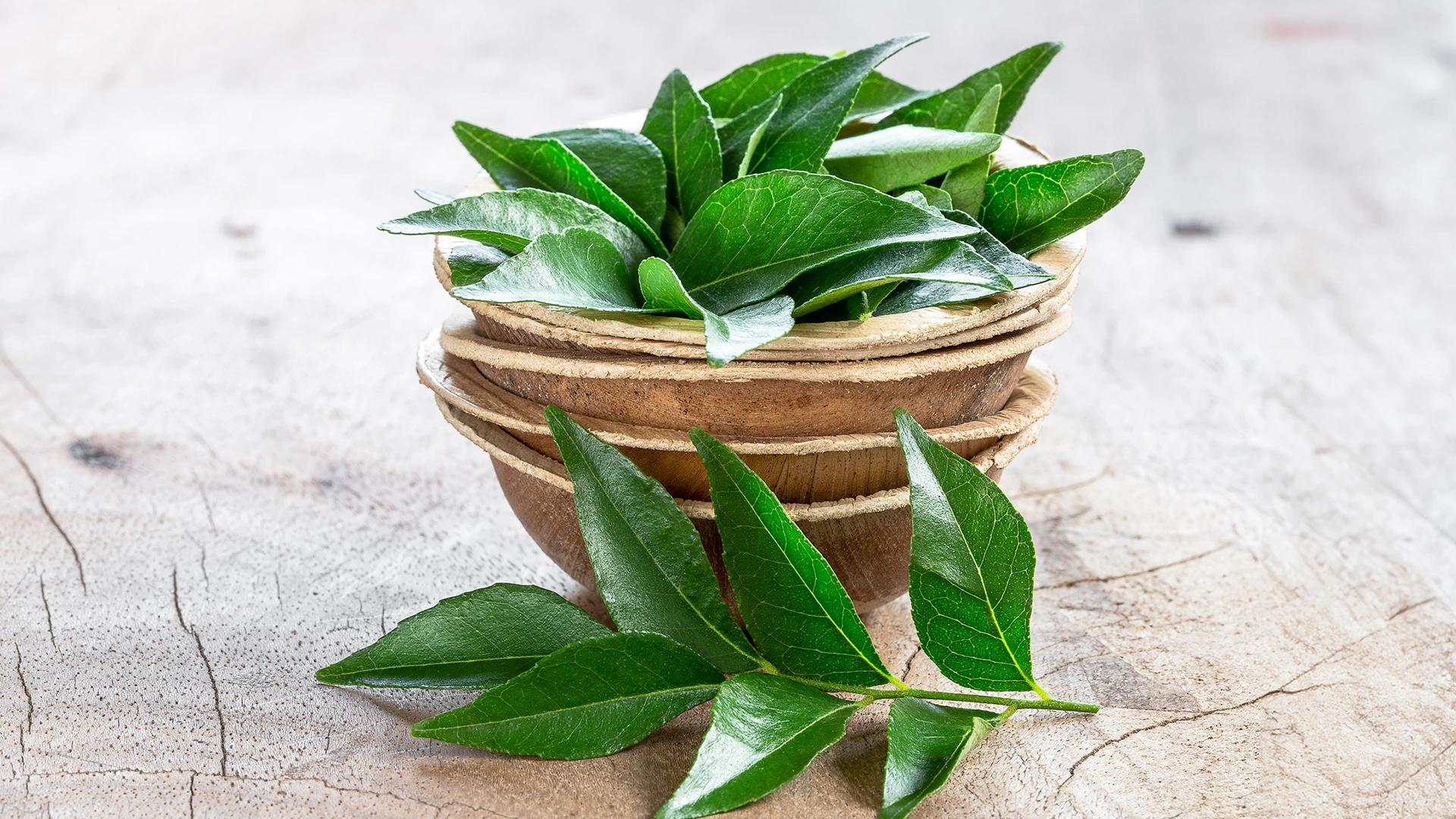
Tulsi is incredibly easy to grow and thrives in most climates. It loves sunlight and well-draining soil. You can harvest leaves continuously throughout the growing season.
Aloe Vera is practically indestructible. This succulent requires minimal water and can survive in various light conditions. Perfect for windowsill growing.
Natural & Pure Shilajit Resin, Ayurvedic Energy Booster & Stamina Enhancer
Ginger can be grown from store-bought rhizomes. Plant them in rich, well-draining soil and keep them warm and humid. You'll have fresh ginger in about 8-10 months.
Turmeric grows similarly to ginger but needs more warmth. If you live in a cooler climate, grow it in containers that you can bring indoors during winter.
Timing is everything when it comes to harvesting ayurvedic herbs plants. The potency of these natural remedies depends on when and how you harvest them.
For leaves like tulsi and neem, harvest in the morning after the dew has dried but before the heat of the day. This is when essential oils are most concentrated.
For roots like turmeric and ginger, harvest after the plant has gone dormant, usually in late autumn or early winter. This is when the plant has stored maximum nutrients in its roots.
Drying techniques are crucial for preservation. Air-dry herbs in a well-ventilated, dark space. Avoid direct sunlight, which can degrade active compounds. Once completely dry, store in airtight containers away from light and heat.
While these traditional medicine practices support overall wellness, certain ayurvedic plants are particularly effective for specific concerns. Let's explore how to target common issues with the right herbal remedies.
Your hair deserves the same natural care as the rest of your body. These medicinal plants have been used for centuries to promote healthy, beautiful hair.
Bhringraj is known as the king of hair herbs. This plant promotes hair growth, prevents premature greying, and strengthens hair follicles. Use it as an oil infusion for weekly hair treatments.
Fenugreek seeds are packed with proteins and hormones that promote hair growth and scalp health. Soak the seeds overnight, grind into a paste, and apply as a hair mask.
Amla is rich in vitamin C and antioxidants that strengthen hair and add natural shine. You can use fresh amla juice or dried powder mixed with other herbs.
These plant-based medicine solutions can help address everyday health concerns naturally and effectively.
For stress and anxiety, combine ashwagandha with brahmi and tulsi. This trio works synergistically to calm the nervous system while supporting mental clarity.
For digestive issues, triphala is your best friend. Take it before bed to support natural elimination, or use ginger tea after meals to aid digestion.
For skin conditions, neem and turmeric work wonderfully together. Create a paste with both herbs for acne-prone skin, or use aloe vera gel for soothing irritated skin.
While ayurvedic herbs plants are generally safe, it's important to use them wisely. These natural remedies are powerful, and like any medicine, they need to be used with respect and knowledge.

Sugar Balance+ Juice With Blend Of 17 Ayurvedic Herbs - Diabetic Care Juice
Even natural doesn't always mean harmless. Some wellness herbs can cause reactions, especially when used in large quantities or combined with certain medications.
Common reactions include digestive upset, skin irritation, or headaches. These usually occur when starting a new herb or using too much too quickly. Always start with small doses and gradually increase as your body adapts.
Some ayurvedic plants can interact with prescription medications. For example, turmeric can enhance the effects of blood-thinning medications, while ashwagandha might interact with thyroid medications.
Working with qualified practitioners ensures you get the most benefit from these traditional medicine practices while staying safe.
Consider consulting an ayurvedic practitioner if you're dealing with chronic health conditions, taking multiple medications, or want a personalised herbal protocol. They can help determine your constitutional type and recommend the most suitable herbs for your needs.
If you're pregnant, breastfeeding, or have young children, it's especially important to get professional guidance before using medicinal plants. Some herbs that are safe for adults may not be appropriate during these sensitive times.
Speaking of wellness exploration, platforms like Smytten make it easier to discover new wellness products and herbal formulations. With trial packs from over 1,500 trusted brands, you can explore different herbal supplements and wellness products before committing to full-size purchases. This approach aligns perfectly with the ayurvedic principle of finding what works best for your unique constitution.
The most beneficial ayurvedic herbs for daily use include ashwagandha for stress management, tulsi for immunity, turmeric for inflammation, and triphala for digestion. These wellness herbs are gentle enough for regular use and provide comprehensive health benefits.
Begin with mild herbs like tulsi tea or turmeric in cooking. Start with small doses, research each herb thoroughly, and consult an ayurvedic practitioner for personalised guidance. Always introduce one new herb at a time to monitor your body's response.
Yes, many ayurvedic plants like tulsi, aloe vera, ginger, and turmeric can be easily grown at home in containers or gardens, depending on your climate. These herbs are relatively low-maintenance and provide fresh, potent medicine right from your garden.
Ayurvedic herbs are whole plant medicines used in traditional formulations, while regular supplements often contain isolated compounds. Ayurvedic plants work synergistically with multiple bioactive compounds, providing more balanced and comprehensive benefits.
Results vary by individual and condition. Some benefits like improved digestion may appear within days, while deeper healing effects typically require 4-12 weeks of consistent use. Traditional medicine emphasises patience and consistency for lasting results.
Ayurvedic herbs plants offer a beautiful bridge between ancient wisdom and modern wellness needs. These natural remedies provide gentle yet effective support for everything from stress management to digestive health, all while working with your body's natural healing processes. The key is starting slowly, choosing quality herbs, and being consistent with your practice.
Whether you're growing your own medicinal plants, brewing herbal teas, or exploring commercial herbal products, remember that wellness is a journey, not a destination. These time-tested plant allies can support you along the way, offering natural solutions that have helped humans thrive for thousands of years. With platforms like Smytten offering trial packs from trusted wellness brands, you can explore different herbal formulations and find what works best for your unique needs—because why settle for 'maybe' when you can try it all and discover your perfect wellness routine?
