How to Use Ayurvedic Herbs for Mental Health Naturally

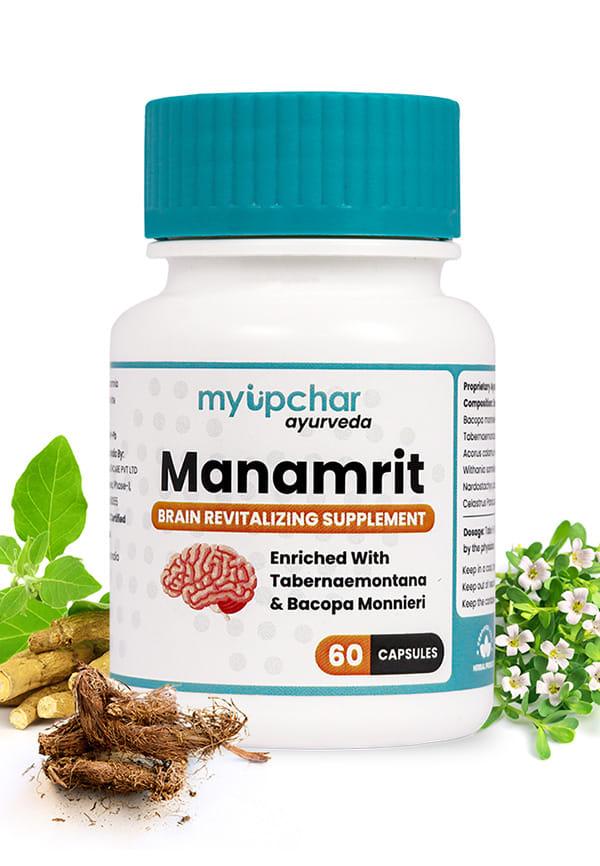
Ayurveda Manamrit Brain Revitalizer Capsule with Brahmi, Ashwagandha, Jatamansi
Mental wellness isn't just about managing stress—it's about finding balance in a world that never seems to slow down. If you've been scrolling through endless wellness content looking for something that actually works, you might want to look back thousands of years. Ayurvedic herbs for mental health have been quietly doing their thing long before anxiety became a trending topic. These aren't just trendy adaptogens; they're time-tested allies that understand your mind-body connection better than your latest meditation app.
Real talk—ayurveda mental health isn't about popping a herb and calling it a day. It's about understanding that your mind, body, and spirit are basically in a group chat together, and when one's having a meltdown, everyone feels it. Ayurveda looks at mental wellness through the lens of your unique constitution, or what they call your Prakriti.
The ancient texts talk about something called Medhya Rasayanas—basically brain tonics that don't just mask symptoms but actually nourish your nervous system. Think of them as the ultimate mental wellness herbs that work from the inside out. Your mental state is influenced by the three doshas: Vata (which governs movement and can make you feel scattered), Pitta (which controls transformation and can make you feel irritable), and Kapha (which provides structure but can make you feel sluggish when imbalanced).
What makes this approach brilliant is that it's personalised. Your friend's go-to stress relief might not be your cup of tea, and that's completely normal. Ayurveda gets that we're all wired differently, which is why it focuses on finding what works for your specific constitution rather than following a one-size-fits-all approach.
Let's dive into the real stars of the show—the cognitive function herbs that have been helping people find their zen for centuries. These aren't just random plants; they're carefully studied allies with serious credentials.
If there's one herb that deserves a spot in your wellness routine, it's ashwagandha for anxiety. This adaptogen is like that friend who always knows how to calm you down during a crisis. Clinical studies show it can reduce cortisol levels by up to 30%, which is basically your stress hormone taking a much-needed chill pill.
The magic happens because ashwagandha helps regulate your HPA axis—the communication network between your brain and adrenal glands. When this system is balanced, you're less likely to feel like you're constantly running on stress mode. Most people see benefits with 300-600mg daily, preferably taken with meals to avoid any tummy troubles.
Brahmi benefits go way beyond just helping you remember where you put your keys (though it definitely helps with that too). This herb is like a personal trainer for your brain, improving cognitive function and reducing anxiety at the same time. Research shows it can enhance memory formation and recall while keeping those anxious thoughts in check.
What's really cool about brahmi is its neuroprotective properties. It literally helps protect your brain cells from damage while promoting the growth of new neural connections. Think of it as your brain's favourite multivitamin, but way more effective.
This lesser-known gem is basically a natural tranquilliser without the drowsiness. Shankhpushpi works on your nervous system like a gentle reset button, helping you feel calm without feeling foggy. It's particularly brilliant for those racing thoughts that keep you up at night or make it hard to focus during the day.
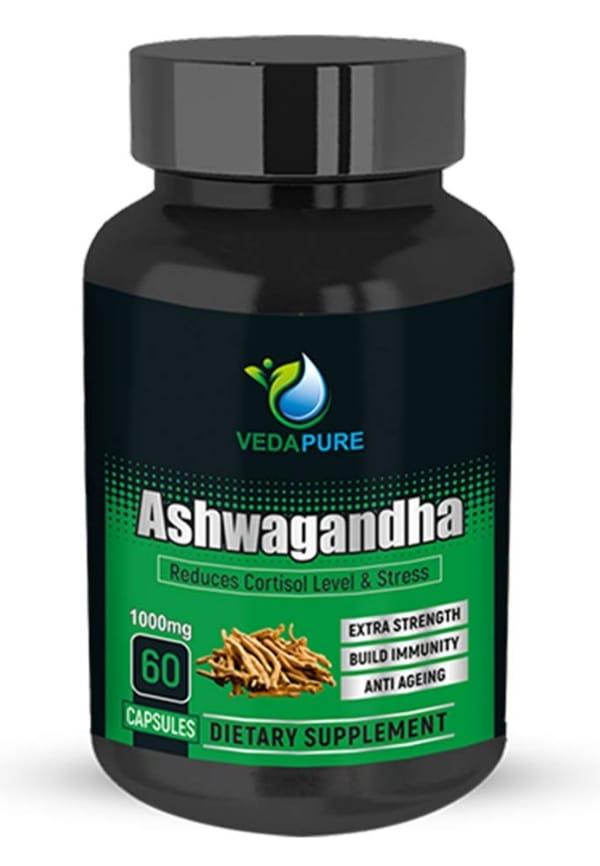
Ashwagandha Anxiety & Stress Relief
If your mind tends to go into overdrive the moment your head hits the pillow, jatamansi might just become your new favourite. This herb has a special talent for calming an overactive nervous system and promoting restful sleep. It's like having a gentle lullaby for your neurons.
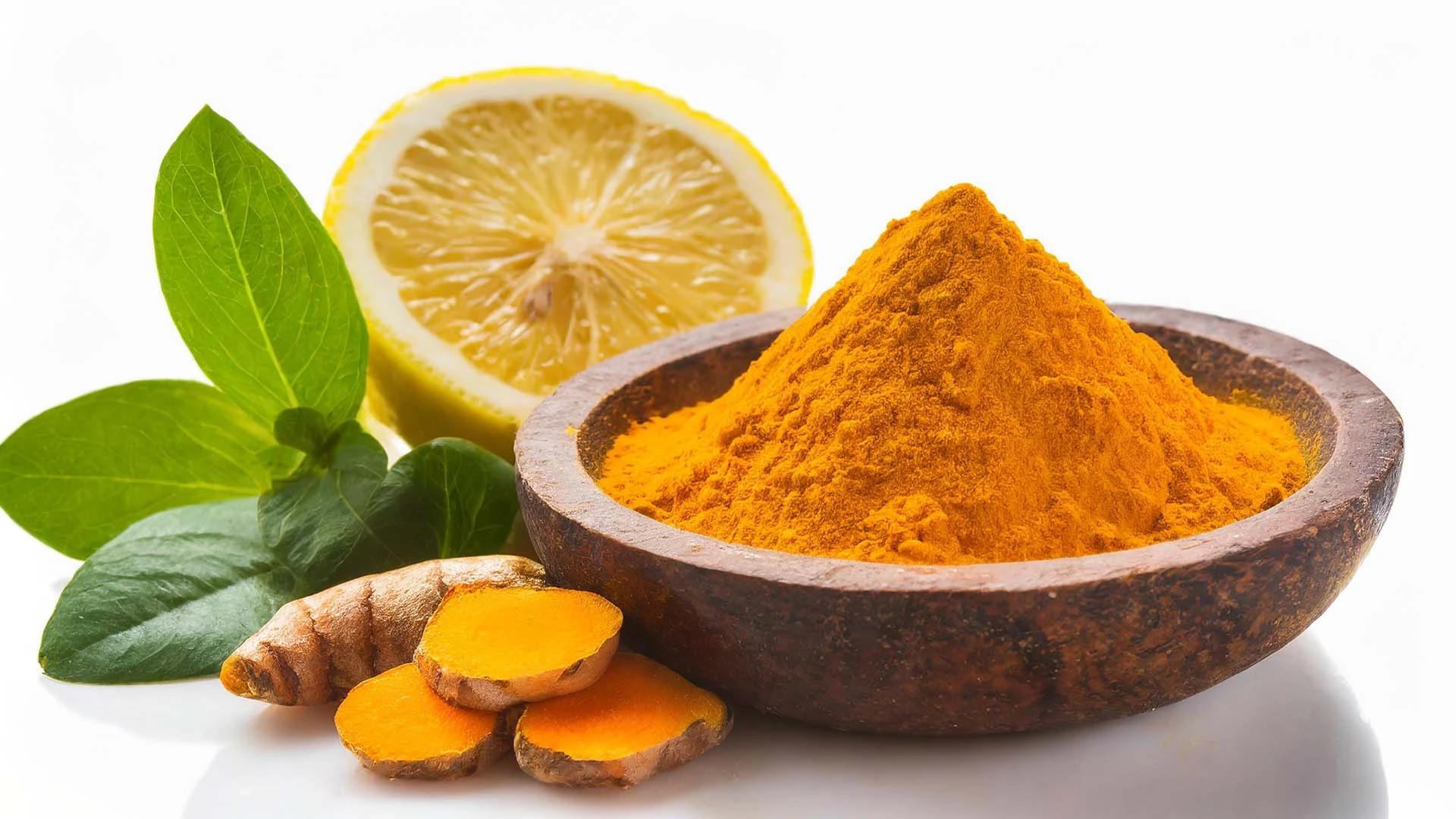
Tulsi (Holy Basil): Your daily stress-buster that you can actually sip as tea. It helps lower cortisol and supports emotional balance. Vacha: The clarity enhancer that helps cut through mental fog and sharpens focus. Turmeric: Beyond its anti-inflammatory fame, it actually supports brain health by increasing BDNF, which is like fertiliser for your brain cells.
Here's where stress management ayurveda gets really practical. It's not just about taking herbs; it's about creating a lifestyle that supports your mental wellness from every angle. Think of it as building a fortress of calm around your daily routine.
The concept of Dinacharya (daily routine) is huge in Ayurveda. It's about syncing your activities with your body's natural rhythms. This means waking up before sunrise, eating your largest meal when your digestive fire is strongest (around noon), and winding down as the sun sets. Sounds simple, but it's incredibly effective for natural stress relief.
Pranayama isn't just fancy breathing—it's a direct line to your nervous system. Simple techniques like alternate nostril breathing or the 4-7-8 breath can shift you from fight-or-flight mode to rest-and-digest mode in minutes. The best part? You can do it anywhere, anytime.
Ayurveda teaches that how you eat is just as important as what you eat. Eating in a calm environment, chewing slowly, and choosing foods that balance your dosha can significantly impact your mental state. Warm, cooked foods generally support Vata types who tend toward anxiety, while cooling foods help Pitta types who lean toward irritability.
Let's get real about herbal anxiety treatment—these aren't just harmless plants you can take willy-nilly. They're powerful medicines that deserve respect and proper dosing. Getting the dosage right is crucial for seeing actual benefits without unwanted side effects.
For most calming herbs, starting low and going slow is the golden rule. Ashwagandha typically works well at 300-600mg daily, while brahmi is effective at 300-400mg. Timing matters too—adaptogens like ashwagandha are often best taken in the morning, while calming herbs like jatamansi work better in the evening.
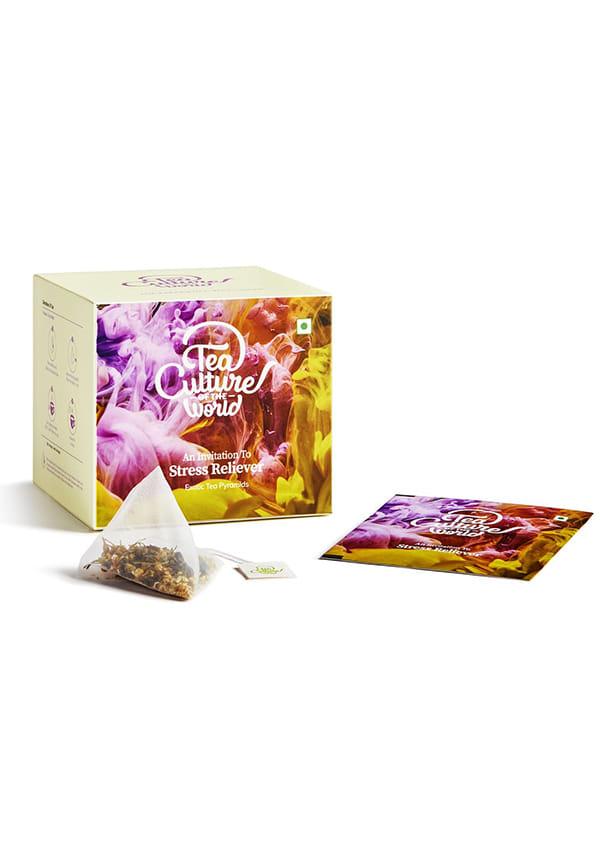
Stress Reliever Tea
Not all herbal supplements are created equal. Look for standardised extracts from reputable sources, and always check for third-party testing. The difference between a high-quality herb and a cheap knockoff can be the difference between feeling amazing and feeling nothing at all.
If you're dealing with serious mental health concerns, taking medications, or pregnant, definitely chat with a qualified Ayurvedic practitioner or your healthcare provider before starting any herbal protocol. Some herbs can interact with medications or aren't suitable for certain conditions.
This is where the magic really happens—creating a mental wellness routine that's as unique as you are. Start by observing your patterns. Are you more anxious in the morning or evening? Do you struggle with racing thoughts or low energy? Your symptoms can guide you toward the right combination of herbs and practices.
Begin with one herb for 2-4 weeks before adding another. This way, you'll know exactly what's working and what isn't. Keep a simple journal noting your mood, energy levels, and sleep quality. You might be surprised by the patterns you notice.
The key to success with herbal remedies anxiety treatment is consistency, not perfection. Start small—maybe just one herb and one breathing exercise. Once that feels natural, you can gradually add more elements. Remember, this is about creating sustainable habits, not another source of stress.
You don't need to completely overhaul your life to benefit from Ayurvedic principles. Small changes like taking your herbs with your morning coffee, doing a few minutes of breathing before bed, or choosing warming foods when you're feeling scattered can make a real difference.
Let's talk facts—modern research is finally catching up with what Ayurveda has known for thousands of years. Clinical trials on ashwagandha show significant reductions in anxiety and stress markers. Studies on brahmi demonstrate improved cognitive function and reduced anxiety symptoms. This isn't just ancient wisdom; it's evidence-based wellness.
What's particularly interesting is how these herbs work on multiple pathways simultaneously. While conventional medications often target one specific neurotransmitter, Ayurvedic herbs tend to support overall nervous system health through various mechanisms. They're like a gentle, comprehensive tune-up for your brain rather than a targeted intervention.
Many mental health professionals are now recognising the value of integrating traditional approaches with modern treatment. This doesn't mean replacing your therapy or medication—it means adding supportive tools that can enhance your overall wellbeing and resilience.
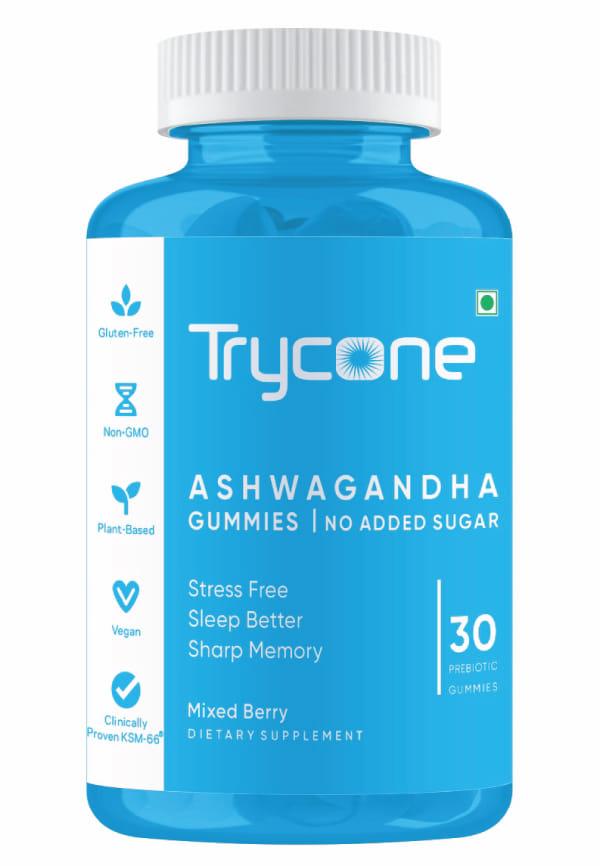
Ashwagandha KSM 66 |No Added Sugar Stress Free
Exploring ayurvedic herbs for mental health isn't about finding a quick fix—it's about building a sustainable relationship with your wellbeing. These time-tested allies offer a gentle, holistic approach to mental wellness that honours both ancient wisdom and modern understanding.
The beauty of this approach lies in its personalisation and patience. Unlike the instant gratification culture we're used to, Ayurvedic mental health support works gradually, building resilience from the ground up. Whether you're dealing with everyday stress or looking to optimise your cognitive function, these herbs offer a natural path worth exploring.
As you embark on this journey, remember that wellness isn't a destination—it's an ongoing exploration. Platforms like Smytten make it easier to discover and try wellness products from trusted brands without the commitment of full-size purchases. With curated trial packs from over 1,500 brands, you can explore different herbal supplements and wellness products to find what truly works for your unique constitution. After all, why settle for 'maybe' when you can try it all and find your perfect wellness match?
There's no single "best" herb since everyone's constitution is different. However, ashwagandha is often considered the most versatile for stress and anxiety, while brahmi excels for cognitive function and memory. The best approach is to start with one herb that matches your primary concerns and see how your body responds.
Ayurveda can be highly effective for supporting mental wellness, particularly for stress, anxiety, and cognitive function. However, it works best as part of a comprehensive approach that may include therapy, lifestyle changes, and in some cases, conventional treatment. For serious mental health conditions, always work with qualified healthcare providers.
Most people notice initial effects within 2-4 weeks of consistent use, though some may feel changes sooner. Full benefits typically develop over 8-12 weeks. Factors like dosage, quality of herbs, individual constitution, and lifestyle all influence how quickly you'll see results.
When used properly, most ayurvedic herbs have minimal side effects. However, some people may experience mild digestive upset, drowsiness, or headaches when starting. Always start with lower doses and consult healthcare providers if you're taking medications or have health conditions.
Some ayurvedic herbs can interact with medications, particularly those for anxiety, depression, or blood pressure. Always consult your doctor and a qualified Ayurvedic practitioner before combining herbs with prescription medications to ensure safety and avoid interactions.
Adaptogens like ashwagandha help your body adapt to stress by regulating the stress response system. Other mental health herbs might work more specifically—like brahmi for cognitive function or jatamansi for sleep. Adaptogens tend to be more balancing overall, while other herbs might target specific symptoms.
