How to Use Ayurvedic Ashwagandha for Anxiety and Sleep


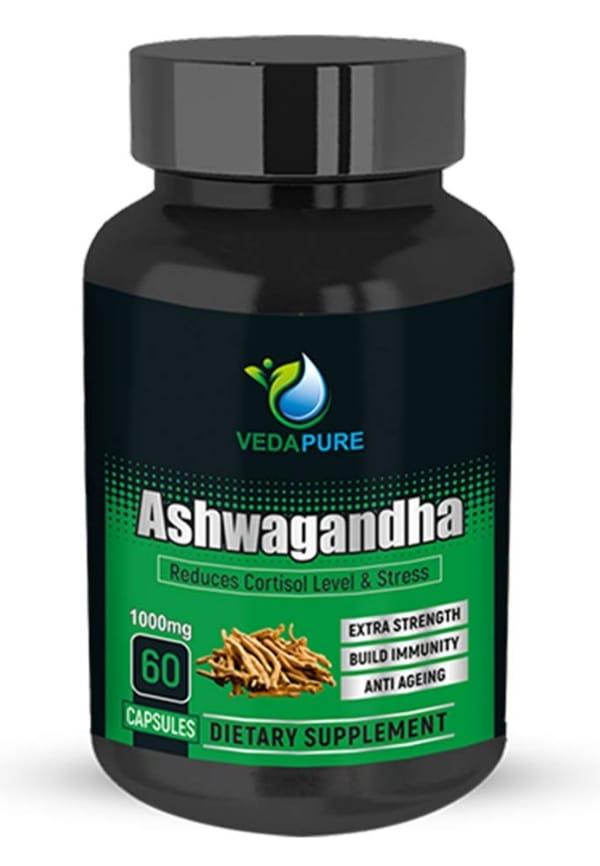
Ashwagandha Anxiety & Stress Relief
Ever felt like your mind's running a marathon whilst your body's begging for rest? You're not alone. In our always-on world, finding natural ways to manage anxiety and improve sleep has become more crucial than ever. Enter ashwagandha—an ancient Ayurvedic herb that's been helping people find their calm for over 3,000 years. This powerful adaptogen isn't just another wellness trend; it's a time-tested solution that modern science is finally catching up with. Let's dive into how this remarkable herb can transform your approach to stress and sleep.
Ashwagandha, scientifically known as Withania somnifera, literally translates to "smell of horse" in Sanskrit—not the most appealing name, but it refers to the herb's distinctive earthy scent and its traditional belief to impart the strength and vigour of a horse. The more telling part of its botanical name is "somnifera," which means "sleep-inducing," giving us a clear hint about one of its primary ashwagandha benefits.
In traditional Ayurvedic medicine, ayurvedic ashwagandha is classified as a Rasayana—a special category of herbs known for their rejuvenating and life-extending properties. Think of it as nature's reset button for your nervous system. The ashwagandha root is the star of the show, containing potent compounds called withanolides that give this herb its remarkable stress-busting abilities.
What makes ashwagandha particularly special in Ayurveda is its ability to balance Vata dosha—the energy that governs movement, including the movement of thoughts and emotions. When Vata becomes excessive, it manifests as anxiety, restlessness, and sleep disturbances. This ancient understanding aligns perfectly with modern research on ashwagandha's adaptogenic properties.
The ayurvedic medicine ashwagandha benefits extend far beyond what ancient texts described, with modern research validating many traditional uses. Let's explore how this remarkable herb supports mental wellness through multiple pathways.
Real talk—chronic stress is basically the villain in most of our health stories. Ashwagandha works as an adaptogen, helping your body maintain balance when life throws curveballs. Studies show it can reduce cortisol levels by up to 30%, which is pretty impressive for a natural remedy. This isn't just about feeling less frazzled; lower cortisol means better immune function, improved metabolism, and clearer thinking.
From an Ayurvedic perspective, anxiety often stems from excess Vata energy—think of it as your nervous system being stuck in overdrive. Ashwagandha for anxiety works by grounding this scattered energy, creating a sense of stability and calm. Clinical trials have shown significant reductions in anxiety scores compared to placebo groups, making it a worthy consideration for natural anxiety management.
Here's where that "somnifera" part really shines. Ashwagandha for sleep doesn't just knock you out like some sleep aids might. Instead, it helps regulate your natural sleep-wake cycle, improving both the time it takes to fall asleep and the quality of rest you get. Users often report waking up feeling more refreshed rather than groggy—a win-win situation.
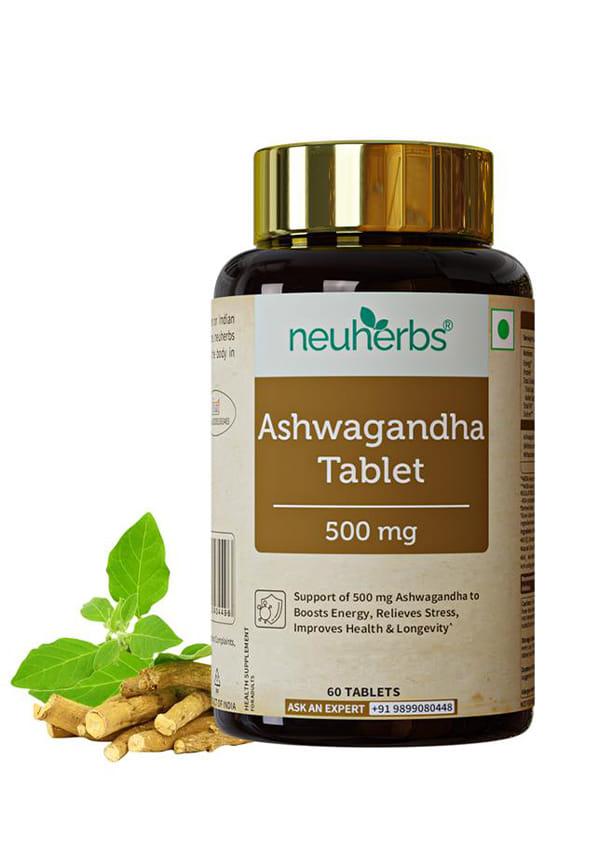
Ashwagandha Tablets,Reduce Stress & Support Sleep Cycle
When it comes to managing anxiety naturally, ashwagandha uses in traditional Ayurveda offer a holistic approach that modern wellness enthusiasts are rediscovering. Unlike quick fixes that might mask symptoms, ashwagandha addresses anxiety at its root by supporting your body's natural stress response.
In Ayurvedic practice, anxiety is often viewed as a Vata imbalance—essentially, your nervous system is running too fast and needs grounding. Practitioners traditionally recommend ashwagandha as part of a comprehensive approach that includes dietary adjustments, lifestyle changes, and sometimes other complementary herbs like Brahmi or Jatamansi.
The beauty of using ashwagandha for anxiety lies in its gentle yet effective action. Most people start noticing improvements within 2-4 weeks of consistent use, with optimal benefits appearing after 6-8 weeks. It's not about instant gratification but building resilience over time. The herb helps create a buffer between you and stressful situations, making daily challenges feel more manageable.
What's particularly interesting is how ashwagandha doesn't just suppress anxiety symptoms—it actually helps retrain your stress response. This means that over time, you might find yourself naturally more resilient to stressors, even when you're not actively taking the herb.
If you've ever tossed and turned whilst your mind replays the day's events on repeat, you'll appreciate how ashwagandha for sleep works differently from conventional sleep aids. Rather than forcing drowsiness, it helps calm the mental chatter that often keeps us awake.
Traditional Ayurvedic preparation for sleep involves taking ashwagandha with warm milk and a touch of honey about 30-60 minutes before bedtime. This isn't just about the herb itself—the warm milk contains tryptophan, whilst honey helps stabilise blood sugar overnight, creating the perfect sleep-promoting combination.
The timing matters too. Unlike some sleep supplements that work immediately, ashwagandha's sleep benefits build over time. You're essentially training your nervous system to wind down more effectively each evening. Many users report not just falling asleep faster, but experiencing deeper, more restorative sleep cycles.
What sets ashwagandha apart from other sleep remedies is its ability to address multiple sleep disruptors simultaneously. It reduces cortisol (which can spike at night), calms anxiety, and supports healthy neurotransmitter function—all crucial for quality rest.
Getting your ashwagandha dosage right is crucial for experiencing its full benefits safely. The good news is that this herb has been used for millennia, giving us plenty of guidance on effective dosing strategies.
The classic method involves using ashwagandha root powder (churna) mixed with warm milk and honey. Traditional dosages range from 1-6 grams daily, though most people find 1-3 grams sufficient for stress and sleep support. Start with a smaller amount—about half a teaspoon (roughly 1 gram)—and gradually increase based on how you respond.
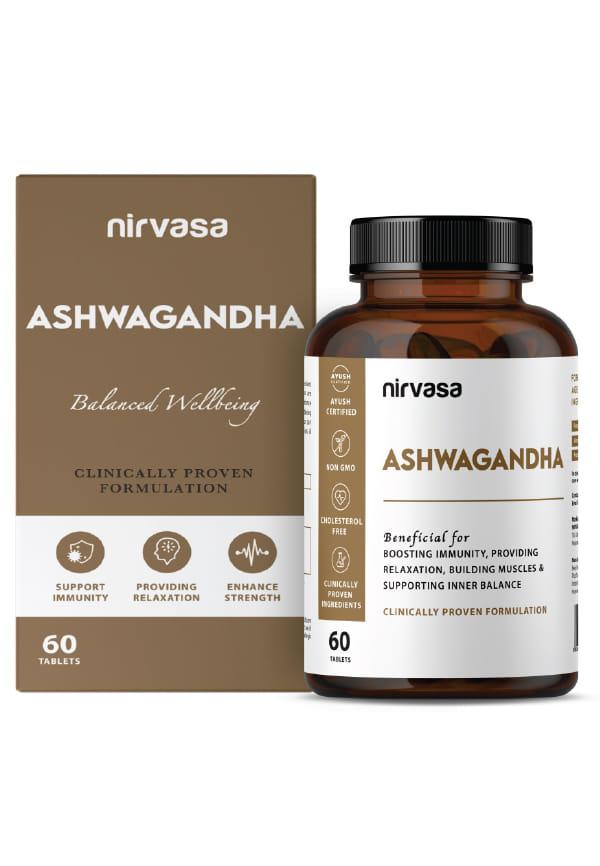
Ashwagandha Tablets | Elevates Strength, Stress Relief & Boosts Immunity
Today's ashwagandha supplements often come as standardised extracts, typically containing 1.5-12% withanolides. These concentrated forms are more potent, so dosages are lower—usually 300-600mg daily. Capsules offer convenience, but powder forms allow for better absorption when taken with fats like warm milk or ghee.
Your ideal dosage depends on several factors: your constitution (Vata, Pitta, or Kapha), current stress levels, and specific goals. Those with predominantly Vata constitution might need slightly higher doses, whilst Pitta types often respond well to moderate amounts. Always start low and adjust gradually—your body will tell you what works.
Whilst ashwagandha is generally well-tolerated, being aware of potential ashwagandha side effects helps ensure a positive experience. Most side effects are mild and often resolve as your body adjusts to the herb.
Common mild effects include drowsiness (especially when starting), mild stomach upset, or headaches. These typically occur when doses are too high initially or when taken on an empty stomach. Taking ashwagandha with food or milk usually resolves digestive issues.
More serious considerations include interactions with certain medications, particularly those for thyroid conditions, blood pressure, or immune system disorders. Ashwagandha can enhance thyroid function, which might be problematic if you're on thyroid medication. Similarly, its immune-modulating effects mean those with autoimmune conditions should consult healthcare providers before use.
Pregnant and breastfeeding women should avoid ashwagandha, as traditional texts classify it as potentially uterine stimulating. Quality matters too—choose reputable brands that test for heavy metals and adulterants, as ashwagandha's popularity has unfortunately led to some questionable products in the market.
The benefits of ashwagandha can be amplified when combined with complementary herbs, following traditional Ayurvedic principles of synergy. Classic formulations like Manasamitra Vatakam combine ashwagandha with other nervines for enhanced mental clarity and calm.
Seasonal considerations play a role too. Ashwagandha is particularly beneficial during autumn and winter when Vata energy naturally increases. During these months, the herb's grounding properties help counteract the season's tendency toward anxiety and sleep disturbances.
For optimal results, consistency trumps intensity. Taking moderate doses regularly yields better results than sporadic high doses. Most traditional practitioners recommend cycles of 2-3 months followed by a break to assess progress and prevent tolerance.
Lifestyle integration matters as much as the herb itself. Combining ashwagandha with stress-reduction practices like meditation, gentle yoga, or regular sleep schedules amplifies its benefits. Think of it as part of a holistic approach rather than a standalone solution.
When exploring wellness products, platforms like Smytten make it easier to discover quality ashwagandha supplements without committing to full-size purchases. With trial packs from trusted wellness brands, you can find the right formulation that works for your unique needs—because settling for 'maybe' isn't an option when it comes to your wellbeing.
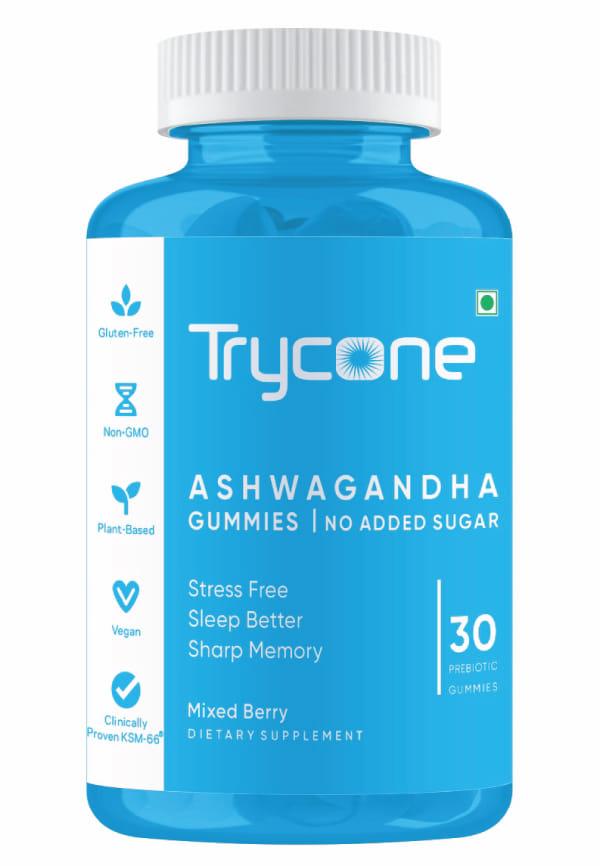
Ashwagandha KSM 66 |No Added Sugar Stress Free
The primary benefit is stress reduction through cortisol regulation and Vata dosha balancing, leading to improved anxiety management and sleep quality. This foundational effect often creates a ripple of other positive changes in energy, mood, and overall resilience.
Daily use typically results in reduced stress levels, better sleep quality, improved energy, and enhanced stress tolerance within 2-8 weeks. Many users also report better focus, more stable moods, and increased physical endurance over time.
Most people notice anxiety improvements within 2-4 weeks of consistent use, with optimal benefits appearing after 6-8 weeks. The timeline can vary based on individual constitution, stress levels, and dosage used.
Yes, when used appropriately. Traditional Ayurveda recommends cycles of 2-3 months followed by breaks for assessment. This approach helps maintain effectiveness whilst allowing your body to integrate the benefits naturally.
Ashwagandha can support sleep quality by reducing cortisol and calming the nervous system, but it shouldn't replace medical treatment for diagnosed sleep disorders. It works best as part of comprehensive sleep hygiene practices.
Yes, ashwagandha can interact with thyroid medications, blood pressure drugs, and immunosuppressants. Always consult your healthcare provider before adding ashwagandha to your routine if you're taking prescription medications.
Ashwagandha represents the beautiful intersection of ancient wisdom and modern wellness needs. In a world where stress and sleep issues have become commonplace, this time-tested herb offers a natural path to better balance. The key lies in understanding that ayurvedic medicine ashwagandha benefits unfold gradually, supporting your body's innate ability to handle stress rather than masking symptoms.
Whether you're dealing with daily anxiety, struggling with sleep quality, or simply looking to build resilience against life's inevitable stressors, ashwagandha might just become your new wellness ally. Remember to start slowly, be consistent, and listen to your body's responses. Quality matters, so choose reputable sources and consider consulting with an Ayurvedic practitioner for personalised guidance.
The journey to better stress management and sleep doesn't have to involve guesswork. With platforms like Smytten, you can explore various ashwagandha formulations through trial packs, discovering what works best for your unique constitution and lifestyle. After all, why settle for restless nights and anxious days when you can Try It All and find your perfect wellness match?
