How to Use Aloe Vera for Radiant, Healthy Skin

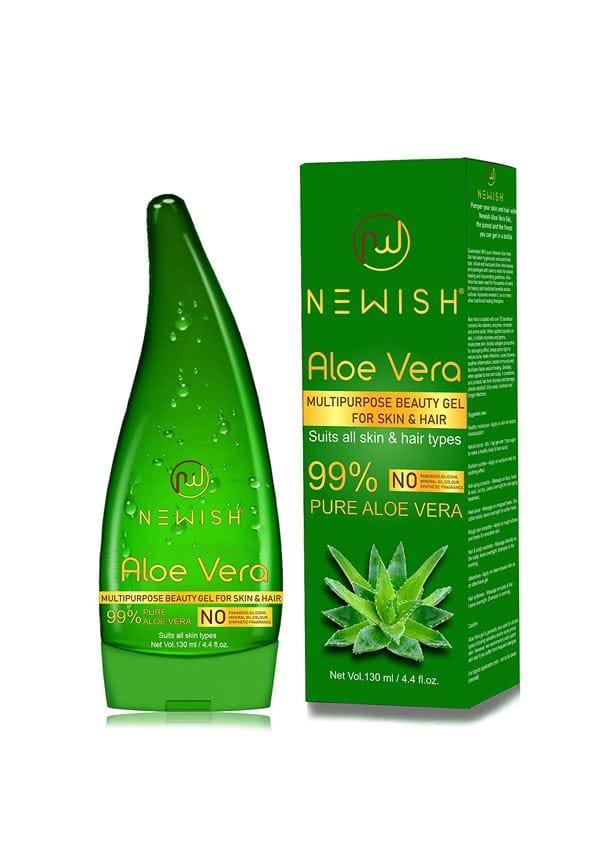
Pure Aloe Vera Gel For Face Glow, Hair Growth & Skin Moisturizer For Women & Men
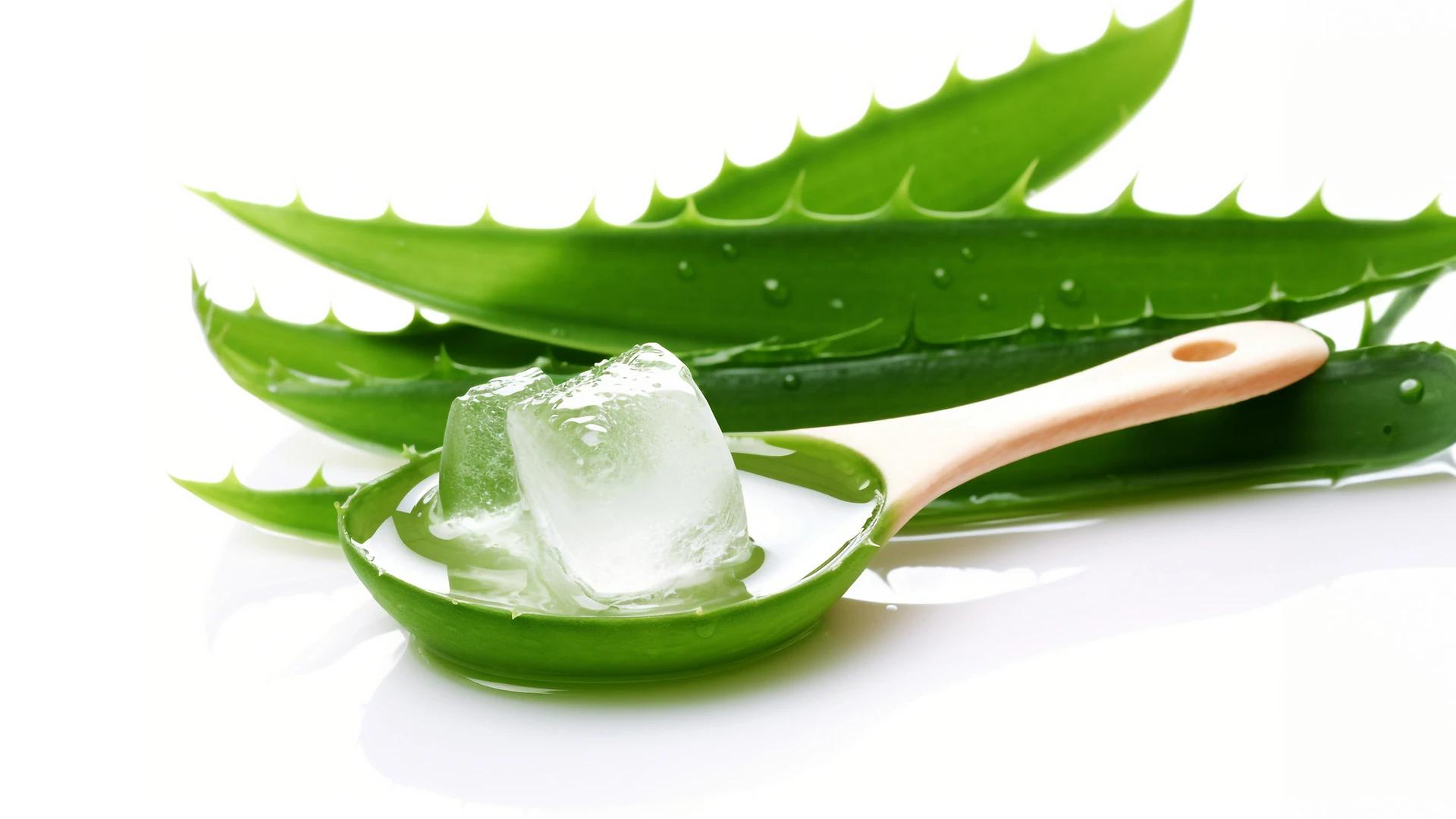
Let's be real—when it comes to natural skincare, aloe vera is basically the MVP that never goes out of style. This green goddess has been soothing skin for centuries, and there's a reason your mum probably swears by it. Whether you're dealing with angry breakouts, sun-kissed skin that's feeling a bit too crispy, or just want that natural glow everyone's after, learning how to use aloe vera for skin might just be your ticket to that radiant complexion you've been dreaming of. From quick spot treatments to luxurious DIY masks, this wonder plant has got your back (and your face) covered.
Aloe vera isn't just another trendy ingredient—it's backed by proper science and centuries of use. The aloe vera benefits for skin are genuinely impressive, and once you understand what's happening beneath the surface, you'll get why this succulent deserves a permanent spot in your skincare routine. The magic lies in aloe vera's unique composition. It's packed with over 75 active compounds, including vitamins A, C, and E, plus amino acids and enzymes that work together like a dream team for your skin.
The real MVPs in aloe vera are polysaccharides and glycoproteins. These compounds are brilliant at reducing inflammation whilst accelerating healing—perfect for everything from minor cuts to stubborn spots. The gel also contains natural humectants that draw moisture from the air and lock it into your skin, giving you that plump, hydrated look. Antioxidants in aloe vera help fight free radicals that cause premature ageing. Plus, it naturally contains salicylic acid, which gently exfoliates dead skin cells and unclogs pores.
Here's what makes aloe vera absolutely brilliant—it's like that friend who gets along with everyone. Got oily skin? The lightweight, non-greasy texture won't clog your pores. Dry skin? The deep moisturising properties will leave you feeling properly hydrated. Sensitive skin? The gentle, anti-inflammatory nature soothes irritation without causing drama. The pH of pure aloe vera gel is around 4.5, which is close to your skin's natural pH, making it incredibly compatible with your skin's barrier function.
Right, let's get into the nitty-gritty of aloe vera for face application. Getting this right makes all the difference between "meh" results and that "wow, your skin looks amazing" glow everyone notices. The key is in the prep and technique. Think of it like applying any other skincare product—there's a method to the madness, and following it properly will give you the best results.
Start with a clean canvas. Use your usual cleanser to remove makeup, dirt, and oil. Pat your face dry with a clean towel—don't rub, as this can irritate your skin. Take about a teaspoon of aloe vera gel for skin and warm it slightly between your palms. Apply in gentle, upward strokes, starting from your neck and working up to your forehead. Don't forget your under-eye area—aloe vera is gentle enough for this delicate skin. For daytime use, follow with SPF. For nighttime, let the aloe vera absorb for 10-15 minutes before applying any other products.
Fresh aloe vera straight from the plant is the gold standard, but it's not always practical. If you're going the fresh route, cut a leaf, slice it open, and scoop out the clear gel. Avoid the yellow latex near the skin—it can be irritating. For store-bought options, look for gels with at least 90% aloe vera content. Avoid products with alcohol, artificial colours, or heavy fragrances. Brands available through platforms like Smytten often offer high-quality, pure aloe vera products that you can try before committing to full sizes.
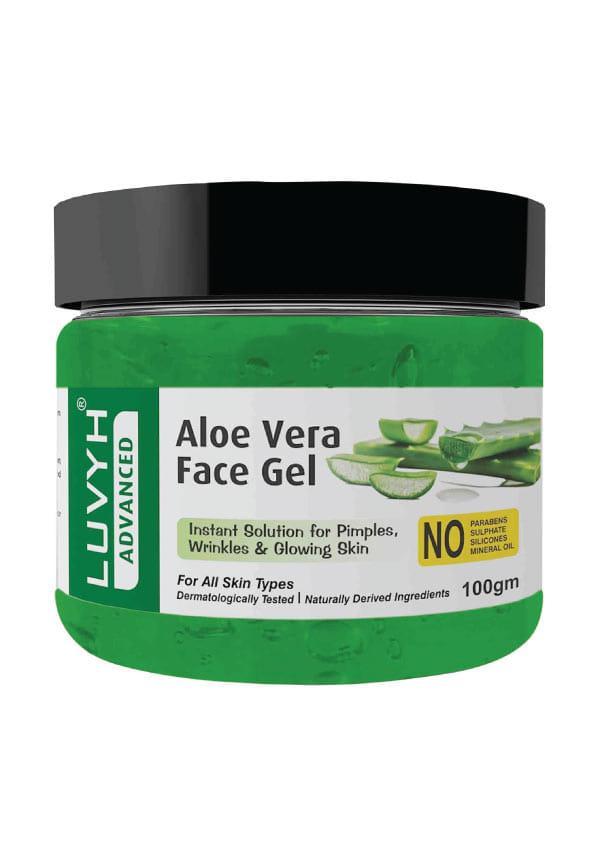
Aloe Vera Multipurpose Gel for Skin and Hair
Excellent Multipurpose Gel
 4
4“Aloe Vera Multipurpose gel for skin and hair is better”
The beauty of aloe vera uses in skincare is their versatility. You're not limited to just slapping it on and hoping for the best—there are loads of clever ways to incorporate this wonder ingredient into your routine. From morning hydration boosts to targeted evening treatments, aloe vera can adapt to whatever your skin needs on any given day.
Use aloe vera as your lightweight morning moisturiser, especially during warmer months. It absorbs quickly and creates the perfect base for makeup. In the evening, apply a thicker layer and let it work its magic overnight. Layer it under your regular moisturiser for an extra hydration boost, or mix a few drops with your foundation for a dewy finish.
Aloe vera for acne is genuinely effective thanks to its antibacterial and anti-inflammatory properties. Apply a small amount directly to spots after cleansing. The gel helps reduce redness and speeds up healing without over-drying the area. For best results, use it twice daily on clean skin. You can mix it with a drop of tea tree oil for extra antibacterial power, but patch test first.
This is where aloe vera truly shines. Aloe vera sunburn relief is legendary for good reason. Keep your aloe vera gel in the fridge for an extra cooling effect. Apply generously to sun-exposed areas and reapply every few hours. The anti-inflammatory compounds help reduce redness and pain whilst the moisturising properties prevent peeling.
Mix aloe vera gel with a bit of water in a spray bottle for a refreshing toner. Use it after cleansing or throughout the day for a hydration boost. As a primer, apply a thin layer and let it absorb before applying makeup—it creates a smooth, hydrated base that helps makeup last longer.
Ready to get your hands dirty? DIY skin treatments with aloe vera are not only fun to make but also incredibly effective. Plus, you know exactly what's going into them—no mystery ingredients here. These treatments are perfect for those weekend pamper sessions when you want to give your skin some extra love without breaking the bank.
Mix 2 tablespoons of aloe vera gel with 1 tablespoon of honey and a few drops of jojoba oil. Apply a thick layer to clean skin before bed, avoiding the eye area. Rinse off in the morning with lukewarm water. This mask works overnight to deeply hydrate and repair your skin. The honey adds antibacterial properties whilst the oil provides extra nourishment.
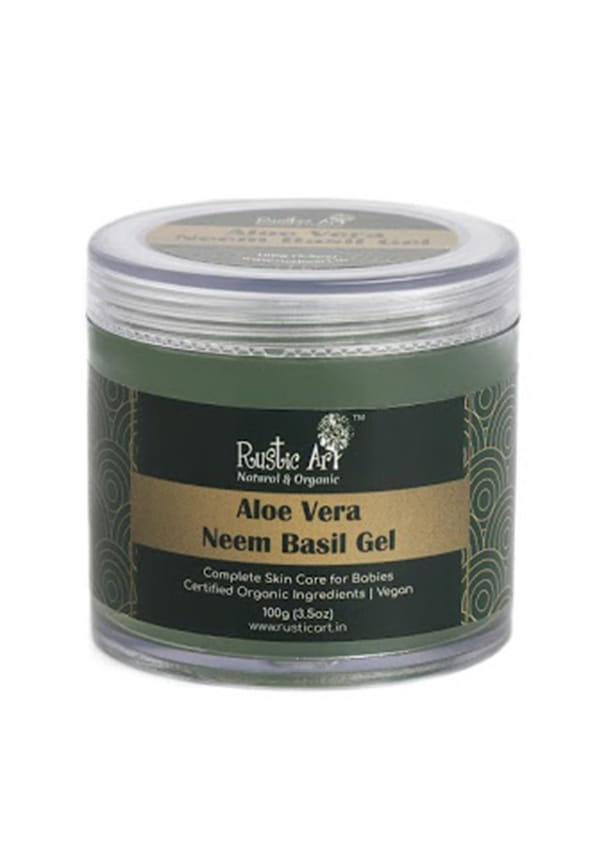
Aloe Vera Neem Basil Gel
Good for acne prone skin
5“good product for acne prone skin”
Mixed feelings about smell
4“good texture feels organic but smell is a biy weird”
Loved the Product
5“my favourite favourite product 😚🥰”
For dry skin, mix aloe vera with a few drops of rosehip oil. For oily skin, combine it with bentonite clay and a splash of witch hazel. Anti-ageing? Add vitamin E oil and a bit of green tea. The beauty of natural skin care is that you can customise everything to your skin's specific needs. Start with small batches and adjust the ratios based on how your skin responds.
Whilst aloe vera is generally safe for most people, it's always smart to be cautious with new skincare ingredients. A little preparation goes a long way in avoiding any unwanted reactions. Remember, even natural ingredients can cause sensitivity in some people, so don't skip the safety steps.
Before using aloe vera on your face, do a patch test on your inner wrist or behind your ear. Apply a small amount and wait 24-48 hours to see if any redness, itching, or irritation develops. If you're using fresh aloe vera, be extra careful as the concentration of active compounds can vary.
Some people may experience mild irritation, especially with fresh aloe vera. If you notice any burning, excessive redness, or rash, discontinue use immediately. Pregnant and breastfeeding women should consult their healthcare provider before using aloe vera products. Always use pure aloe vera gel and avoid products with added alcohol or harsh chemicals that might cause irritation.
Getting the most out of your aloe vera skin care routine is all about consistency and smart application. These pro tips will help you level up your results and avoid common mistakes. Think of these as the insider secrets that turn good skincare routines into great ones.
For general skincare, using aloe vera twice daily is perfect. However, for specific concerns like acne or sunburn, you might need more frequent application. Listen to your skin—if it feels tight or irritated, reduce frequency. Apply aloe vera to slightly damp skin for better absorption, and always follow with SPF during the day.
Aloe vera plays well with most soothing skin remedies like chamomile, cucumber, and oatmeal. Avoid mixing it with strong acids like glycolic acid or retinoids without proper guidance, as this might cause irritation. When trying new combinations, introduce one new ingredient at a time to monitor how your skin reacts.
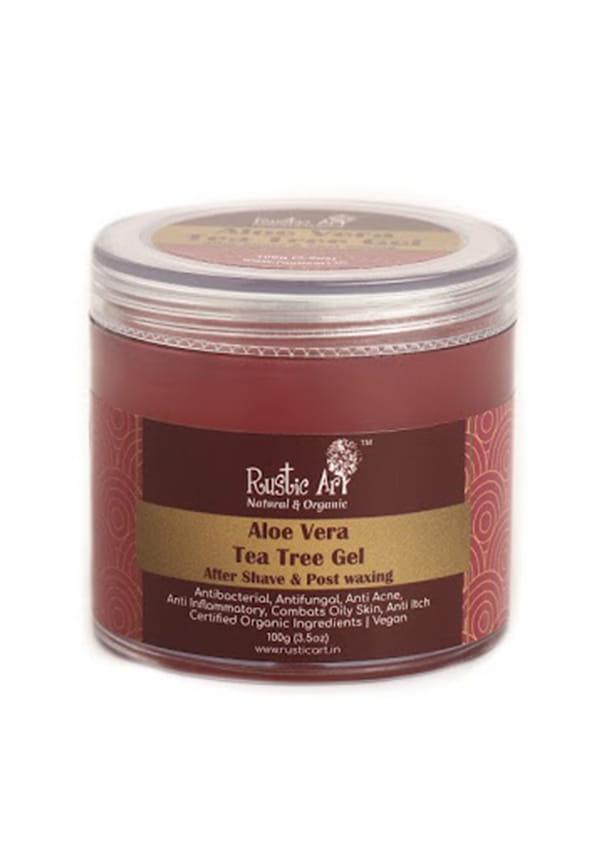
Aloe Vera Tea Tree Gel
Learning how to use aloe vera for skin properly can genuinely transform your skincare routine. This versatile, gentle ingredient offers benefits for every skin type and concern, from daily hydration to targeted acne treatment. The best part? It's accessible, affordable, and backed by both science and centuries of traditional use. Whether you're dealing with sun damage, looking for natural anti-ageing solutions, or simply want to add more gentle, effective ingredients to your routine, aloe vera delivers results without the drama. Remember to start slowly, patch test new applications, and listen to your skin's needs. For those looking to explore quality aloe vera products alongside other natural skincare options, platforms like Smytten make it easy to discover and try products from trusted brands before committing to full sizes. With over 1,500 brands available and the ability to try up to 8 minis for just ₹249, you can experiment with different aloe vera formulations and find what works best for your unique skin needs. After all, why settle for maybe when you can try it all?
Yes, aloe vera is gentle enough for daily use on most skin types. Start with once daily and gradually increase to twice daily if your skin tolerates it well. Always patch test first if you're new to using aloe vera.
Cleanse your skin first, then apply a thin layer of aloe vera gel using gentle upward strokes. Let it absorb for 10-15 minutes before applying other products. For best results, apply to slightly damp skin.
Pure aloe vera gel can be applied directly to skin for most people. However, if you have sensitive skin or are using fresh aloe vera, you might want to dilute it slightly with water or mix it with a gentle carrier oil.
Most people can safely leave aloe vera on overnight. Potential side effects include mild irritation, redness, or allergic reactions in sensitive individuals. If you experience any discomfort, remove immediately and discontinue use.
Aloe vera can be left on indefinitely as it's gentle and non-comedogenic. For treatments, 15-20 minutes is sufficient, but for daily moisturising, you can leave it on until your next cleansing routine.
Topical aloe vera is generally considered safe during pregnancy, but it's always best to consult with your healthcare provider before introducing new skincare ingredients during pregnancy or breastfeeding.
