How to Unlock Creative Self-Care for Wellness



Everyday Well-Being Massage Oil
Let's be real—traditional self-care can feel a bit predictable sometimes. Face masks, bubble baths, and meditation apps are lovely, but what if your soul craves something more? Enter creative self-care ideas that go beyond the basics to truly nourish your mind, body, and spirit. Creative wellness isn't just about making pretty things; it's about discovering new ways to connect with yourself, process emotions, and find joy in the everyday. Whether you're dealing with stress, seeking personal growth activities, or simply want to shake up your routine, creative approaches to self-care might just become your new obsession.
Creative self-care goes way beyond your typical relaxation techniques. It's about using artistic expression, imagination, and hands-on activities as powerful tools for emotional wellbeing and stress relief methods. Think of it as self-care with a creative twist—where the process of making, creating, or expressing becomes the healing itself.
The science behind creative wellness is pretty fascinating. When we engage in creative activities, our brains release dopamine and endorphins—those feel-good chemicals that naturally boost our mood. Unlike passive relaxation techniques, creative self-care activities actively engage multiple parts of your brain, creating new neural pathways and promoting mental flexibility.
What makes creative wellness different from traditional self-care? It's the element of expression and discovery. While a warm bath might relax your body, painting your emotions or writing poetry processes them. Creative self-care becomes a form of self-compassion practices where you're not just caring for yourself—you're also getting to know yourself better.
Art therapy research shows that creative expression activates the parasympathetic nervous system, which is responsible for our "rest and digest" response. When you're focused on creating something—whether it's a sketch, a song, or a story—your stress hormones naturally decrease.
The beauty of creative wellness lies in its ability to engage neuroplasticity. Every time you try a new creative activity, you're literally rewiring your brain for resilience and adaptability. This makes creative self-care particularly powerful for personal growth activities.
Art therapy isn't just for professional settings—you can absolutely explore therapeutic creative practices at home. The key is understanding that there's no "right" way to create; it's all about the process, not the product.
Therapeutic drawing and painting techniques can be incredibly powerful for emotional wellbeing. Try emotion mapping through colours—grab some paints or coloured pencils and let your feelings guide your colour choices. Feeling anxious? Maybe that translates to sharp, jagged lines in cool blues. Feeling joyful? Perhaps warm yellows and flowing curves capture that energy.
Abstract expression offers another brilliant stress relief method. You don't need to draw anything recognisable—just let your hand move across the paper while you focus on whatever emotions you're processing. Mandala creation combines art with mindfulness exercises, as the repetitive patterns naturally calm your mind.
Creative writing and journaling practices offer incredible outlets for emotional processing. Stream-of-consciousness writing involves setting a timer for 10-15 minutes and writing whatever comes to mind without stopping or editing. It's like meditation for your thoughts.
Gratitude journaling gets a creative upgrade when you add artistic elements—doodle around your entries, use different coloured pens for different moods, or create visual representations of what you're grateful for. Poetry becomes emotional release when you focus on expressing feelings rather than perfect rhymes or structure.
Music and movement therapy tap into your body's natural wisdom. Dance as a self-compassion practice means moving however feels good to you—no choreography required. Creating personal playlists for mood regulation helps you curate your emotional landscape, while singing (even badly!) releases tension and boosts endorphins.
Setting up your creative wellness space doesn't require fancy supplies. Basic materials like paper, pencils, watercolours, or even digital apps can work wonders. The key is creating a space where you feel safe to express without judgement.
Start small—dedicate just 15 minutes to creative expression and see how it feels. Remember, this is about process, not perfection. Your creations are for you, not for anyone else's approval.
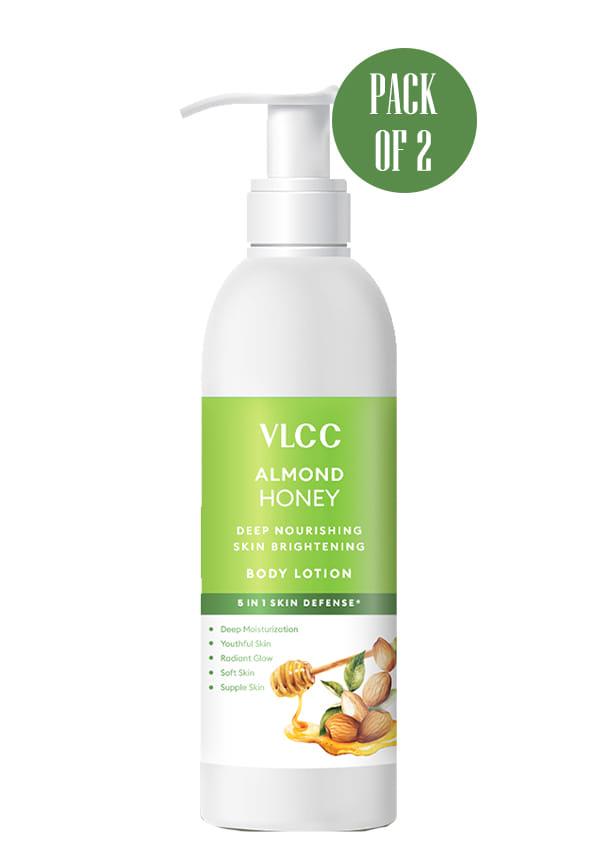
Almond Honey Deep Nourishing & Skin Brightening Body Lotion Buy One Get One
Effective and Budget-friendly
 5
5“Effective and budget friendly.”
Positive VLCC Review
5“VLCC always No 1 products and I am use since 15year”
Long-term love for product
5“Love this product from Vlcc using from years”
Creative activities naturally lend themselves to mindfulness because they require present-moment awareness. When you're fully absorbed in creating something, you're practicing mindfulness without even realising it.
Meditative crafting and hands-on projects offer wonderful stress relief methods. Knitting and crocheting create rhythmic, repetitive motions that calm anxiety—it's like meditation with your hands. The focus required naturally quiets racing thoughts.
Pottery and clay work provide incredible grounding experiences. There's something deeply satisfying about working with your hands and feeling the clay respond to your touch. Origami combines focus and concentration with the satisfaction of creating something beautiful from simple materials.
Nature-based creative self-care ideas connect you with the natural world while nurturing creativity. Garden journaling involves documenting your plants' growth, sketching leaves, or writing about your connection to nature. Nature photography becomes a mindfulness practice when you slow down to really observe your surroundings.
Collecting and arranging natural materials—shells, leaves, stones—creates beautiful displays while encouraging you to notice the small wonders around you. It's holistic self-care that feeds both your creative spirit and your connection to the earth.
Cooking and baking as creative meditation transforms necessary tasks into self-care activities. Mindful meal preparation involves paying attention to textures, smells, and colours as you cook. Decorative food presentation turns eating into an artistic experience, while experimenting with new flavours engages your creativity and curiosity.
Quick doodling techniques can fit into any schedule—keep a small notebook handy and sketch whatever catches your eye. Breathing exercises with visual elements involve drawing your breath patterns or visualising colours as you inhale and exhale.
Mini creative challenges, like writing a six-word story or taking three photos that capture your mood, make creative wellness accessible even on the busiest days.
Technology opens up incredible possibilities for creative wellness. Digital art and design apps make creativity accessible anywhere—you can sketch on your phone during lunch breaks or create digital collages that reflect your goals and dreams.
Technology-enhanced creative wellness includes joining online creative communities where you can share your work and connect with like-minded people. Virtual museum tours and art appreciation sessions feed your creative soul when you can't visit galleries in person.
Social media as creative outlet can be surprisingly therapeutic when used intentionally. Photography projects and storytelling through posts become ways to document your journey and share your perspective. Creating inspirational content helps you process your own experiences while potentially helping others.
Building supportive creative networks online provides accountability and encouragement for your creative self-care practice. Just like how Smytten connects you with products worth trying, these communities connect you with people who understand the value of creative expression.
Hybrid approaches combining digital and analog offer the best of both worlds. Digital journaling with hand-drawn elements lets you combine convenience with tactile satisfaction. Online tutorials for offline crafts expand your skills while keeping the hands-on benefits of physical creation.
Creating a sustainable creative self-care practice starts with understanding yourself. Just like discovering your perfect skincare routine through trial and exploration, finding your ideal creative wellness activities takes some experimentation.

Vitamin C Daily Multi-Action Skin Awakening & Brightening Face Wash Vitamin C + Niacinamide
Assessment: Identifying your creative preferences involves paying attention to what naturally draws you. Are you more visual or auditory? Do you prefer working with your hands or expressing through words? Consider your personality—introverts might gravitate towards solo creative activities like journaling, while extroverts might enjoy group art projects or sharing their creations.
Time availability and resource considerations matter too. If you only have 10 minutes a day, focus on quick creative bursts. If you have weekend afternoons free, you can dive into more involved projects. Your mental health goals should guide your choices—if you're dealing with anxiety, rhythmic activities like knitting might help. If you're processing grief, expressive writing or painting might be more beneficial.
Creating sustainable holistic self-care practices means building creativity into your routine rather than treating it as an occasional treat. Weekly creative self-care planning might include designating specific days for different activities—Music Mondays, Writing Wednesdays, or Artsy Sundays.
Seasonal activity rotation keeps things fresh and connects you with natural rhythms. Spring might be perfect for garden journaling, while winter evenings are ideal for cosy crafting sessions. Combining creative activities with other wellness practices—like mindful cooking or walking meditation with photography—maximises the benefits.
Overcoming common barriers starts with shifting the "I'm not creative" mindset. Creativity isn't about talent; it's about expression and exploration. Everyone has creativity within them—it just needs the right outlet to flourish.
Monday mornings might start with gratitude journaling with doodles. Wednesday evenings could be for trying new recipes mindfully. Saturday afternoons might be perfect for longer creative projects like painting or crafting.
Adapt routines for different lifestyles—busy professionals might prefer quick morning sketches, while students might enjoy evening creative writing sessions. Track your progress through photos of your creations or notes about how different activities make you feel.
Creative self-care ideas at home transform your living space into a wellness sanctuary. Living room transformation projects might involve creating mood boards, rearranging furniture mindfully, or setting up a cosy reading nook with handmade cushions.
Kitchen creativity extends beyond cooking to include herb gardening on windowsills, creating beautiful spice jar labels, or experimenting with food photography. Bedroom sanctuary creation might involve making dream catchers, creating calming colour schemes, or crafting personalised aromatherapy blends.
Creative self-care ideas for adults with busy schedules focus on integration rather than addition. Lunch break creative activities might include quick sketching in a nearby park, writing haikus about your day, or taking artistic photos of your surroundings.
Commute-friendly creative practices include listening to inspiring podcasts, mentally composing stories, or practising mindful observation of your environment. Weekend intensive creative sessions allow for deeper dives into projects that require more time and focus.
Creative self-care for different mental health needs recognises that different approaches work for different challenges. Anxiety-reducing creative activities often involve repetitive, rhythmic motions like knitting, colouring, or playing simple instruments.
Depression-lifting artistic practices might include bright colour work, uplifting music creation, or collaborative art projects that foster connection. ADHD-friendly creative outlets often work best with shorter bursts of activity, varied materials, and flexible structures.
Tracking emotional wellbeing improvements helps you understand which creative self-care activities serve you best. Mood journaling with creative elements—using colours, symbols, or drawings to represent your feelings—provides rich data about your emotional patterns.
Before/after mental health assessments can be as simple as rating your stress levels before and after creative sessions. Sleep and energy level monitoring often shows improvements as creative self-care reduces stress and increases life satisfaction.

Teen Multivitamin Tablets - Daily Vitamins for Teenagers - Boost Energy & Immunity
Great Value Product
5“good quality product... affordable”
Building long-term personal growth through creativity involves documenting your journey. Skill development tracking shows how your abilities grow over time, while creative portfolio building creates a visual record of your emotional and artistic evolution.
Community engagement and sharing—whether online or in person—adds accountability and connection to your practice. Just as Smytten helps you discover products that truly work for you, sharing your creative journey helps you discover which practices truly serve your wellbeing.
When to seek additional support is important to recognise. Creative self-care is powerful, but it's not a replacement for professional mental health care when needed. Integrating professional therapy with creative practices often provides the most comprehensive support.
Start with simple activities like gratitude journaling with doodles, taking daily photos that capture your mood, trying adult colouring books, dancing to your favourite songs, or experimenting with new recipes. The key is choosing activities that feel enjoyable rather than overwhelming.
Use materials you already have—paper and pencils for drawing, your phone for photography, free online tutorials for learning new skills, or natural materials for crafting. Many creative self-care activities like writing, singing, or dancing require no special equipment at all.
Creative self-care is something you can do independently for wellness and stress relief, while art therapy involves working with a trained therapist. Both use creative expression for healing, but art therapy provides professional guidance for processing deeper emotional issues.
Even 10-15 minutes of creative expression several times a week can make a difference. The key is consistency rather than duration. Find a rhythm that works for your schedule and gradually build from there.
Creative activities can be wonderful complementary practices for managing anxiety and depression symptoms. They provide healthy outlets for emotions, boost mood through the release of endorphins, and offer a sense of accomplishment. However, they should supplement, not replace, professional mental health care when needed.
Creative self-care ideas offer a refreshing alternative to traditional wellness routines, providing both immediate stress relief and long-term personal growth opportunities. Whether you're drawn to art therapy techniques, mindfulness exercises through crafting, or digital creative outlets, the key is finding activities that resonate with your unique personality and lifestyle.
Remember, creative wellness isn't about creating masterpieces—it's about the process of expression, discovery, and self-compassion. Just as Smytten believes you should never have to settle for products that don't truly serve you, your creative self-care practice should evolve to meet your changing needs and interests. With over 25 million users discovering products that work for them through trial and exploration, Smytten understands the power of experimentation in finding what truly fits your life.
Start small, be patient with yourself, and remember that every creative moment is an investment in your emotional wellbeing. Your future self will thank you for taking the time to nurture your creativity and discover new ways to care for your mind, body, and spirit. After all, why settle for ordinary self-care when you can explore the endless possibilities of creative wellness?
