How to Understand Iron Supplements for Women's Wellness

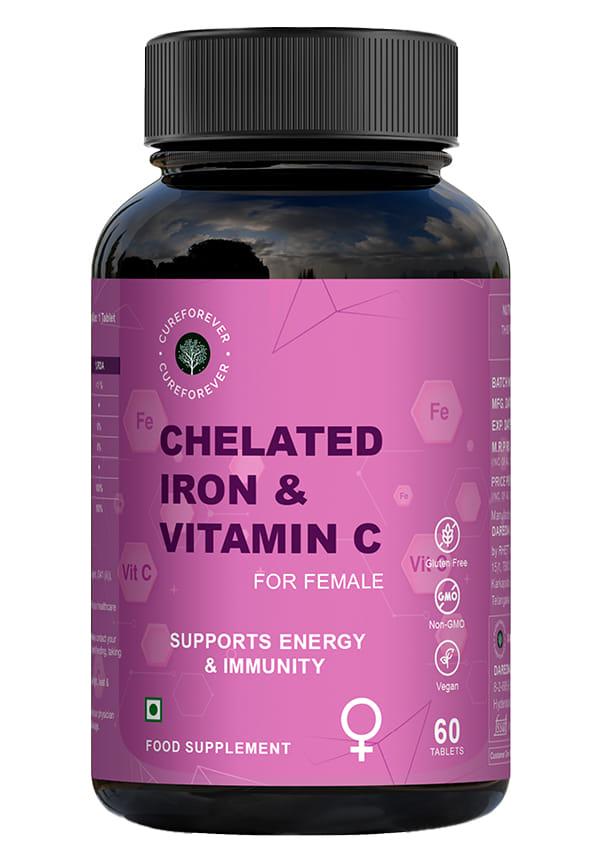
Women Chelated Iron with Vitamin C
Iron deficiency affects nearly 50% of women worldwide, making understanding iron supplements for women for wellness absolutely crucial for optimal health. Whether you're dealing with heavy periods, pregnancy, or just feeling constantly drained, iron could be the missing piece in your wellness puzzle. While many women know they need iron, the world of supplements can feel overwhelming—from different types and dosages to absorption tips and timing. That's where platforms like Smytten come in handy, offering trial-sized wellness products that let you explore what works for your body before committing to full-size purchases. Let's dive into everything you need to know about iron supplements, so you can make informed choices about your health and energy levels.
Women need more iron due to menstruation, pregnancy, and growth spurts, making iron deficiency in women incredibly common
Signs of low iron include fatigue, pale skin, brittle nails, and cold hands—often mistaken for just being "busy"
The best iron supplements for women vary by type (ferrous sulfate vs. gluconate) and individual absorption needs
Iron absorption tips include taking supplements with vitamin C, avoiding calcium and coffee, and timing matters
Natural iron sources should complement, not replace, supplements when deficiency is diagnosed
Real talk—women's bodies are basically iron-burning machines. Between monthly periods, pregnancies, and growth spurts during teenage years, we're constantly losing iron faster than we can replace it through diet alone. This isn't just about feeling a bit tired; iron deficiency in women can seriously impact everything from your energy levels to your immune system.
Every month, women lose roughly 15-20mg of iron through menstruation. That might not sound like much, but when you consider that we only absorb about 10% of the iron we eat, it adds up quickly. Pregnancy cranks up iron needs even more—your body needs to support both you and your growing baby, plus create extra blood volume.
The signs of low iron often get brushed off as "just life," but your body's actually trying to tell you something important. Here's what to watch for:
Constant fatigue that doesn't improve with rest
Pale skin, lips, or inner eyelids that look noticeably lighter
Brittle or spoon-shaped nails that break easily
Restless leg syndrome that keeps you up at night
Cold hands and feet even in warm weather
Unusual cravings for ice, starch, or non-food items
Here's something that trips up loads of people—iron deficiency and anemia in women aren't the same thing. Iron deficiency happens first, when your iron stores start running low. Anemia is the more serious stage where your body can't make enough healthy red blood cells. Think of iron deficiency as the warning light, and anemia as when your car actually breaks down.
The benefits of iron supplements go way beyond just "not feeling tired." When your iron levels are optimised, your entire body functions better. Let's break down exactly how iron for female health makes a real difference in your daily life.
Iron and energy levels are directly connected because iron helps carry oxygen to every cell in your body. When you're iron-deficient, it's like trying to breathe through a straw—everything becomes harder work. Proper iron levels mean better oxygen delivery, which translates to sustained energy throughout the day rather than that 3pm crash.
Your brain is an oxygen-hungry organ, using about 20% of your body's total oxygen supply. When iron levels drop, brain fog becomes real. Studies show that iron supplementation can improve concentration, memory, and overall cognitive performance in women with deficiency.
Iron plays a crucial role in immune cell function. When you're deficient, you're more likely to catch every bug going around. Adequate iron levels help your immune system respond properly to infections and heal faster when you do get sick.
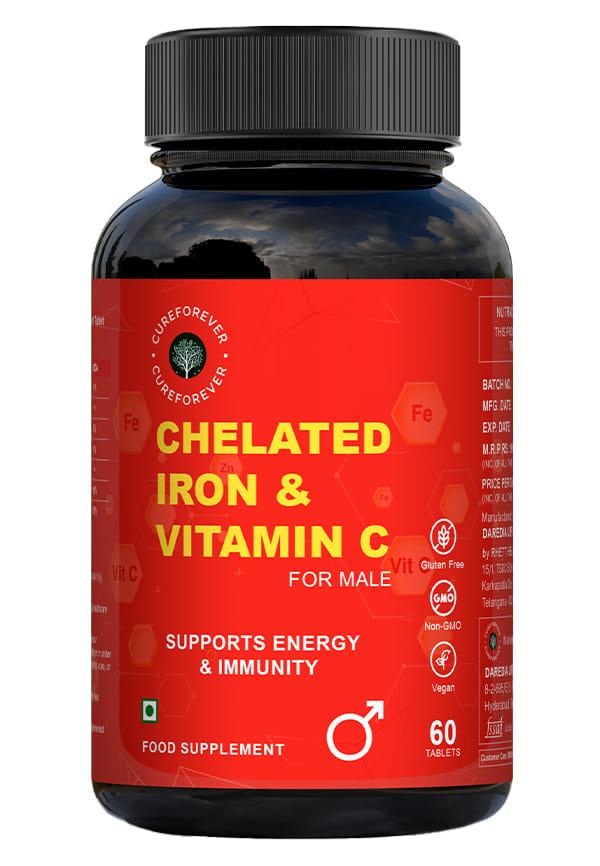
Chelated Iron with Vitamin C for Men
For women of reproductive age, iron affects everything from menstrual regularity to fertility. Low iron can make periods heavier and more painful, creating a vicious cycle. Proper iron levels support healthy hormone production and can even improve pregnancy outcomes.
Not all iron supplements are created equal, and finding the best iron supplements for women means understanding the different types available. The iron dosage for women also varies based on age, health status, and individual needs.
Ferrous sulfate is the most common and cost-effective option, containing about 20% elemental iron. However, it's also the most likely to cause stomach upset. Ferrous gluconate is gentler on the stomach but contains less elemental iron (about 12%), so you might need a higher dose.
Chelated iron is bound to amino acids, making it easier to absorb and less likely to cause digestive issues. Lactoferrin is a newer option that's particularly gentle and well-absorbed. These forms cost more but might be worth it if you struggle with traditional iron supplements.
The recommended daily iron intake varies significantly:
Ages 14-18: 15mg daily
Ages 19-50: 18mg daily
Pregnant women: 27mg daily
Ages 51+: 8mg daily
When shopping for iron supplements, look for the amount of elemental iron, not the total compound weight. Third-party testing certifications are also crucial for ensuring you're getting what the label promises. Avoid supplements with unnecessary fillers or artificial colours.
Taking iron supplements is only half the battle—iron absorption tips can make the difference between supplements that work and money down the drain. Your body's pretty picky about when and how it absorbs iron, so timing and combinations matter.
Iron absorbs best on an empty stomach, ideally first thing in the morning or between meals. However, if you experience nausea or stomach upset, taking it with a small amount of food is better than not taking it at all. Just avoid dairy, whole grains, or anything high in calcium.
Vitamin C is iron's best friend—it can increase absorption by up to 300%. Try taking your supplement with orange juice, or eat vitamin C-rich foods like strawberries, bell peppers, or tomatoes. Heme iron from meat sources also enhances the absorption of non-heme iron from supplements.
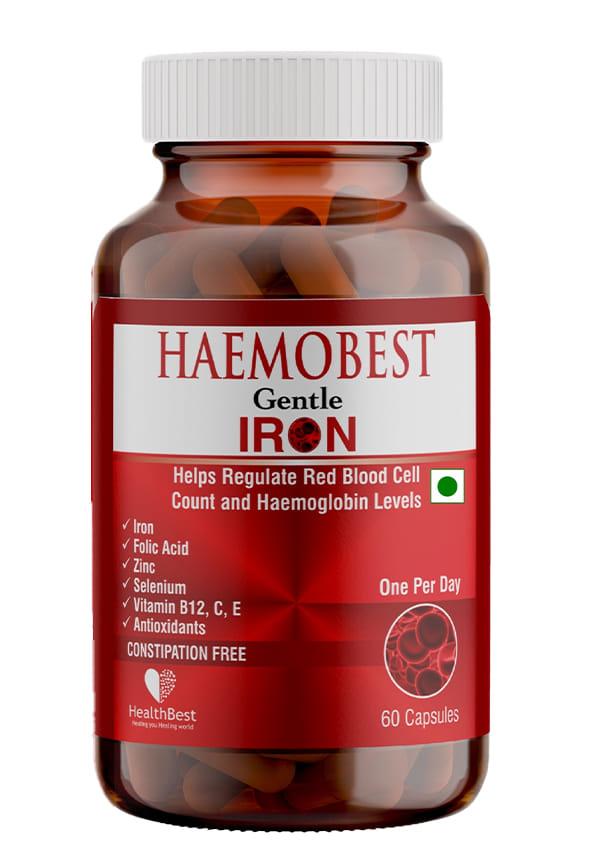
Haemobest Iron Supplement for Hemoglobin Support, Energy & Immunity, Men & Women
These are iron's enemies and can block absorption significantly:
Calcium supplements or dairy products
Coffee and tea (wait at least 2 hours)
Whole grain cereals high in phytates
Antacids that reduce stomach acid
Stomach upset is the most common complaint with iron supplements. Start with a lower dose and gradually increase, take with a small amount of food if needed, and consider switching to a gentler form like ferrous gluconate or chelated iron if problems persist.
While supplements are often necessary for treating deficiency, natural iron sources should form the foundation of your iron intake strategy. Understanding the difference between food sources and supplements helps you create a comprehensive approach to maintaining healthy iron levels.
The best natural iron sources include both heme and non-heme options:
Heme iron sources: Red meat, chicken liver, sardines, oysters
Non-heme iron sources: Spinach, lentils, chickpeas, dark chocolate, quinoa
Fortified foods: Iron-fortified cereals and breads
Heme iron from animal sources is absorbed much more efficiently (15-35%) compared to non-heme iron from plants (2-20%). However, non-heme iron absorption can be significantly improved by combining it with vitamin C or heme iron sources in the same meal.
Even with a perfect diet, some women struggle to maintain adequate iron levels due to heavy periods, pregnancy, or absorption issues. Blood tests showing ferritin levels below 30 ng/mL often indicate the need for supplementation alongside dietary improvements.
When taking iron supplements, continue eating iron-rich foods but be mindful of total intake. Most women can safely consume up to 45mg of elemental iron daily from all sources combined, but it's best to work with a healthcare provider to determine your optimal intake.
While iron supplements are generally safe when used appropriately, there are important safety considerations every woman should understand. Too much iron can be just as problematic as too little, so following proper guidelines is essential.
Always get your iron levels tested before starting supplements. Conditions like hemochromatosis (iron overload) can make supplementation dangerous. Also, certain medications and health conditions can affect how your body processes iron, so medical guidance is crucial.
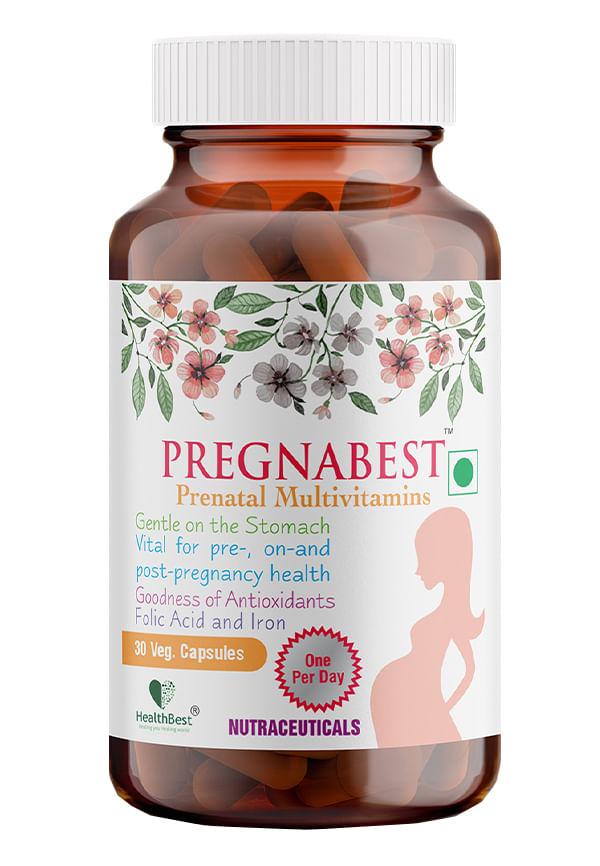
Pregnabest Prenatal Multivitamins for Women – Folic Acid, Iron, Zinc, Vitamin D3
Common side effects include constipation, nausea, and stomach upset. To minimise these issues, start with a lower dose, take supplements with food if necessary, increase fibre intake, and stay well-hydrated. Dark-coloured stools are normal and not a cause for concern.
Iron overdose is serious and can be life-threatening. Signs include severe stomach pain, vomiting, diarrhoea, and lethargy. Keep supplements away from children, never exceed recommended doses, and seek immediate medical attention if overdose is suspected.
See a doctor if you experience persistent fatigue despite supplementation, have symptoms of iron overload, or if your iron levels don't improve after 3-6 months of appropriate supplementation. Regular monitoring through blood tests is important for safe, effective treatment.
Most women start feeling more energetic within 2-4 weeks of consistent supplementation, but it can take 3-6 months to fully replenish iron stores. Blood tests typically show improvement in 4-8 weeks.
Yes, iron supplements are often recommended during pregnancy due to increased needs. However, always consult your healthcare provider for appropriate dosing, as pregnancy requirements are higher than normal.
Liquid iron may be absorbed slightly better and cause less constipation, but it can stain teeth and has a metallic taste. Tablets are more convenient and stable. Both are effective when taken properly.
Blood tests measuring ferritin, hemoglobin, and iron saturation are the most accurate way to track improvement. You might also notice increased energy, better sleep, and improved exercise tolerance as levels normalise.
Smytten offers trial-sized wellness products from trusted brands, allowing you to explore different supplement options before committing to full-size purchases. This trial approach helps you find what works best for your body and budget.
Understanding iron supplements for women for wellness isn't just about popping a pill—it's about creating a comprehensive approach to maintaining optimal iron levels. Start with blood tests to confirm deficiency, choose the right type of supplement for your needs, and optimise absorption through proper timing and food combinations. Remember that natural iron sources should complement, not replace, medical treatment when deficiency is diagnosed. Most importantly, work with healthcare providers to monitor your progress and adjust your approach as needed. Iron supplementation can be life-changing when done correctly, transforming energy levels and overall health.
Smytten is India's largest product discovery and trial platform, connecting consumers with top lifestyle, beauty, wellness, and grooming brands. At its core, Smytten offers curated trial packs from over 1,500 trusted brands, letting users explore wellness products before committing to full-size purchases. Each mini is linked with Trial Points, and users can get up to 8 minis for just ₹249. Plus, Smytten offers 100% cashback on the purchase of these minis, making product discovery both affordable and rewarding. When exploring iron supplements and other wellness products, why settle for guesswork when you can try before you buy? With authentic brand-verified minis available on Smytten and PAN-India delivery, finding the right wellness solutions has never been easier. After all, why settle for 'maybe' when you can #TryItAll!
