How to Take Multivitamin Tablets for Maximum Benefits


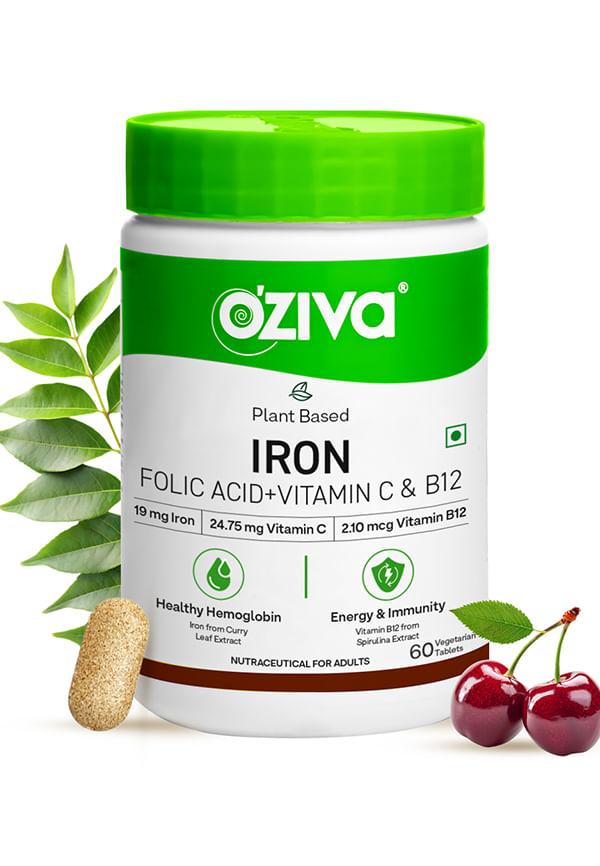
OZiva Iron & Folic Acid Tablet
Let's be real—taking multivitamins feels like the adult thing to do, but are you actually getting the most out of them? If you're popping that daily tablet without much thought about timing or technique, you might be missing out on some serious multivitamin benefits. The truth is, knowing when to take multivitamin tablets can make all the difference between feeling energised and wondering if your vitamins are just expensive urine. Whether you're trying to fill nutritional gaps or boost your energy levels, getting the timing right is your secret weapon for maximum absorption and results.
Here's the thing about vitamin timing—it's not just about remembering to take them. Your body has its own schedule for absorbing nutrients, and working with it (not against it) can seriously boost how well your vitamins work. The best time to take vitamins isn't a one-size-fits-all answer, but there are some solid guidelines that can help you nail your routine.
Morning wins the timing game for most people, and there's actual science behind this. Your digestive system is fresh and ready to work after a night's rest, plus taking vitamins in the morning means you're less likely to forget them. Building a consistent daily vitamin routine around breakfast also helps your body establish a rhythm for nutrient absorption.
Evening intake can work too, but watch out for B vitamins—they're notorious for giving some people an energy boost that might mess with sleep. If you're someone who gets energised by vitamins for energy, definitely stick to morning timing.
Real talk: taking vitamins on empty stomach might sound efficient, but it's often a recipe for nausea. Most multivitamins contain fat-soluble vitamins (A, D, E, and K) that need some dietary fat to be properly absorbed. Taking your vitamins about 30 minutes after a meal that includes healthy fats gives you the best of both worlds—good absorption without the stomach upset.
Water-soluble vitamins like vitamin C and B-complex can handle an empty stomach better, but why risk the queasiness when taking them with food works just as well?
If you're hitting the gym regularly, timing becomes even more important. Taking your multivitamin about an hour before your workout can help ensure your body has the nutrients it needs for energy production. Post-workout timing works too, especially if your multivitamin includes minerals that support muscle recovery.
Just avoid taking them immediately before intense exercise—nobody wants to deal with stomach discomfort mid-squat.
Not all multivitamins are created equal, and understanding what you're actually taking is crucial for getting the results you want. The world of types of multivitamins can feel overwhelming, but breaking it down makes choosing (and using) them so much easier.
Those percentages on vitamin labels? They're based on daily values for average adults, but your needs might be different. Look for multivitamins that provide 100% or close to it for most vitamins, but don't stress if some nutrients are higher—your body usually handles water-soluble vitamin excess pretty well.

OZiva Calcium, Magnesium, Zinc
Effective with Regular Use
 5
5“it's effective if you use regularly.”
Effective & Recommended
5“it is really work...you must try”
Age and gender-specific formulations exist for good reasons. Women's formulas often include more iron and folate, while men's versions typically have less iron since men need less of it.
Gummies might taste better, but tablets and capsules often pack more nutrients per serving. If you struggle with swallowing pills, gummies are definitely better than skipping vitamins altogether. Liquid multivitamins can be great for absorption, but they're often pricier and less convenient for travel.
Specialised formulations target specific needs—prenatal vitamins for pregnancy, senior formulas for older adults, or high-potency versions for people with specific deficiencies.
Getting your vitamins into your system is one thing, but making sure your body actually uses them effectively is where the magic happens. Multivitamin absorption depends on several factors you can actually control, and small tweaks to your routine can make a big difference.
Pairing your multivitamin with the right foods can seriously boost absorption. Vitamin C helps your body absorb iron better, so taking your multivitamin with citrus fruits or bell peppers is a smart move. Healthy fats from sources like avocado, nuts, or olive oil help with fat-soluble vitamin absorption.
Even something as simple as having your multivitamin with a balanced breakfast that includes protein, healthy fats, and some carbs creates an ideal environment for nutrient uptake.
Calcium can interfere with iron absorption, so if you're having a calcium-rich meal or taking calcium supplements, space them out from your multivitamin by a couple of hours. Coffee and tea can also reduce iron absorption, so maybe skip the morning cuppa right after your vitamins.
Some medications can interact with vitamins too—blood thinners and vitamin K don't play well together, for example. When in doubt, chat with your healthcare provider about timing.
Let's set realistic expectations about what multivitamins can and can't do. The benefits of multivitamins are real, but they're not magic pills that'll transform your health overnight. Think of them as nutritional insurance—filling in the gaps where your diet might fall short.
Most people notice improved energy levels within a few weeks of consistent multivitamin use, especially if they were deficient in B vitamins or iron. Your immune system gets support from vitamins C, D, and zinc, which might mean fewer sick days during cold season.

Daily Greens Wholefood Multivitamin - 30 Tablets(Pack of 2)
The biggest benefit? Peace of mind knowing you're covering your nutritional bases, even on days when your diet isn't Instagram-worthy.
Regular multivitamin use might support bone health through calcium and vitamin D, and some studies suggest potential benefits for heart health and cognitive function. The key word here is "might"—multivitamins work best as part of an overall healthy lifestyle, not as a replacement for good nutrition and exercise.
Think of them as one piece of your wellness puzzle, not the entire picture.
Even good things can sometimes cause issues, and multivitamins are no exception. Understanding potential multivitamin side effects helps you troubleshoot problems and adjust your routine for better tolerance.
Nausea is the most common complaint, usually because people take vitamins on an empty stomach or choose a formula that's too high in iron. Starting with a lower-dose multivitamin and gradually increasing can help your body adjust.
That metallic taste some people get? It's often from iron or zinc. Taking your multivitamin with food or switching to a different form (like chelated minerals) can help reduce this.
If you're taking medications, pregnant, or have health conditions, definitely chat with your doctor before starting any new supplement routine. Some vitamins can interact with medications or might not be suitable for certain health conditions.
Persistent side effects or signs of vitamin toxicity (like persistent nausea, headaches, or fatigue) warrant a professional consultation too.
Creating a sustainable vitamin routine is about finding what works for your lifestyle and sticking with it. The best multivitamin dosage and timing in the world won't help if you forget to take them half the time.
Link your vitamin routine to something you already do consistently—like having breakfast or brushing your teeth. Phone reminders work for some people, but physical cues (like keeping your vitamins next to your coffee maker) often work better long-term.

Slow Triple Magnesium Complex with Glycinate, Aquamin Citrate & Threonate - 1000 mg
Good for Migraine & Sleep
5“Very good product. Good prophylaxis for migraine and for good quality sleep”
Travel-friendly packaging or pill organisers can help maintain consistency when you're away from home.
Keep track of how you feel over the first few weeks of taking multivitamins. Energy levels, mood, and general wellbeing are good indicators that your routine is working. If you're not noticing any benefits after 6-8 weeks of consistent use, it might be time to reassess your multivitamin dosage or timing.
Remember, the goal isn't to feel dramatically different—it's to support your overall health and fill nutritional gaps.
Speaking of finding what works for you, platforms like Smytten make it easier to discover and try different wellness products before committing to full-size purchases. With trial packs from trusted brands, you can explore various multivitamin options and find your perfect match without the guesswork.
Morning is generally better for most people. B vitamins can be energising, so taking them at night might interfere with sleep. Plus, morning timing helps establish a consistent routine and ensures better absorption when paired with breakfast.
While possible, it's not recommended. Taking multivitamins with food reduces nausea and improves absorption of fat-soluble vitamins. Aim for about 30 minutes after a meal that includes some healthy fats.
Most people notice improvements in energy levels within 2-4 weeks of consistent use. However, some benefits like immune support or long-term health effects may take longer to become apparent.
Follow the manufacturer's instructions, typically one tablet daily. Most multivitamins are formulated to provide 100% of daily values for essential nutrients. Don't double up unless advised by a healthcare provider.
Yes, some vitamins can interact with medications. Vitamin K affects blood thinners, calcium can reduce antibiotic absorption, and iron may interfere with thyroid medications. Always consult your healthcare provider if you're on prescription medications.
Getting the most out of your multivitamins isn't rocket science, but it does require a bit of strategy. When to take multivitamin tablets comes down to consistency, proper timing with meals, and listening to your body's responses. The best routine is one you can stick with long-term, whether that's morning with breakfast or evening with dinner.
Remember, multivitamins work best as part of a balanced approach to health—they're nutritional insurance, not a replacement for good eating habits. Start with the basics: consistent timing, take them with food, and give your body time to adjust. If you're exploring different vitamin options, Smytten's trial packs let you discover what works for your body before committing to full-size bottles. After all, why settle for 'maybe' when you can try different formulations and find what truly supports your wellness goals?
