How to Support Weight Management with Smart Nutrition Choices



Apple Cider Vinegar with the Mother and Garcinia Cambogia , Pomegranate
Let's be real—weight management isn't about quick fixes or crash diets that leave you hangry and miserable. It's about making smart nutrition choices that actually work with your lifestyle, not against it. Think of it as building a sustainable relationship with food that supports your goals without the drama of restrictive eating. Whether you're looking to maintain your current weight or work towards a healthier range, the secret lies in understanding how nutrition truly supports weight management through balanced, mindful choices that you can stick with long-term.
Weight management is fundamentally different from rapid weight loss—it's about creating lasting habits that support your body's natural balance. While weight loss often focuses on quick results, weight management is your long-term game plan for maintaining a healthy weight through consistent, sustainable practices.
Smart nutrition choices play a crucial role because they work with your body's natural processes rather than fighting against them. Instead of drastically cutting calories or eliminating entire food groups, effective weight management focuses on nourishing your body with the right balance of nutrients while maintaining a calorie intake that supports your goals.
The beauty of this approach is that it doesn't require perfection—just consistency. Your body responds better to gradual, sustainable changes than to extreme restrictions that are impossible to maintain. This means you can still enjoy your favourite foods while making choices that support your overall wellness journey.
Research consistently shows that sustainable weight management comes down to a few key strategies that work together. These aren't trendy hacks—they're evidence-based approaches that have helped millions of people achieve their goals.
Start with SMART goals—specific, measurable, achievable, relevant, and time-bound. Instead of saying "I'll eat healthier," try "I'll include one serving of vegetables with lunch and dinner for the next two weeks." This gives you a clear target and makes success measurable.
Food tracking isn't about obsessing over every calorie—it's about awareness. Notice when you eat, what triggers your hunger, and how different foods make you feel. Many people discover they're eating more out of habit than actual hunger.
Portion control doesn't mean tiny servings that leave you unsatisfied. Use the plate method: fill half your plate with vegetables, one quarter with lean protein, and one quarter with whole grains. Your hand can also be a portion guide—a palm-sized portion of protein, a fist-sized portion of vegetables, and a thumb-sized portion of healthy fats.
Focus on nutrient-dense foods that keep you satisfied longer. Lean proteins, fibre-rich vegetables, and healthy fats work together to stabilise blood sugar and prevent those mid-afternoon energy crashes that lead to poor food choices.

Fat Burner Tablets with Green Coffee, Garcinia Cambogia, CLA, Green Tea & Caralluma
Nutrition and exercise are like best friends—they work so much better together. Regular physical activity supports your metabolism while proper nutrition fuels your workouts and recovery. You don't need to become a fitness fanatic; even a 30-minute daily walk can make a significant difference when combined with smart eating habits.
The right foods can be your biggest allies in weight management. These aren't "diet foods"—they're delicious, satisfying options that naturally support your goals through their nutritional profiles.
Protein is your metabolism's best friend. It requires more energy to digest than carbs or fats, and it helps preserve muscle mass during weight management. Think grilled chicken, fish, eggs, Greek yoghurt, and legumes. These foods keep you fuller for longer and support your body's natural fat-burning processes.
Fibre is like nature's appetite suppressant. Foods high in fibre—like vegetables, fruits, whole grains, and beans—help you feel full while providing essential nutrients. They also slow down digestion, which helps stabilise blood sugar levels and prevents energy crashes.
Don't fear fats—embrace the right ones. Avocados, nuts, seeds, and olive oil support hormone production and help your body absorb fat-soluble vitamins. They also add flavour and satisfaction to meals, making your healthy eating plan more enjoyable and sustainable.
Water-rich foods like cucumbers, watermelon, and leafy greens help with hydration while adding volume to meals without excess calories. Green tea, herbal teas, and infused water can also support your weight management goals while keeping you hydrated throughout the day.
A good meal plan isn't about restriction—it's about preparation and balance. When you plan ahead, you're less likely to make impulsive food choices that don't align with your goals.

Nutritional Meal Women for Weight Management, Meal Replacement Shake, Chocolate
Focus on calorie control without obsessive calorie counting. Aim for balanced meals that include protein, healthy carbs, and vegetables. Prep ingredients on weekends so healthy choices are always within reach during busy weekdays.
Start your day with protein-rich breakfasts like Greek yoghurt with berries or scrambled eggs with vegetables. For lunch, try salads with grilled protein or vegetable-packed soups. Dinners can include baked fish with roasted vegetables or lean meat with quinoa and steamed greens. Keep healthy snacks like nuts, fruits, or vegetable sticks handy for between meals.
Whether you're vegetarian, gluten-free, or cooking for a family, the principles remain the same. Focus on whole foods, balanced nutrition, and portion awareness. Plant-based proteins like lentils and tofu work just as well as animal proteins for weight management.
Successful weight management extends beyond what's on your plate. Your lifestyle habits, sleep quality, and stress levels all play crucial roles in supporting your goals.
Quality sleep is essential for weight management—poor sleep disrupts hormones that control hunger and satiety. Stress management is equally important, as chronic stress can lead to emotional eating and weight gain. Simple practices like meditation, deep breathing, or regular walks can make a significant difference.
You don't need a gym membership to support weight management through movement. Home workouts, dancing, gardening, or playing with your kids all count as physical activity. The key is finding activities you enjoy so they become a natural part of your routine rather than a chore.
Having support makes everything easier. This might include family members who encourage your healthy choices, friends who join you for walks, or online communities where you can share experiences and tips. Professional support from nutritionists or personal trainers can also be valuable if it fits your budget.
The most effective weight management strategies are those that feel natural and sustainable. Extreme approaches might show quick results, but they're rarely maintainable long-term.
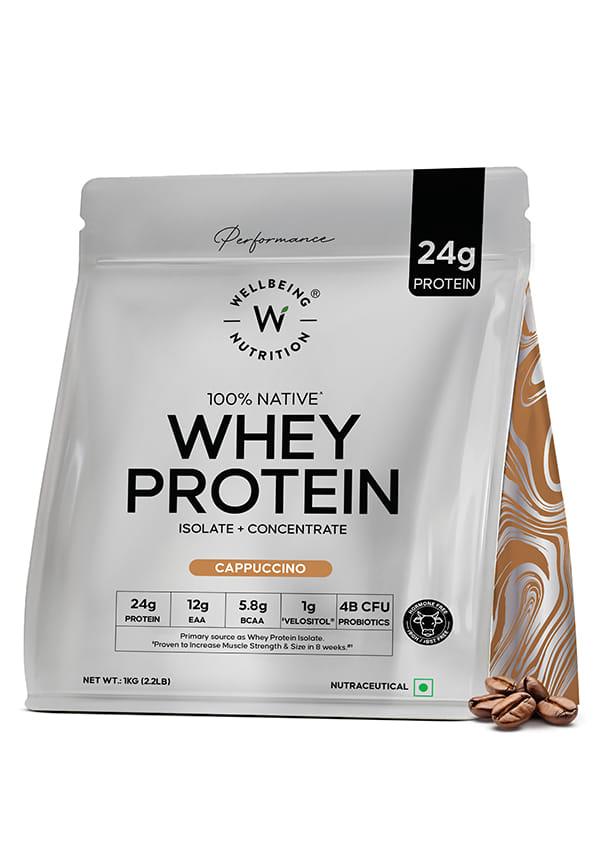
Whey Protein Isolate + Concentrate (Cappuccino)
Whole foods—those that are minimally processed—naturally support weight management because they're more satisfying and nutrient-dense than processed alternatives. Make gradual changes rather than overhauling your entire diet overnight. This approach is more likely to stick and becomes part of your lifestyle rather than a temporary fix.
Weight plateaus are normal and don't mean you're failing. Sometimes your body needs time to adjust to changes. Cravings and emotional eating can be managed by identifying triggers and having healthy alternatives ready. Remember that progress isn't always linear—focus on overall trends rather than daily fluctuations.
Platforms like Smytten make it easier to discover wellness products that support your healthy lifestyle journey. With curated trial packs from trusted brands, you can explore supplements, healthy snacks, and wellness products without committing to full-size purchases. This approach to discovery mirrors the smart, sustainable mindset that supports long-term weight management success.
Focus on adding nutritious foods rather than restricting everything you enjoy. Include plenty of vegetables, lean proteins, and healthy fats in your meals while allowing yourself occasional treats in moderation. The key is balance, not perfection.
Weight loss typically focuses on reducing weight quickly, often through restrictive methods. Weight management is about maintaining a healthy weight long-term through sustainable lifestyle habits that include balanced nutrition, regular physical activity, and healthy behaviours.
You might notice increased energy and better digestion within a few weeks. Visible weight changes typically occur over several months with consistent habits. Remember that sustainable changes take time, and that's actually a good thing for long-term success.
Absolutely. Effective weight management is about balance and moderation, not elimination. You can include your favourite foods as part of an overall healthy eating pattern. The key is portion awareness and making sure most of your choices support your goals.
Supporting weight management through smart nutrition choices isn't about perfection—it's about progress and consistency. The strategies that work best are those you can maintain long-term, which means finding an approach that fits your lifestyle, preferences, and goals.
Remember that everyone's journey is different. What works for your friend might not work for you, and that's perfectly normal. The key is experimenting with different approaches until you find what feels sustainable and enjoyable. Focus on nourishing your body, staying active in ways you enjoy, and building habits that support your overall wellness.
Just like how Smytten helps you discover products that truly work for you through trial and exploration, your weight management journey is about finding what genuinely supports your goals. With over 25 million users trusting Smytten's approach to smart discovery, the platform understands that the best choices are informed choices—whether you're exploring new wellness products or building sustainable nutrition habits. After all, why settle for maybe when you can find what actually works for your unique needs?
