How to Sleep Better Tonight: Simple Sleep Hygiene Tips



Chamomile Herbal Infusion, Herbal Tea for Excellent Sleep
Tossing and turning all night? You're not alone. Millions of people struggle with sleep, but the good news is that learning how to sleep better doesn't require expensive gadgets or prescription medications. Simple sleep hygiene tips can transform your nights from restless to restorative. Whether you're dealing with occasional sleeplessness or chronic insomnia, the right combination of environment tweaks, evening habits, and natural sleep remedies can help you fall asleep faster and wake up feeling refreshed. On Smytten, you'll find wellness products that support better sleep routines, from aromatherapy essentials to relaxation aids that might just become your new bedtime favourites. Let's dive into science-backed strategies that actually work.
Quality sleep requires consistent timing, optimal environment (cool, dark, quiet), and a proper wind-down routine
Natural sleep remedies like the 4-7-8 breathing technique and herbal teas can help you fall asleep faster without medication
The 10-3-2-1-0 rule provides a simple framework: no caffeine 10 hours before bed, no food 3 hours before, no work 2 hours before, no screens 1 hour before, and zero snooze button hits
Sleep environment optimization includes keeping your bedroom between 18-20°C, eliminating blue light, and creating a comfortable sleep sanctuary
Addressing anxiety and stress through relaxation techniques is crucial for improving sleep quality long-term
Real talk—sleep isn't just about feeling less grumpy in the morning. The benefits of good sleep extend far beyond avoiding that zombie-like state we've all experienced. When you consistently get 7-9 hours of quality rest, your body repairs tissues, consolidates memories, and strengthens your immune system.
Sleep deprivation causes a cascade of problems that affect every aspect of your life. Poor sleep impacts your ability to concentrate, makes you more prone to accidents, and even affects your skin's appearance. Research shows that people who don't get enough sleep are more likely to gain weight, develop diabetes, and experience mood disorders.
Your brain literally cleans itself during sleep, flushing out toxins that accumulate during the day. This process, called the glymphatic system, is why you wake up feeling mentally refreshed after a good night's rest. Missing out on this nightly reset leaves you functioning at less than your best, affecting everything from your work performance to your relationships.
Consistency is your sleep's best friend. Your body thrives on routine, and establishing a solid sleep schedule routine is the cornerstone of better rest. This means going to bed and waking up at the same time every day—yes, even on weekends.
Start by choosing a bedtime that allows for 7-9 hours of sleep before you need to wake up. If you need to be up at 7 AM, aim to be asleep by 10-11 PM. The key is sticking to this schedule religiously for at least two weeks to reset your internal clock.
If you're lying in bed for more than 20 minutes without falling asleep, get up and do a quiet, relaxing activity until you feel sleepy. This prevents your brain from associating your bed with frustration and wakefulness.
Keep naps short—20-30 minutes maximum—and avoid napping after 3 PM. Longer naps or late-afternoon snoozes can interfere with your nighttime sleep, creating a vicious cycle of poor rest.
Get 15-20 minutes of natural sunlight within an hour of waking up. This helps regulate your circadian rhythm and signals to your body when it's time to be alert versus when it's time to wind down.
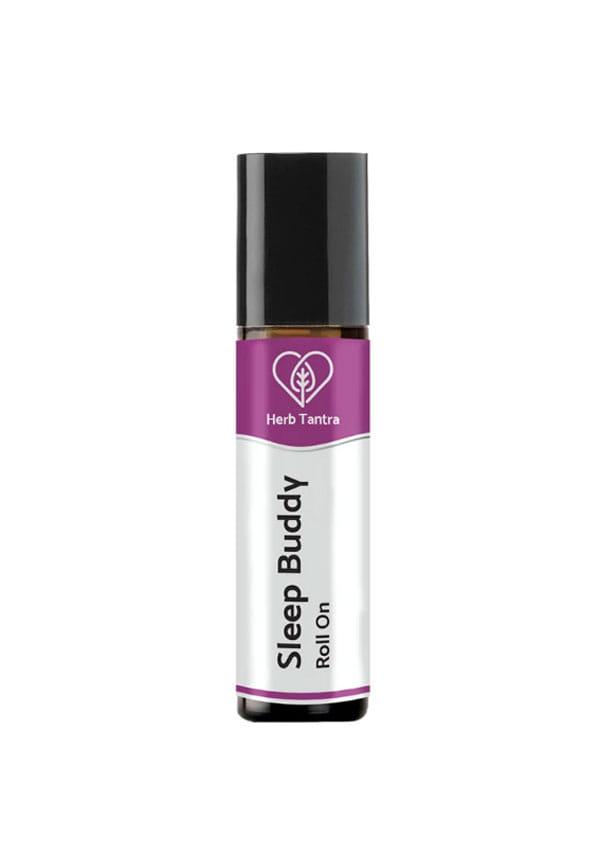
Sleep Buddy Insomnia Relief Roll-On
Your bedroom should be a sleep sanctuary, not a multi-purpose space. Sleep environment optimization involves creating the perfect conditions for rest, and small changes can make a massive difference in how quickly you fall asleep and how deeply you rest.
Temperature plays a crucial role in sleep quality. Your body naturally drops its core temperature as bedtime approaches, signalling that it's time to sleep. Keep your bedroom between 18-20°C to support this natural cooling process.
Darkness is essential for melatonin production. Invest in blackout curtains or an eye mask to eliminate light pollution. Even small amounts of light from electronic devices can disrupt your sleep cycle.
Create a quiet environment or mask disruptive noises with white noise. A fan, white noise machine, or even earplugs can help maintain the peaceful atmosphere your brain needs for deep sleep.
Remove screens from your bedroom or at least avoid them for 1-2 hours before bed. The blue light emitted by phones, tablets, and TVs suppresses melatonin production, making it harder to fall asleep.
The hours leading up to bedtime are crucial for setting yourself up for success. Creating a consistent wind-down routine signals to your body that it's time to transition from day mode to sleep mode. This routine should start 30-60 minutes before your intended bedtime.
Ways to fall asleep faster include incorporating relaxation techniques for sleep into your evening routine. Progressive muscle relaxation, where you tense and then release each muscle group, can help release physical tension accumulated throughout the day.
This simple method can help you fall asleep in minutes. Inhale for 4 counts, hold for 7 counts, then exhale for 8 counts. Repeat this cycle 3-4 times to activate your body's relaxation response.
Avoid heavy meals 2-3 hours before bedtime. If you're hungry, opt for a light snack containing tryptophan (like a small portion of turkey or a banana) or complex carbohydrates that can promote sleepiness.

Sweet Sleep Tea
Cut off caffeine consumption 6-8 hours before bedtime. While alcohol might make you feel drowsy initially, it disrupts sleep quality later in the night, leading to fragmented rest and early morning awakenings.
Sometimes you need immediate relief, and natural sleep remedies can provide gentle support without the side effects of sleep medications. These solutions work with your body's natural processes to promote relaxation and drowsiness.
Herbal teas like chamomile, passionflower, and valerian root have been used for centuries to promote sleep. Chamomile contains apigenin, an antioxidant that binds to brain receptors to promote sleepiness and reduce insomnia.
Lavender essential oil has proven sleep-promoting properties. Add a few drops to your pillow or use a diffuser in your bedroom. The scent can help lower heart rate and blood pressure, creating ideal conditions for sleep.
Magnesium helps regulate neurotransmitters that calm the nervous system. A magnesium supplement taken 30 minutes before bed might help you fall asleep faster and enjoy deeper sleep.
Choose a physical book over scrolling through your phone. Reading can reduce stress levels by up to 68% and help your mind transition away from the day's worries.
Chronic sleep issues require a more targeted approach. Insomnia solutions often involve addressing the underlying causes, whether they're physical, mental, or environmental. If you've tried basic sleep hygiene tips without success, it might be time to dig deeper.
Anxiety is one of the most common culprits behind poor sleep. Racing thoughts, worry about the next day, or general stress can keep your mind active when your body is ready to rest. Learning how to sleep better with anxiety involves both immediate calming techniques and longer-term stress management strategies.
Practice the "worry time" technique—set aside 15 minutes earlier in the day to write down your concerns and potential solutions. This prevents anxious thoughts from hijacking your bedtime.
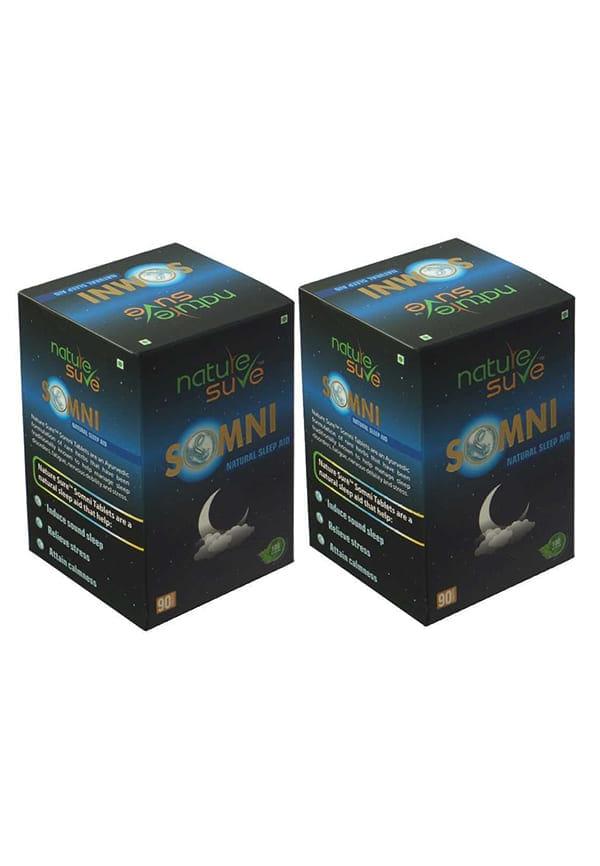
SOMNI Natural Sleep Aid Daily Herbal Supplement for Men & Women
Regular exercise improves sleep quality, but timing is crucial. Finish vigorous workouts at least 3-4 hours before bedtime, as exercise raises your core body temperature and can be stimulating.
If you've consistently applied good sleep hygiene for 4-6 weeks without improvement, consider consulting a healthcare provider. Conditions like sleep apnoea, restless leg syndrome, or chronic insomnia may require professional treatment.
This popular sleep hygiene framework provides clear timing guidelines: no caffeine 10 hours before bed, no food or alcohol 3 hours before bed, no work 2 hours before bed, no screens 1 hour before bed, and 0 times hitting the snooze button. Following this rule helps your body prepare for sleep naturally.
Improving sleep quality naturally involves combining multiple strategies: maintaining a consistent sleep schedule, optimising your sleep environment, practising relaxation techniques, and avoiding sleep disruptors like caffeine and screens before bed. Natural remedies like herbal teas and essential oils can provide additional support. Products available on Smytten include aromatherapy options and wellness supplements that might complement your natural sleep routine.
The 3-3-3 rule is a grounding technique for anxiety-related sleep issues. When you're lying in bed with racing thoughts, identify 3 things you can see, 3 things you can hear, and move 3 parts of your body. This mindfulness exercise helps redirect anxious thoughts and promotes relaxation.
While there's no guaranteed method to fall asleep in exactly 5 minutes, the 4-7-8 breathing technique is your best bet for rapid relaxation. Combined with progressive muscle relaxation and a properly optimised sleep environment, many people can fall asleep within 5-10 minutes of lying down.
Better sleep isn't about perfection—it's about consistency and finding what works for your lifestyle. Start with the basics: a regular sleep schedule, a cool and dark bedroom, and a relaxing bedtime routine. Add natural sleep remedies like herbal teas or aromatherapy as needed, and don't underestimate the power of managing stress and anxiety.
Remember that improving sleep quality is a gradual process. Give yourself at least 2-3 weeks to see significant changes, and be patient as your body adjusts to new habits. The investment in better sleep hygiene tips will pay dividends in every area of your life—from improved mood and productivity to better physical health and stronger relationships.
Quality sleep is one of the most important investments you can make in your overall wellbeing. While implementing these sleep hygiene tips, you might discover that certain wellness products enhance your bedtime routine. Smytten is India's largest product discovery and trial platform, connecting you with top wellness brands that offer everything from aromatherapy essentials to natural sleep aids. With curated trial packs from over 1,500 trusted brands, you can explore sleep-supporting products before committing to full-size purchases. Each mini is linked with Trial Points, and you can get up to 8 minis for just ₹249, plus enjoy 100% cashback on trials. Whether you're looking for essential oils, herbal teas, or relaxation supplements, Smytten's authentic brand-verified minis let you try before you buy, ensuring you find the perfect additions to your sleep routine without the guesswork.
