How to Safely Enjoy Pineapple During Pregnancy

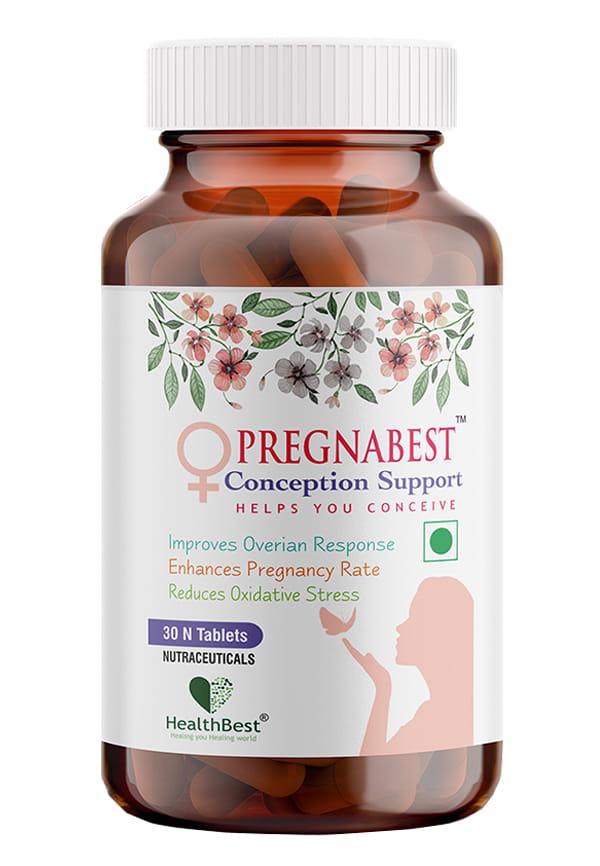
Pregnabest Conception Support Supplement Tablets for Women Enhanced Pregnancy Rate
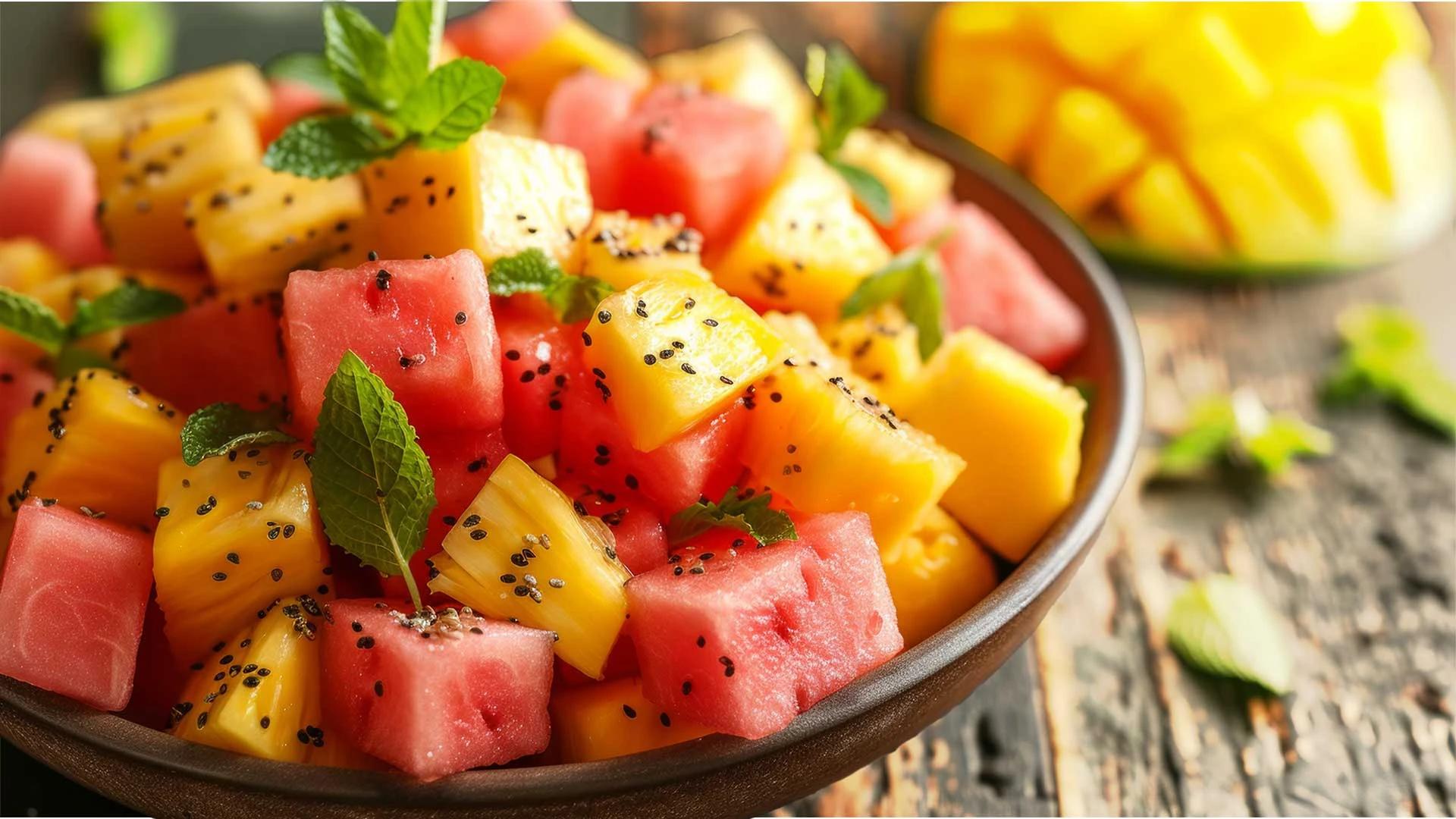
Pregnancy brings a whirlwind of dietary questions, and pineapple in pregnancy tops the list of confusing topics. One day you hear it's packed with nutrients your growing baby needs, the next someone warns it might trigger early labour. Let's be real—pregnancy nutrition doesn't need to be this stressful. The good news? You can absolutely enjoy this tropical fruit during pregnancy when you know the facts. We're here to cut through the noise and give you the real scoop on pineapple and pregnancy safety, so you can make choices that feel right for you and your little one.
Pineapple isn't just delicious—it's genuinely brilliant for pregnancy nutrition. This tropical gem delivers a proper vitamin C punch, giving your immune system the boost it craves during those nine months when your body's working overtime.
One cup of fresh pineapple gives you about 79mg of vitamin C—that's nearly your entire daily requirement sorted. Your immune system gets a bit wobbly during pregnancy (it's busy not rejecting your baby), so this vitamin C boost helps keep bugs at bay.
Pineapple contains folate, which is absolutely crucial for your baby's neural tube development. Whilst it's not your primary folate source, every bit counts towards that daily target your doctor keeps mentioning.
Pregnancy digestion can be proper challenging. Pineapple contains natural enzymes that might help your system process food more efficiently. Plus, the fibre content keeps things moving smoothly—if you know, you know.
The bromelain enzyme in pineapple has anti-inflammatory effects. Whilst we'll chat about bromelain concerns later, in moderate amounts, it might actually help reduce pregnancy-related swelling and discomfort.
Each trimester brings different nutritional needs and considerations. Here's how pineapple fits into your pregnancy journey across different stages.
During early pregnancy, morning sickness might make you crave fresh, tangy foods. Pineapple for morning sickness can be genuinely helpful—its natural sweetness and refreshing taste might settle your stomach when other foods seem impossible. Start with small portions to see how your body responds.
The second trimester is often when appetite returns with vengeance. This is typically the safest time for pineapple consumption in pregnancy. Your digestive system has settled, and you can better gauge how different foods affect you. Feel free to enjoy pineapple as part of your balanced diet.
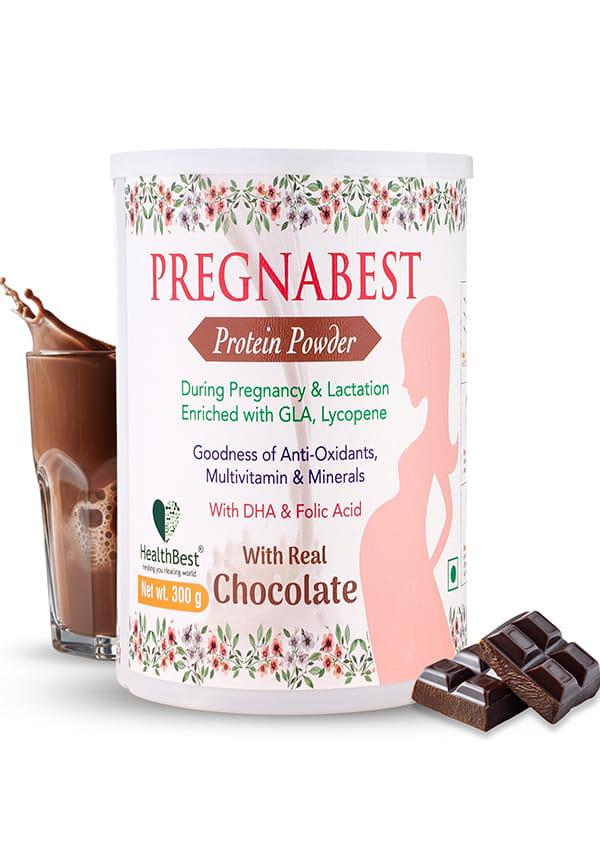
Pregnabest Protein Powder for Women | Prenatal, Pregnancy & Lactation | Anti-Oxidants | Multivitamin & Minerals with DHA & Folic Acid | Chocolate Fla
As you approach your due date, you might hear whispers about pineapple triggering labour. Whilst there's limited scientific evidence for this, some choose to moderate their intake during the final weeks. The choice is entirely yours—listen to your body and your healthcare provider.
Let's address the elephant in the room: pineapple during pregnancy risks. Most concerns centre around bromelain, an enzyme found in fresh pineapple cores and stems.
Bromelain gets a bad rap in pregnancy circles. In supplement form or massive quantities, it might theoretically affect the cervix. However, the amount in regular fruit consumption is minimal. You'd need to eat several whole pineapples daily to reach concerning levels—and honestly, your stomach would revolt long before that.
Pineapple's acidity can trigger heartburn, especially common during pregnancy. If you're prone to acid reflux, enjoy smaller portions and perhaps pair pineapple with something creamy like yoghurt to buffer the acidity.
Pineapple contains natural sugars. If you're managing gestational diabetes or blood sugar concerns, monitor your portions and consider pairing pineapple with protein to slow sugar absorption.
Rarely, some people develop pineapple allergies during pregnancy due to changing immune responses. Watch for mouth tingling, swelling, or digestive upset after eating pineapple.
Enjoying pineapple safely during pregnancy isn't rocket science. A few simple strategies ensure you get the pineapple and pregnancy nutrition benefits without overdoing it.
Aim for about half a cup to one cup of fresh pineapple daily. This gives you nutritional benefits without excessive bromelain exposure. Think of it as a lovely snack rather than a meal replacement.
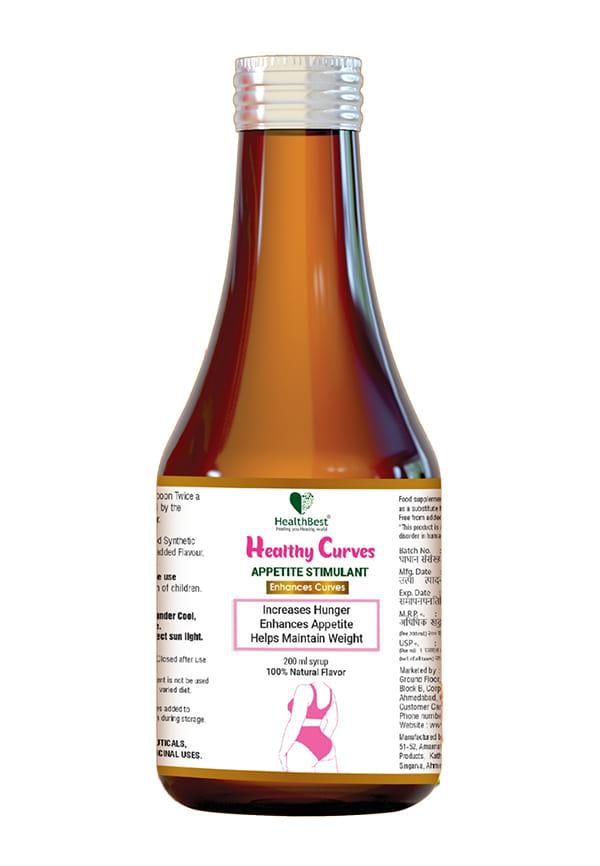
Healthy Curves Weight Gain Syrup for Women & Girls Pineapple Flavor
Fresh pineapple contains more bromelain than canned varieties, as processing reduces enzyme activity. If you're concerned about bromelain but love pineapple, canned options (in natural juice, not syrup) might work better for you.
Remove the core when eating fresh pineapple—that's where bromelain concentrates most. The sweet flesh contains much lower levels. Also, riper pineapples generally have less bromelain than unripe ones.
Enjoy pineapple with meals rather than on an empty stomach to minimise potential digestive discomfort. The other foods help buffer the acidity.
The internet loves dramatic pregnancy stories, but let's separate fact from fiction when it comes to pineapple and pregnancy complications.
No credible scientific evidence links moderate pineapple consumption to miscarriage risk. This myth likely stems from misunderstanding bromelain research, which typically involves supplements, not whole fruit.
Whilst some believe pineapple can trigger labour, you'd need to consume unrealistic amounts. The bromelain in normal fruit portions isn't concentrated enough to affect your cervix significantly.
Many pregnancy food restrictions stem from cultural traditions rather than modern nutritional science. Whilst respecting cultural practices is important, it's also worth understanding the actual evidence behind dietary recommendations.
Every pregnancy is unique, and what works for your mate might not suit you. Here's when professional input becomes essential for your pineapple in pregnancy diet decisions.
Discuss pineapple consumption with your doctor or midwife, especially if you have specific health conditions, previous pregnancy complications, or concerns about your diet. They can provide personalised advice based on your medical history.
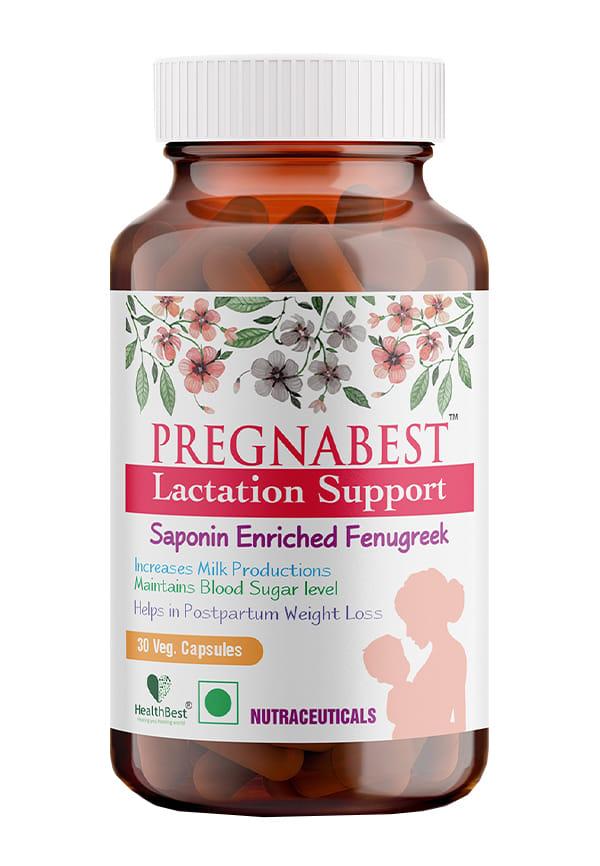
Pregnabest Lactation Support Capsules for Women Promotes Healthy Breast Milk Production
Helpful for Breastfeeding Mothers
 5
5“very useful for new breastfeeding mother's...helped a lot..who can not eat methi seeds directly can easily swallow capsules”
Pay attention to how your body responds to pineapple. Some women notice digestive changes, whilst others feel perfectly fine. Your body's signals are the best guide for what works during your pregnancy.
If you're managing gestational diabetes, have a history of preterm labour, or take specific medications, professional guidance becomes even more crucial for making informed dietary choices. Just as Smytten helps you discover products that work perfectly for your unique needs through trial packs, finding the right pregnancy diet approach requires understanding what suits your individual circumstances. Whether you're exploring wellness products for pregnancy comfort or simply want to make informed choices about nutrition, having access to reliable information and professional guidance makes all the difference.
No scientific evidence supports this claim. Normal pineapple consumption poses no miscarriage risk. The myth likely stems from misunderstanding research about bromelain supplements.
Yes, moderate pineapple consumption is generally safe throughout pregnancy. Some women choose to reduce intake near their due date, but this is personal preference rather than medical necessity.
More than 2-3 cups daily might be excessive due to high bromelain and sugar content. Stick to half a cup to one cup daily for optimal benefits without risks.
Watch for severe heartburn, stomach cramping, diarrhoea, or mouth tingling. These might indicate you're eating too much or have developed sensitivity.
Yes, the core contains the highest bromelain concentration. Stick to the sweet flesh and remove the tough centre when preparing fresh pineapple.
Pineapple and pregnancy health don't have to be complicated. This tropical fruit can absolutely be part of your pregnancy nutrition plan when enjoyed mindfully. The key is moderation and listening to your body's signals. Remember, pregnancy nutrition isn't about perfection—it's about making informed choices that support both you and your growing baby. Pineapple offers genuine nutritional benefits, from vitamin C to digestive support, when consumed as part of a balanced diet. Don't let pregnancy myths rob you of foods you enjoy. Instead, arm yourself with facts, consult healthcare professionals when needed, and trust your instincts. Your pregnancy journey should include foods that nourish your body and bring you joy—and if that includes the occasional pineapple treat, you're absolutely sorted.
