How to Relieve Stress: Expert Techniques Revealed
h)-b42ba301-44e2-4876-b13f-a8e981871e87.webp&w=3840&q=75)

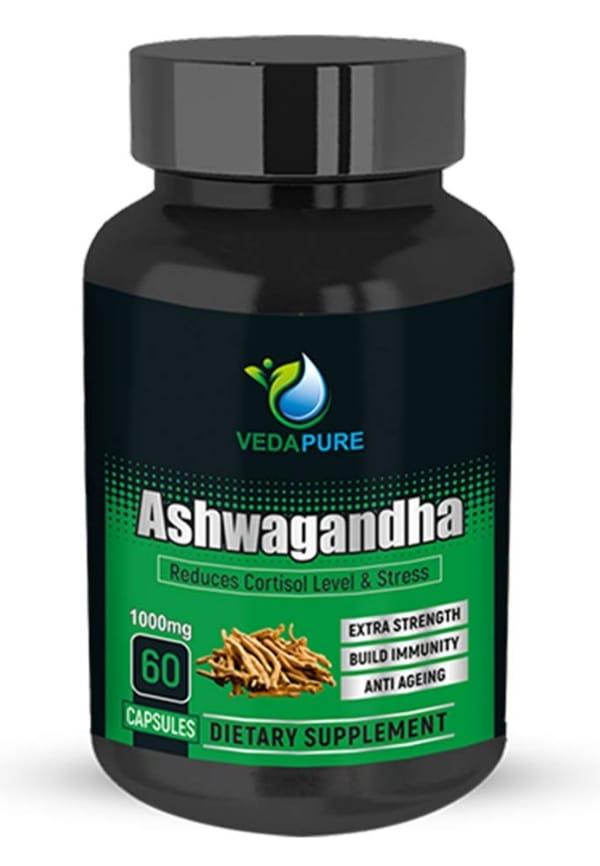
Ashwagandha Anxiety & Stress Relief
Let's be real—stress is basically the uninvited guest that shows up to every life event. Whether it's work deadlines, family drama, or just the general chaos of adulting, we've all been there. The good news? Learning how to relieve stress doesn't require a complete life overhaul or expensive therapy sessions. Sometimes, it's about finding the right mix of quick fixes and long-term strategies that actually work for your lifestyle.
From instant stress relief techniques you can do in your office loo to mindful practices that build lasting resilience, there are loads of ways to tackle stress head-on. The trick is knowing which methods work best for different situations and making them part of your routine without adding more pressure to your plate.
When stress hits like a freight train, you need solutions that work faster than your next coffee order. These stress relief techniques are your emergency toolkit—no fancy equipment or hours of practice required.
The 4-7-8 breathing technique is your new best mate for instant calm. Breathe in for 4 counts, hold for 7, then exhale for 8. It sounds simple because it is, but this method activates your parasympathetic nervous system, basically telling your body to chill out. Try it three times in a row, and you'll feel the difference.
Progressive muscle relaxation works wonders when tension builds up in your jaw, neck, and shoulders. Clench your fists tight for 5 seconds, then release. Feel that relief? Now do the same with your shoulders, face muscles, and any other tense spots. It's like giving your body permission to let go.
Cold water on your face might sound random, but it triggers the dive response—your heart rate drops, and stress hormones take a backseat. Splash some cold water on your wrists too; the pulse points help cool your entire system down.
The 5-4-3-2-1 grounding method pulls you back to the present when your mind starts spiralling. Name 5 things you can see, 4 you can touch, 3 you can hear, 2 you can smell, and 1 you can taste. It's like hitting the reset button on anxious thoughts.
Hand massage and pressure points offer instant relief you can do anywhere. Press the fleshy area between your thumb and index finger for 30 seconds—this pressure point is known for reducing tension and promoting relaxation.
Your body holds stress in ways you might not even notice, but movement is one of the most effective stress reduction methods available. The beauty of physical activity for stress relief is that it doesn't require a gym membership or perfect form—just the willingness to move.
Even a 5-minute walk around the block can shift your entire mood. Fresh air, natural light, and gentle movement combine to lower cortisol levels and boost endorphins. If you're stuck indoors, try walking up and down stairs or doing some gentle stretches by a window.
Workplace stress calls for sneaky solutions. Neck rolls, shoulder shrugs, and ankle circles can all be done without leaving your chair. Try the seated spinal twist—place your right hand on your left knee, gently twist to the left, hold for 15 seconds, then switch sides.
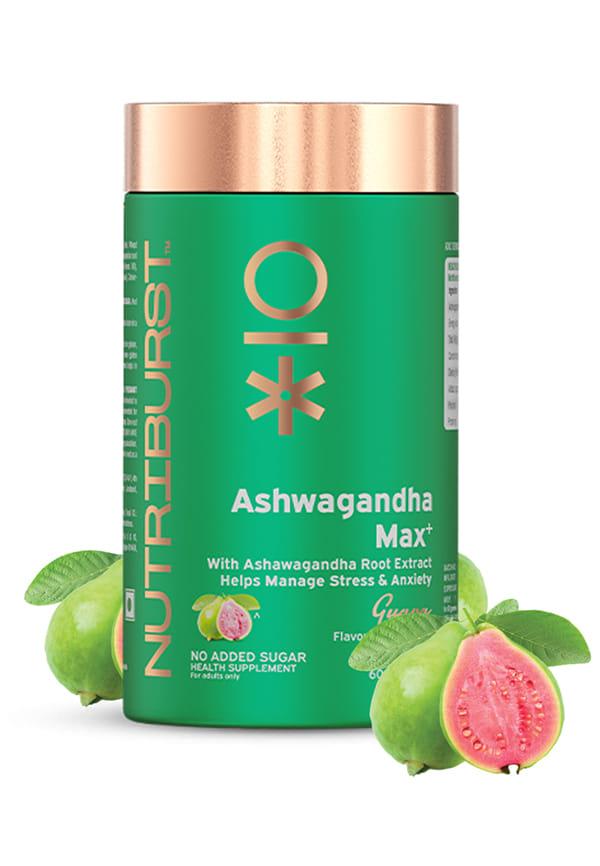
Ashwagandha Max Gummies for Stress Management
Dancing, even for just one song, releases endorphins and breaks the stress cycle. Put on your headphones and have a mini dance party in your room—nobody's watching, and your stress levels will thank you.
Green spaces work magic on stressed minds. If you can't get to a park, even looking at pictures of nature or keeping plants nearby can help. The Japanese practice of forest bathing (shinrin-yoku) shows that spending time among trees significantly reduces stress hormones.
Quick fixes are brilliant for immediate relief, but building lasting resilience requires some strategic thinking. These stress management tips focus on creating a lifestyle that naturally reduces stress rather than just managing it when it appears.
Time management isn't about cramming more into your day—it's about protecting your energy for what matters. Start by listing your daily tasks, then categorise them as urgent, important, or neither. Focus on the important stuff first, and watch how much mental space opens up.
Learning to say no is a superpower for coping with stress. Start small—decline one unnecessary meeting this week or skip one social event that feels more like an obligation. Your time is finite, and protecting it isn't selfish; it's essential.
Technology boundaries matter too. Try putting your phone in another room for an hour each evening, or use apps that limit social media time. Digital overwhelm is real, and constant notifications keep your stress response activated.
Quality sleep is your stress-fighting secret weapon. Create a wind-down routine that starts an hour before bed—dim lights, avoid screens, maybe try some gentle stretching or reading. Your bedroom should be cool, dark, and quiet, like a stress-free sanctuary.
Consistent sleep and wake times help regulate your circadian rhythm, making it easier to handle daily stressors. Even on weekends, try not to shift your schedule by more than an hour.
Mindfulness for stress isn't about emptying your mind or sitting in perfect silence—it's about noticing what's happening in the present moment without judgement. This awareness helps break the cycle of stress-inducing thoughts before they spiral out of control.
Start with just 5 minutes of meditation using apps like Headspace or Calm. Focus on your breath, and when your mind wanders (it will), gently bring attention back to breathing. It's like training your brain to stay present instead of racing ahead to worst-case scenarios.
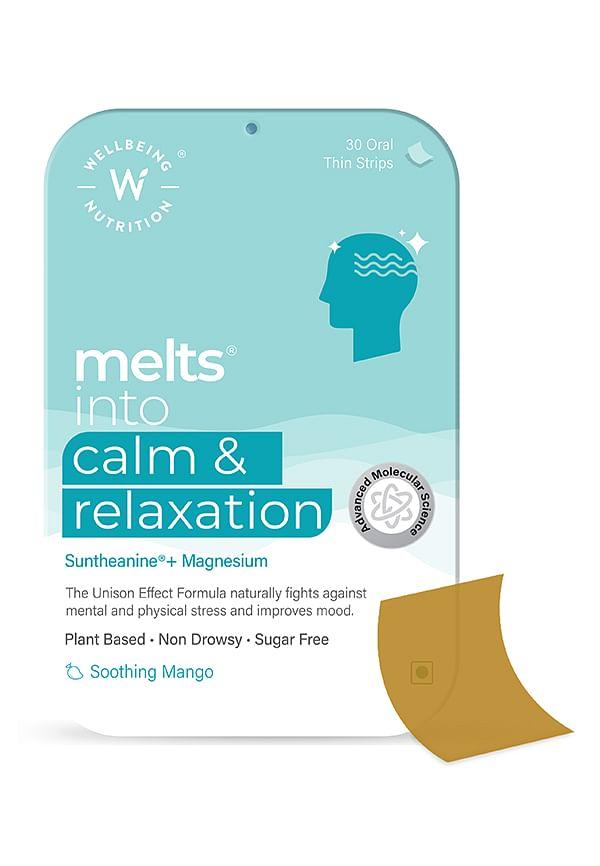
Melts Calm & Relaxation Plant Based Stress & Anxiety Reliever
Challenge negative thought patterns by asking yourself: Is this thought helpful? Is it true? What would I tell a friend in this situation? Often, we're our own harshest critics, and reframing thoughts can dramatically reduce anxiety management needs.
Gratitude practices shift focus from what's wrong to what's working. Write down three things you're grateful for each morning—they can be tiny, like your morning coffee or a text from a friend. This simple practice rewires your brain to notice positive aspects of daily life.
Brain dumps work wonders for mental clutter. Set a timer for 10 minutes and write everything that's on your mind—no editing, no perfect sentences, just pure stream of consciousness. Getting thoughts out of your head and onto paper often reveals that problems aren't as overwhelming as they seemed.
Present-moment awareness reduces future-focused anxiety. When you catch yourself spiralling about tomorrow's presentation or next week's deadline, bring attention back to right now. What can you actually control in this moment?
Humans are wired for connection, and isolation amplifies stress. Building strong support networks isn't about having loads of friends—it's about having people you can be real with when life gets messy.
Quality trumps quantity every time. One genuine conversation with someone who gets you can be more stress-relieving than a dozen surface-level interactions. Make time for the relationships that actually nourish you.
Pets are natural stress relievers. Petting a dog or cat releases oxytocin and lowers cortisol levels. If you don't have pets, consider volunteering at animal shelters or spending time with friends' pets. Even watching cute animal videos can provide a mini stress break.
Helping others creates a positive feedback loop that reduces your own stress. Volunteer work, random acts of kindness, or simply checking in on a friend can shift perspective and boost mood. It's like stress relief with a side of good karma.
Sometimes stress becomes too much to handle alone, and that's completely normal. Mental health professionals can provide tools and strategies tailored to your specific situation. Therapy isn't a sign of weakness—it's a sign of wisdom.
Group activities and shared experiences create natural stress relief through connection. Join a book club, take a cooking class, or find a walking group. Shared laughter and common interests are powerful antidotes to stress.
While stress management primarily comes from practices and mindset shifts, certain wellness products can enhance your relaxation exercises and create a more calming environment. From aromatherapy essentials to skincare routines that double as self-care rituals, the right products can support your stress relief journey.
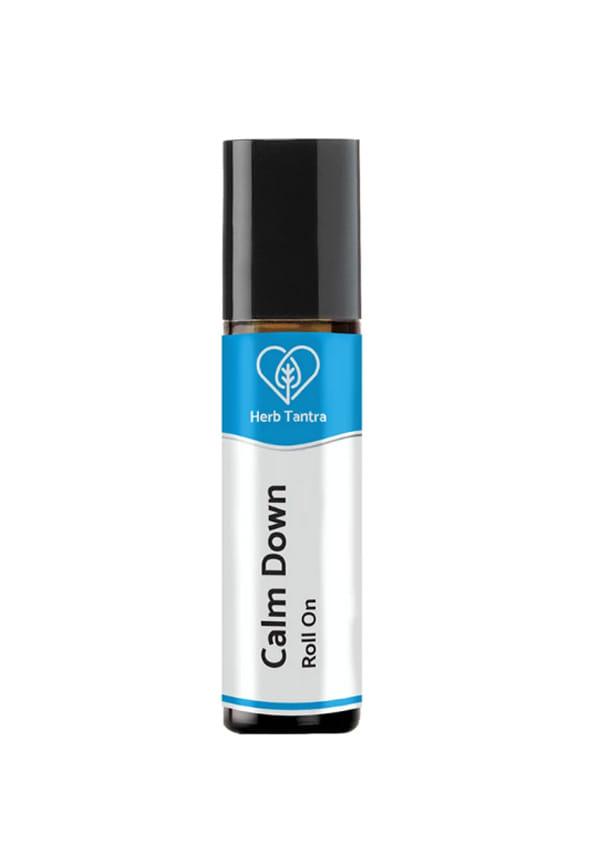
Calm Down Anxiety Relief Roll-On
Essential oils like lavender, chamomile, and bergamot have scientifically proven calming effects. A few drops in a diffuser or on your pillow can create an instant atmosphere of tranquillity. Bath salts with magnesium help relax muscles after a stressful day, turning your evening bath into a proper stress-relief ritual.
Skincare routines offer built-in mindfulness moments. The gentle massage of applying face cream, the ritual of cleansing, and the focus on self-care can be incredibly grounding. Smytten's curated trial packs let you discover stress-relieving wellness products from trusted brands without the commitment of full-size purchases. With over 1,500 brands including wellness favourites, you can explore calming skincare, aromatherapy products, and relaxation essentials for just ₹249 for up to 8 minis, plus 100% cashback for future orders.
Burnout prevention requires recognising early warning signs before stress becomes overwhelming. Pay attention to changes in sleep patterns, appetite, mood, or energy levels. These are your body's way of saying it's time to implement some stress management strategies.
Resilience isn't about being tough all the time—it's about developing flexibility and bounce-back ability. Regular self-assessment helps you notice patterns and adjust strategies before stress spirals. Ask yourself weekly: What's working well? What needs adjustment?
Your environment significantly impacts stress levels. Create at least one space in your home that feels completely calm—maybe it's your bedroom, a reading corner, or even just your desk area. Keep it clutter-free, add some plants or calming colours, and designate it as your stress-free zone.
Hobby integration provides natural stress relief through flow states. Whether it's painting, gardening, cooking, or playing music, engaging in activities you genuinely enjoy creates positive stress (eustress) that actually energises rather than depletes you.
Learning how to relieve stress is about building a toolkit of techniques that work for your lifestyle and personality. Quick fixes like breathing exercises and movement provide immediate relief, while long-term strategies like boundary setting and mindfulness create lasting resilience.
Remember, stress management isn't about eliminating stress completely—it's about developing healthy ways to respond when life gets overwhelming. Start with one or two techniques that resonate with you, practice them consistently, and gradually add more tools to your stress-relief arsenal.
The key is finding what works for you and making it sustainable. Whether it's a 5-minute morning meditation, evening walks, or discovering wellness products that support your relaxation routine, small consistent actions create significant changes over time. Your future self will thank you for investing in these stress management skills today.
