How to Practice Sleep Hygiene for Better Sleep Quality



Chamomile Herbal Infusion, Herbal Tea for Excellent Sleep
Let's be real—we've all been there. Lying in bed, staring at the ceiling at 2 AM, wondering why sleep feels so elusive. You're exhausted, but your mind won't switch off. Sound familiar? If you're nodding along, you're definitely not alone. Poor sleep affects millions of people, but here's the thing: most sleep struggles aren't about serious medical conditions. They're often about habits we can actually control. That's where sleep hygiene comes in—a set of practices that can genuinely transform your nights and, honestly, your entire day. Whether you're dealing with occasional restless nights or chronic sleep issues, learning how to practice sleep hygiene might just be the game-changer you've been looking for. And the best part? You don't need expensive gadgets or complicated routines. Just some simple tweaks that work with your lifestyle. On Smytten, you'll find plenty of wellness products that can support your sleep journey, from calming teas to aromatherapy essentials—all available to trial before you commit to full sizes.
Sleep hygiene is about creating consistent habits and environments that promote quality rest
Key techniques include establishing a sleep routine, optimising your bedroom environment, and managing daily lifestyle choices
Natural sleep aids like herbal teas, aromatherapy, and relaxation techniques can support better sleep
Dealing with insomnia often requires identifying and addressing specific sleep disruptors
Consistency is crucial—sleep hygiene works best when practiced regularly over time
Sleep hygiene isn't about washing your sheets more often (though that helps too!). It's actually a collection of habits and environmental factors that work together to promote good sleep quality improvement. Think of it as your personal sleep recipe—a mix of timing, environment, and behaviours that signal to your body it's time to wind down.
The science behind sleep hygiene is pretty solid. Research shows that people who follow consistent sleep hygiene practices fall asleep faster, sleep more deeply, and wake up feeling more refreshed. It's not magic—it's about working with your body's natural circadian rhythms rather than against them.
Here's what sleep hygiene actually covers: your sleep schedule, bedroom environment, daily habits, and pre-sleep routines. It's different from sleep medicine because it focuses on prevention rather than treatment. While sleep disorders might need medical intervention, most of us can dramatically improve our sleep quality by tweaking these everyday factors.
Creating a solid sleep routine is like training your body's internal clock. When you go to bed and wake up at consistent times, your body learns when to release sleep hormones and when to feel alert. It's one of the most powerful tools for improving sleep habits.
Your ideal bedtime isn't random—it's based on when you need to wake up and how much sleep your body requires. Most adults need 7-9 hours, so work backwards from your wake-up time. If you need to be up at 7 AM and require 8 hours of sleep, aim to be asleep by 11 PM, which means getting into bed around 10:30 PM.
The weekend trap is real, though. Sleeping in on Saturday and Sunday might feel amazing, but it can mess with your body clock for the entire week. Try to stick within an hour of your regular sleep schedule, even on weekends.
Your pre-sleep routine should start about an hour before you want to fall asleep. This is your wind-down time—a signal to your brain that sleep is coming. Think gentle activities: reading, light stretching, or sipping herbal tea.
Digital devices are the enemy here. The blue light from phones and tablets can suppress melatonin production, making it harder to feel sleepy. Try switching to airplane mode or using blue light filters after 9 PM.
Your bedroom should be a sleep sanctuary, not a multi-purpose room. The environment you sleep in can make or break your rest, so it's worth getting this right. Small changes can have surprisingly big impacts on your sleep quality.
Your body temperature naturally drops as you prepare for sleep, so a cool room (around 16-19°C) actually helps this process. If your room runs warm, consider a fan or lighter bedding.

Sweet Dreams Chamomile Tea, Calming Tea, Relieves Soothing Sleep Tea for Stress and Anxiety
Darkness is crucial for melatonin production. Even small amounts of light can disrupt your sleep cycles. Blackout curtains or an eye mask can make a real difference, especially if you live in a bright area or work shifts.
For noise, consistency is key. Complete silence isn't always possible (or necessary), but sudden sounds can wake you up. A white noise machine, fan, or even earplugs can help create a more stable sound environment.
Your mattress and pillows should support your body comfortably. If you're waking up with aches or tossing and turning, it might be time for an upgrade. The right setup varies by person—side sleepers need different support than back sleepers.
A cluttered bedroom can create mental clutter too. Keep your sleep space tidy and reserve it primarily for sleep and relaxation. This helps your brain associate the room with rest rather than stress or work.
What you do during the day affects how you sleep at night. From your morning coffee to your evening workout, daily choices build up to either support or sabotage your sleep. The good news? Most of these are totally within your control.
Regular exercise is brilliant for sleep quality, but timing matters. Morning or afternoon workouts can help regulate your circadian rhythm and reduce stress. However, intense exercise within 4 hours of bedtime can be too stimulating.
If you prefer evening workouts, stick to gentler activities like yoga, stretching, or walking. These can actually help you wind down rather than rev up.
Caffeine has a longer half-life than most people realise—about 6 hours. That afternoon coffee at 3 PM could still be affecting you at 9 PM. Try cutting off caffeine by 2 PM and see if it makes a difference.
Alcohol might make you feel drowsy initially, but it disrupts sleep cycles later in the night, leading to lighter, less restorative sleep. Large meals close to bedtime can also interfere with sleep, so aim to finish eating at least 3 hours before bed.
Sometimes your sleep hygiene routine needs a little extra support, and that's where natural sleep aids come in. These aren't magic bullets, but they can complement your other efforts and help ease the transition to better sleep.
Herbal teas like chamomile, valerian, or passionflower have been used for centuries to promote relaxation. While the effects are generally mild, many people find them helpful as part of their bedtime routine.
Melatonin supplements can be useful for resetting your sleep schedule, especially if you're dealing with jet lag or shift work. Start with the lowest dose possible and use them temporarily rather than long-term.
Aromatherapy with lavender essential oil has some research backing its calming effects. A few drops on your pillow or in a diffuser might help create a more relaxing atmosphere.

Chamomile Tea Bags, Pure Herbal Infusion for Sound Sleep
Progressive muscle relaxation involves tensing and then releasing different muscle groups, helping your body physically let go of tension. It's particularly helpful if you tend to carry stress in your shoulders or jaw.
Meditation doesn't have to be complicated. Even 5-10 minutes of focused breathing or a guided sleep meditation can help quiet racing thoughts. Apps can be helpful here, but remember to use night mode or audio-only options.
Even with perfect sleep hygiene, sometimes sleep just won't come. Chronic insomnia affects about 10% of adults, and it often requires more than just good habits to resolve. Understanding when sleep hygiene isn't enough is important for getting the right help.
Stress and anxiety are major sleep thieves. If your mind races when you hit the pillow, try keeping a journal by your bed to write down worries or tomorrow's tasks. Getting them out of your head and onto paper can be surprisingly effective.
Technology addiction is real, and it's particularly disruptive to sleep. If you find yourself scrolling late into the night, consider charging your phone outside the bedroom or using app timers to limit evening screen time.
If you've been practicing good sleep hygiene for several weeks without improvement, it might be time to talk to a healthcare provider. Conditions like sleep apnoea, restless leg syndrome, or chronic insomnia often need professional treatment.
Red flags include loud snoring, gasping during sleep, persistent daytime fatigue despite adequate sleep time, or sleep issues that significantly impact your daily life.
Having a practical checklist makes it easier to implement and stick with sleep hygiene practices. Think of this as your daily and weekly roadmap to better sleep—no need to do everything at once, but these are the habits that make the biggest difference over time.
Morning: Get sunlight within an hour of waking, avoid hitting snooze repeatedly, and stick to your regular wake time even if you slept poorly.
Afternoon: Limit caffeine after 2 PM, get some physical activity (even a short walk counts), and manage stress through breaks or brief relaxation.
Evening: Dim lights 1-2 hours before bed, avoid large meals and alcohol, start your wind-down routine, and put devices away 30-60 minutes before sleep.
Keep a simple sleep diary noting bedtime, wake time, and how rested you feel. After a week or two, patterns often emerge that can guide adjustments to your routine.
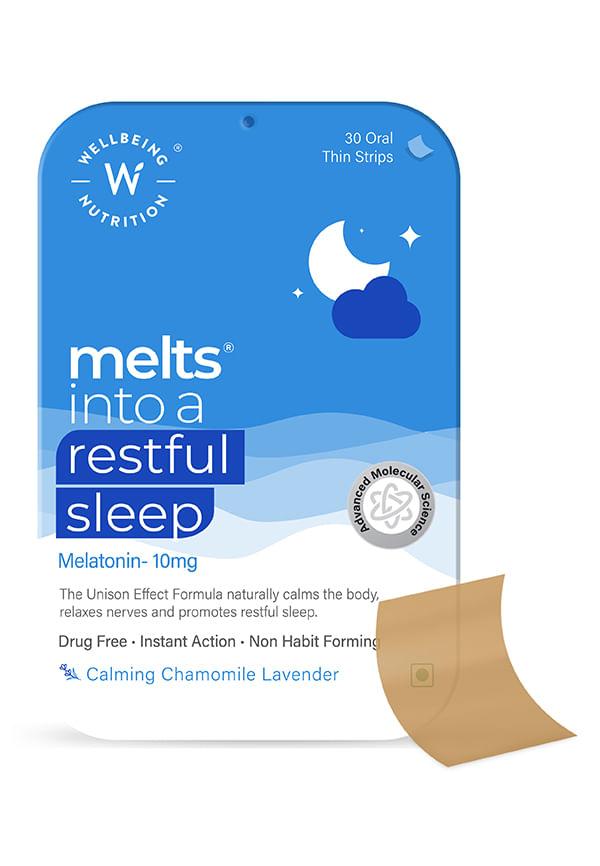
Melts Restful Sleep Melatonin 10mg with Tagara, Passion Flower, L-Theanine, Chamomile (30 Oral Strips)
Monthly check-ins help you assess what's working and what isn't. Maybe your bedtime routine needs tweaking, or perhaps your bedroom environment could use some changes. Regular reviews help you stay on track.
Most people notice some improvement within a week or two of consistent practice. However, significant changes often take 4-6 weeks as your body adjusts to new routines and your circadian rhythm resets.
Sleep hygiene can be incredibly effective, but it shouldn't replace prescribed medication without consulting your doctor. Many people find they can reduce their reliance on sleep aids once they establish good sleep habits, but this should be done gradually and under medical supervision.
Sleep hygiene focuses on environmental and behavioural changes you can make yourself. Sleep therapy, like cognitive behavioural therapy for insomnia (CBT-I), addresses thought patterns and deeper issues that might be affecting sleep. Both can be used together effectively.
Pack a travel sleep kit with familiar items like your pillow, eye mask, or favourite herbal tea. Try to maintain your regular bedtime routine as much as possible, and consider adjusting your schedule gradually before long trips to minimise jet lag. Products available on Smytten like travel-sized aromatherapy oils or calming teas can help maintain your routine on the go.
Yes, many apps can support your sleep hygiene efforts. Sleep tracking apps help identify patterns, meditation apps offer guided relaxation, and blue light filters reduce screen impact. However, remember that the app itself shouldn't become another source of screen time before bed.
If you've consistently practiced good sleep hygiene for 6-8 weeks without improvement, consider consulting a healthcare provider. You might have an underlying sleep disorder that needs professional treatment, or you might benefit from more targeted approaches like CBT-I.
Learning how to practice sleep hygiene is really about creating a lifestyle that supports natural, restorative sleep. The most effective approach combines consistent timing, an optimised sleep environment, and daily habits that work with your body's natural rhythms rather than against them. Remember, small changes can lead to significant improvements—you don't need to overhaul your entire life overnight.
The key is consistency and patience. Your body needs time to adjust to new routines, so stick with changes for at least a few weeks before deciding if they're working. Focus on one or two areas at a time rather than trying to implement every technique at once. Whether it's establishing a regular bedtime, creating a cooler sleep environment, or incorporating natural sleep aids into your routine, the goal is finding what works for your unique situation and lifestyle.
Quality sleep isn't a luxury—it's essential for your physical health, mental wellbeing, and overall quality of life. While establishing good sleep hygiene practices takes some effort initially, the benefits extend far beyond just feeling rested. Better sleep means improved mood, sharper focus, stronger immunity, and greater resilience to daily stresses. Smytten understands that wellness is about finding what works for your individual needs, which is why the platform offers trial packs from trusted wellness brands. Whether you're curious about herbal sleep teas, aromatherapy products, or relaxation aids, you can explore these options through India's largest minis collection without committing to full sizes. With 100% cashback on trials and authentic brand-verified minis delivered across 27,000+ pincodes, discovering your perfect sleep support routine has never been more accessible. After all, when it comes to better sleep, why settle for 'maybe' when you can try it all and find what truly works for you?
