How to Optimize Sports Nutrition for Athletes for Peak Performance


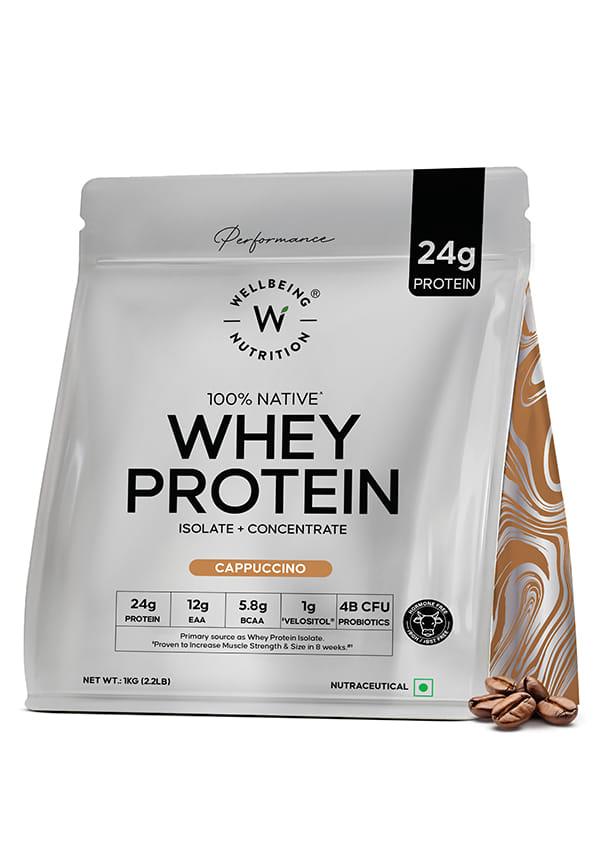
Whey Protein Isolate + Concentrate (Cappuccino)
Getting your nutrition game on point as an athlete isn't just about eating more—it's about eating smarter. Whether you're training for your first marathon or pushing for a personal best in the gym, what you fuel your body with can make or break your performance. Let's dive into the science-backed strategies that'll help you optimise your sports nutrition for athletes and unlock your peak potential.
Sports nutrition for athletes goes way beyond just eating your greens. It's the strategic application of nutrition science to enhance your performance, speed up recovery, and keep you injury-free. Think of it as your secret weapon—one that works from the inside out.
The key difference between athlete nutrition and regular healthy eating lies in the precision. While general fitness enthusiasts might get away with casual meal planning, athletes need to consider energy balance, nutrient timing, and sport-specific demands. Your body becomes a high-performance machine that needs premium fuel at exactly the right moments.
Energy balance is crucial here. You're not just maintaining weight—you're optimising body composition for your sport. This means understanding how many calories you burn during training and competition, then matching that with the right mix of nutrients. Too little fuel and your performance tanks. Too much and you might gain unwanted weight that slows you down.
Let's bust a common myth while we're at it: more protein doesn't automatically equal better performance. Your body can only use so much protein for muscle building. The rest gets converted to energy or stored as fat. It's all about finding that sweet spot for your specific needs.
Getting your macronutrient ratios right is like tuning a sports car—every component needs to work in perfect harmony. For most athletes, the magic formula sits around 45-65% carbohydrates, 15-25% protein, and 20-35% healthy fats. But here's the thing—these aren't set in stone.
Your sport dictates your needs. Endurance athletes might push carbs to the higher end, whilst strength training nutrition often requires more protein to support muscle growth and repair.
Carbs are your best mate when it comes to high-intensity performance. They're stored as glycogen in your muscles and liver, ready to fuel your next sprint or lift. Aim for 3-12 grams per kilogram of body weight daily, depending on your training load.
Protein for athletes isn't just about building bigger muscles—it's about repairing the microscopic damage that happens during training. Most athletes need 0.8-1.8 grams per kilogram of body weight. Quality matters more than quantity, so focus on complete proteins that contain all essential amino acids.
Don't fear fats—they're essential for hormone production and long-term energy. During low-intensity, longer duration activities, your body loves burning fat for fuel. Include sources like avocados, nuts, and olive oil in your daily routine.
Timing isn't everything, but it's pretty close when it comes to performance nutrition. The 4-2-1 rule has become a game-changer for athletes looking to optimise their energy levels before competition or intense training sessions.
This rule is brilliantly simple: consume 4 grams of carbohydrates per kilogram of body weight 4 hours before exercise, 2 grams per kilogram 2 hours before, and 1 gram per kilogram per hour during extended activities lasting over 90 minutes.
Your pre-workout meal should be your energy foundation. Eat 2-4 hours before training, focusing on easily digestible carbs with moderate protein and minimal fat. Think oatmeal with banana and a touch of honey, or toast with a small amount of nut butter.
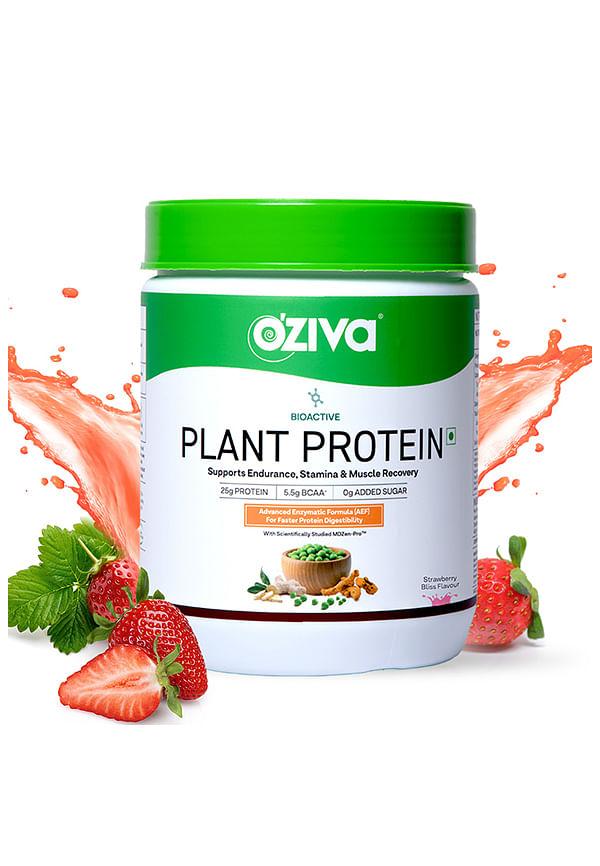
Bioactive Plant Protein for Endurance & Muscle Recovery (Strawberry Bliss)
For sessions lasting over 60-90 minutes, your body starts running low on stored glycogen. This is where energy boosters like sports drinks, bananas, or energy gels come into play. Aim for 30-60 grams of carbs per hour during extended activities.
The golden window for muscle recovery happens within 30 minutes to 2 hours post-exercise. This is when your muscles are most receptive to nutrients. Combine carbs and protein in a 3:1 or 4:1 ratio to maximise glycogen replenishment and muscle protein synthesis.
Hydration for athletes goes beyond just drinking water when you're thirsty. Proper fluid balance affects everything from your core temperature to your ability to concentrate during competition. Even a 2% drop in body weight from fluid loss can significantly impact your performance.
Your daily hydration needs vary based on your size, training intensity, and environmental conditions. A good starting point is 35-40ml per kilogram of body weight, but this increases dramatically during training days.
Start hydrating well before you hit the gym or field. Drink 400-600ml of fluid 2-3 hours before exercise, then another 200-300ml 15-20 minutes before starting. Your urine should be pale yellow—think lemonade, not apple juice.
For activities lasting over an hour, you'll need to replace both fluids and electrolytes. Aim for 150-250ml every 15-20 minutes during exercise. Sports drinks become valuable here, especially when you're sweating heavily or training in hot conditions.
Replace 150% of the fluid you've lost through sweat. Weigh yourself before and after training—for every kilogram lost, drink 1.5 litres of fluid over the next few hours. Include sodium to help your body retain the fluid you're consuming.
Muscle recovery is where the magic happens. It's not just about getting bigger or stronger—it's about adapting to training stress and coming back better than before. Your nutrition during this phase can make or break your progress.
The muscle protein synthesis window is real, but it's longer than many people think. While the first few hours post-exercise are crucial, your body continues building and repairing muscle for up to 48 hours after training.
Most athletes need between 0.8-1.8 grams of protein per kilogram of body weight daily. Endurance athletes sit on the lower end, whilst those focused on strength training nutrition need the higher amounts. Spread this across 3-4 meals for optimal absorption.
Complete proteins containing all essential amino acids are your best bet. Think eggs, lean meats, fish, dairy, and quinoa. Plant-based athletes can combine different protein sources throughout the day to ensure they're getting a complete amino acid profile.
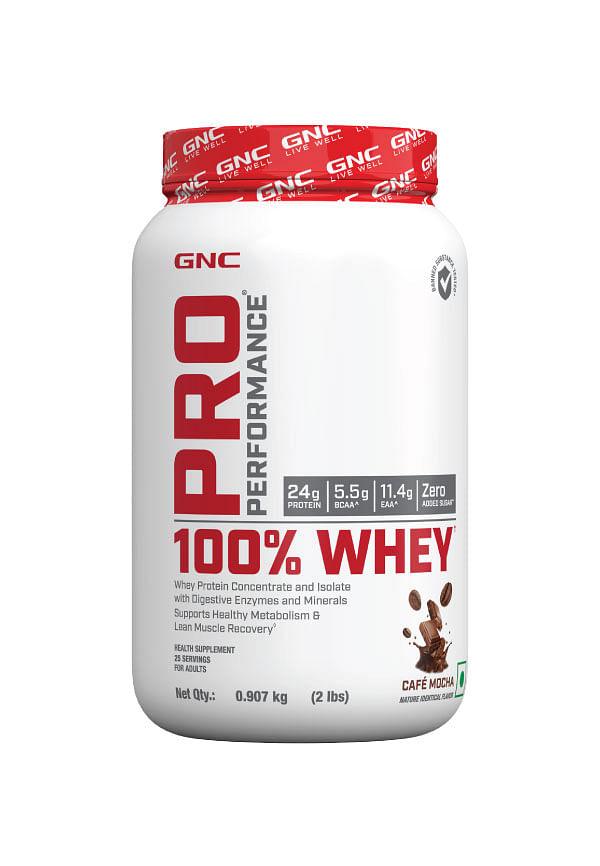
Pro Performance 100% Whey Protein Powder Cafe Mocha
Aim for 20-30 grams of high-quality protein within 2 hours post-exercise. This doesn't mean you need to down a protein shake the second you finish training, but don't leave it too long either. Your muscles are most receptive to nutrients during this window.
The supplement world can feel like a minefield of marketing claims and miracle promises. Let's cut through the noise and focus on what actually works. Sports supplements should complement, not replace, a solid nutrition foundation.
Only a handful of supplements have strong scientific backing for athletic performance. The rest are either unproven or offer minimal benefits that don't justify the cost.
Creatine tops the list for strength and power athletes. It helps regenerate ATP during high-intensity, short-duration activities. Take 3-5 grams daily—timing doesn't matter much.
Caffeine is a natural energy booster that can improve endurance, reduce perceived exertion, and enhance focus. Consume 3-6mg per kilogram of body weight 30-60 minutes before exercise.
Beta-alanine can help buffer acid in your muscles during high-intensity exercise lasting 1-4 minutes. Take 3-5 grams daily, split into smaller doses to avoid the tingling sensation.
Athletes are at higher risk for certain nutrient deficiencies. Iron, calcium, and vitamin D are common concerns, especially for female athletes and those following restrictive diets. Get your levels tested before supplementing—more isn't always better.
Before reaching for synthetic supplements, consider whole food options. Beetroot juice can improve endurance through nitrates, whilst tart cherry juice may help with recovery and sleep quality. These natural options often provide additional nutrients beyond their primary benefits.
One size definitely doesn't fit all when it comes to athlete nutrition. Your sport's demands should shape your nutritional strategy. What works for a marathon runner might not suit a powerlifter, and team sport athletes need a different approach altogether.
Understanding your sport's energy systems helps you tailor your nutrition accordingly. High-intensity, short-duration sports rely heavily on stored carbohydrates, whilst endurance activities tap into fat stores more significantly.
Endurance athletes need serious carbohydrate power. Aim for 8-12 grams per kilogram of body weight on heavy training days. Practice your race-day nutrition during training—your gut needs training too. Focus on easily digestible carbs and don't experiment with new foods on competition day.
Strength athletes benefit from higher protein intake and strategic carb timing around workouts. Consume carbs before training for energy and protein afterwards for recovery. Your total calorie needs might be lower than endurance athletes, but nutrient timing becomes more critical.
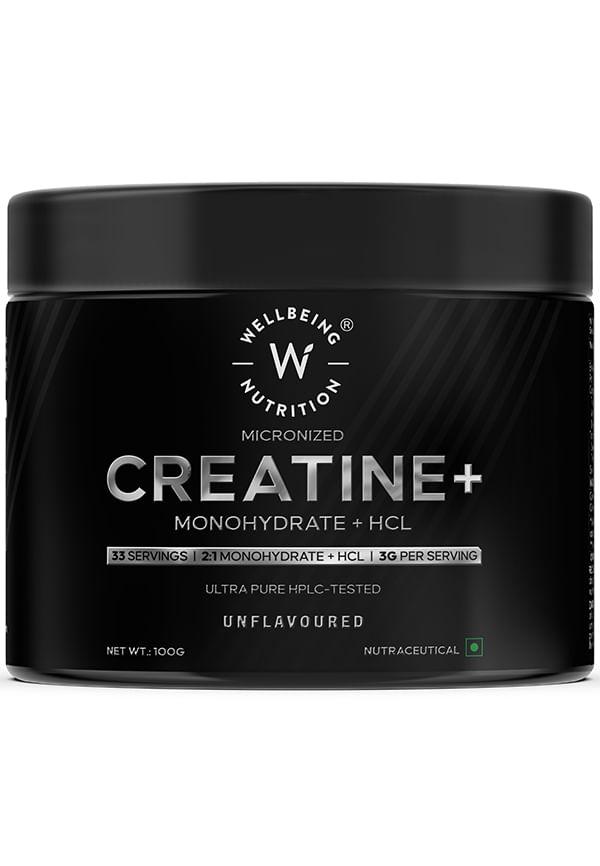
100% Pure Micronised Creatine Powder Monohydrate + HCL| Unflavoured
Team sports combine endurance and strength demands, requiring a balanced approach. Focus on maintaining energy throughout long training sessions and games. Halftime nutrition can be crucial—quick-digesting carbs and fluids help maintain performance in the second half.
Growing athletes have unique nutritional needs. They're building bone, muscle, and other tissues whilst also fueling their sport. Never restrict calories severely in young athletes—focus on nutrient-dense foods that support both growth and performance.
When it comes to exploring wellness products that support your athletic journey, platforms like Smytten make it easier to discover what works for your body. With curated trial packs from trusted wellness brands, you can test different supplements and recovery products before committing to full-size purchases—perfect for athletes who want to optimise their nutrition without the guesswork.
The best nutrition for athletes includes a balanced diet of 45-65% carbohydrates, 15-25% protein, and 20-35% healthy fats, with emphasis on nutrient-dense whole foods, proper hydration, and strategic meal timing around training sessions.
The 4-2-1 rule is a pre-exercise carbohydrate fueling strategy where athletes consume 4 grams of carbs per kg body weight 4 hours before exercise, 2 grams per kg 2 hours prior, and 1 gram per kg per hour during extended training.
Athletes need 0.8-1.8 grams of protein per kilogram of body weight daily, depending on their sport, training intensity, and goals, with strength athletes requiring the higher end of this range.
Athletes should consume a carbohydrate-rich, low-fat meal 2-4 hours before competition, following the 4-2-1 rule for optimal energy availability without digestive discomfort.
Most athletes can meet their nutritional needs through whole foods. Only a few supplements like creatine, caffeine, and beta-alanine have strong scientific backing. Focus on a solid nutrition foundation before considering supplements.
Optimising sports nutrition for athletes isn't about following the latest fad or copying what your favourite athlete does on social media. It's about understanding your body's unique needs, your sport's demands, and creating a sustainable approach that supports both your performance and overall wellness for athletes.
Remember, nutrition is just one piece of the performance puzzle, but it's a crucial one. Start with the basics—proper hydration, balanced macronutrients, and strategic timing. Once you've mastered these fundamentals, you can fine-tune with sport-specific strategies and evidence-based supplements.
The beauty of modern nutrition science is that we now understand there's no one-size-fits-all approach. What matters is finding what works for your body, your sport, and your lifestyle. Whether you're just starting your athletic journey or looking to break through a performance plateau, the right nutrition strategy can be your game-changer. After all, why settle for average performance when you can fuel your way to excellence?
