How to Navigate the Sports Nutrition Market for Peak Performance


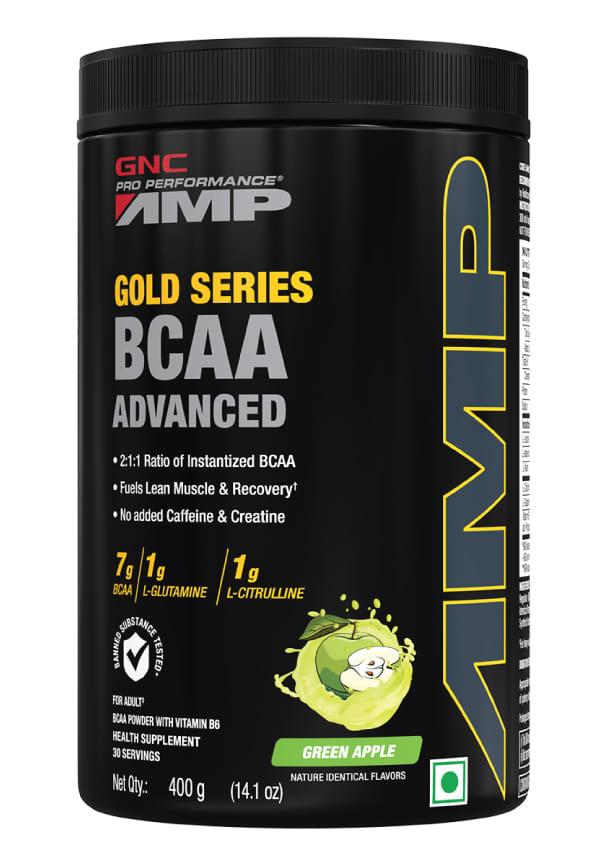
AMP Gold Series BCAA Advanced - Fuels Lean Muscle Strength & Recovery - Green Apple
The sports nutrition market has exploded into a ₹15,000 crore industry in India alone, and honestly, it can feel overwhelming when you're trying to figure out what actually works. Whether you're a weekend warrior or training for your next marathon, navigating this massive market doesn't have to be rocket science. Let's break down how to make smart choices that'll actually boost your performance without burning a hole in your wallet.
The global sports nutrition market is projected to reach $138.48 billion by 2033, growing at a steady 8.7% annually. In India specifically, we're looking at growth from ₹15,000 crores to nearly ₹28,000 crores by 2034. But here's the thing—bigger doesn't always mean better when it comes to choosing what's right for your goals.
This market boom has created both opportunities and challenges. On one hand, you've got more options than ever before. On the other, it's become harder to separate genuine performance boosters from clever marketing. The market spans everything from basic protein supplements to complex pre-workout formulas, each targeting different aspects of fitness nutrition.
Let's start with the basics that actually make a difference. Sports supplements fall into a few key categories, and understanding these helps you avoid the shiny object syndrome that plagues many fitness enthusiasts.
Protein supplements remain the cornerstone of nutrition for athletes. Whether you're into whey, casein, or plant-based options, the goal is simple: support muscle repair and growth. Whey protein works fast, making it perfect post-workout. Casein releases slowly, ideal before bed. Plant-based options like pea or hemp protein are brilliant for those avoiding dairy.
Energy boosters and pre-workout formulas can genuinely enhance your training sessions. Look for ingredients like caffeine, beta-alanine, and citrulline malate. These aren't just marketing fluff—they're backed by solid research for improving focus and endurance during workout nutrition windows.
Performance nutrition isn't one-size-fits-all. Your nutritional needs change dramatically based on whether you're building strength, improving endurance, or preparing for competition.
For endurance athletes, carbohydrate timing becomes crucial. You'll want to fuel up 2-3 hours before long sessions and replenish within 30 minutes post-workout. Strength training, meanwhile, prioritises protein intake—aim for 1.6-2.2 grams per kilogram of body weight daily, spread across multiple meals.
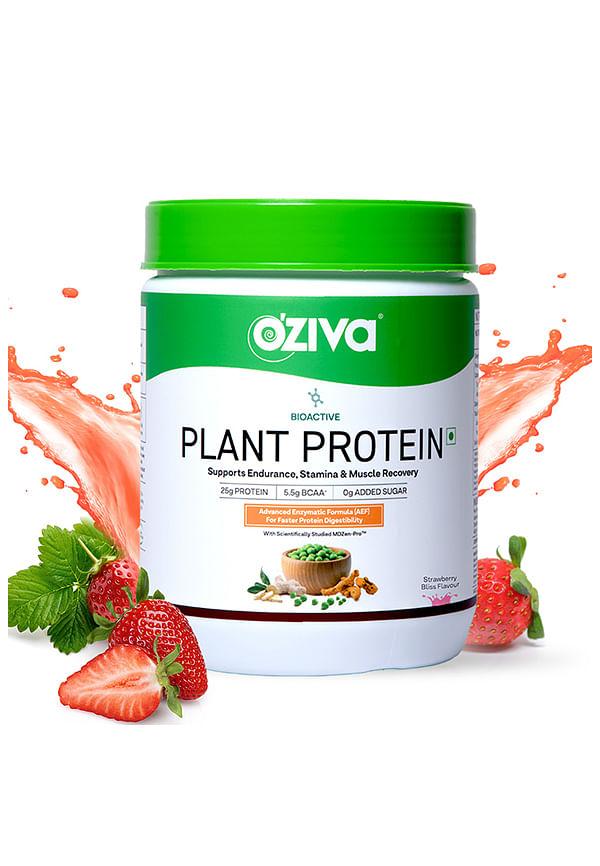
Bioactive Plant Protein for Endurance & Muscle Recovery (Strawberry Bliss)
Muscle recovery is where many people drop the ball, focusing only on what happens during workouts. Real talk: what you do after training matters just as much as the session itself. The magic happens during recovery, not just during those sweaty gym sessions.
Post-workout nutrition has a golden window—roughly 30-60 minutes after training when your muscles are primed to absorb nutrients. This is when combining protein with carbohydrates works wonders for recovery. Think chocolate milk, protein smoothies with banana, or a proper meal if you've got time.
Hydration for sports goes way beyond just drinking water. Your body loses electrolytes through sweat, and replacing them becomes critical for maintaining performance and preventing cramps.
Pre-exercise hydration should start hours before your workout. During exercise lasting over an hour, sports drinks with electrolytes make sense. Post-workout, you'll want to replace 150% of the fluid you've lost—weigh yourself before and after training to get accurate numbers.
Sleep quality directly impacts recovery, and certain nutrients can support better rest. Magnesium, tart cherry juice, and casein protein before bed all contribute to overnight muscle repair and growth hormone release.
Anti-inflammatory foods like berries, fatty fish, and leafy greens help reduce exercise-induced inflammation. These aren't supplements, but they're part of comprehensive wellness nutrition that supports your training goals.
Here's where things get tricky. The sports nutrition market is flooded with products making bold claims, but not all are created equal. Learning to spot quality becomes essential for both your health and your wallet.
Third-party testing is non-negotiable. Look for certifications from NSF International, Informed Sport, or similar organisations. These ensure products are free from banned substances and contain what the label claims. It's especially important if you compete in organised sports with drug testing.
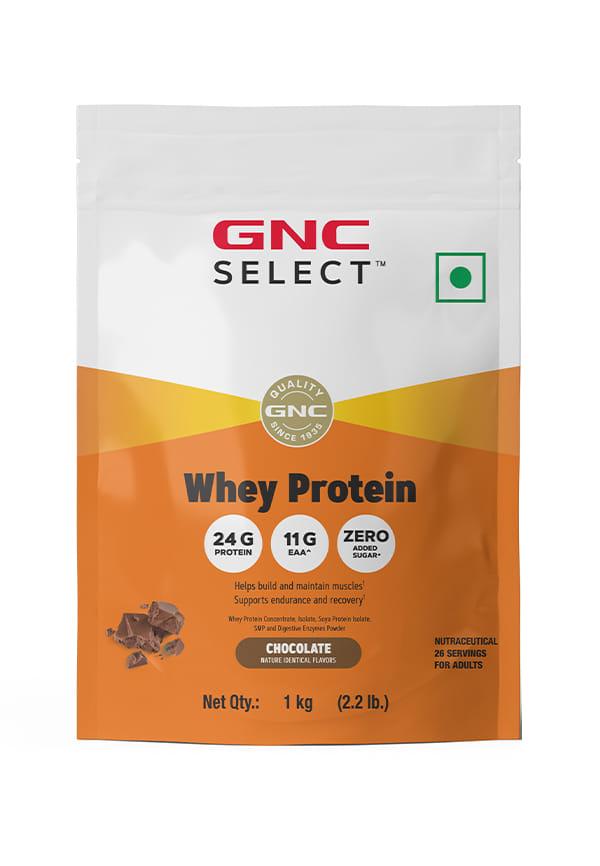
Select Whey Chocolate Pouch
Ingredient lists tell the real story. Quality sports supplements list ingredients in descending order by weight. If you see a proprietary blend without specific amounts, that's often a red flag—companies might be hiding low doses of expensive ingredients.
Watch out for fillers, artificial colours, and unnecessary additives. The best products keep things simple and focus on proven ingredients at effective doses. Price per serving matters more than total cost—a ₹2,000 protein powder that lasts two months beats a ₹1,000 one that's gone in three weeks.
This is where platforms like Smytten become game-changers for fitness nutrition exploration. Instead of committing to full-size products that might not work for you, trial packs let you test different brands and formulations. With over 1,500 trusted brands available, you can explore everything from protein powders to recovery supplements without the financial risk.
The sports nutrition market keeps evolving, and staying informed about trends helps you make better choices. Personalised nutrition based on genetic testing is gaining traction, though it's still early days for most consumers.
Plant-based options are exploding in popularity, driven by both environmental concerns and improved formulations. Modern plant proteins rival dairy-based options for amino acid profiles and taste—something that wasn't true even five years ago.
Wearable devices now track everything from heart rate variability to sleep quality, providing data that can inform your wellness nutrition choices. Apps can help time your nutrition around training and track how different supplements affect your performance metrics.
Functional foods are blurring the line between nutrition and supplementation. Think protein-enriched snacks, adaptogenic beverages, and recovery-focused meal replacements that make proper nutrition more convenient.
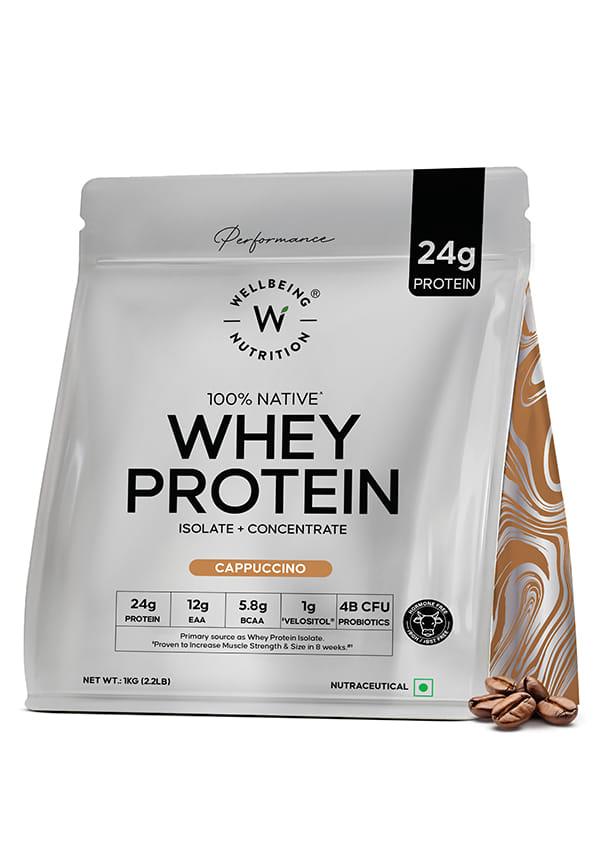
Whey Protein Isolate + Concentrate (Cappuccino)
Sports supplements are specifically formulated for exercise performance and recovery, with ingredients and dosing optimised for active individuals. Regular supplements focus on general health maintenance rather than performance enhancement.
A reasonable budget ranges from ₹2,000-5,000 monthly, depending on your training intensity and goals. Focus on basics like protein and creatine before adding specialised supplements.
Basic supplements like protein powder and creatine are generally safe for beginners. Start with single-ingredient products rather than complex blends, and always consult healthcare providers if you have medical conditions.
Timing matters: pre-workout supplements 30 minutes before training, protein within an hour post-workout, and creatine can be taken anytime consistently. Hydration for sports should be ongoing throughout the day.
Track objective metrics like strength gains, endurance improvements, and recovery time between sessions. Subjective measures include energy levels, sleep quality, and how you feel during workouts.
Creatine monohydrate offers the best bang for your buck, followed by basic whey protein. These provide proven benefits at relatively low costs compared to complex pre-workout formulas.
Navigating the sports nutrition market successfully comes down to understanding your specific needs, focusing on proven basics, and avoiding the temptation to buy everything that promises miraculous results. Start with fundamentals like adequate protein intake and proper hydration, then add supplements based on your training demands and budget.
The beauty of modern platforms like Smytten lies in making this exploration affordable and risk-free. With trial packs available for just ₹249, you can test different performance nutrition products without committing to full sizes. This approach lets you build a personalised nutrition strategy based on what actually works for your body and goals, rather than what marketing campaigns promise. After all, why settle for guesswork when you can try it all and find what truly supports your peak performance?
