How to Mindful Walk: Your Guide to Stress Relief



Ashwagandha Anxiety & Stress Relief
Life's moving at lightning speed, and sometimes your mind feels like it's running a marathon even when you're sitting still. Between work deadlines, social commitments, and the constant ping of notifications, finding a moment of peace can feel impossible. That's where mindful walking comes in—a simple yet powerful practice that combines the benefits of movement with the calm of meditation. Unlike your usual power walk to catch the bus, learning how to mindful walk transforms every step into an opportunity for stress relief and mental clarity. It's meditation in motion, and honestly, it might just be the game-changer your wellness routine has been missing. Whether you're new to mindfulness or looking for fresh ways to manage stress, this practice offers a gentle entry point that doesn't require special equipment, apps, or even much time. Plus, with platforms like Smytten making wellness products more accessible through trial packs, building a holistic self-care routine has never been easier.
TL;DR
Mindful walking combines gentle movement with meditation, offering stress relief and mental clarity without needing special equipment or locations
The practice involves walking at a slower pace while focusing on breath, foot sensations, and surroundings rather than fitness goals
Benefits include reduced anxiety, improved focus, better sleep, and enhanced emotional regulation
Beginners can start with just 5-10 minutes daily, gradually building up their practice
Common techniques include the 5-step process, sensory engagement, and gentle redirection when the mind wanders
Think of mindful walking as your regular stroll's zen cousin. While normal walking often happens on autopilot—scrolling through your phone or mentally rehearsing tomorrow's presentation—mindful walking is all about being present. It's a form of walking meditation that turns your daily movement into a conscious walking exercise, where every step becomes an anchor to the present moment.
The science behind this practice is pretty fascinating. Research shows that mindful movement activates the parasympathetic nervous system, which is basically your body's chill-out mode. This helps reduce cortisol levels and promotes the release of feel-good neurotransmitters like serotonin. Unlike fitness walking, where the goal is cardiovascular improvement or calorie burning, walking meditation techniques focus on cultivating awareness and inner peace.
The benefits of mindful movement extend far beyond just feeling a bit more relaxed. When you practice mindful walking regularly, you're essentially training your brain to find calm in the midst of chaos. Let's break down what this practice can do for you.
Walking for stress relief works because it gives your overactive mind something gentle to focus on. Studies show that just 10 minutes of mindful walking can significantly reduce anxiety levels and improve mood. The rhythmic nature of walking, combined with focused attention, helps break the cycle of worried thoughts that often keep us feeling frazzled.
Stress and anxiety reduction: The repetitive motion and breath focus activate your body's relaxation response
Improved focus and concentration: Regular practice strengthens your attention span and mental clarity
Enhanced emotional regulation: You'll find it easier to manage difficult emotions and reactions
While mindful walking isn't about burning calories, your body still reaps physical rewards. The gentle movement improves circulation, supports immune function, and can even help regulate sleep patterns. Plus, spending time outdoors during your practice gives you a healthy dose of vitamin D and fresh air.
Better cardiovascular health: Even gentle walking supports heart health and circulation
Improved immune system function: Stress reduction and outdoor time boost your body's defences
Enhanced sleep quality: The calming effects often carry into better rest at night
Ready to give this a go? The beauty of learning how to mindful walk lies in its simplicity. You don't need special gear, perfect weather, or hours of free time. Here's your step-by-step guide to getting started.
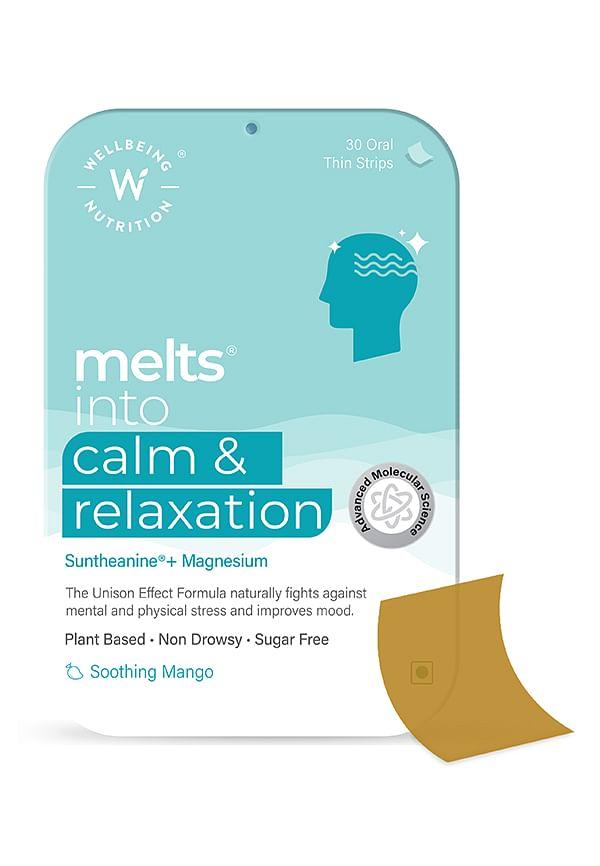
Melts Calm & Relaxation Plant Based Stress & Anxiety Reliever
Before you begin, choose a quiet route where you won't feel self-conscious about walking slowly. This could be a park path, your garden, or even a quiet hallway. Set an intention for your practice—maybe it's finding calm, processing emotions, or simply being present.
These steps to mindful walking will become second nature with practice. Start slowly and be patient with yourself as you learn.
Start with breath awareness: Take three deep breaths before you begin walking. This helps signal to your nervous system that it's time to slow down and tune in.
Focus on foot sensations: Feel your feet making contact with the ground. Notice the shift of weight from heel to toe, the texture beneath your feet, and the rhythm of your steps.
Engage your senses: Gently expand your awareness to include what you see, hear, and smell around you. Don't analyse—just notice.
Maintain gentle awareness: Keep your attention soft and curious rather than forcing concentration. Think of it as friendly observation rather than intense focus.
Return when mind wanders: When your thoughts drift (and they will), simply notice and gently guide your attention back to walking. No judgement needed.
For mindful walking for beginners, slower is definitely better. Aim for about half your normal walking pace—slow enough that you can really feel each step but not so slow that you lose your natural rhythm. Start with 5-10 minutes and gradually work up to 20-30 minutes as the practice becomes more comfortable.
Starting any new wellness practice can feel overwhelming, but mindful walking is refreshingly approachable. The key is building your practice gradually and being kind to yourself as you learn. Think of it like learning to ride a bike—wobbly at first, but soon it becomes natural.
Week 1-2: Focus purely on basic awareness. Just notice that you're walking and try to stay present for a few steps at a time. Don't worry about perfect technique—you're building the foundation.
Week 3-4: Start incorporating sensory focus. Notice one sense at a time—maybe the feeling of your feet for a few steps, then the sounds around you, then what you can see.
Beyond: As you get comfortable, you can explore different walking meditation techniques like loving-kindness walking or nature-based practices.
Trying too hard: Mindfulness is about gentle awareness, not intense concentration
Getting frustrated with mind wandering: This is completely normal and part of the practice
Walking too fast: Slow down more than feels natural at first
Expecting immediate results: Benefits build over time with consistent practice

Magnesium Melatonin - Restful Sleep, Reduced Stress, Anxiety
Once you've got the basics down, there are loads of ways to deepen your practice. These variations can keep things fresh and help you explore different aspects of mindfulness.
This technique involves systematically engaging each sense during your walk. Spend a few minutes focusing on what you can see, then shift to sounds, then physical sensations, smells, and even tastes in the air. It's like a full sensory meditation in motion.
If you're walking outdoors, try connecting specifically with natural elements. Feel the sun on your skin, listen to bird songs, or notice the way light filters through leaves. This variation often feels especially grounding and restorative.
City dwellers needn't miss out. Urban mindful walking might involve noticing architectural details, the rhythm of traffic lights, or the energy of people around you. It's about finding mindfulness within the urban environment rather than despite it.
Let's be real—even the most zen practices come with their challenges. Here's how to navigate the common bumps you might encounter on your mindful walking journey.
Your mind will wander—that's not a bug, it's a feature of being human. The practice isn't about having a perfectly still mind but about noticing when it drifts and gently bringing it back. Think of it as mental fitness training rather than a test you can fail.
Mindful walking can be adapted for almost any physical ability. If standing or walking is challenging, you can practice mindful movement while seated, focusing on arm movements or even just breathing. The principles remain the same—present-moment awareness through gentle movement.

Ashwagandha Tablets,Reduce Stress & Support Sleep Cycle
Rainy day? No problem. Indoor mindful walking works just as well. You might walk slowly around your living room, up and down a hallway, or even practice mindful movement while doing household tasks. The location matters less than the quality of attention you bring to the practice.
Start with just 5-10 minutes daily and gradually increase as it feels comfortable. Even a few minutes can be beneficial, and consistency matters more than duration. Many people find 15-20 minutes to be a sweet spot for experiencing the full benefits.
For true mindful walking, it's best to walk without audio distractions. The practice is about tuning into your present-moment experience, which includes the natural sounds around you. However, guided mindful walking meditations can be helpful when you're learning.
Many people find mindful walking particularly helpful for managing anxiety and depression symptoms. The combination of gentle movement, fresh air, and mindfulness can be mood-boosting. However, it's always wise to discuss new wellness practices with your healthcare provider, especially if you're managing mental health conditions.
This is completely normal! Start in private spaces like your garden or a quiet park. Remember that most people are too focused on their own lives to pay much attention to your walking pace. You can also try mindful walking during less busy times or in more secluded areas until you build confidence.
While mindful walking doesn't require products, you might enjoy incorporating aromatherapy or calming scents into your routine. Smytten offers trial packs of various wellness products that could complement your mindfulness practice, letting you discover what works best for your self-care routine without committing to full sizes.
Mindful walking offers a beautifully simple way to bring more peace and presence into your daily life. Unlike complicated meditation techniques or expensive wellness trends, this practice requires nothing more than your willingness to slow down and pay attention. The benefits—from reduced stress to improved focus—build naturally over time with consistent practice.
Remember that there's no perfect way to practice mindful walking. Some days your mind will be calm and focused, other days it might feel like a whirlwind. Both experiences are valuable parts of the journey. The key is showing up consistently, being patient with yourself, and trusting that each mindful step is contributing to your overall wellbeing.
Just as mindful walking teaches us to appreciate each step of our journey, building a wellness routine is about discovering what truly works for you through gentle experimentation. Smytten is India's largest product discovery and trial platform, connecting consumers with top lifestyle, beauty, wellness, and grooming brands through curated trial packs from over 1,500 trusted brands. Whether you're exploring aromatherapy products to enhance your mindful walks or discovering other wellness essentials, you can get up to 8 minis for just ₹249 with 100% cashback on trials, making it easy to try before you buy. With over 25 million users and authentic brand-verified minis delivered across 27,000+ pincodes, Smytten helps you make smarter, more confident choices for your wellness journey. After all, why settle for 'maybe' when you can #TryItAll!
